

[For Seniors] Recommended for Brain Training! Nostalgic Showa-Era Quiz

From essential home appliances to warm family gatherings around the dinner table—and even everyday scenes that now feel nostalgic—the Showa era holds many memories that linger in our hearts.
Quizzes that awaken the memories of seniors who lived through that time not only stimulate the brain but also spark lively conversations with those around them, making for an enjoyable time.
In this article, we present memorable quizzes related to Showa-era culture, trends, and daily life.
Why not revisit Showa memories together with the seniors in your life?
- [For Seniors] Nostalgic quizzes that bring back memories! Showa-era entertainment and sports questions
- [For Seniors] Nostalgic! Showa-Era Quizzes Recommended for Reminiscence Therapy
- [For Seniors] Laugh-Out-Loud, Crowd-Pleasing! Fun Quiz
- [For Seniors] Brain Training! Recall Quiz Collection!
- [For Seniors] Trivia Multiple-Choice Quiz
- [For Seniors] Who Am I? Quiz: A Fun Set of Questions with Exciting Hints
- [For Seniors] Fun and Informative! Health Trivia Quiz
- [For Seniors] Lively two-choice trivia quiz. Handy to know and tidbits you'll want to share with others
- [For Seniors] Today’s recommended quiz. Daily brain-training quiz!
- [Brain Training] Lively Word Quiz for Seniors
- [For Seniors] Fun and Lively! Recommended Quiz Questions
- [For Seniors] Fun! Let’s Get Excited with Japan’s Number One Quiz
- [For Seniors] Fun Brain Training! A Collection of Tricky Quizzes You’ll Definitely Get Stumped By
Showa Era Entertainment, Sports, and History Quiz (1–10)
Who was the last prime minister of the Showa era?
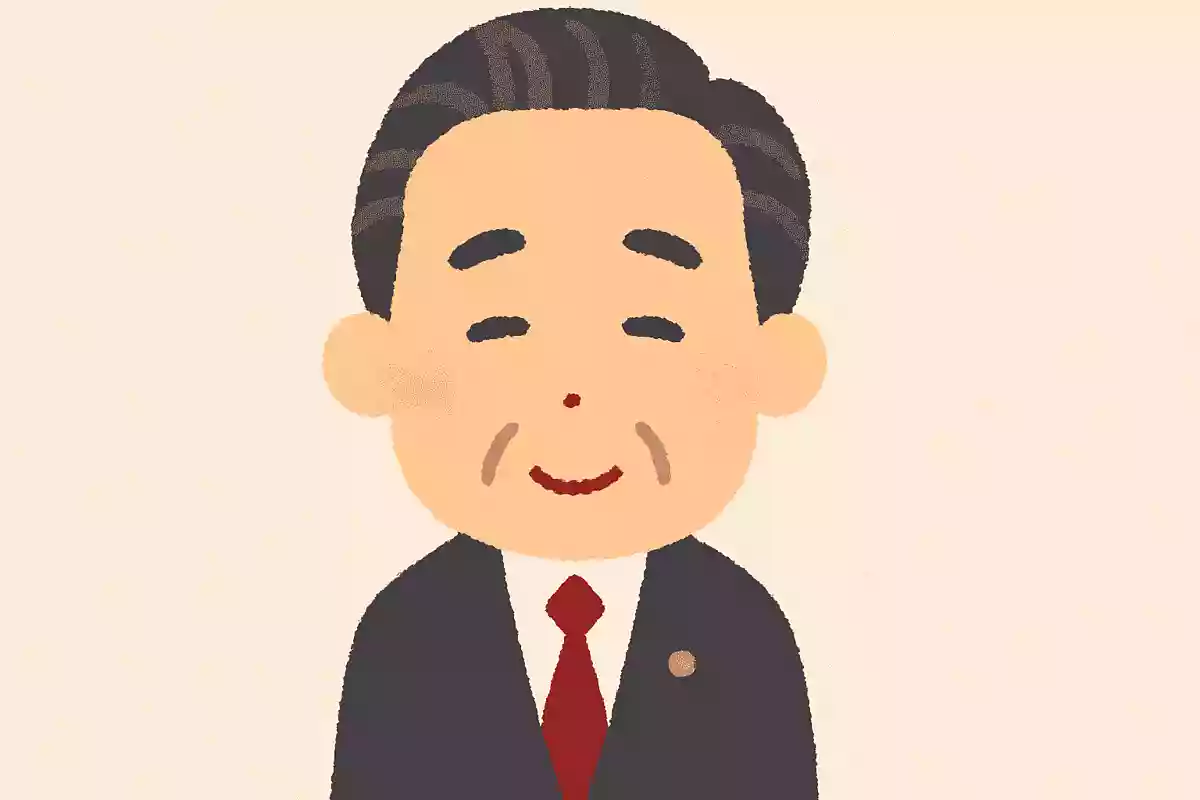
Speaking of the last Prime Minister of the Showa era, it was the 74th, Noboru Takeshita.
During the Takeshita Cabinet, which lasted from November 6, 1987 (Showa 62) to June 3, 1989 (Heisei 1), policies that would greatly influence Japan’s future were implemented, such as the introduction of the consumption tax and the liberalization of U.S.-Japan trade.
In recent years, his grandson, the singer DAIGO, has been very active on variety shows and elsewhere! Some older viewers may have seen him nostalgically share stories about Mr.
Takeshita, beginning with “My grandpa…” Since some people are sensitive about political topics, when presenting this as a quiz, keep it strictly as a name-guessing game and maintain a lighthearted tone.

Who was the singer who performed “Nagasaki no Kane” and closed the show for the White Team in the first Kohaku Uta Gassen?
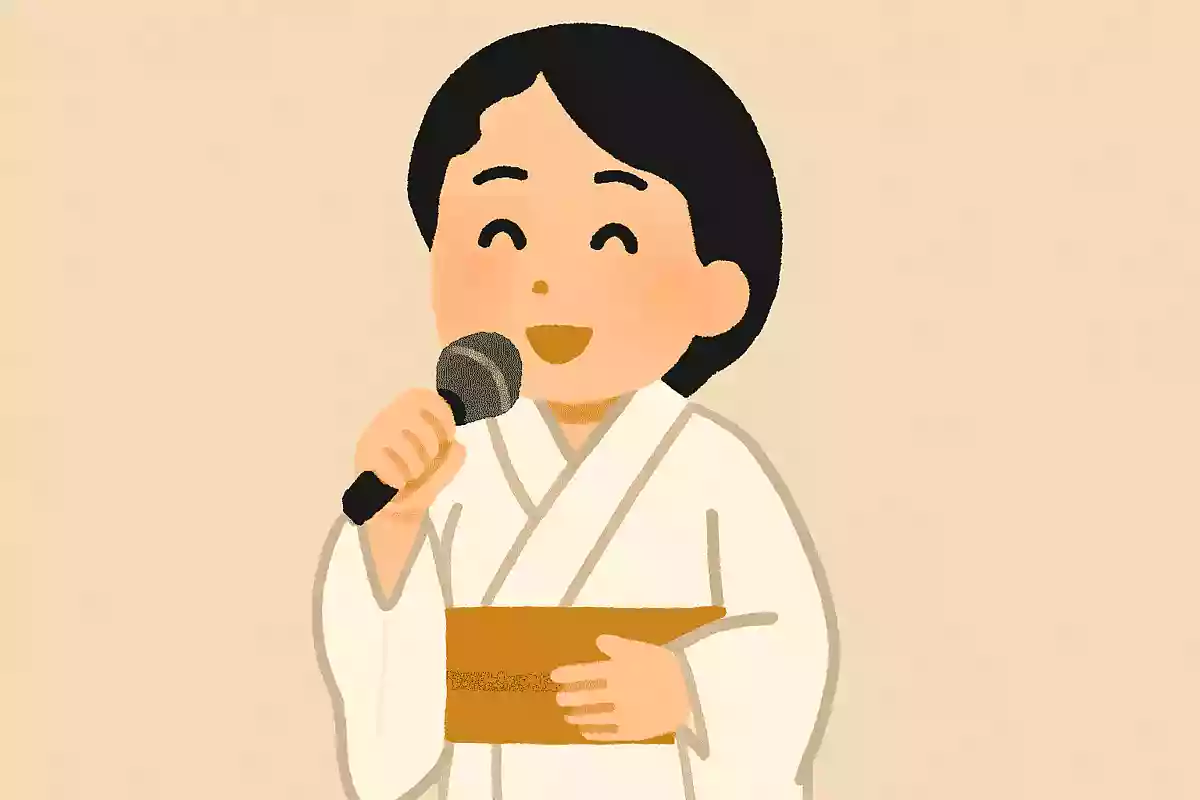
The first ever Kōhaku Uta Gassen took place on January 3, 1951 (Showa 26).
The honor of closing for the White Team in this landmark first event went to Ichirō Fujiyama, who performed one of his signature songs, “Nagasaki no Kane” (The Bells of Nagasaki).
Other performers included Hamako Watanabe with “San Francisco no Chinatown” and Toshiro Oumi with “Yunomachi Elegy,” among others.
Popular songs can vividly bring back memories of events from that time.
Along with using them in a quiz, it might be nice to play a few songs and reminisce together.
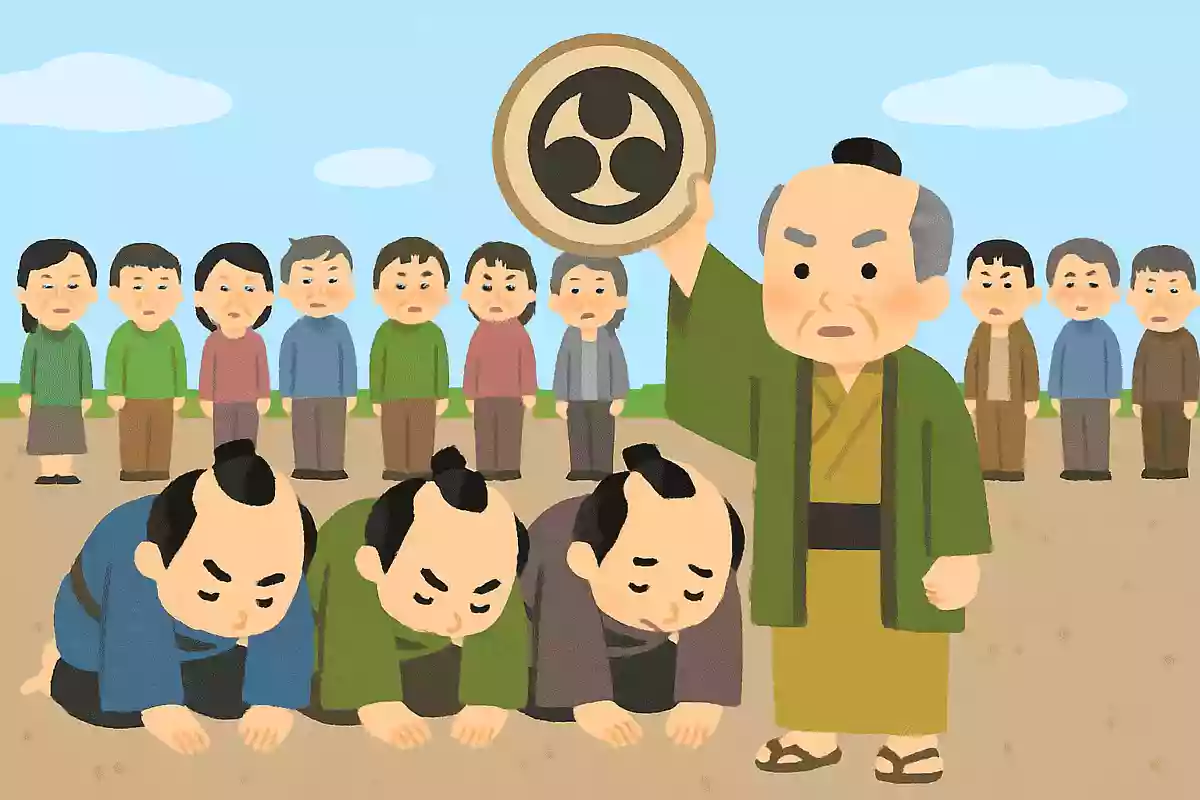
In the scene from Mito Kōmon where the villains prostrate themselves, what is the familiar item that is held up over people’s heads along with the line, “Do you not see this crest?”
Period dramas are stories loved by people of all ages in any era, and the Showa period produced many that became true classics.
Among those classics born in Showa, what is the tool in Mito Komon that makes villains prostrate themselves? Since the series depicts a journey where Mitsukuni Tokugawa, a man of high status, conceals his identity, that tool is used to prove who he is.
The answer is the inro.
Originally it served as a small case for items like medicine, but in the show, revealing the family crest depicted on it serves as proof of his status.

Sakurada Junko and Mori Masako were called part of the “Hana no Chūsan Trio.” Who was the third member?
Showa-era idols are sometimes given special nicknames depending on when and how they debuted.
One such nickname is the “Hana no Chūsan Trio” (the Blossoming Ninth-Graders Trio).
Alongside Junko Sakurada and Masako Mori, who is the third member people think of? Some may immediately recall her knowing that all three were of the same generation and debuted from the audition program Star Tanjō! The answer is Momoe Yamaguchi—a legendary idol who famously retired from show business upon getting married.
What sport was popular in the 1970s thanks to the success of players like Kayoko Suda and Ritsuko Nakayama?
Speaking of the sport that sparked a huge boom centered in Tokyo in the 1970s, it’s bowling! Ritsuko Nakayama, Kayoko Suda, and Rie Ishii, who were immensely popular as beautiful professional bowlers, were known as the “Flower Trio,” and, unusually for athletes, continued their careers while appearing on seven regular weekly TV programs.
With its simple rule—roll the ball and knock down the pins—bowling has long been loved by people of all ages.
Some of you might fondly recall how obsessed you were with it in your younger days.
What percentage was the consumption tax during the Showa era?
It sounds like a trick question, but it’s about the consumption tax in the Showa era.
Although the consumption tax has been increasing year by year, in fact, there was no consumption tax during the Showa period.
So the answer to this quiz is that the consumption tax had not yet been introduced.
Japan first introduced the consumption tax on April 1, 1989, the first year of the Heisei era.
At the time of introduction it was 3 percent, and it was later raised to 5 percent, 8 percent, and then 10 percent.
Today, the consumption tax is taken for granted, but when it was introduced there was strong public backlash, and it is said that protest movements also occurred.

Who was the first heroine of the Showa-era flagship series “It’s Tough Being a Man” (Otoko wa Tsurai yo)?
The film series Otoko wa Tsurai yo is a quintessential representation of the Showa era, depicting the protagonist Tora-san, played by Kiyoshi Atsumi, and the commotion that unfolds around him.
Speaking of Otoko wa Tsurai yo, the relationship between Tora-san and the heroine is also a key element that adds excitement to the story.
Among the various heroines who appear, who played the first heroine, Fuyuko Tsubouchi? With the hint that she’s Tora-san’s childhood friend and appears in later installments as well, some of you may already have her image in mind.
The answer is Sachiko Mitsumoto, who also appears in Otoko wa Tsurai yo: Funtō-hen and Tora-san’s Matchmaker.