

[For Seniors] Recommended for Brain Training! Nostalgic Showa-Era Quiz


From essential home appliances to warm family gatherings around the dinner table—and even everyday scenes that now feel nostalgic—the Showa era holds many memories that linger in our hearts.
Quizzes that awaken the memories of seniors who lived through that time not only stimulate the brain but also spark lively conversations with those around them, making for an enjoyable time.
In this article, we present memorable quizzes related to Showa-era culture, trends, and daily life.
Why not revisit Showa memories together with the seniors in your life?
- [For Seniors] Nostalgic quizzes that bring back memories! Showa-era entertainment and sports questions
- [For Seniors] Nostalgic! Showa-Era Quizzes Recommended for Reminiscence Therapy
- [For Seniors] Laugh-Out-Loud, Crowd-Pleasing! Fun Quiz
- [For Seniors] Brain Training! Recall Quiz Collection!
- [For Seniors] Trivia Multiple-Choice Quiz
- [For Seniors] Who Am I? Quiz: A Fun Set of Questions with Exciting Hints
- [For Seniors] Fun and Informative! Health Trivia Quiz
- [For Seniors] Lively two-choice trivia quiz. Handy to know and tidbits you'll want to share with others
- [For Seniors] Today’s recommended quiz. Daily brain-training quiz!
- [Brain Training] Lively Word Quiz for Seniors
- [For Seniors] Fun and Lively! Recommended Quiz Questions
- [For Seniors] Fun! Let’s Get Excited with Japan’s Number One Quiz
- [For Seniors] Fun Brain Training! A Collection of Tricky Quizzes You’ll Definitely Get Stumped By
Showa Era Entertainment, Sports, and History Quiz (1–10)
In 1969, a certain American rocket made the first human landing on the moon. What was the name of that rocket?
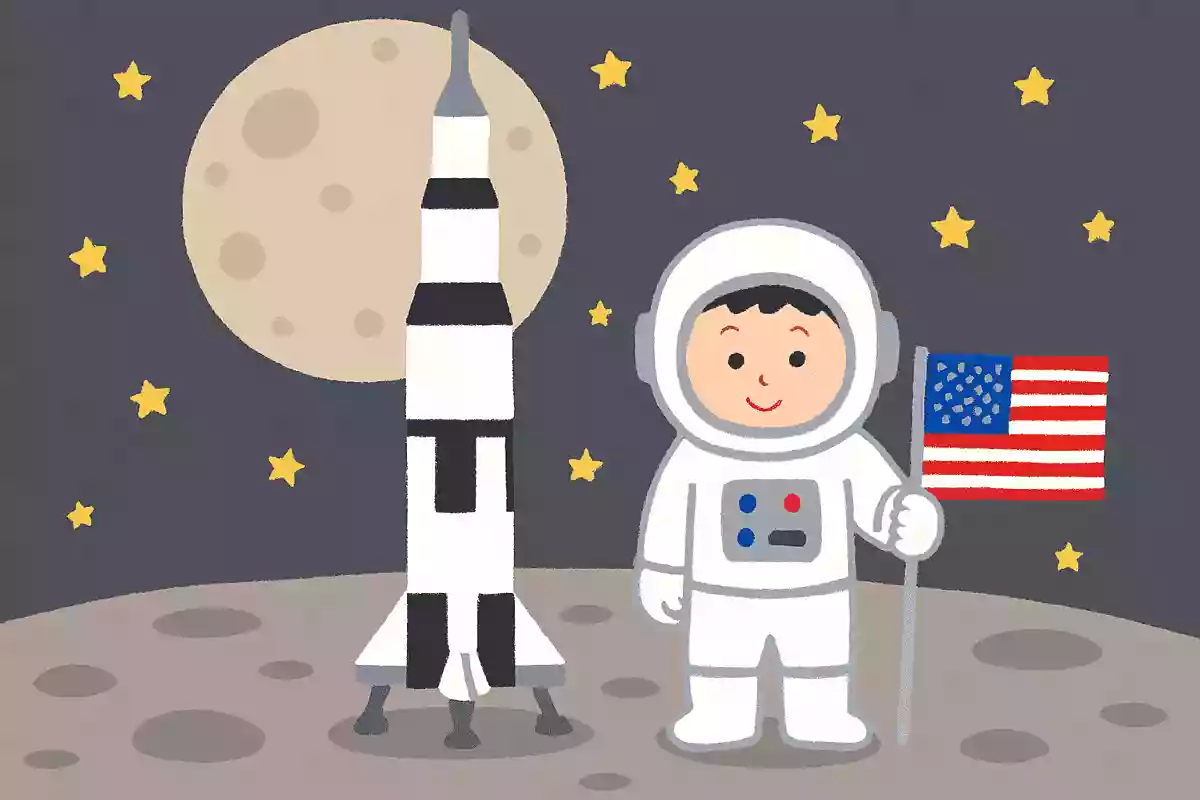
Speaking of the American rocket that achieved humanity’s first successful Moon landing in 1969, it has to be Apollo 11! Seeing the portraits of the three crew members who launched from Kennedy Space Center, or the photo of Commander Neil Armstrong’s first human footprint on the Moon, might bring back memories of the excitement of that time.
Using a quiz as a springboard, why not reminisce about that historic achievement that inspired so many dreams and enjoy sharing stories of the past?

November 2 is Conveyor Belt Sushi Day. In which prefecture is the restaurant located that first opened a conveyor belt sushi shop in the world?

November 22 is widely known as Good Couple Day in Japan, but it’s also Conveyor Belt Sushi Day.
It was established in honor of the birthday of Yoshiaki Shiraishi, the chairman of “Mawaru Genroku Sushi,” who invented conveyor belt sushi.
Although conveyor belt sushi is now familiar to everyone, its origins go back further than you might expect: the first restaurant opened in 1958 in Higashi-Osaka, Osaka Prefecture.
Later, when “Mawaru Genroku Sushi” exhibited at the 1970 Osaka Expo, it became hugely popular, and conveyor belt sushi spread nationwide.
Showa Era Entertainment, Sports, and History Quiz (11–20)
Which baseball player, as the Giants’ cleanup hitter, holds the record for the most games played as the No. 4 batter for the Yomiuri Giants?
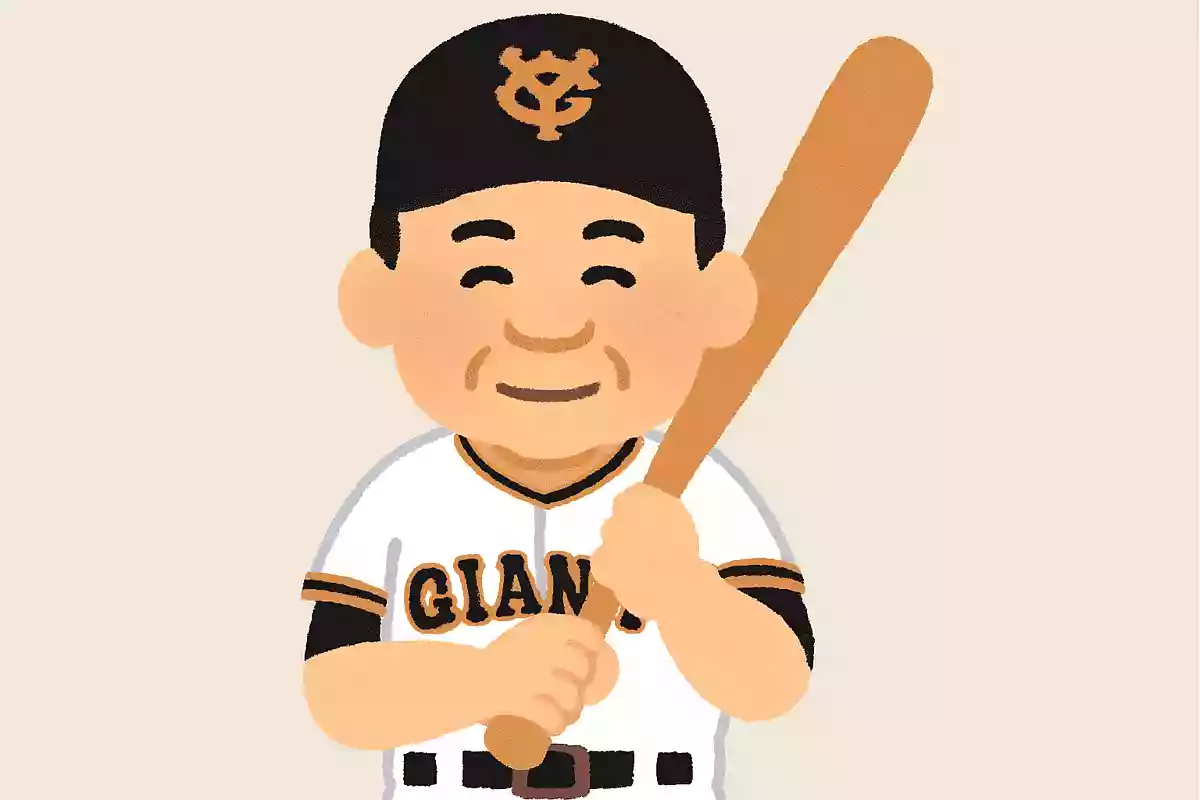
When it comes to sports beloved by a wide range of people, baseball comes to mind—a sport that was hugely popular even in the Showa era.
Speaking of legendary players etched into baseball history, who holds the record for the most games batting cleanup (fourth) for the Yomiuri Giants? After a stellar playing career, he also excelled as a manager and is well-known across generations among those familiar with baseball.
The answer is Shigeo Nagashima, a famed player who, together with Sadaharu Oh, formed the celebrated “O-N Cannon,” and whose permanently retired number 3 secures his place in baseball history.

Which band held the first rock concert at the Budokan, known as the sacred site of Japanese martial arts?
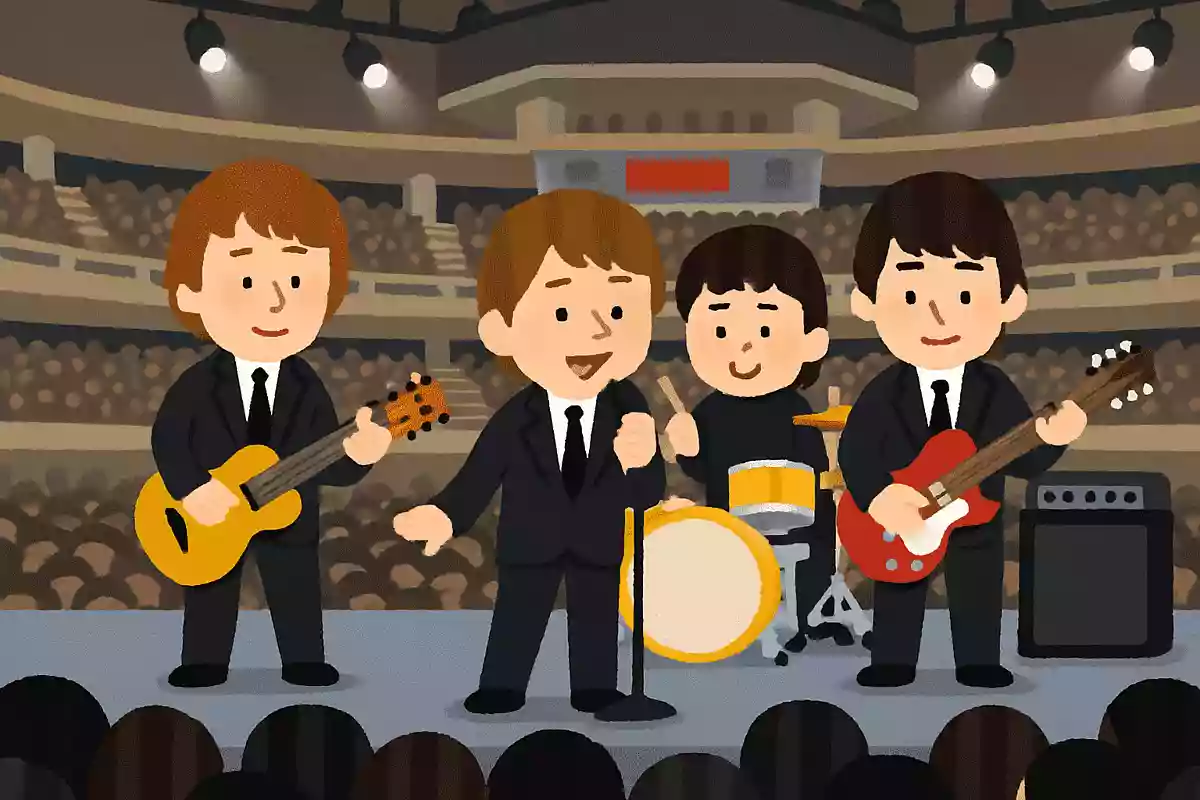
While the Nippon Budokan is a venue for martial arts tournaments, it also hosts many music events.
As for the band that first held a rock concert there—the very act that helped make the Budokan beloved by musicians—who could it be? Here’s a hint: they were an overseas act whose visit to Japan became such a major event that it’s remembered as part of the nation’s history.
Many might guess the answer from that alone.
It’s the Beatles—their arrival and performances are passed down as a page in history.
Who served as the host of the panel quiz show “Attack 25” for 36 years?
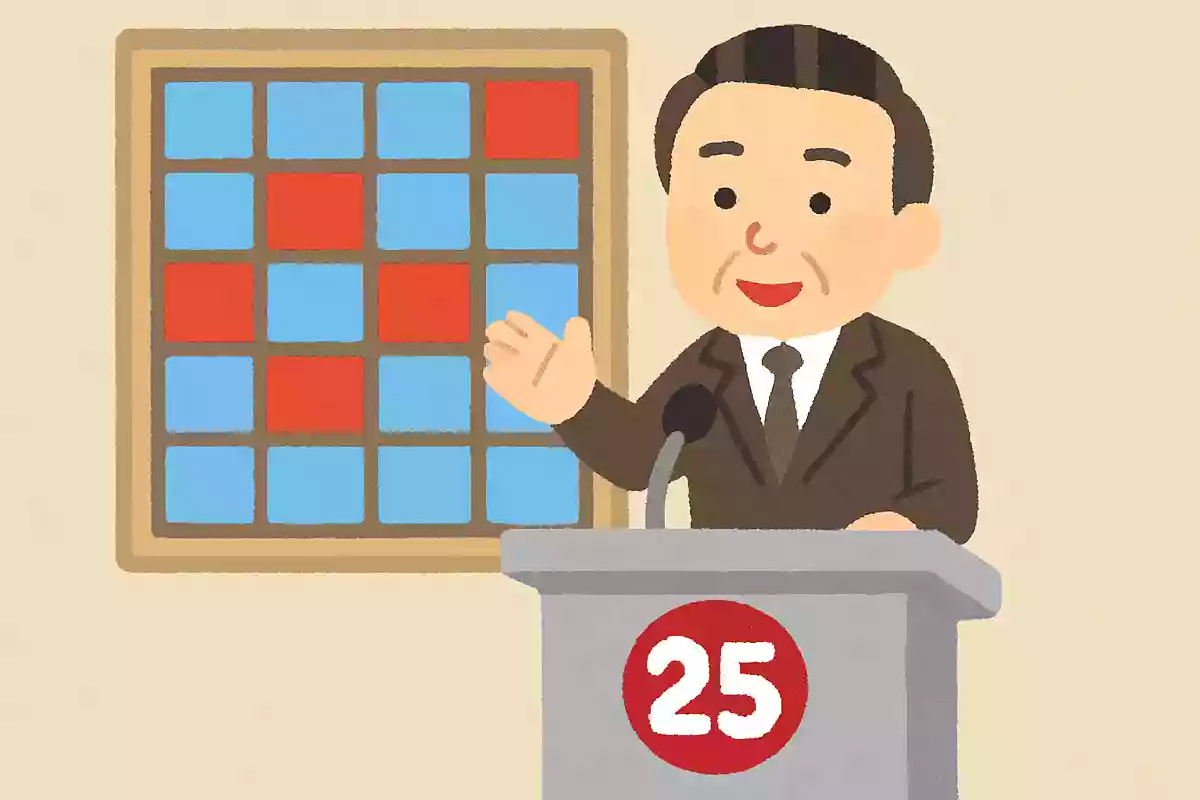
Panel Quiz “Attack 25” is a quiz show that began airing in 1975.
Its appeal lies not only in quiz knowledge, but also in the strategic element of competing for panels.
So, who is the person who hosted “Attack 25” for 36 years? As a figure who could be called the symbol of the program, some people might picture him along with the show’s set.
The answer is Kiyoshi Kodama.
His composed reactions to contestants’ answers and his smooth, articulate explanations were also part of his charm.
Who was the first recipient of the People’s Honor Award?

A superstar everyone knows! Here’s a trivia tidbit: Who was the very first recipient of the People’s Honour Award? To start with, do you know what the People’s Honour Award is? It’s an award presented by the Prime Minister to individuals or organizations whose outstanding achievements have earned the admiration of the public and given society hope.
The first recipient was Sadaharu Oh.
As a legendary hitter in professional baseball, Sadaharu Oh is still beloved by the public.
With his unique one-legged batting stance, he captivated many fans and was a star who led Japanese baseball for many years.
In 1977 (Showa 52), Japan successfully launched its first meteorological satellite. What was the name of this weather satellite?
A weather satellite is a satellite that observes various weather-related data from space.
These satellites, which are useful for weather and disaster forecasting, are also launched from Japan.
So, what is the name of the satellite that Japan first successfully launched in 1977 (Showa 52)? It might be easier if you think of a flower that symbolizes summer in Japan.
The answer is “Himawari” (sunflower).
Named after the flower that turns its face toward the sun, Himawari is Japan’s representative series of weather satellites, with multiple generations launched since the first.