

[For Seniors] Recommended for Brain Training! Nostalgic Showa-Era Quiz


From essential home appliances to warm family gatherings around the dinner table—and even everyday scenes that now feel nostalgic—the Showa era holds many memories that linger in our hearts.
Quizzes that awaken the memories of seniors who lived through that time not only stimulate the brain but also spark lively conversations with those around them, making for an enjoyable time.
In this article, we present memorable quizzes related to Showa-era culture, trends, and daily life.
Why not revisit Showa memories together with the seniors in your life?
- [For Seniors] Nostalgic quizzes that bring back memories! Showa-era entertainment and sports questions
- [For Seniors] Nostalgic! Showa-Era Quizzes Recommended for Reminiscence Therapy
- [For Seniors] Laugh-Out-Loud, Crowd-Pleasing! Fun Quiz
- [For Seniors] Brain Training! Recall Quiz Collection!
- [For Seniors] Trivia Multiple-Choice Quiz
- [For Seniors] Who Am I? Quiz: A Fun Set of Questions with Exciting Hints
- [For Seniors] Fun and Informative! Health Trivia Quiz
- [For Seniors] Lively two-choice trivia quiz. Handy to know and tidbits you'll want to share with others
- [For Seniors] Today’s recommended quiz. Daily brain-training quiz!
- [Brain Training] Lively Word Quiz for Seniors
- [For Seniors] Fun and Lively! Recommended Quiz Questions
- [For Seniors] Fun! Let’s Get Excited with Japan’s Number One Quiz
- [For Seniors] Fun Brain Training! A Collection of Tricky Quizzes You’ll Definitely Get Stumped By
Showa Era Entertainment, Sports, and History Quiz (11–20)
In what year of the Showa era did the 10,000-yen note first appear?
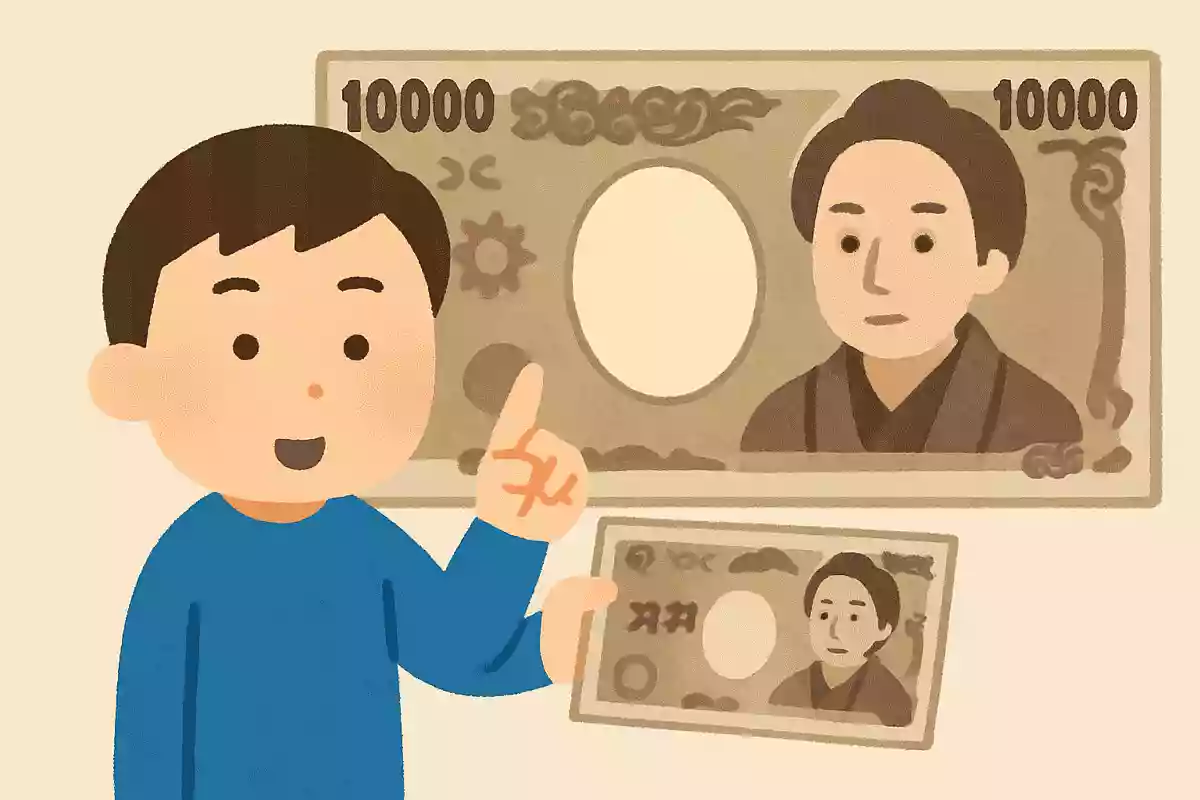
The first 10,000-yen note was issued in 1958 (Showa 33), featuring Prince Shotoku on the front and a phoenix on the back.
Many people—not just the elderly—may have a faint memory of it.
Subsequently, along with the period of rapid economic growth, the circulation of the 10,000-yen note increased significantly.
Who is the one of the New Gosanke who debuted with “Hakata Miren,” released on May 1, 1971 (Showa 46)?
In the Showa era, the entertainment world flourished, and many idols emerged who sent the public into a frenzy.
Among those idols, let’s focus on male idols: who is the person known as one of the “New Big Three,” who debuted with the single “Hakata Miren,” released on May 1, 1971 (Showa 46)? He also appeared in the 1971 NHK Kouhaku Uta Gassen as the youngest participant at the time and has accolades such as the Japan Record Award.
The answer is Goro Noguchi—an idol who, alongside Hiromi Go and Hideki Saijo, helped define an era.

What was the other event, besides men’s judo, that became an official discipline at the Tokyo Olympics held in 1964?
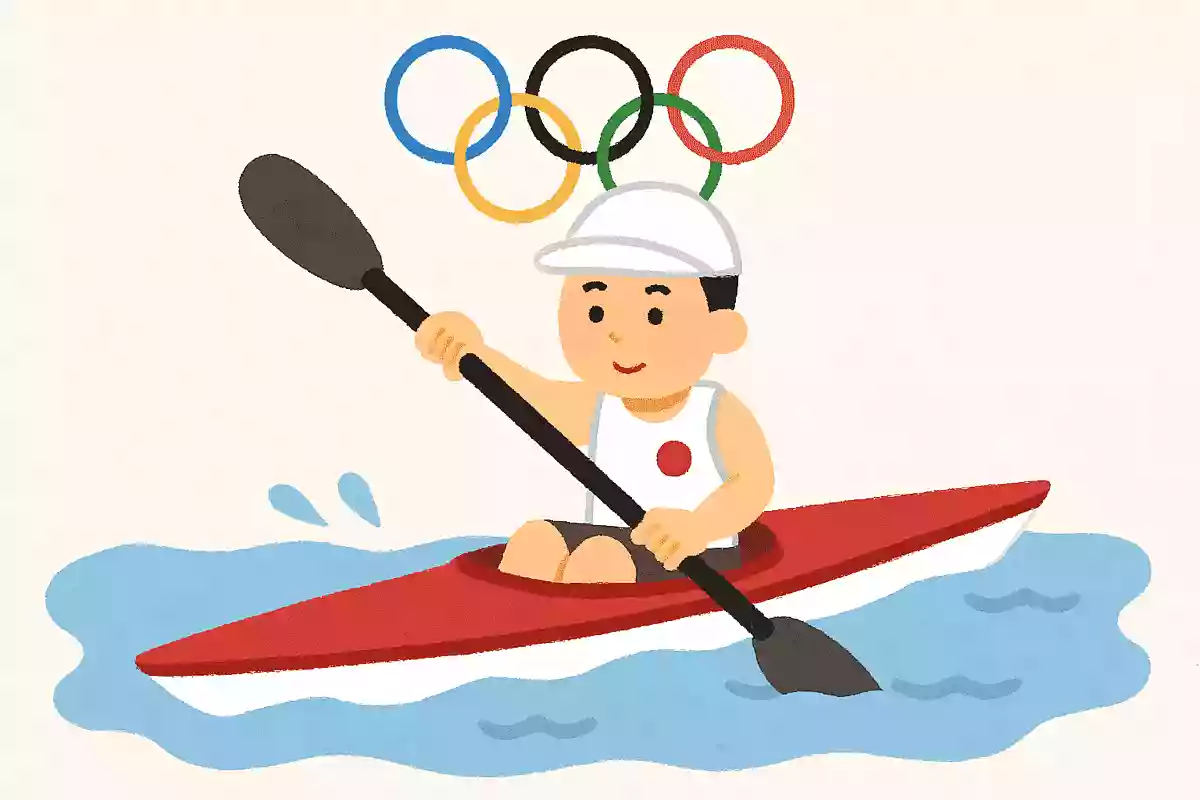
The Tokyo Olympics held in 1964 were a significant event in Japan’s history, and many developments—including transportation improvements—got underway from that point.
At those Tokyo Olympics, what sport became an official event alongside men’s judo? Many people might recognize the answer when they hear the phrase that spread from that sport: “Witches of the Orient.” The answer is volleyball.
While judo was only for men, volleyball was added as an official event for both men and women, and the women’s volleyball team was nicknamed the “Witches of the Orient.”
In what era is the film Seven Samurai set?
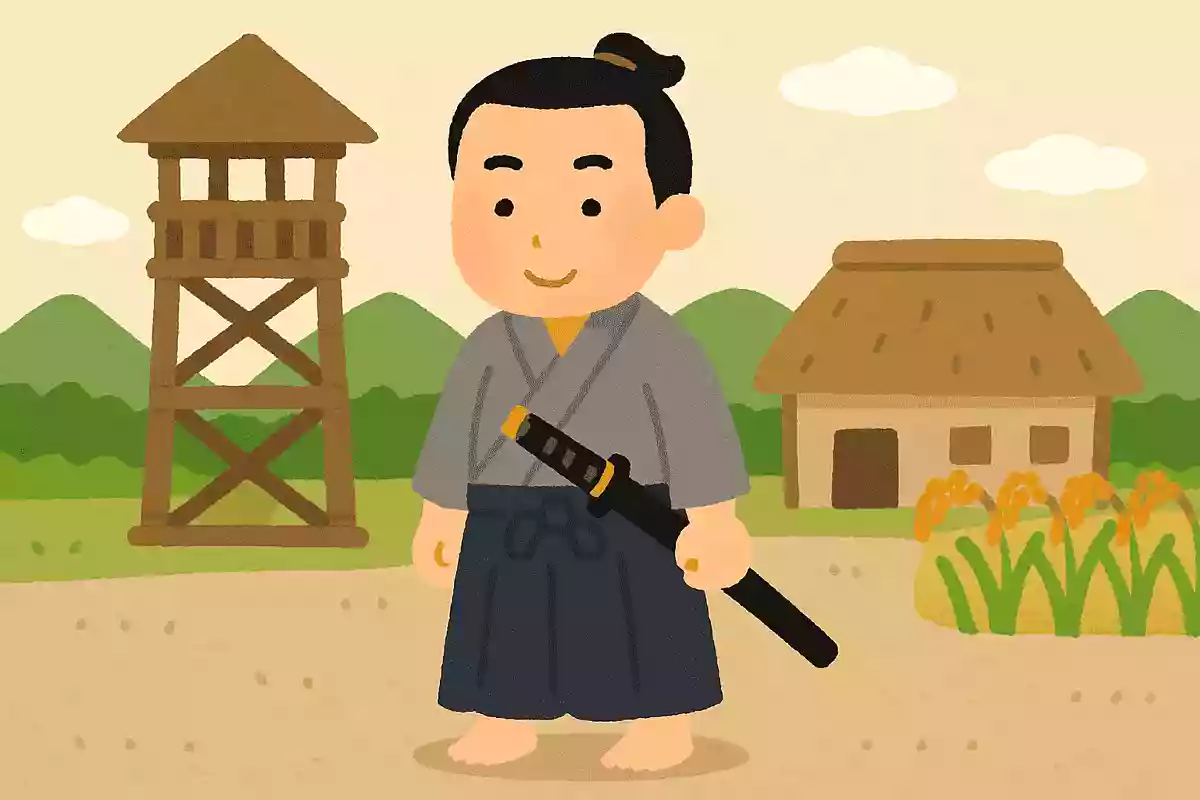
Along with cultural development, the Showa era gave birth to many masterpieces in film and beyond.
Among those Showa classics, Seven Samurai is a work deeply etched into film history.
So, which period is its setting? Naturally, it’s an era when samurai existed, and from the way the characters live, you can infer the approximate time as well.
The answer is the Sengoku period.
Although the characters and events are fictional, the film explicitly states that it takes place in Tenshō 14 (1586).
There was a game board that became popular among children in the 1950s and 60s (Showa 30s). What sport was turned into the board game?
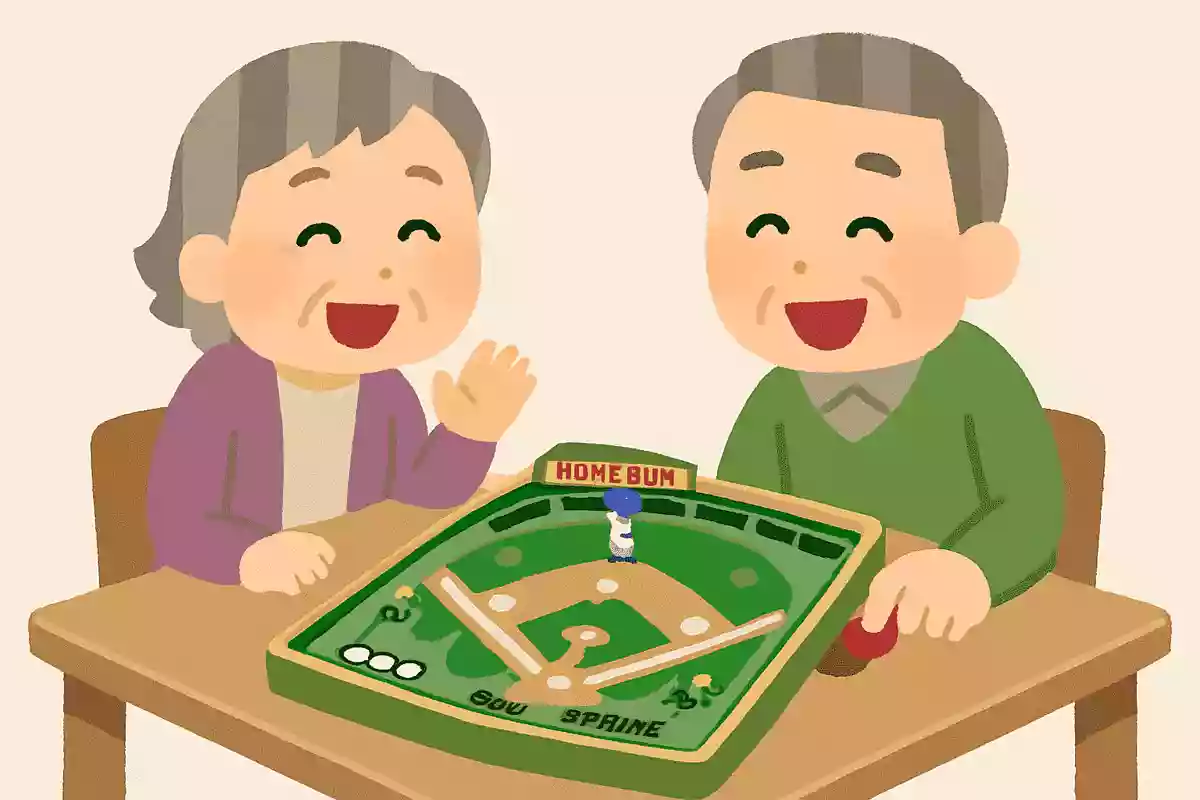
Various kinds of toys have been created both in the past and present, bringing joy to children.
They range from simple ones where the outcome is decided in a single move to those that require strategy, and some people may even have played with original rules or custom variations.
Among such toys, when you think of board-style games themed around sports that were popular around the mid-1950s (Showa 30s), what comes to mind? Some might guess it just from the phrase “sports-themed board.” The answer is the baseball board game—known as yakyūban—which came in many versions, differing in size and how they were operated.
Showa Era Entertainment, Sports, and History Quiz (21–30)
At the Tokyo Olympics held in 1964, a rakugo storyteller ran as a torchbearer. Who was that rakugo performer?
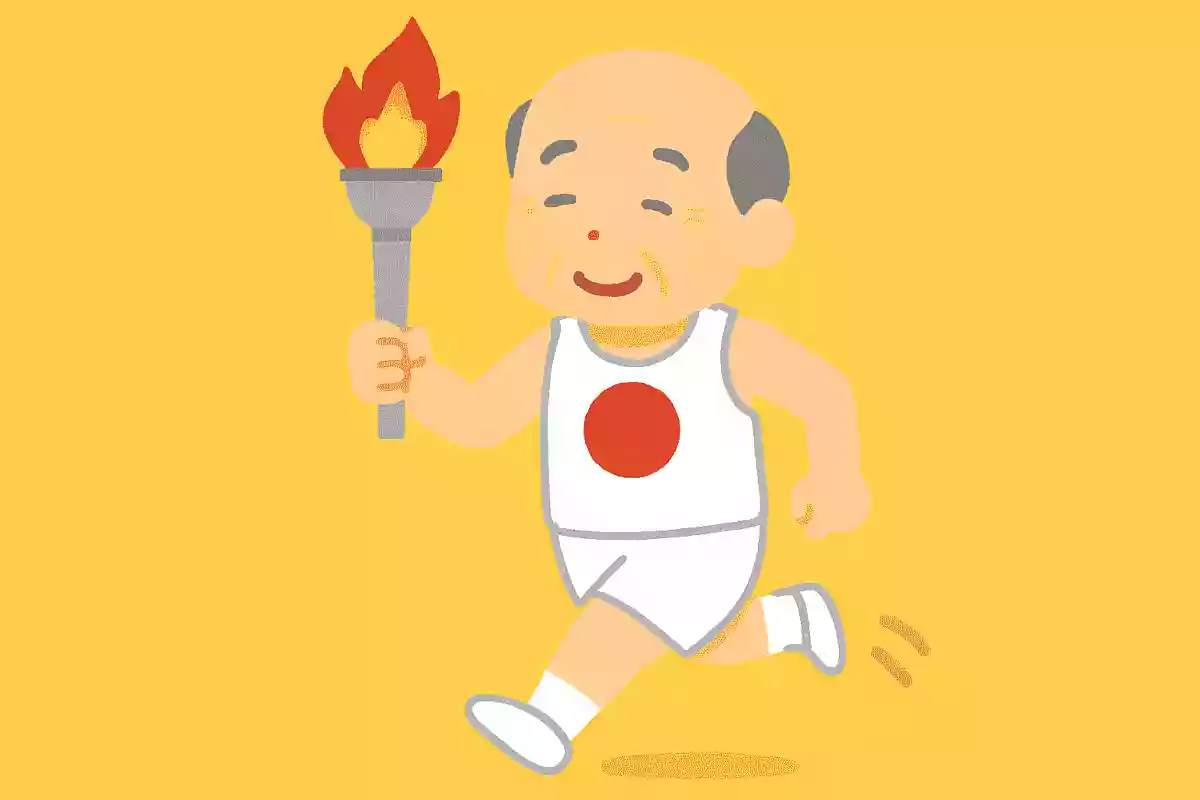
One highlight of the Olympic torch relay is that a wide variety of people run, including athletes and celebrities.
At the Tokyo Olympics held in 1964 (Showa 39), a certain rakugo storyteller ran as a torchbearer.
Who was it? Here’s a hint: a long-beloved rakugo performer you often see on TV—someone who might not fit the strict image of representing the nation.
The answer is “Sanyutei Koyuza.” At the time, he didn’t run as a rakugo performer; he was selected as a torchbearer as a high school table tennis player.
What was written on the placard when Japan participated in the Olympics for the first time in 1912?
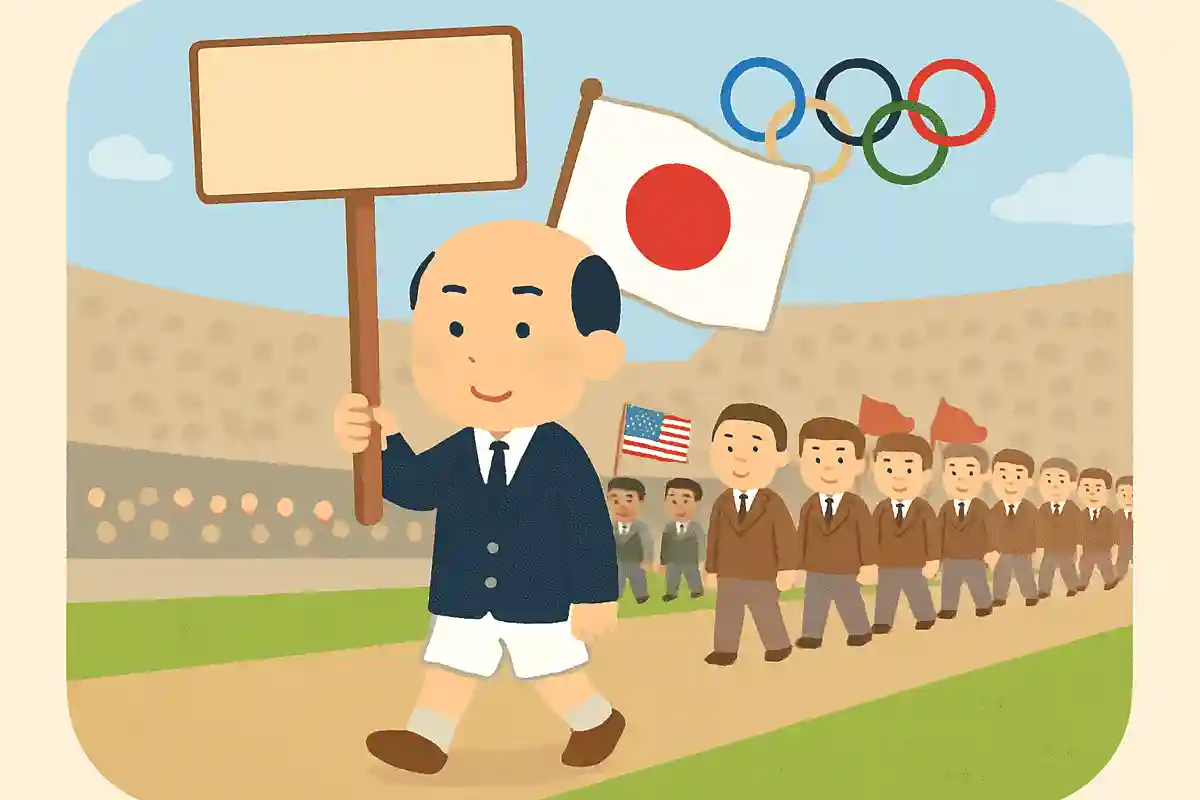
The placards carried by athletes during the opening parade display the names of their countries.
The designs, which often incorporate elements of the host nation’s culture and characteristics, also draw attention.
At the Tokyo Olympics held in 2021, a design inspired by manga speech bubbles was adopted and became a hot topic.
Now, regarding these placards—one of the highlights of the Olympics—when Japan first participated in the Games, the placard read “NIPPON.” Although there were suggestions to use “JAPAN” or the Japanese characters for Japan, “NIPPON” was ultimately chosen.
