

![[For Seniors] Recommended for Brain Training! Nostalgic Showa-Era Quiz](https://media.ragnet.co.jp/img/1200__png__https://www.studiorag.com/files/2025/04/91a807673622c25d2500ae2abfff135d.webp)


From essential home appliances to warm family gatherings around the dinner table—and even everyday scenes that now feel nostalgic—the Showa era holds many memories that linger in our hearts.
Quizzes that awaken the memories of seniors who lived through that time not only stimulate the brain but also spark lively conversations with those around them, making for an enjoyable time.
In this article, we present memorable quizzes related to Showa-era culture, trends, and daily life.
Why not revisit Showa memories together with the seniors in your life?
- [For Seniors] Nostalgic quizzes that bring back memories! Showa-era entertainment and sports questions
- [For Seniors] Nostalgic! Showa-Era Quizzes Recommended for Reminiscence Therapy
- [For Seniors] Laugh-Out-Loud, Crowd-Pleasing! Fun Quiz
- [For Seniors] Brain Training! Recall Quiz Collection!
- [For Seniors] Trivia Multiple-Choice Quiz
- [For Seniors] Who Am I? Quiz: A Fun Set of Questions with Exciting Hints
- [For Seniors] Fun and Informative! Health Trivia Quiz
- [For Seniors] Lively two-choice trivia quiz. Handy to know and tidbits you'll want to share with others
- [For Seniors] Today’s recommended quiz. Daily brain-training quiz!
- [Brain Training] Lively Word Quiz for Seniors
- [For Seniors] Fun and Lively! Recommended Quiz Questions
- [For Seniors] Fun! Let’s Get Excited with Japan’s Number One Quiz
- [For Seniors] Fun Brain Training! A Collection of Tricky Quizzes You’ll Definitely Get Stumped By
Showa Era Culture, Trends, and Lifestyle Quiz (1–10)
In the 1960s (Showa 40s), the three new “Three Sacred Treasures” known as the 3Cs were a color TV, an air conditioner, and what was the third one?
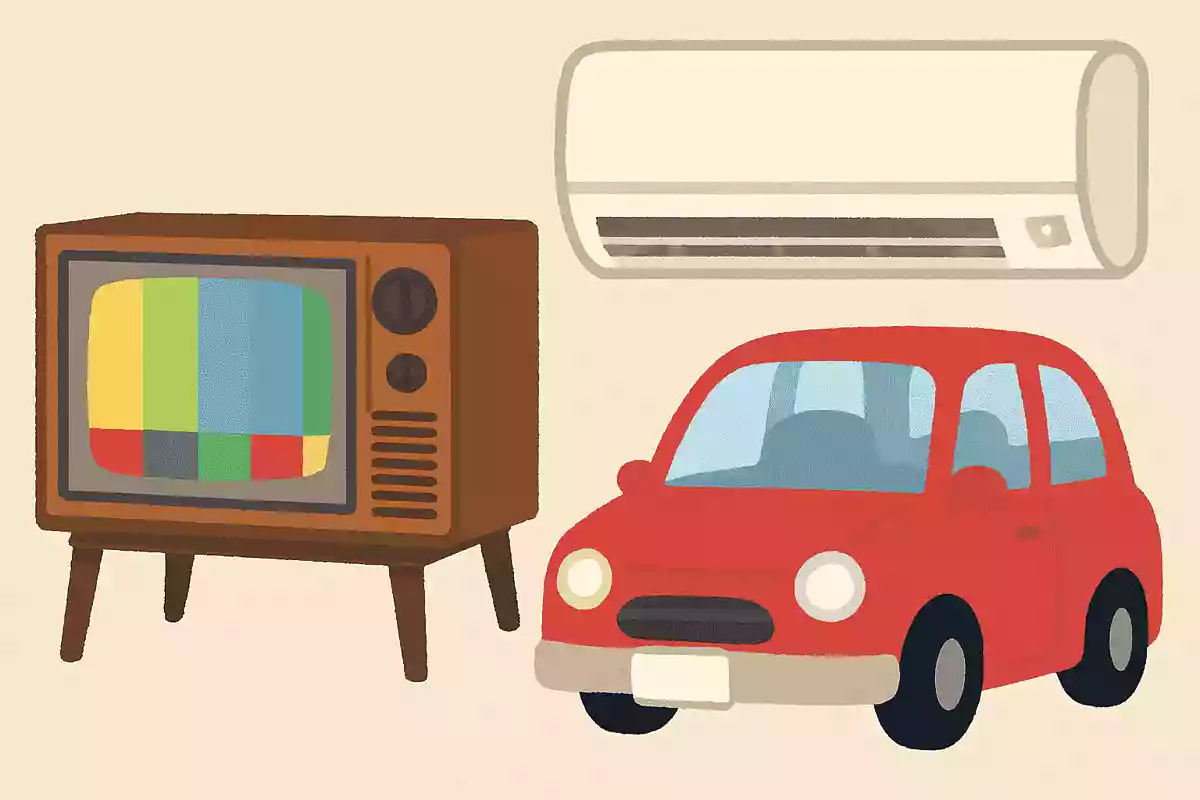
A nostalgic quiz that feels like time-traveling back to the Showa era.
The question begins: “Color TV, air conditioner, and what was the third item in the ‘new Three Sacred Treasures’ known as the 3Cs?” The final item that drew attention back then was “Car,” the English word for automobile.
Some people may recall the joy of the day a car came to their household, or stories of how it became the talk of the neighborhood.
Quizzes like this bring empathy and laughs to those who remember the past, while offering surprises and learning to younger generations.
They’re great for small gatherings or recreational activities at senior facilities and can really liven things up.
A recommended question for fans of retro culture, too.

Lottery tickets were first sold in 1945 (Showa 20). At the time, four losing tickets could be exchanged for something. What was that something?
The first time lottery tickets were sold was in July 1945, just before the end of the war.
The price was 10 yen per ticket, and the top prize was 100,000 yen.
Back then, there was a system where four losing tickets could be exchanged for something—and that something was, incredibly, ten cigarettes, known at the time as “kinshi”! While alcohol as a prize might still make sense, a lottery that gives cigarettes as prizes is unimaginable today.
For those who remember it, this must be a nostalgic episode that reflects how times have changed.

There used to be a part-time job where workers pushed people into crowded trains when they couldn’t get on. What is the name of this job, which was introduced at what is now JR Shinjuku Station in 1955?
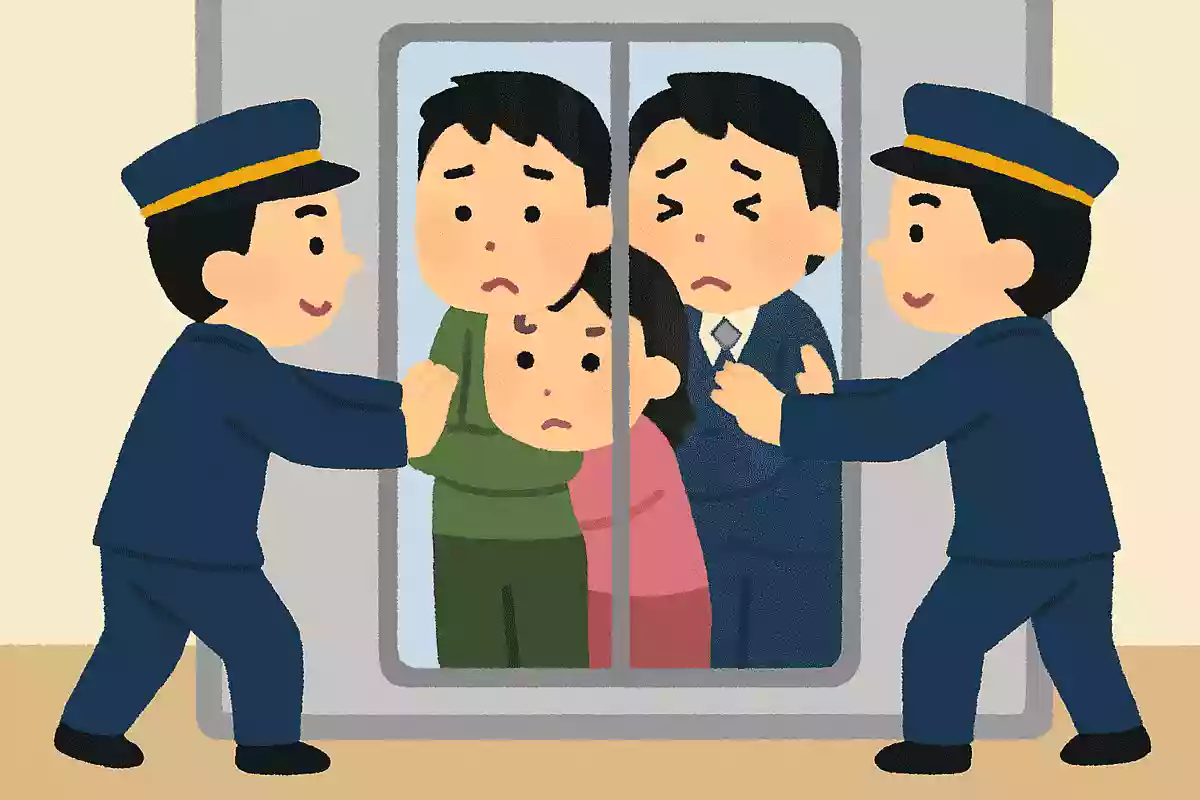
The part-time workers hired to push people into trains when they couldn’t board the packed cars introduced at what is now JR Shinjuku Station in 1955 (Showa 30) were called “oshiya” (pushers).
As commuting rush-hour congestion worsened and delays became routine, these oshiaya—mainly student part-timers—were brought in to ensure on-time departures.
You might think that in today’s world, where announcements sometimes say “Please don’t push,” this job would have disappeared, but it turns out they are still regularly recruited as “service staff” to help prevent delays and ensure safety.
What do you call the tool that you fill with hot water and use mainly to warm your body when sleeping?
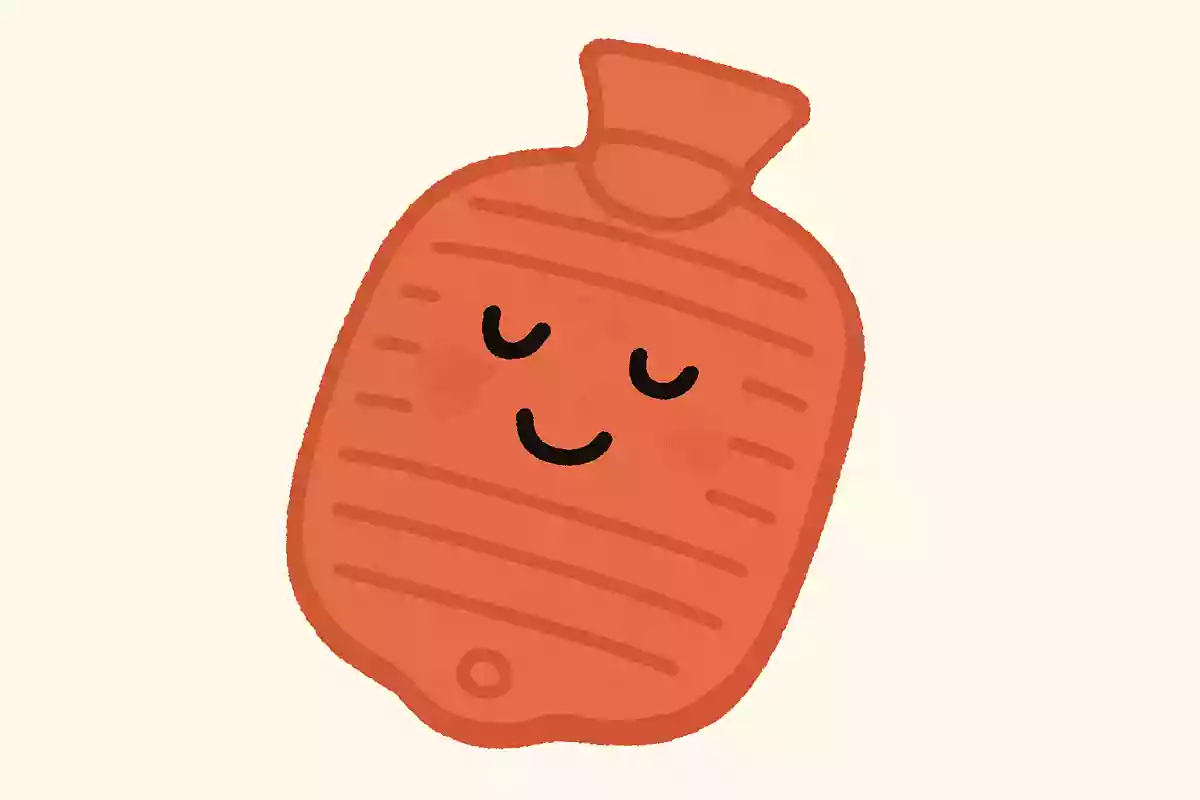
When winter truly sets in, people in every era share the same concern: their bodies get cold when they sleep and they want to find some way to stay warm.
With the aim of sleeping warmly, what is the tool—used by filling it with hot water—that mainly serves this purpose? It’s still used today, and compared to the heyday of the Showa era, not only are the materials different, but features such as heat retention have also improved.
The answer is the yutanpo, a hot-water bottle: you fill it with hot water, wrap it in cloth so you don’t get burned, and use it to warm your body.

What was the summer women’s clothing that became popular from the late Taisho period to the early Showa period?
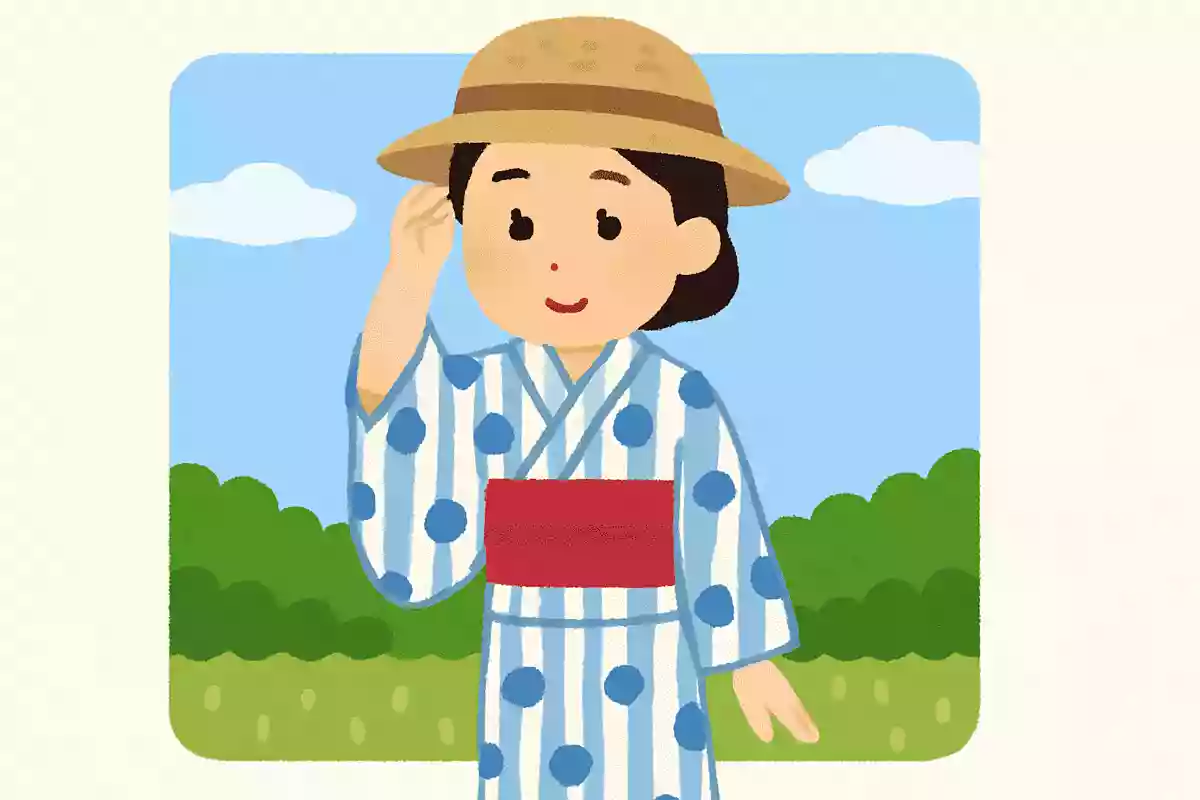
The name of the easy-to-throw-on women’s summer garment that was popular from the late Taisho to the early Showa period was “appappa.” It’s said to come from an Osaka dialect word that describes a hem that flares out “pah!” These days, the origins of fashion-related buzzwords are mostly foreign languages, but the fact that this one comes from a domestic dialect really reflects the times, doesn’t it? In 1929 (Showa 4), when Tokyo was hit by its worst heatwave in forty years, the appappa reportedly became wildly popular as well.
My grandmother still calls it an “appappa,” so there might still be people who use the word even now…
In 1960, a revolution occurred in household televisions. What happened to the TV screen?
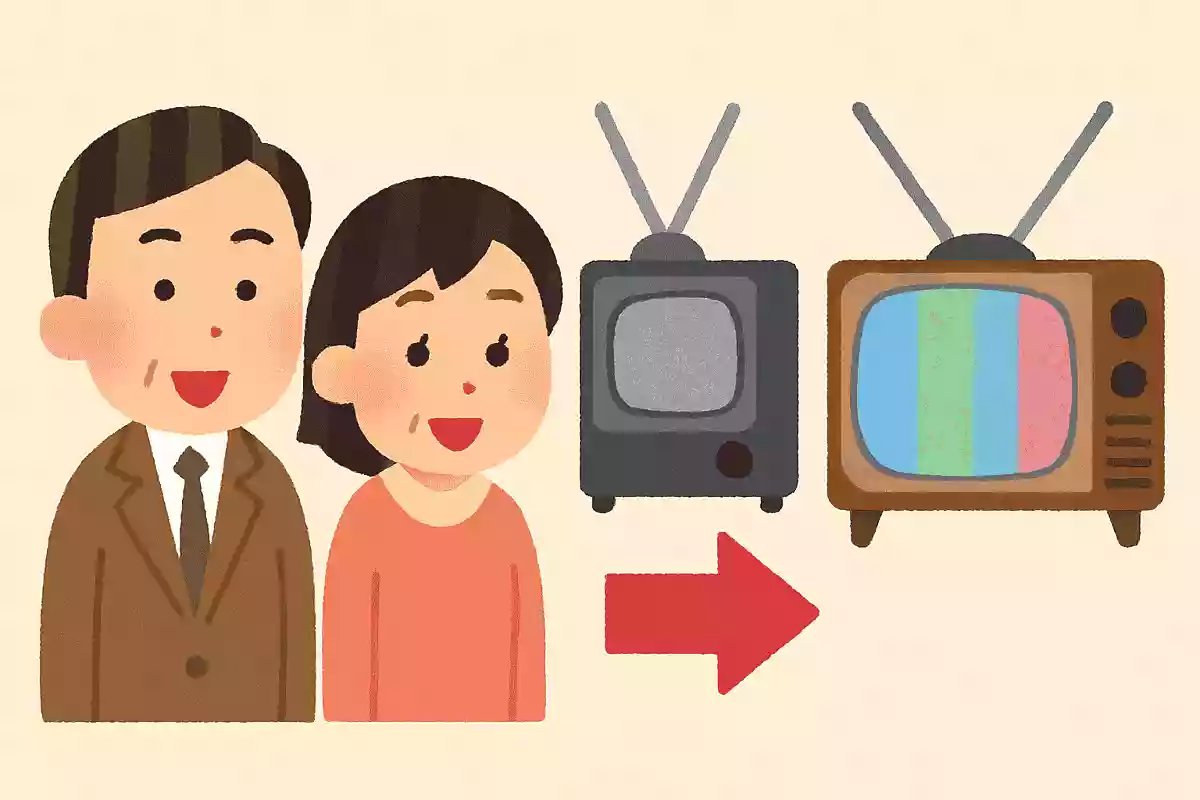
A revolutionary event that happened to home television in 1960 (Showa 35) was the start of color broadcasting! NHK began broadcasting on February 1, 1953 (Showa 28), and commercial stations followed on August 28 of the same year.
After the introduction of remote-control TVs and the downsizing of cathode-ray tubes, color broadcasts finally began in 1960.
At the time, color TVs cost dozens of times a new university graduate’s starting salary.
They were far beyond the reach of ordinary people, but as technology advanced, prices became more affordable.
Looking at photos of old TVs or footage of programs from those days might bring back memories of your youth.
What is the item that was used as a table for meals and has now been changed into a dining table?
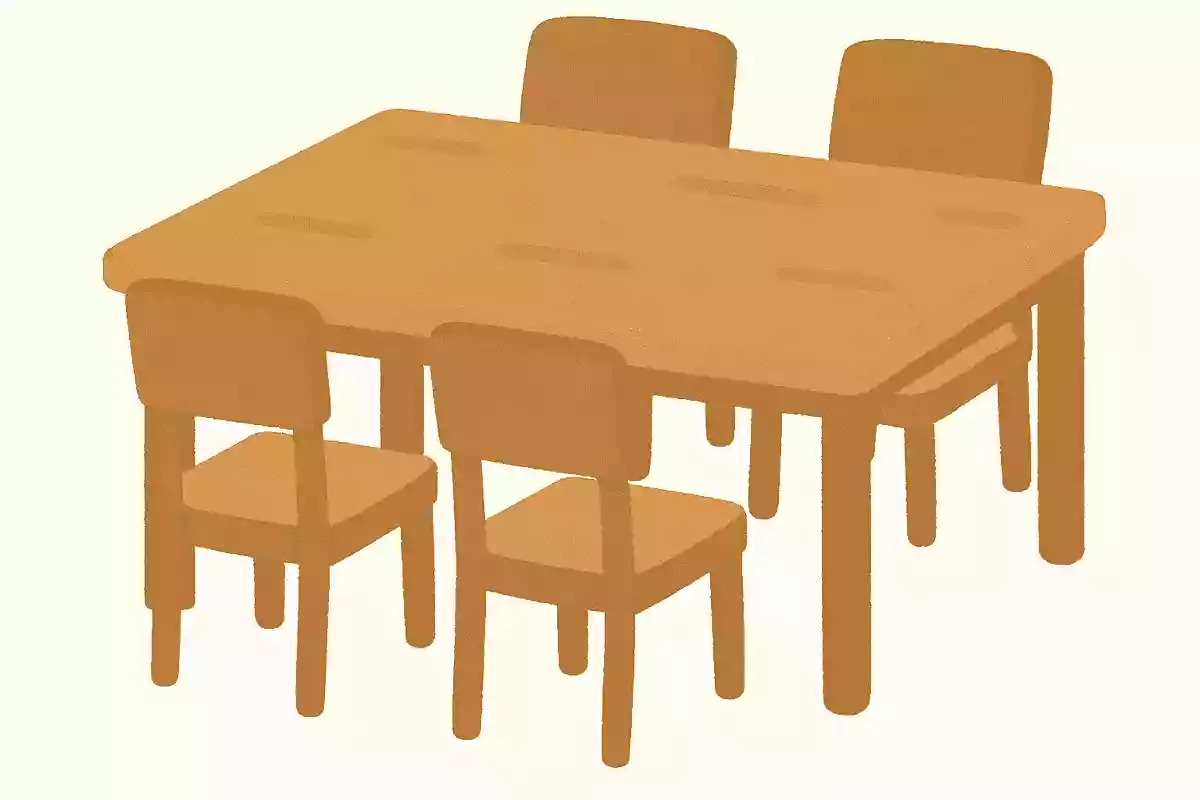
As times changed, dining tables that allow people to sit on chairs became the mainstream for mealtimes.
Do you remember what the type of table used before that was called? You can picture sitting on the floor in a home where tatami mats were standard—round tables often come to mind as a Showa-era scene.
The answer is the chabudai, a piece of furniture that symbolizes family togetherness, with everyone gathered around it to share a meal.