

[For Seniors] Recommended for Brain Training! Nostalgic Showa-Era Quiz


From essential home appliances to warm family gatherings around the dinner table—and even everyday scenes that now feel nostalgic—the Showa era holds many memories that linger in our hearts.
Quizzes that awaken the memories of seniors who lived through that time not only stimulate the brain but also spark lively conversations with those around them, making for an enjoyable time.
In this article, we present memorable quizzes related to Showa-era culture, trends, and daily life.
Why not revisit Showa memories together with the seniors in your life?
- [For Seniors] Nostalgic quizzes that bring back memories! Showa-era entertainment and sports questions
- [For Seniors] Nostalgic! Showa-Era Quizzes Recommended for Reminiscence Therapy
- [For Seniors] Laugh-Out-Loud, Crowd-Pleasing! Fun Quiz
- [For Seniors] Brain Training! Recall Quiz Collection!
- [For Seniors] Trivia Multiple-Choice Quiz
- [For Seniors] Who Am I? Quiz: A Fun Set of Questions with Exciting Hints
- [For Seniors] Fun and Informative! Health Trivia Quiz
- [For Seniors] Lively two-choice trivia quiz. Handy to know and tidbits you'll want to share with others
- [For Seniors] Today’s recommended quiz. Daily brain-training quiz!
- [Brain Training] Lively Word Quiz for Seniors
- [For Seniors] Fun and Lively! Recommended Quiz Questions
- [For Seniors] Fun! Let’s Get Excited with Japan’s Number One Quiz
- [For Seniors] Fun Brain Training! A Collection of Tricky Quizzes You’ll Definitely Get Stumped By
Showa Era Culture, Trends, and Lifestyle Quiz (1–10)
What were the three items—black-and-white television, washing machine, and refrigerator—that became widespread in the early 1950s collectively called?
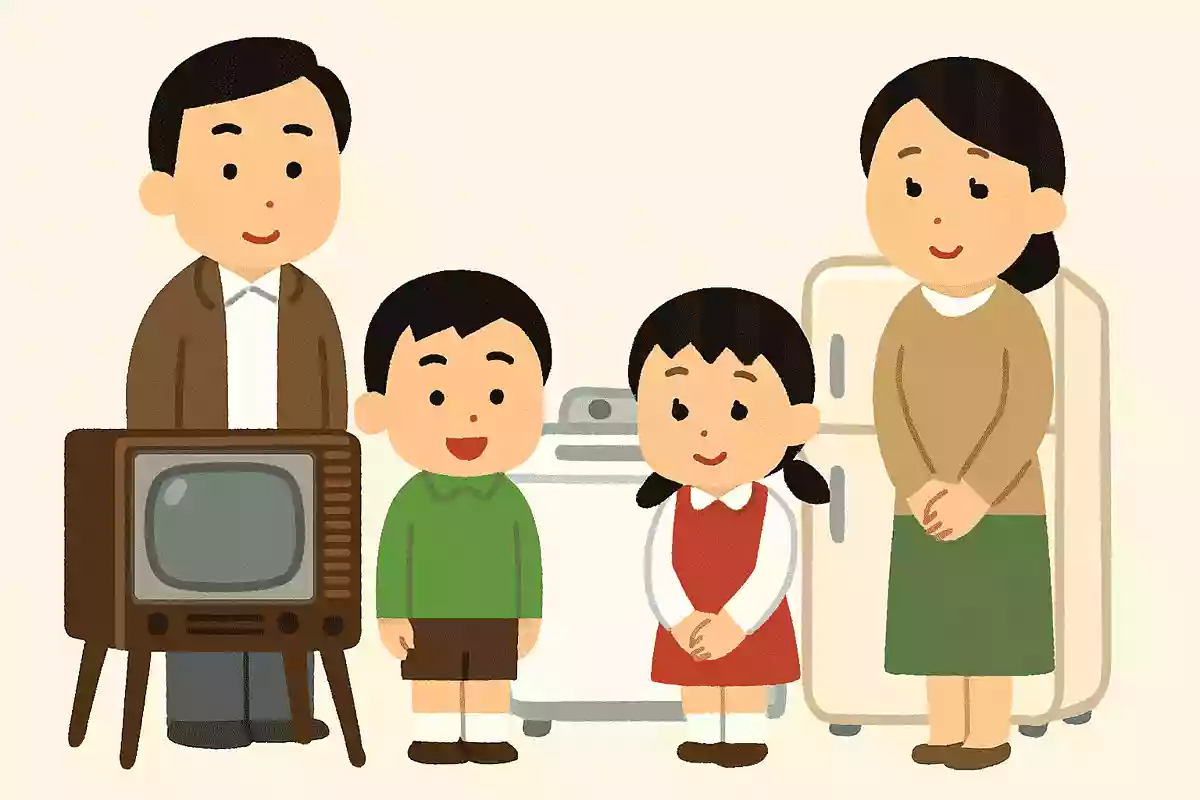
Looking at Japan in the postwar years of the Showa era, it was a time when technology and culture developed rapidly.
The household appliances that became symbols of Japan’s growth and spread in the early Showa 25s (around 1950) were the black-and-white television, the washing machine, and the refrigerator—what were these three collectively called? Since all of these appliances are related to daily life, they came to be valued as indispensable for everyday living.
The answer is the “Three Sacred Treasures.” As time went on, a new set of Three Sacred Treasures with a different lineup also emerged.

From a TV drama in 1958 (Showa 33), the hero ○○ Kamen appeared. This hero, who was popular among children at the time, is which ‘-Kamen’?

Speaking of heroes born from television dramas in 1958 (Showa 33), it has to be Gekko Kamen, who enjoyed overwhelming popularity among children at the time! Known as the pioneer of Japanese hero shows, its style—combining period-drama elements with detective storytelling—is said to have had a major influence on the hero programs that followed.
Gekko Kamen is a champion of justice who gallantly appears on a white motorcycle and fights evil organizations alongside the police.
It’s said that, inspired by this image, people later began calling police motorcycle units “Gekko Kamen.”

How much was 1 US dollar in Japan between 1949 (Showa 24) and 1971 (Showa 46) after the war?

Do you know how much one US dollar was in Japan from 1949 to 1971 in the postwar Showa era? The answer is 360 yen to the dollar! This rate was set by the U.S.
GHQ with the goal of stabilizing and enabling Japan’s postwar self-reliance.
Later, Japan moved to a floating exchange rate system in February 1973, and by 2023 (Reiwa 5), one dollar was about 145 yen.
Some older adults may be very knowledgeable about economics.
Experiencing Japan’s changes through quizzes could spark memories of areas they were once well-versed in.
Showa Era Culture, Trends, and Lifestyle Quiz (11–20)
In 1984 (Showa 59), a certain animal came from Australia. What is this animal that remains popular today?

One of the charms of zoos is that you can see creatures that don’t live in Japan or that you’d never encounter in the wild.
Animals coming to Japan for the first time are often featured in the news, and in 1984 (Showa 59) a particular animal drew a lot of attention.
What was the animal that arrived from Australia as a goodwill ambassador? The fact that it came from Australia is a big hint.
The answer is “koala.” Six koalas were exhibited at Tama Zoological Park in Tokyo, Higashiyama Zoo in Nagoya, and Hirakawa Zoological Park in Kagoshima.
On the tables of cafés and eateries in the Showa era, there were small roulette-style vending machines. What kind of vending machines were they?
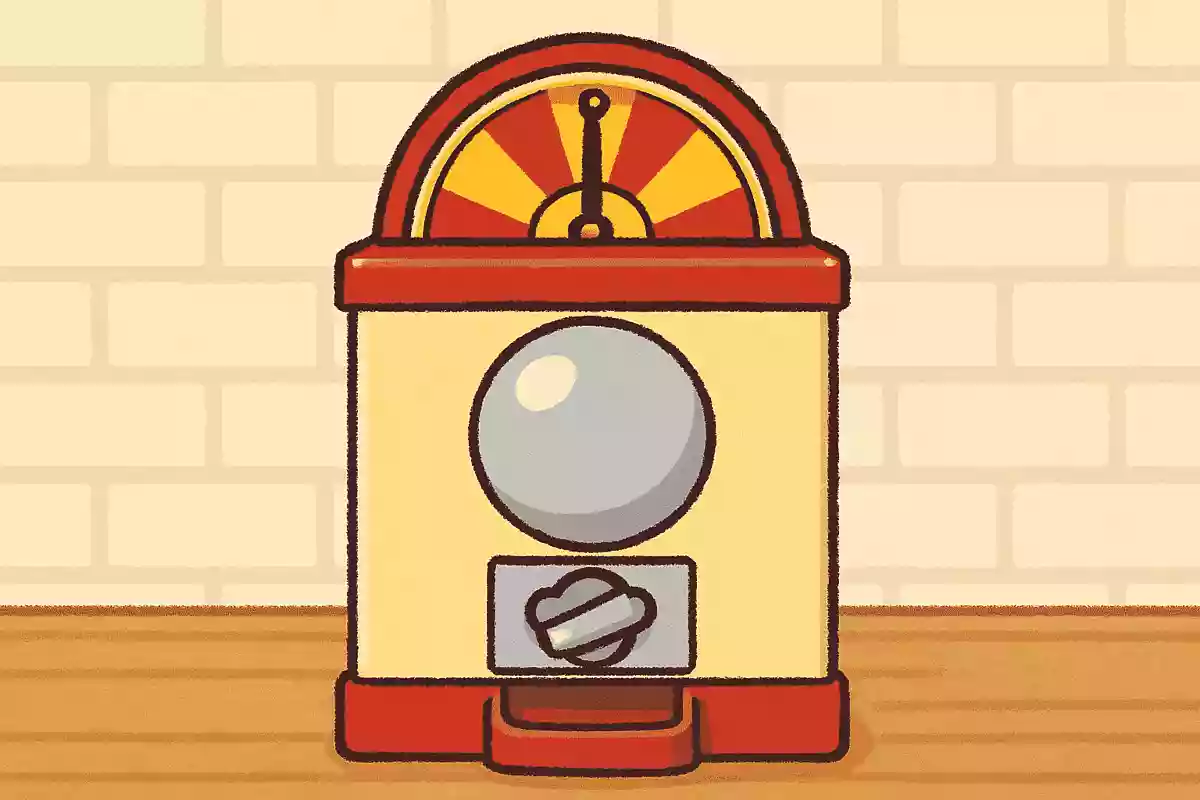
Back in the Showa era, many coffee shops and eateries had small roulette-style vending machines on their tables.
And what did they dispense? Fortune-telling results! You’d insert a coin and pull the lever, the roulette inside would spin, and a rolled-up slip of paper would come out.
In the late Showa 50s (the late 1970s to early 1980s), thanks to the combined boom of horoscopes and coffee shops, annual production of these mini machines reportedly exceeded 200,000 units.
I even remember seeing them in old Chinese restaurants after the Heisei era began, but nowadays they’ve become a rare sight.
What kind of meat was commonly served in school lunches—such as in tatsuta-age—until around the late 1970s to early 1980s (Showa 50s)?

Food culture changes with the times, and certain culinary traditions unique to the Showa era have become part of history.
Among those Showa-era food traditions, there was a type of meat that was commonly served in school lunches—often as tatsuta-age—until around the late 1970s.
If you think of something large enough to meet a rapidly growing population and something that later became regulated, some people might guess it.
The answer is whale meat.
Even among those who ate it frequently, opinions on it are divided.
Around 1955 (Showa 30), what were the cafes in Japanese urban areas—where everyone sang together—called?
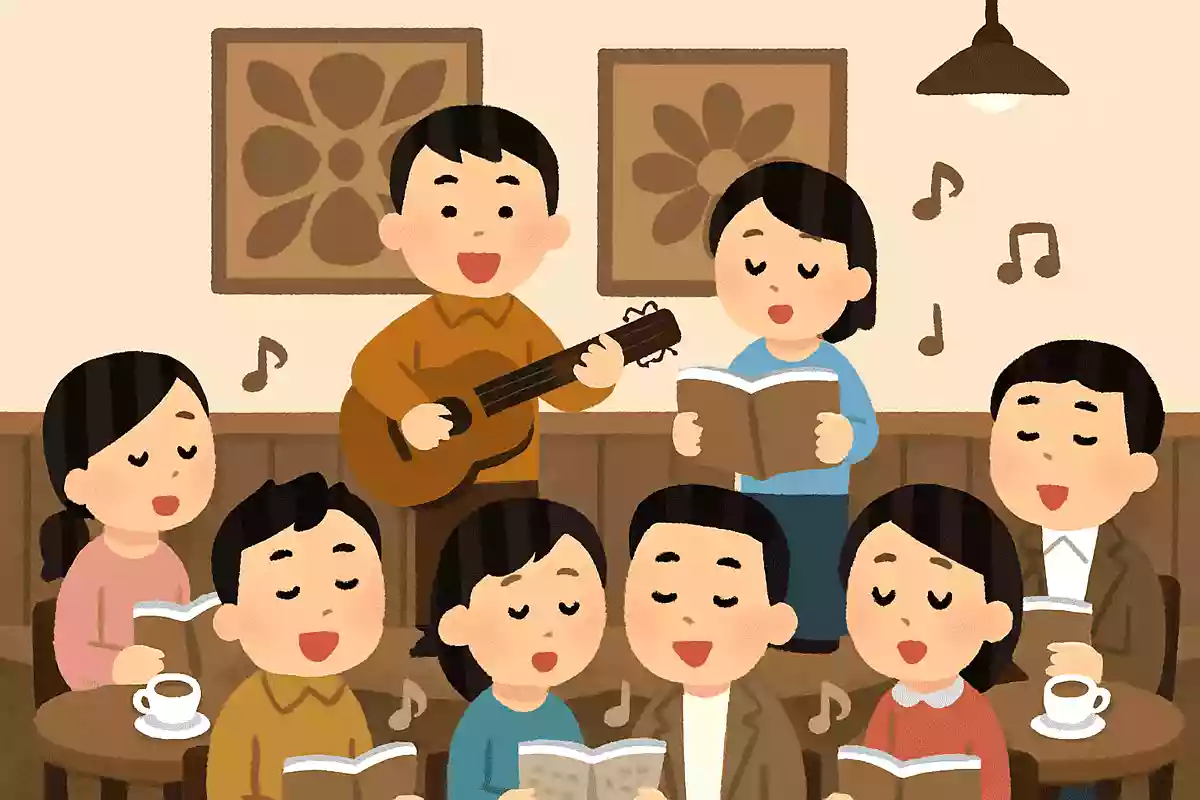
Songs that have always been close to people’s hearts are loved in various ways depending on the era.
Before karaoke boxes appeared, what were the cafes called—popular around the mid-1950s and spreading mainly in Japanese cities—where everyone would sing together? The name clearly evokes the scene of people layering their voices along with various instruments.
The answer is “utagoe kissa” (singing voice cafes).
It is said that as people layered their voices, a sense of solidarity grew, which had a significant impact on student and labor movements.