

[For Seniors] Spring-themed quizzes: Fun trivia questions that help prevent dementia while you solve them

When you feel the arrival of spring, conversations naturally blossom with seasonal topics like flowers, wildlife, and food.
We’ve put together a collection of quizzes all about the warm spring season.
From flower names and famous cherry blossom spots to spring-only vegetables and traditional Japanese sweets, there’s a wide variety of questions—perfect for recreation and brain training for seniors.
Why not solve the quizzes together while enjoying conversation with those around you? Through spring-themed quizzes, you might discover something new even in familiar scenery.
Feel free to give them a try!
- [For Seniors] Fun and Lively! Recommended Quiz Questions
- [For Seniors] Hina Matsuri (Girls’ Day) Trivia Quiz & Fun Facts. Recommended for Dementia Prevention Activities
- [Brain Training] Lively Word Quiz for Seniors
- [For Seniors] Spring Haiku. Spring Activity
- [For Seniors] Nostalgic quizzes that bring back memories! Showa-era entertainment and sports questions
- [For Seniors] Never Run Out of Conversation Starters! A Collection of Fun Facts About April and Spring
- Spring Event Quiz for Seniors to Enjoy in March
- [For Seniors] Brain Training! Recall Quiz Collection!
- [For Seniors] Fun and Educational True-or-False Quiz
- [For Seniors] Introducing March Trivia!
- [For Seniors] Quizzes related to April. Perfect for brain training.
- [For Seniors] Haiku for March: Enjoying a Spring Moment with Famous Verses
- [For seniors] April haiku. Exciting
[For Seniors] Spring-themed Quiz: Fun Trivia Questions That Help Prevent Dementia (1–10)
Which of the following is the color of cherry blossoms that actually exists?NEW!
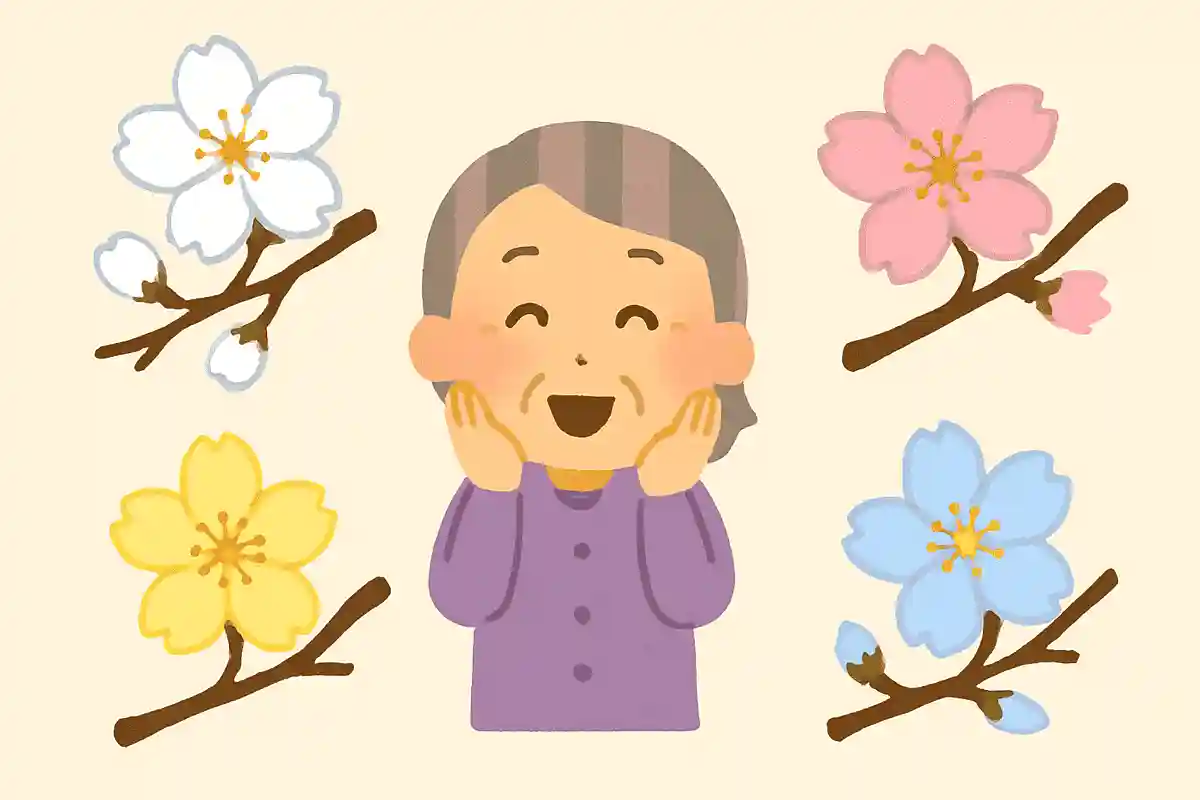
- green
- blue
- purple
See the answer
green
When we think of cherry blossoms, many people imagine pale pink or white, but in fact there is a rare variety called “Gyoikō” that blooms with green flowers. At the beginning of blooming, they are a refreshing light green, distinguished by red streaks at the center. As the petals approach the time to fall, the entire flower takes on a slight reddish hue, allowing you to enjoy the change in color.

Which of the following fruits are in season in spring?NEW!
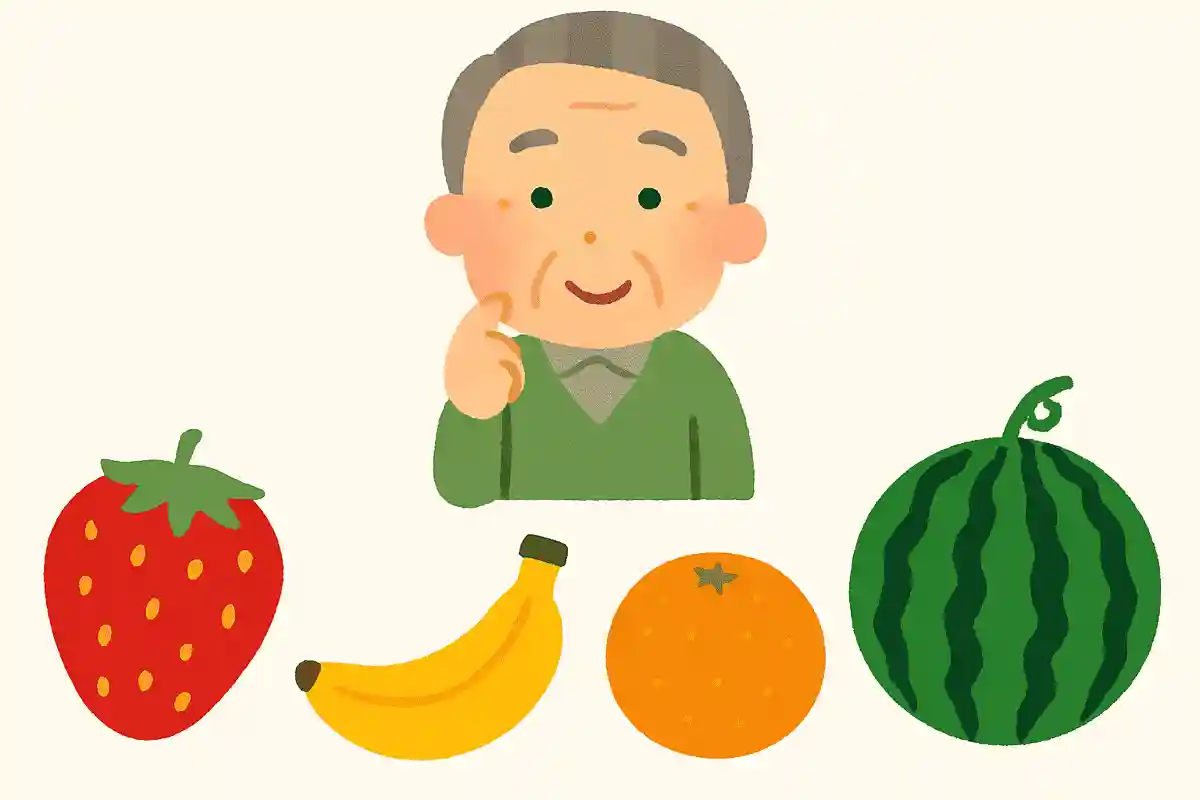
- persimmon
- watermelon
- summer orange
See the answer
summer orange
The correct answer is natsumikan! Because it has “natsu” (summer) in its name, people often assume it’s in season in summer, but in fact the best time to enjoy it is around April to May in spring. The fruit ripens from autumn to winter, but at that time it’s too sour to be tasty. By leaving the fruit on the tree over winter and letting it soak up the warm spring sunshine, the sharp acidity mellows and turns into a gentle sweetness.
Which type of cherry tree are the leaves used for sakuramochi from?NEW!
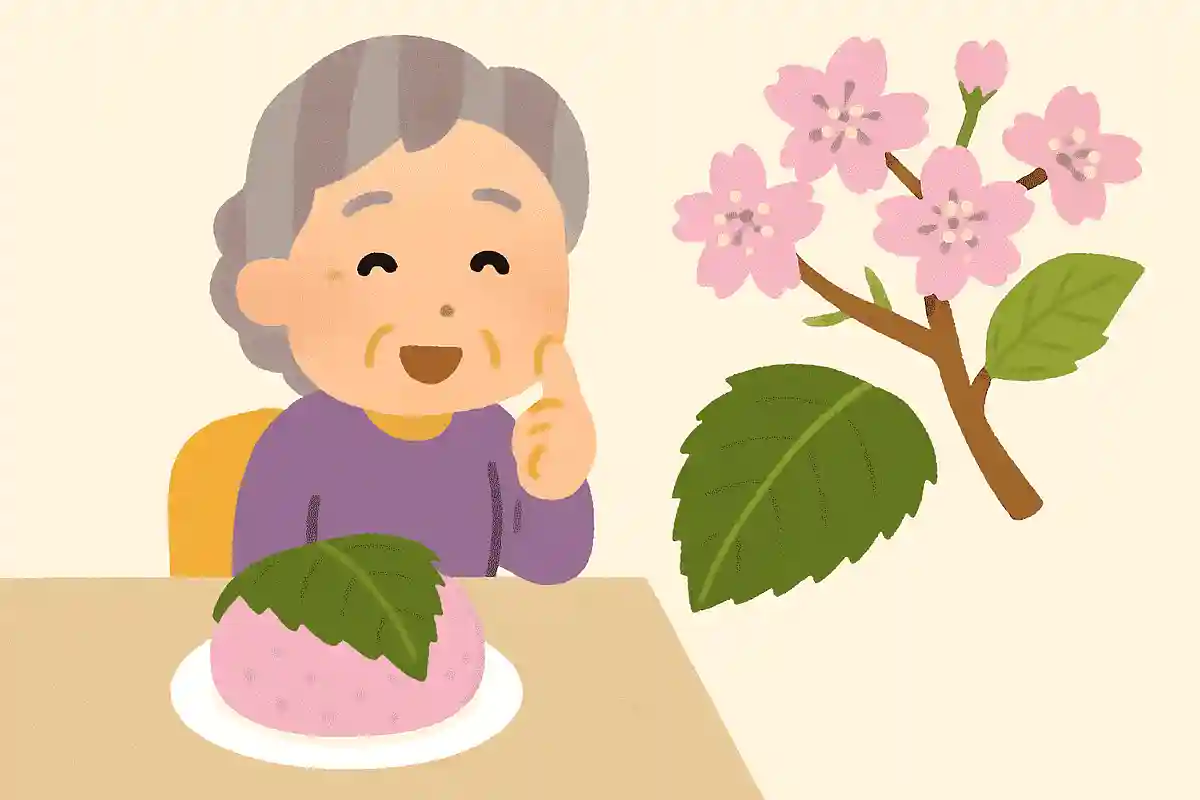
- Oshima cherry
- weeping cherry (tree)
- Somei Yoshino (Yoshino cherry)
See the answer
Oshima cherry
The correct answer is Oshima cherry. Compared to the leaves of other cherry trees, Oshima cherry leaves are larger and softer, with fewer fine hairs on the surface, giving them a pleasant mouthfeel and making them very suitable for eating. Moreover, when the leaves are salted, a distinctive aromatic compound called coumarin is brought out, creating that wonderful spring fragrance of sakuramochi.
[For Seniors] Spring-themed Quiz: Fun Trivia Puzzles That Also Help Prevent Dementia (11–20)
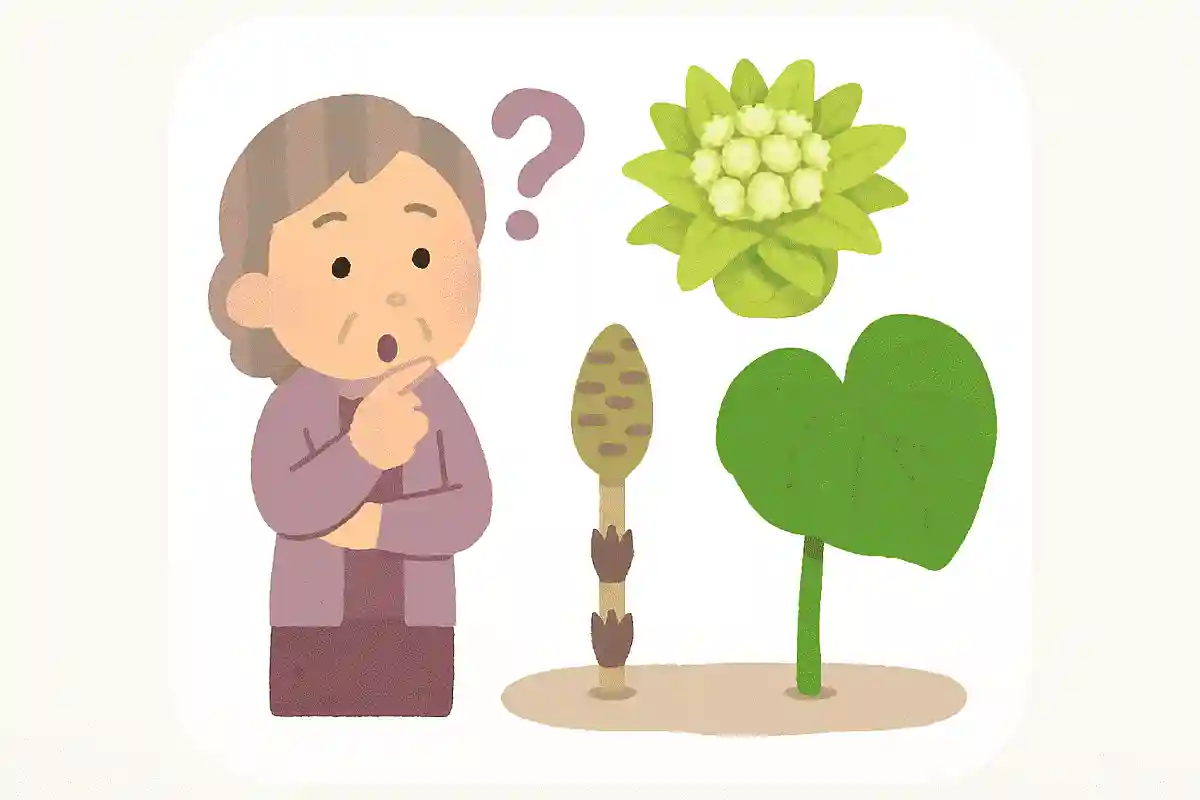
What part of the butterbur plant does fukinoto refer to?NEW!
- stem
- leaf
- bud
See the answer
bud
Fukinoto, which is cherished as a quintessential wild vegetable that heralds the arrival of spring, is the flower bud of the plant known as fuki (Japanese butterbur). As the snow melts, it peeks out from the ground, and after this fukinoto grows and blooms, the long green stalks that emerge separately from the underground stems are what we commonly see in supermarkets and cook in dishes like simmered foods—the green “fuki” itself.
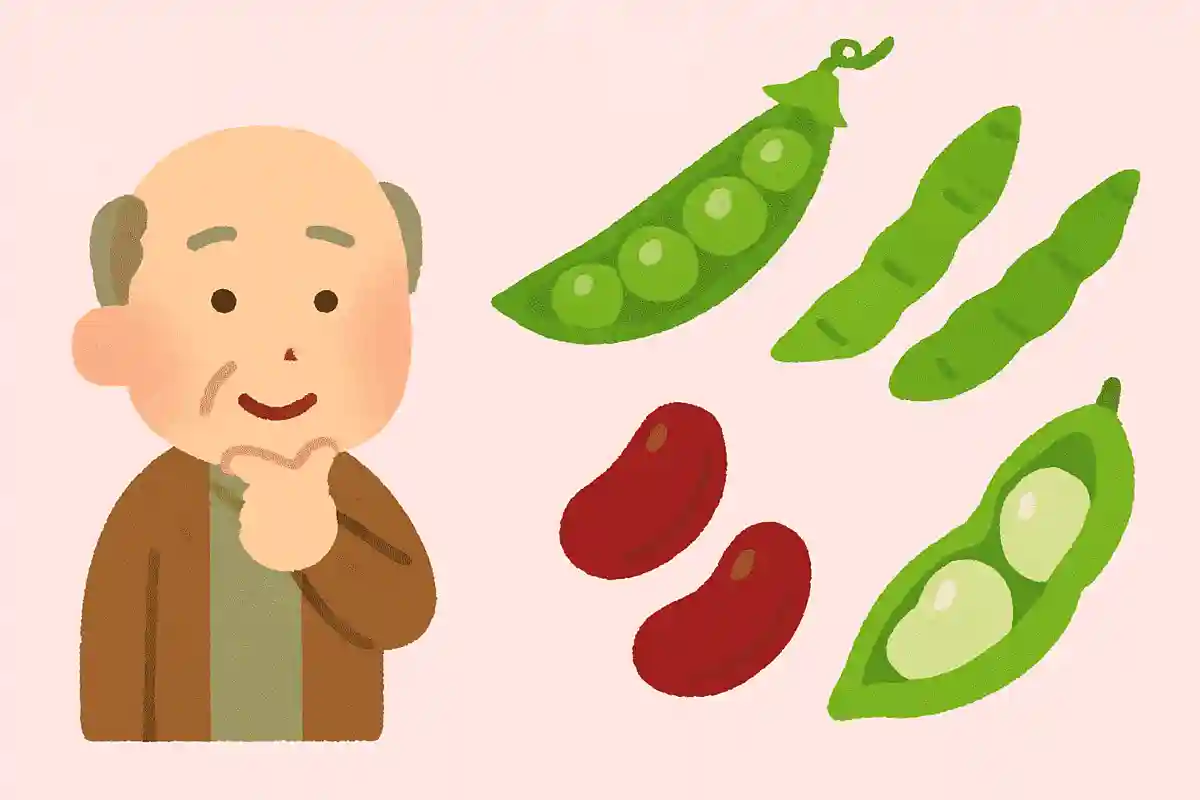
Green peas are harvested while a certain bean is still growing. Which of the following beans is it?NEW!
- peanut
- green pea
- kidney beans
See the answer
green pea
Green peas, which are in season from spring to early summer, are harvested before the peas fully mature, while the pods are still green and unripe. Incidentally, those picked even earlier—when the peas inside are still small and the pods can be eaten whole—are called “sayaendo” (snow peas).
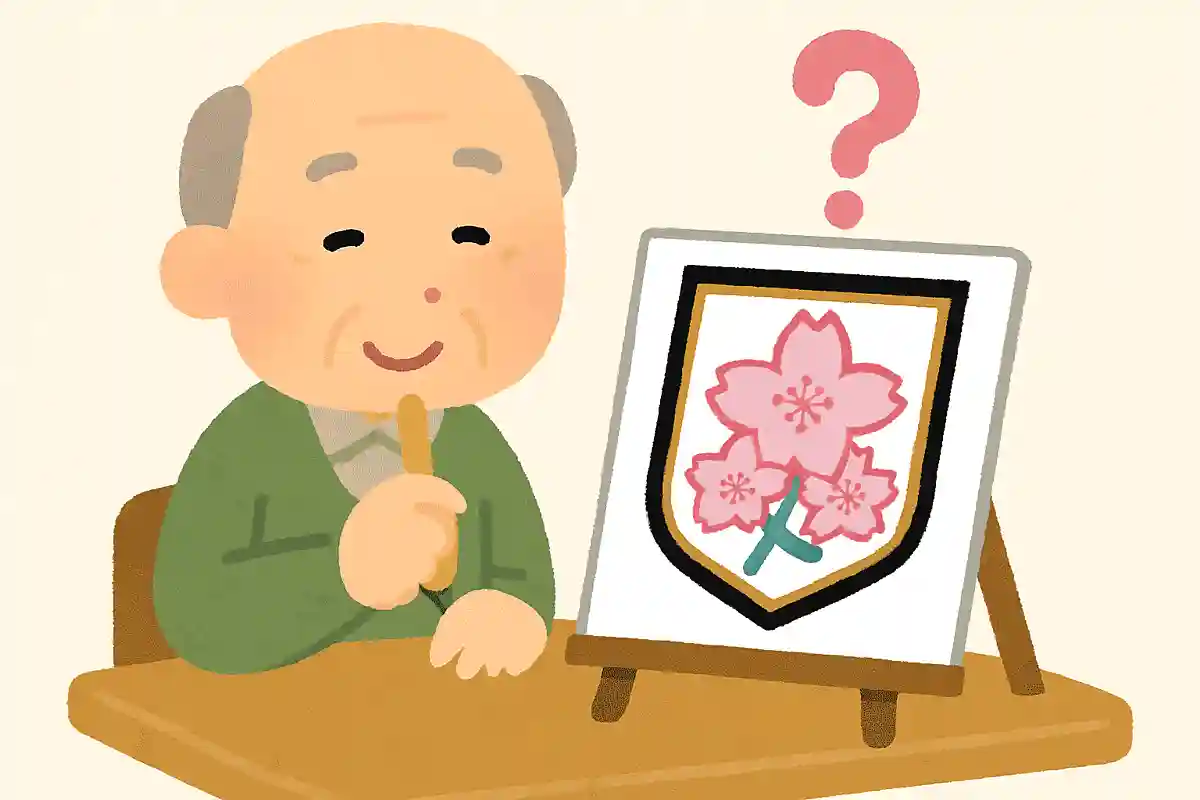
Which sport uses a cherry blossom in Japan’s national team emblem?NEW!
- Rugby
- soccer
- Basketball
See the answer
Rugby
The emblem of Japan’s national rugby team features the cherry blossom, a symbol of spring. This cherry blossom emblem is also the origin of the team’s nickname, “Brave Blossoms,” and is beloved around the world. It is said that the choice of the cherry blossom reflects the Bushido spirit: to fight with honor and to fall with grace.
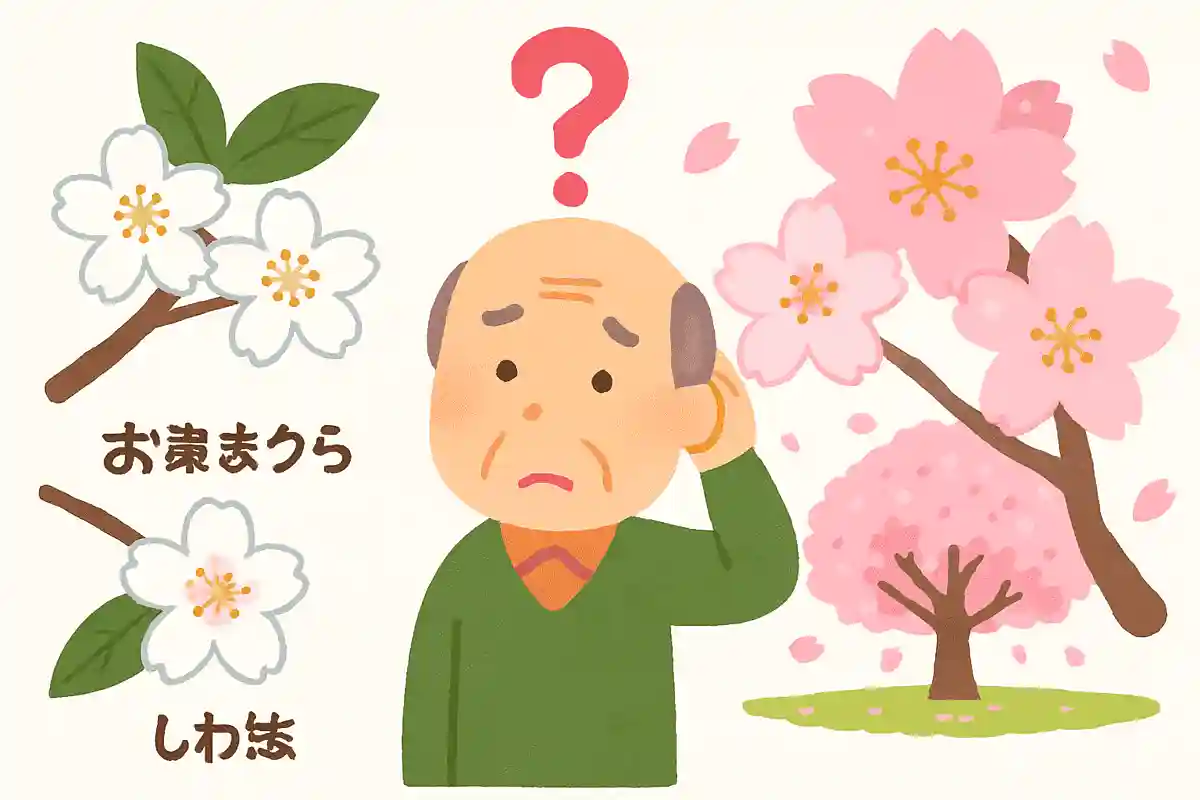
What species was the Somei Yoshino cherry cultivar created by crossing with the Oshima cherry (Prunus lannesiana var. speciosa)?NEW!
- Yamazakura (Japanese mountain cherry)
- weeping cherry (tree)
- Edohigan cherry
See the answer
Edohigan cherry
Somei Yoshino is said to have been created toward the end of the Edo period by the gardeners of Somei Village through crossbreeding Oshima-zakura and Edo-higan. It beautifully combines the traits of Edo-higan, which blooms before its leaves emerge, and Oshima-zakura, which has large, beautiful flowers.