

[For Seniors] Spring-themed quizzes: Fun trivia questions that help prevent dementia while you solve them


When you feel the arrival of spring, conversations naturally blossom with seasonal topics like flowers, wildlife, and food.
We’ve put together a collection of quizzes all about the warm spring season.
From flower names and famous cherry blossom spots to spring-only vegetables and traditional Japanese sweets, there’s a wide variety of questions—perfect for recreation and brain training for seniors.
Why not solve the quizzes together while enjoying conversation with those around you? Through spring-themed quizzes, you might discover something new even in familiar scenery.
Feel free to give them a try!
- [For Seniors] Fun and Lively! Recommended Quiz Questions
- [For Seniors] Hina Matsuri (Girls’ Day) Trivia Quiz & Fun Facts. Recommended for Dementia Prevention Activities
- [Brain Training] Lively Word Quiz for Seniors
- [For Seniors] Spring Haiku. Spring Activity
- [For Seniors] Nostalgic quizzes that bring back memories! Showa-era entertainment and sports questions
- [For Seniors] Never Run Out of Conversation Starters! A Collection of Fun Facts About April and Spring
- Spring Event Quiz for Seniors to Enjoy in March
- [For Seniors] Brain Training! Recall Quiz Collection!
- [For Seniors] Fun and Educational True-or-False Quiz
- [For Seniors] Introducing March Trivia!
- [For Seniors] Quizzes related to April. Perfect for brain training.
- [For Seniors] Haiku for March: Enjoying a Spring Moment with Famous Verses
- [For seniors] April haiku. Exciting
[For Seniors] Spring-Themed Quiz: Fun Trivia Questions That Also Help Prevent Dementia (51–60)
Who is the protagonist of the old folktale that became the motif for the May dolls?
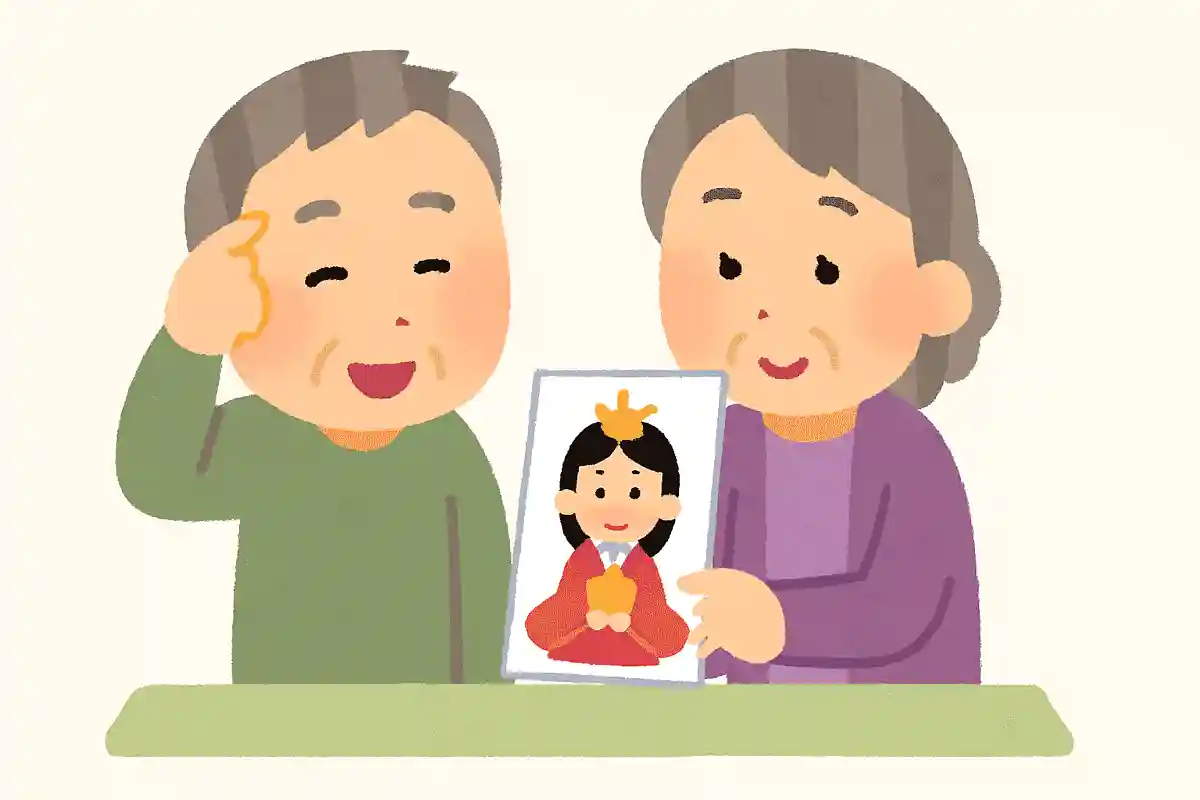
Children’s Day is one of the holidays that arrives in May; we display carp streamers and samurai dolls while wishing for children’s growth.
So, what are the motifs behind those samurai dolls, the iconic decorations of Children’s Day? Here’s a big hint: it comes from a folktale.
Let’s think of something that fits the strong, powerful image of these dolls.
The answer is Kintaro.
His story—living energetically alongside animals—made him a symbol of health, and from there, the dolls came to be used as a way to pray for children’s well-being.

When is it considered best to avoid putting out the May dolls?
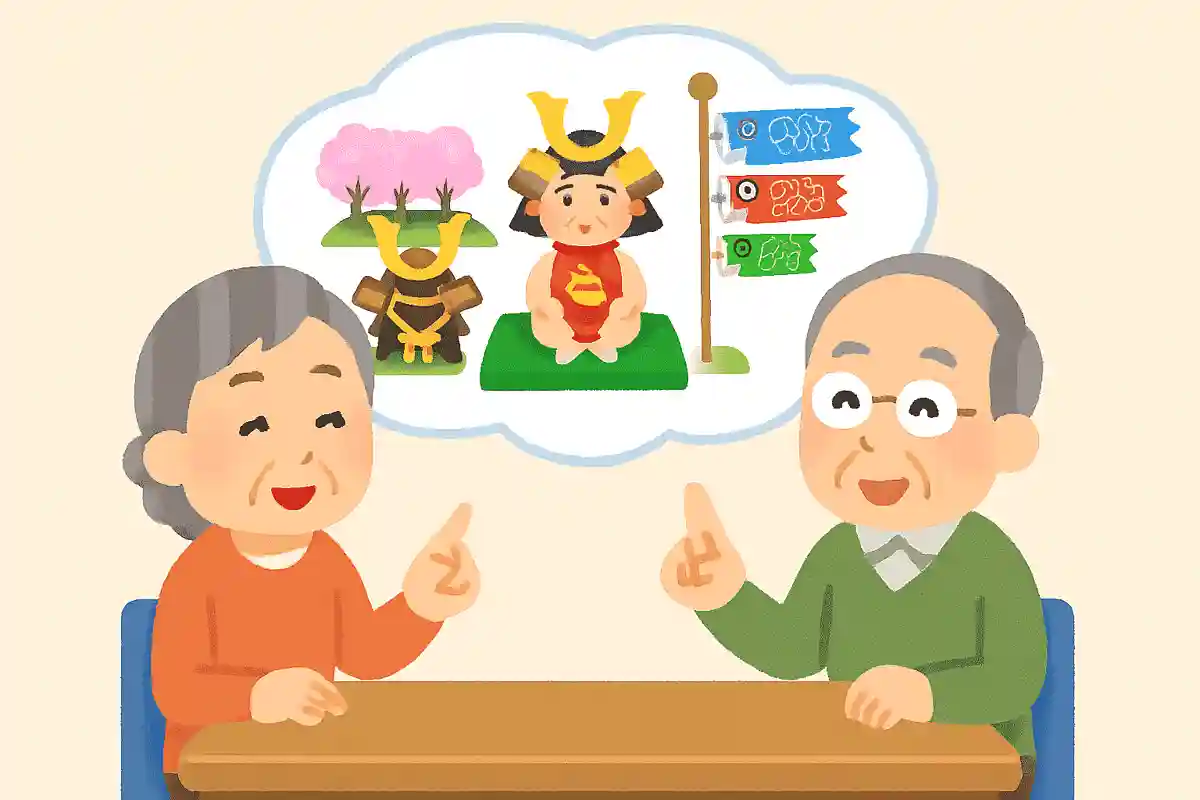
Gogatsu-ningyo, the traditional decorations for Children’s Day, are imbued with the wish for children to grow up healthy.
So, when is the time you should avoid putting them out? The hint lies in Japan’s notions of bad luck—especially those inescapable unlucky observances and how they’re scheduled.
The answer is the day before Children’s Day.
Hastily preparing everything at the last minute evokes a funeral, which is considered inauspicious, so it’s best to display them before then.
It’s also avoided because rushing suggests a lack of sincerity toward the Gogatsu-ningyo.
How do you read the surname “四月一日”?
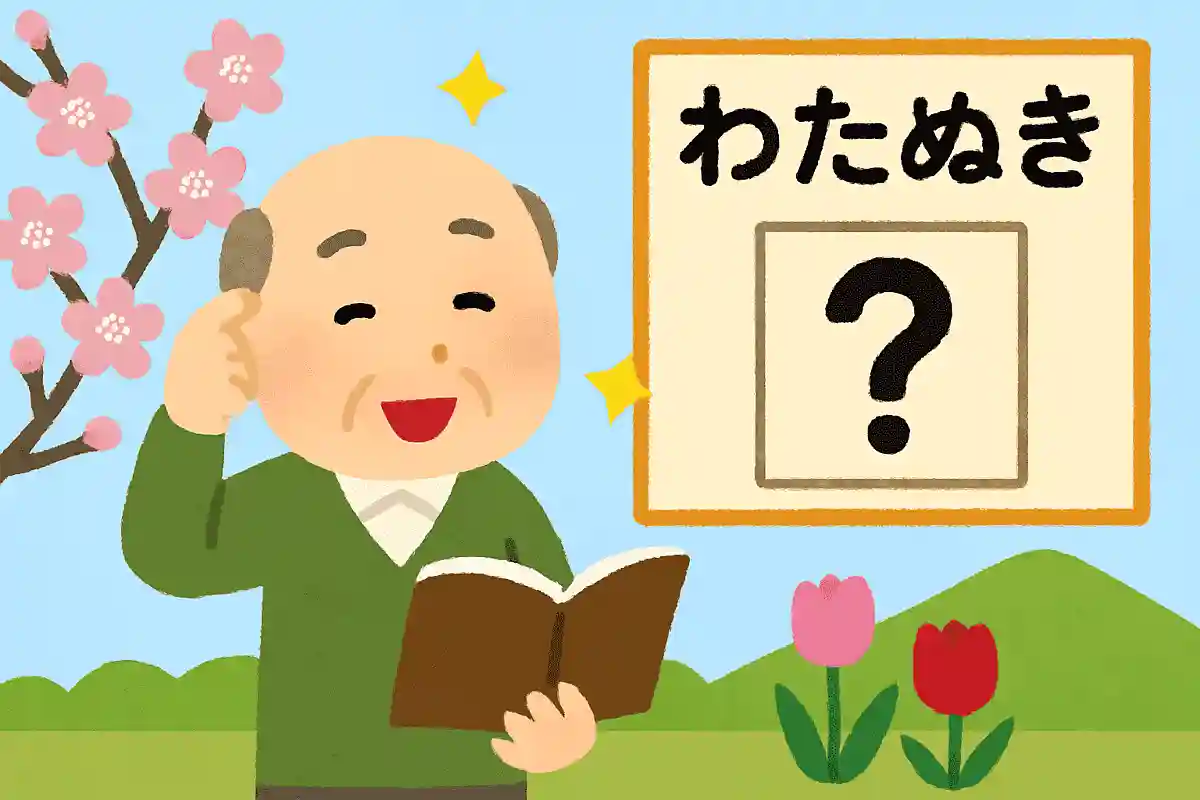
When April comes, we often get a spell of pleasantly warm weather, don’t we? So here are some fun facts related to the springtime mood.
There are people whose surname is written with the characters for “April 1” (四月一日) and read as Watanuki.
It’s an unusual surname, but it has an origin that’s very fitting for April.
As it gets warmer in April, people used to switch from winter kimono padded with cotton to ones with the cotton removed.
Because the cotton (wata) was taken out (nuku) on April 1, the name became Watanuki.
Japan has many other rare surnames as well.
It might be fun to look for them together with older people.

Japan’s three most famous teas are Uji tea, Sayama tea, and what is the third tea?
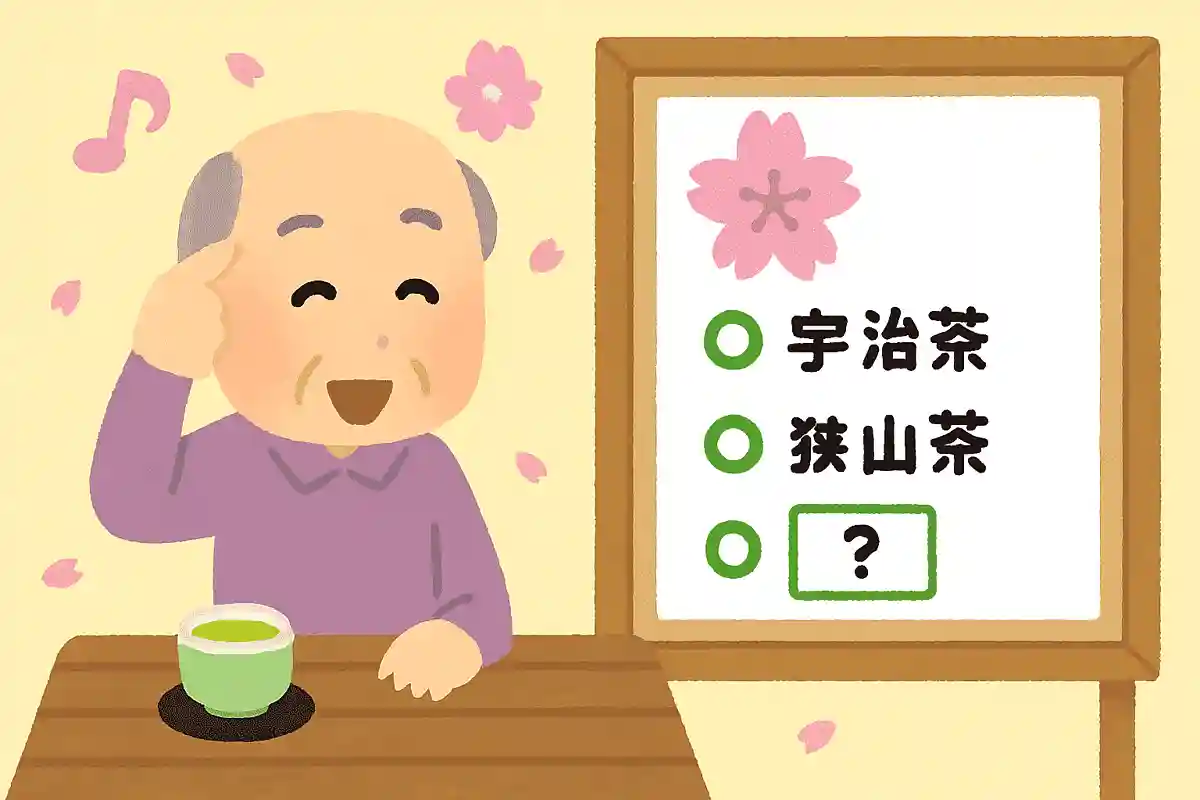
Tea is cherished throughout Japan, and there are regions renowned as production areas.
Among teas produced in these famed regions, the three most celebrated are known as the “Three Great Teas”: Uji tea, Sayama tea, and—what is the third one? Since these are teas from the three major production regions, you might figure it out just by thinking of a place strongly associated with tea.
The answer is Shizuoka tea from Shizuoka Prefecture.
As the tea-plucking song passes down: “In color, Shizuoka; in aroma, Uji; and in taste, Sayama.” It’s a historic tea, also known for being a favorite of Tokugawa Ieyasu.
[For Seniors] Spring-themed quiz: Fun trivia questions that help prevent dementia while you solve them (61–70)
In which season are the seeds for spring cabbage sown?
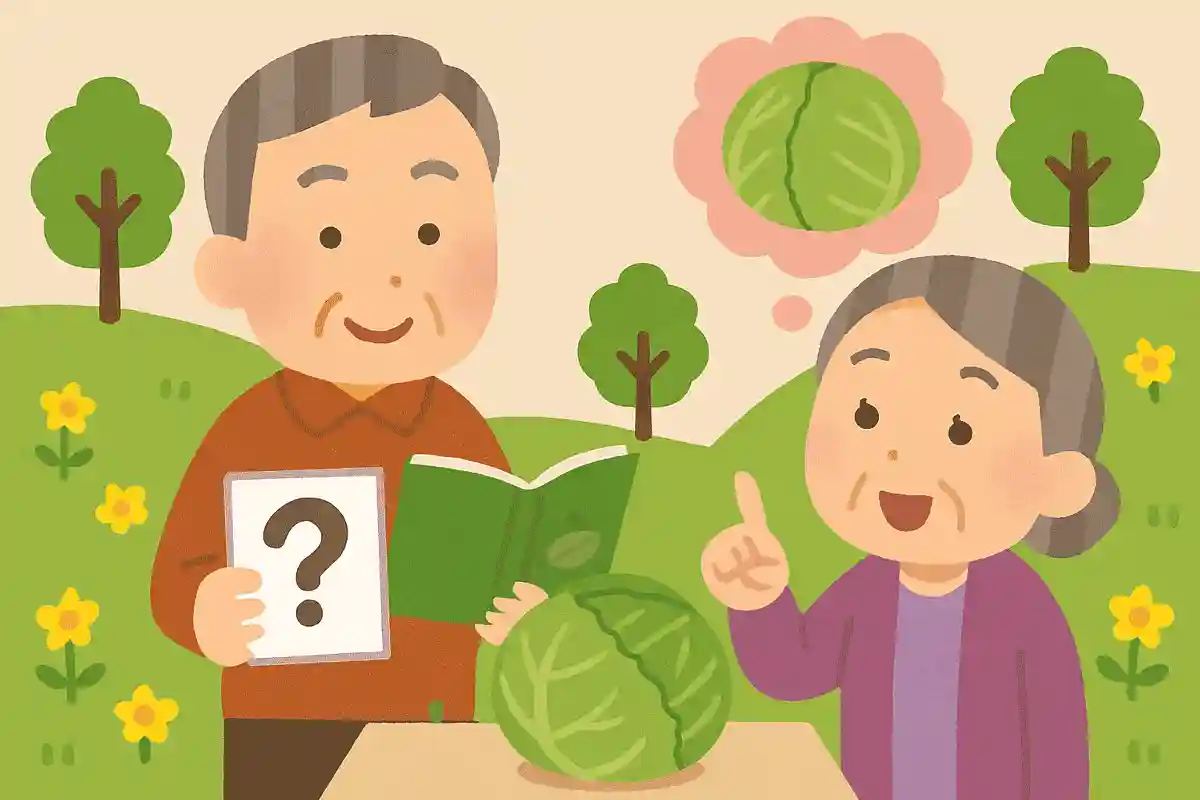
Neo Ruby SP, Suzusora, Ayari, Okina SP—do you know what they represent? In fact, they’re all varieties of cabbage.
If you’ve thought, “Aren’t all cabbages the same?” try searching them and take a look at their colors and shapes.
What’s commonly called “spring cabbage” actually refers to cabbage that’s sown in the autumn and grown from there.
Instead of a vivid green, it tends to be more yellowish-green, and the leaves are tender.
If you stir-fry it with ham and cheese, it can be a main-worthy side dish.
It’s also delicious raw with dressing!
What blossoms are used as the standard for declaring the start of cherry blossom season in Tokyo?
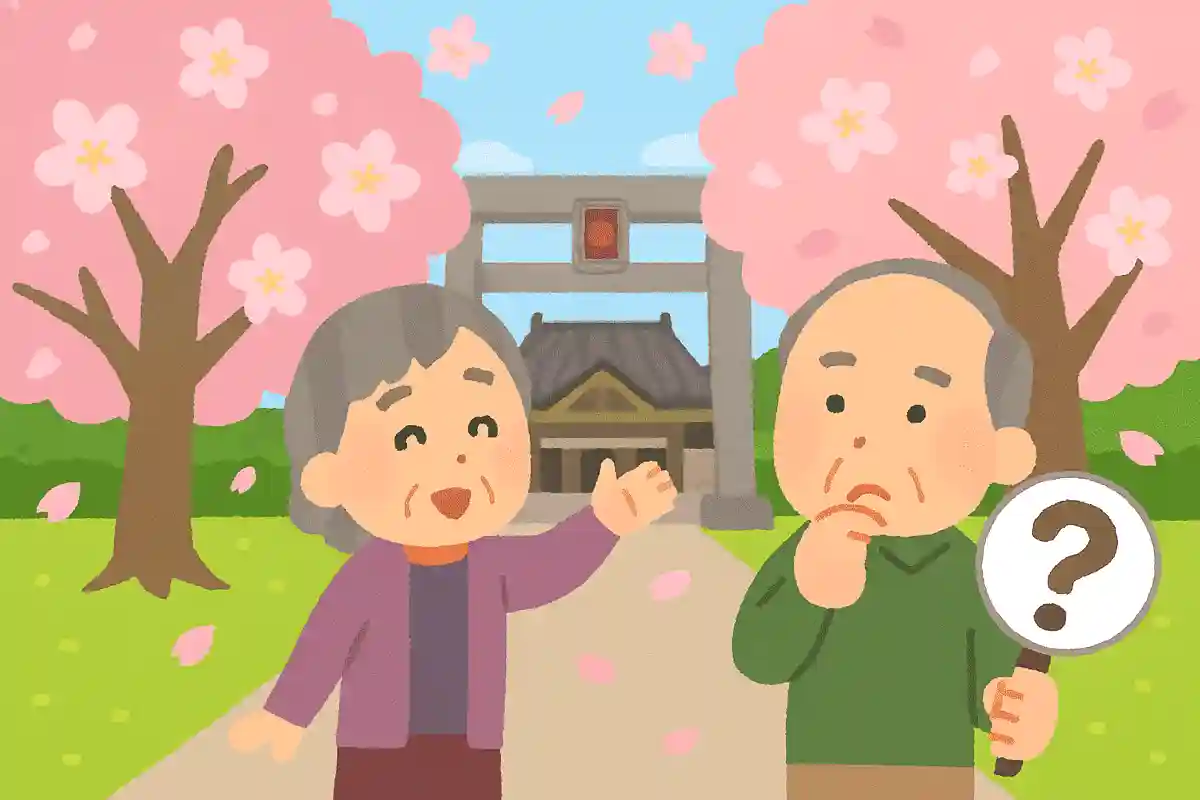
When you think of spring, what’s the first thing that comes to mind? Graduation ceremonies, company entrance ceremonies, the Doll Festival, Golden Week—but isn’t cherry-blossom viewing the number one event? In Japan, where there are fewer parties compared to the West, it’s a precious party occasion.
But how is the official cherry blossom “blooming declaration” decided? In fact, Tokyo’s declaration is based on a specific cherry tree at Yasukuni Shrine.
Each prefecture has a designated “standard tree,” and officials judge the bloom status by visually inspecting these trees.
Apparently, if about five or six blossoms open, it’s considered to have bloomed.
Surprisingly few, right?
What do you call the first warm and strong southerly wind of the year that blows between the beginning of spring (Risshun) and the spring equinox?
Personally, I have the impression that strong gusts often blow in spring—how about you? The so-called “haru-ichiban” is something I vaguely think of as “a strong wind that blows in spring,” but borrowing the Japan Meteorological Agency’s wording, it’s defined as “a warm, somewhat strong southerly wind observed over a wide area between the beginning of spring (Risshun) and the spring equinox.” In fact, this haru-ichiban is sometimes followed by what people call haru-niban, haru-sanban, and so on.
However, these aren’t official JMA terms; they’re more at the level of expressions used on news programs.
I mean, if someone said “haru-gojuuban (spring number 50),” you’d be like… really?