

[For Seniors] Spring-themed quizzes: Fun trivia questions that help prevent dementia while you solve them


When you feel the arrival of spring, conversations naturally blossom with seasonal topics like flowers, wildlife, and food.
We’ve put together a collection of quizzes all about the warm spring season.
From flower names and famous cherry blossom spots to spring-only vegetables and traditional Japanese sweets, there’s a wide variety of questions—perfect for recreation and brain training for seniors.
Why not solve the quizzes together while enjoying conversation with those around you? Through spring-themed quizzes, you might discover something new even in familiar scenery.
Feel free to give them a try!
- [For Seniors] Fun and Lively! Recommended Quiz Questions
- [For Seniors] Hina Matsuri (Girls’ Day) Trivia Quiz & Fun Facts. Recommended for Dementia Prevention Activities
- [Brain Training] Lively Word Quiz for Seniors
- [For Seniors] Spring Haiku. Spring Activity
- [For Seniors] Nostalgic quizzes that bring back memories! Showa-era entertainment and sports questions
- [For Seniors] Never Run Out of Conversation Starters! A Collection of Fun Facts About April and Spring
- Spring Event Quiz for Seniors to Enjoy in March
- [For Seniors] Brain Training! Recall Quiz Collection!
- [For Seniors] Fun and Educational True-or-False Quiz
- [For Seniors] Introducing March Trivia!
- [For Seniors] Quizzes related to April. Perfect for brain training.
- [For Seniors] Haiku for March: Enjoying a Spring Moment with Famous Verses
- [For seniors] April haiku. Exciting
[For Seniors] Spring-themed quiz: Fun trivia questions that help prevent dementia while you solve them (31–40)
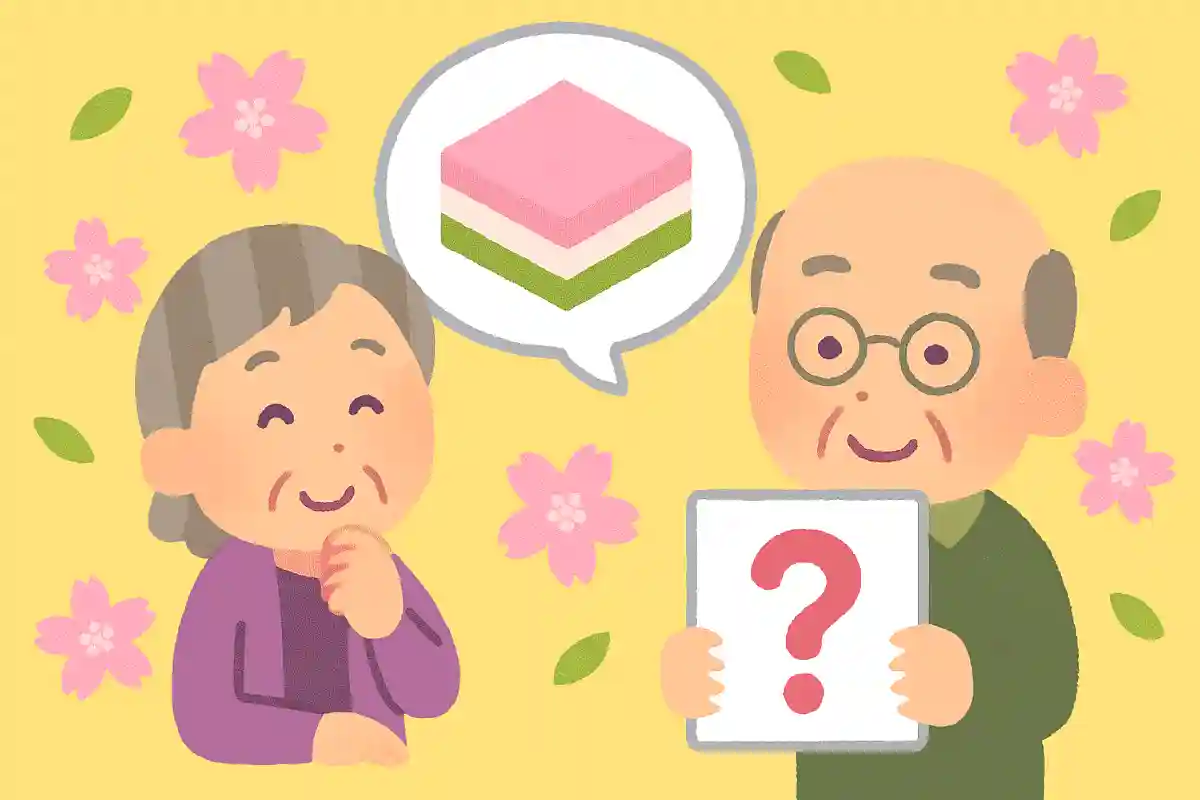
The white of hishi mochi represents snow, the green represents fresh greenery, but what does the pink represent?
- cherry blossoms
- plum blossoms
- peach blossoms
See the answer
peach blossoms
The pink color of hishi-mochi is made using gardenia fruit, which has detoxifying properties.

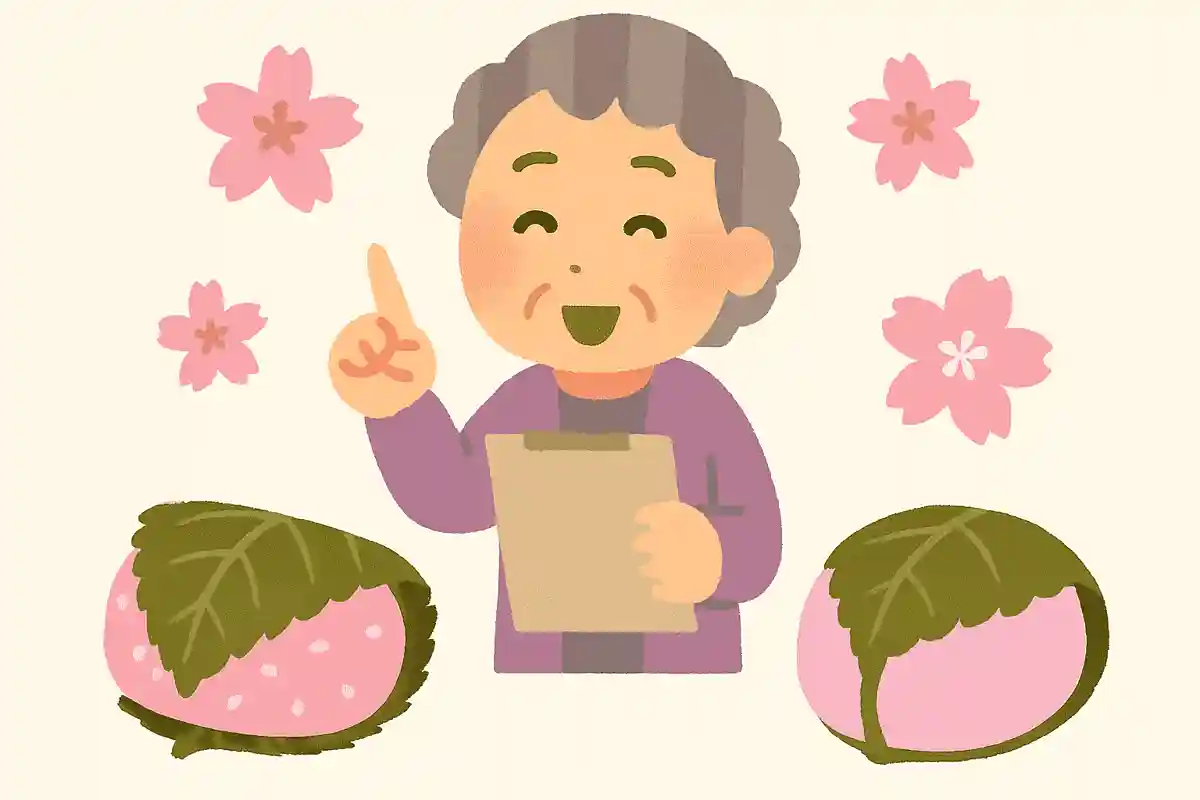
How many types of sakura mochi are there?
- two types
- 20 types
- 47 types
See the answer
two types
There are two types: the Kanto-style “Chomeiji,” which wraps sweet red bean paste in a crepe-like dough, and the Kansai-style “Domyoji,” which is shaped like a manju (steamed bun).
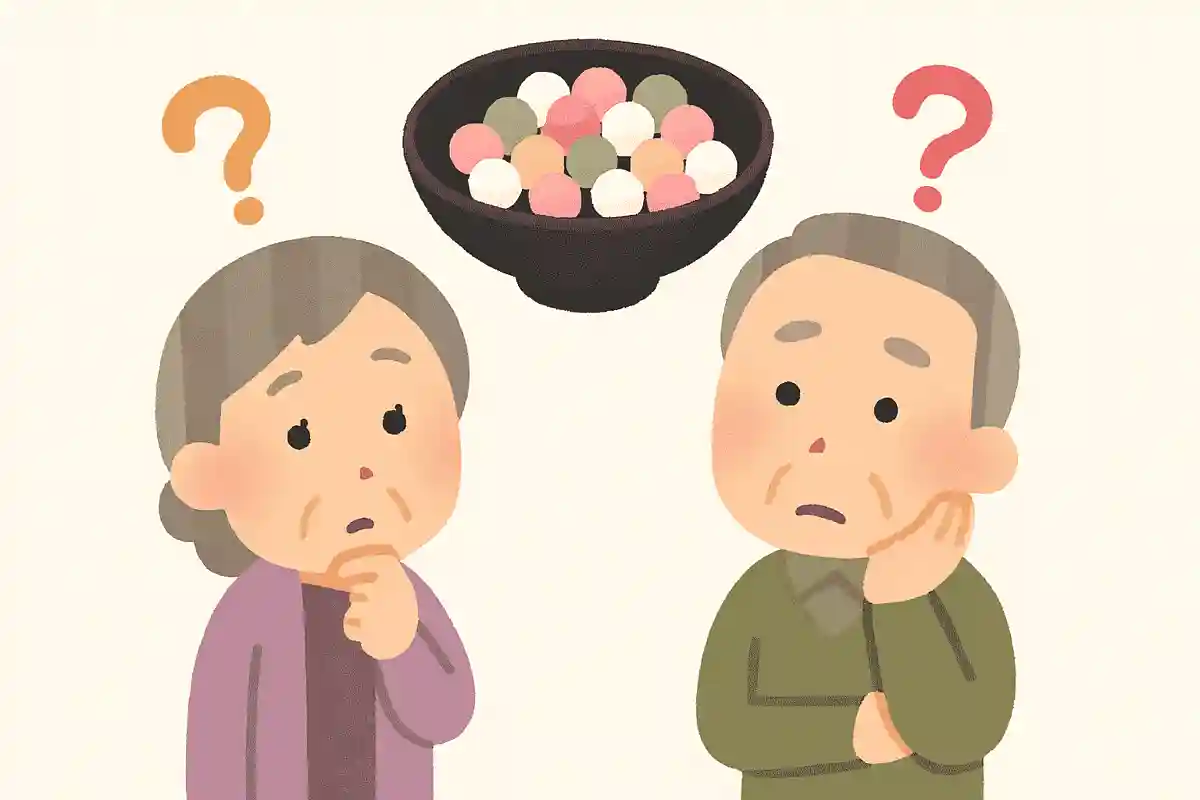
What were hina-arare, eaten during the Doll’s Festival, originally made by crushing?
- hishi mochi (diamond-shaped layered rice cake)
- kagami mochi (traditional Japanese New Year rice cake decoration)
- Sakura mochi
See the answer
hishi mochi (diamond-shaped layered rice cake)
It is said that hina-arare originated from hishi-mochi that was crushed and roasted to make it easier to eat outdoors.
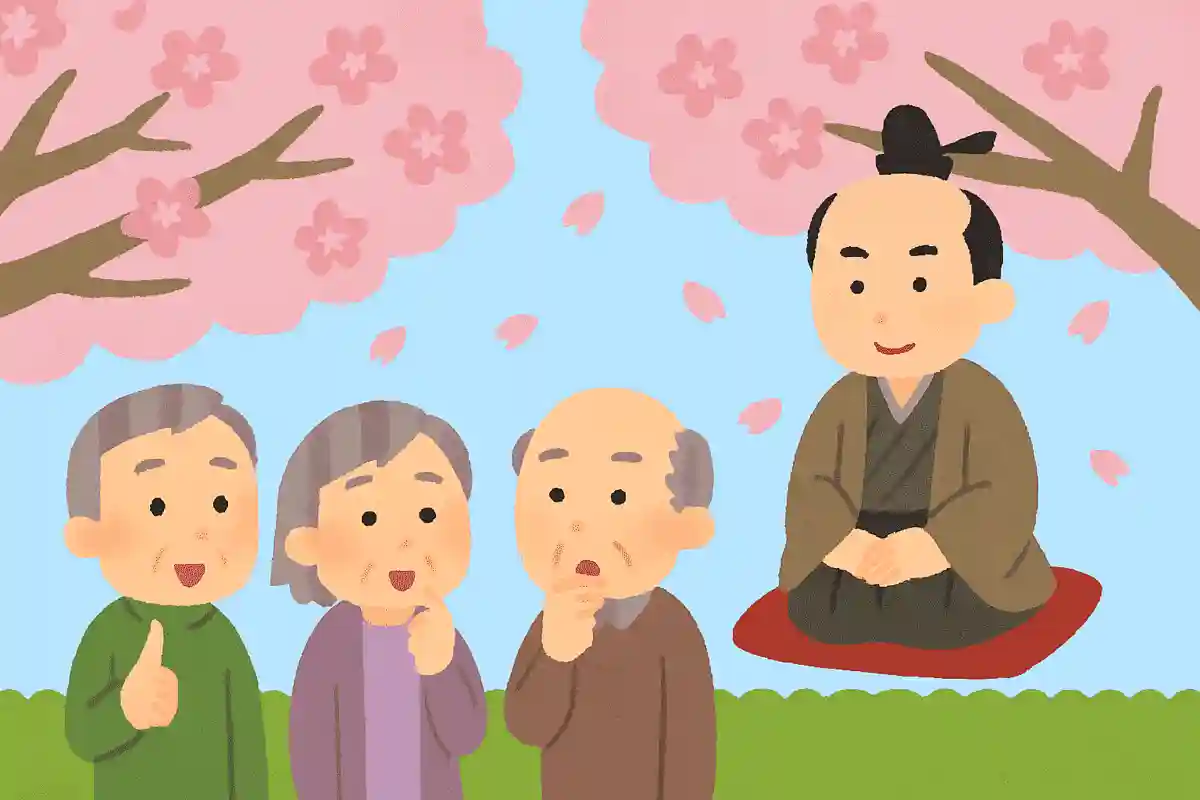
Who was the first military commander to hold a cherry blossom viewing?
- Oda Nobunaga
- Toyotomi Hideyoshi
- Tokugawa Ieyasu
See the answer
Toyotomi Hideyoshi
Toyotomi Hideyoshi is known for hosting a lavish cherry-blossom viewing party at Daigo-ji Temple in Kyoto in 1598. This event is famously called the “Daigo no Hanami.” While people had enjoyed viewing flowers before then, Hideyoshi was the first to hold a hanami in the modern style—enjoying food while appreciating the blossoms.

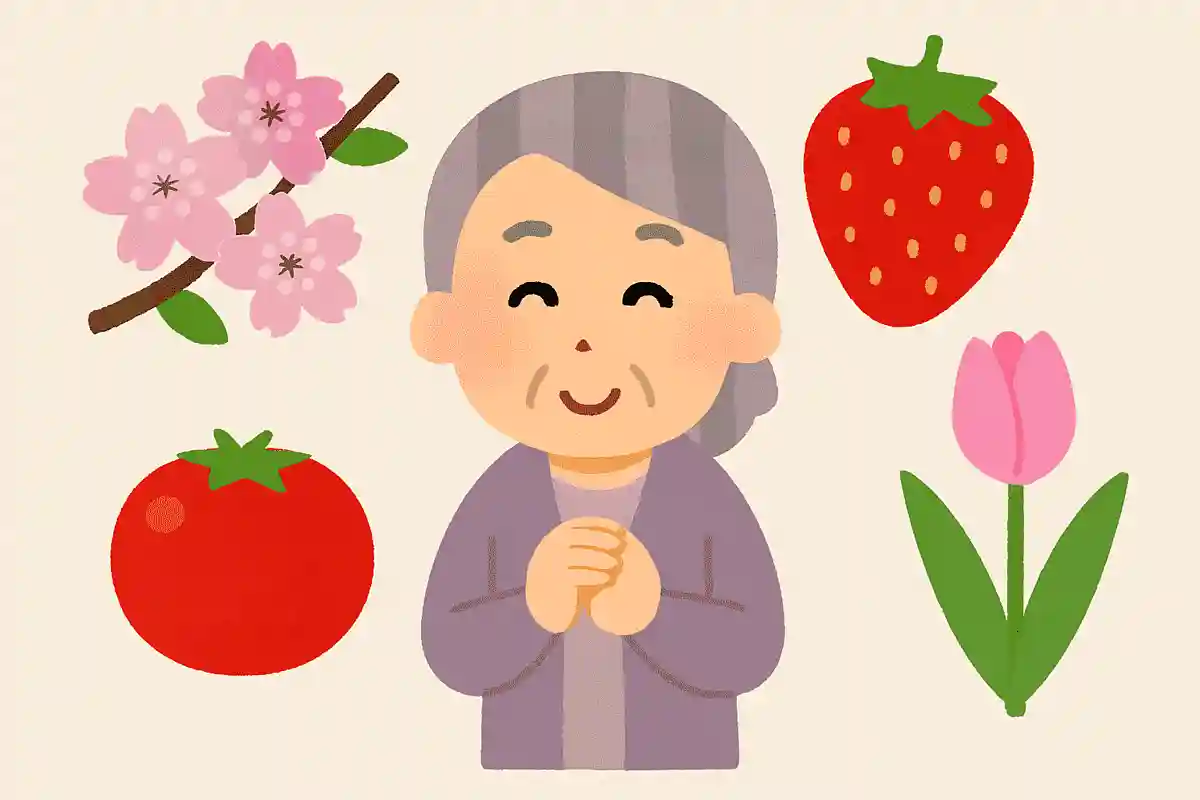
Which of the following is a strawberry?
- fruit
- vegetables
- Neither
See the answer
vegetables
In horticulture, fruits that grow on trees are classified as fruit, while those that grow on herbs are classified as vegetables. Since strawberries are herbaceous, they are classified as vegetables rather than fruit. In practice, however, they’re eaten like fruit, so they’re referred to as a “fruit-like vegetable.” Many people are probably surprised to learn that strawberries are considered vegetables.
[For Seniors] Spring-themed Quiz: Fun Trivia Questions (41–50) That Also Help Prevent Dementia
What time of day has the highest amount of pollen in the air?

- morning
- noon
- night
See the answer
noon
It depends on the day’s weather conditions, but it’s said that the time when pollen is most airborne is around midday through sunset. Pollen that begins dispersing from sugi (Japanese cedar) and hinoki (Japanese cypress) in the early morning spreads through urban areas during the morning. It then settles down somewhat in the afternoon, but around sunset, when temperatures drop, pollen aloft is said to fall to the ground, and pollen that had settled can be stirred up again.
Cherry blossoms were considered inauspicious plants during the Edo period—why was that?
- Because it scatters quickly, it has an image of “falling.”
- Because it looks shabby since it falls off quickly
- Because it gives the impression of being fickle since it falls apart so quickly.
See the answer
Because it gives the impression of being fickle since it falls apart so quickly.
Because cherry blossoms have short lives and quickly lose their color after falling, they were associated with negative impressions.