

[For Seniors] Spring-themed quizzes: Fun trivia questions that help prevent dementia while you solve them

When you feel the arrival of spring, conversations naturally blossom with seasonal topics like flowers, wildlife, and food.
We’ve put together a collection of quizzes all about the warm spring season.
From flower names and famous cherry blossom spots to spring-only vegetables and traditional Japanese sweets, there’s a wide variety of questions—perfect for recreation and brain training for seniors.
Why not solve the quizzes together while enjoying conversation with those around you? Through spring-themed quizzes, you might discover something new even in familiar scenery.
Feel free to give them a try!
- [For Seniors] Fun and Lively! Recommended Quiz Questions
- [For Seniors] Hina Matsuri (Girls’ Day) Trivia Quiz & Fun Facts. Recommended for Dementia Prevention Activities
- [Brain Training] Lively Word Quiz for Seniors
- [For Seniors] Spring Haiku. Spring Activity
- [For Seniors] Nostalgic quizzes that bring back memories! Showa-era entertainment and sports questions
- [For Seniors] Never Run Out of Conversation Starters! A Collection of Fun Facts About April and Spring
- Spring Event Quiz for Seniors to Enjoy in March
- [For Seniors] Brain Training! Recall Quiz Collection!
- [For Seniors] Fun and Educational True-or-False Quiz
- [For Seniors] Introducing March Trivia!
- [For Seniors] Quizzes related to April. Perfect for brain training.
- [For Seniors] Haiku for March: Enjoying a Spring Moment with Famous Verses
- [For seniors] April haiku. Exciting
[For Seniors] Spring-Themed Quiz: Fun Trivia Questions That Also Help Prevent Dementia (21–30)
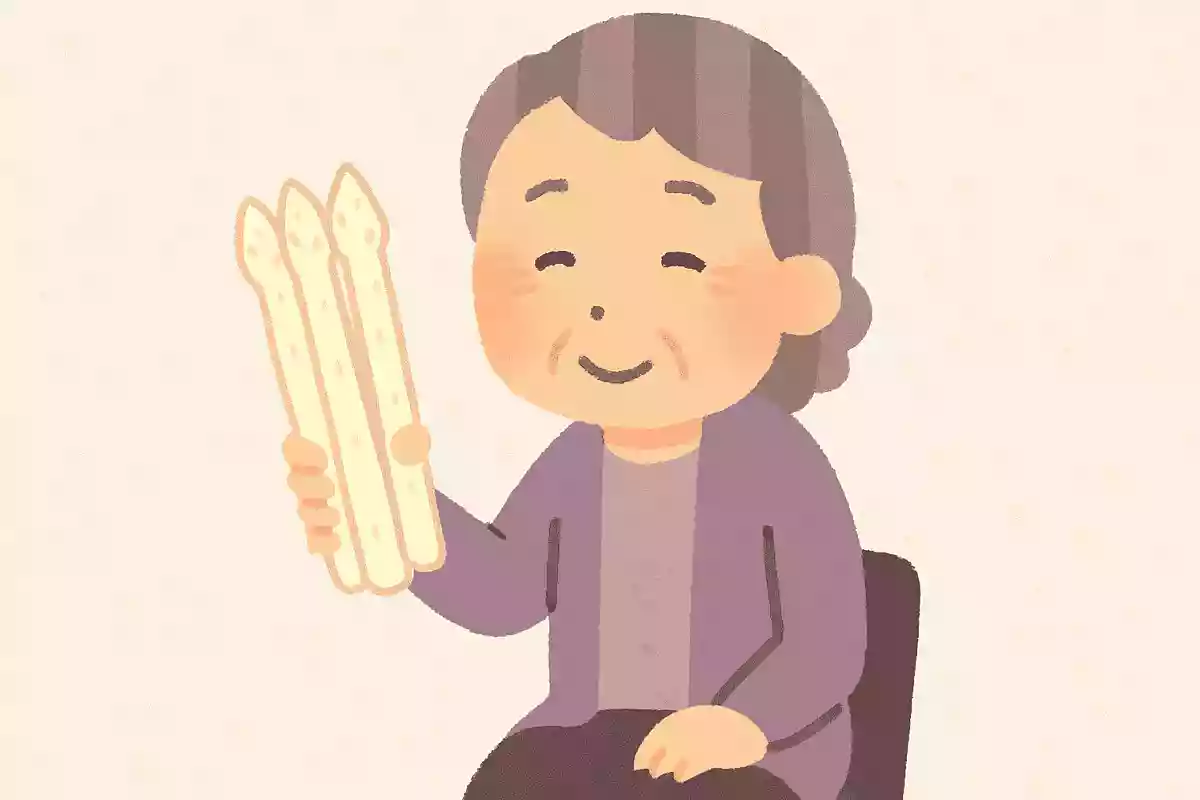
What color would asparagus be if it were grown without being exposed to sunlight?
- yellow
- white
- purple
See the answer
white
Asparagus grown without exposure to sunlight does not perform photosynthesis, so chlorophyll does not form and it remains white. The green asparagus we often see on the table has turned green through photosynthesis. Those that have grown large while remaining white are known as white asparagus.

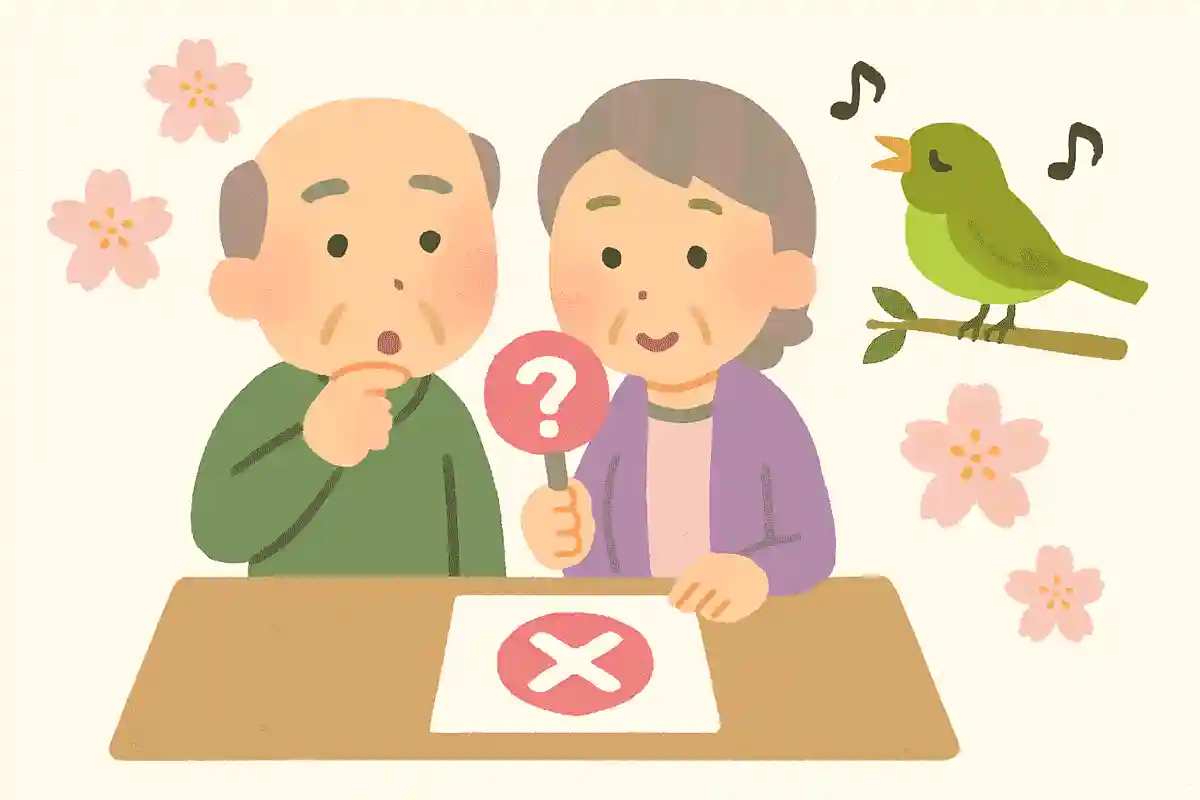
What is another name for the bush warbler that sings “hoh-hokekyo” in spring?
- Spring-singing bird
- harbinger of spring (often refers to the Japanese bush warbler, 'uguisu')
- spring warbler
See the answer
harbinger of spring (often refers to the Japanese bush warbler, 'uguisu')
Only male bush warblers make the “hoohokekyo” call, and they do so only in spring.

[For Seniors] Spring-themed quiz: Fun trivia questions that help prevent dementia while you solve them (31–40)
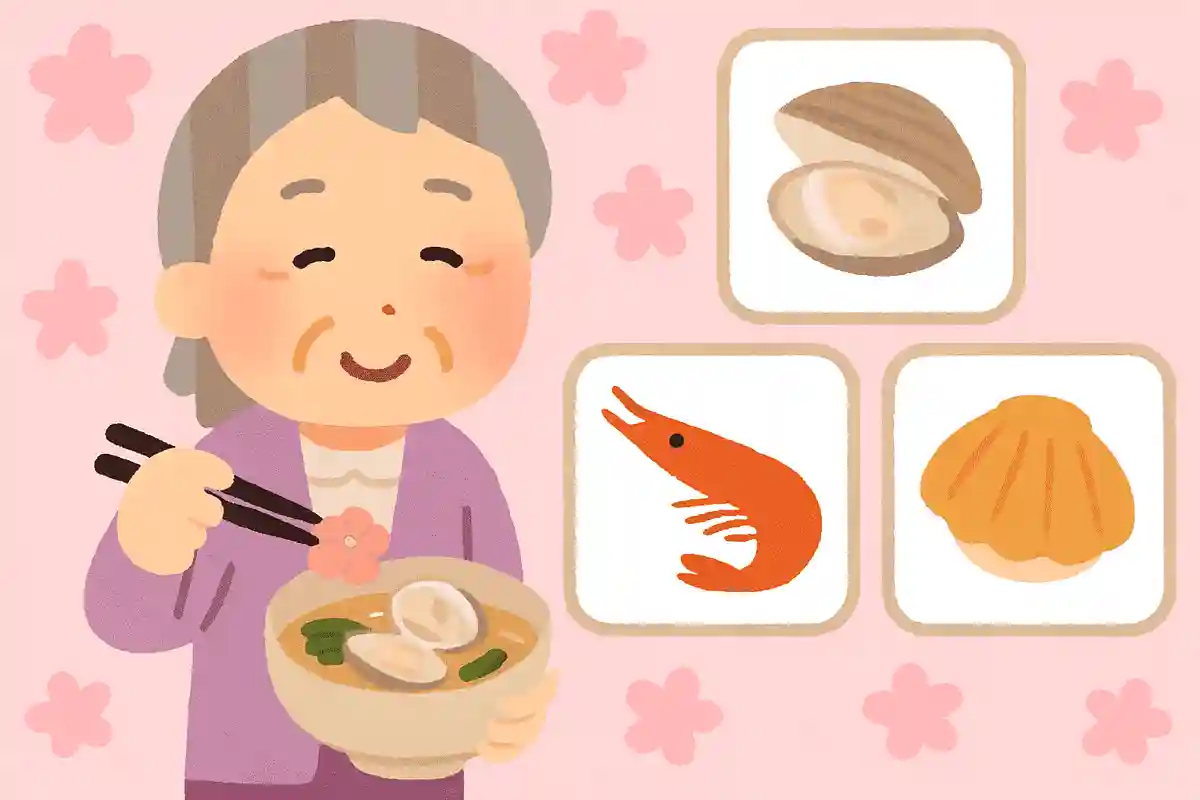
Which type of shellfish is put into the clear soup for Hinamatsuri?
- clam (hamaguri)
- clam
- shijimi (basket clams)
See the answer
clam (hamaguri)
Clams must be matched with their original halves to fit together perfectly, so they came to be eaten as a symbol evoking a close, harmonious married couple.
Since what era have randoseru (Japanese school backpacks) been used?

- Shōwa
- Meiji
- Edo
See the answer
Meiji
Originally imported from the Netherlands in the late Edo period for carrying samurai luggage, it later spread in popularity after Itō Hirobumi presented it to the Taishō Emperor.
On what day do we celebrate by displaying carp streamers?

- Children's Day
- Coming of Age Day
- Respect for the Aged Day
See the answer
Children's Day
We put up koi-shaped streamers for Children’s Day, which is celebrated on May 5th every year in Japan. On this day, there’s a tradition of wishing for children’s healthy growth, and many households display carp streamers and samurai helmets. By the way, while Hinamatsuri is seen as Girls’ Day and Children’s Day is often thought of as Boys’ Day, in fact, Children’s Day is a day to celebrate all children, regardless of gender.
What is the name of the strong wind that blows between Risshun (the beginning of spring) and the spring equinox?
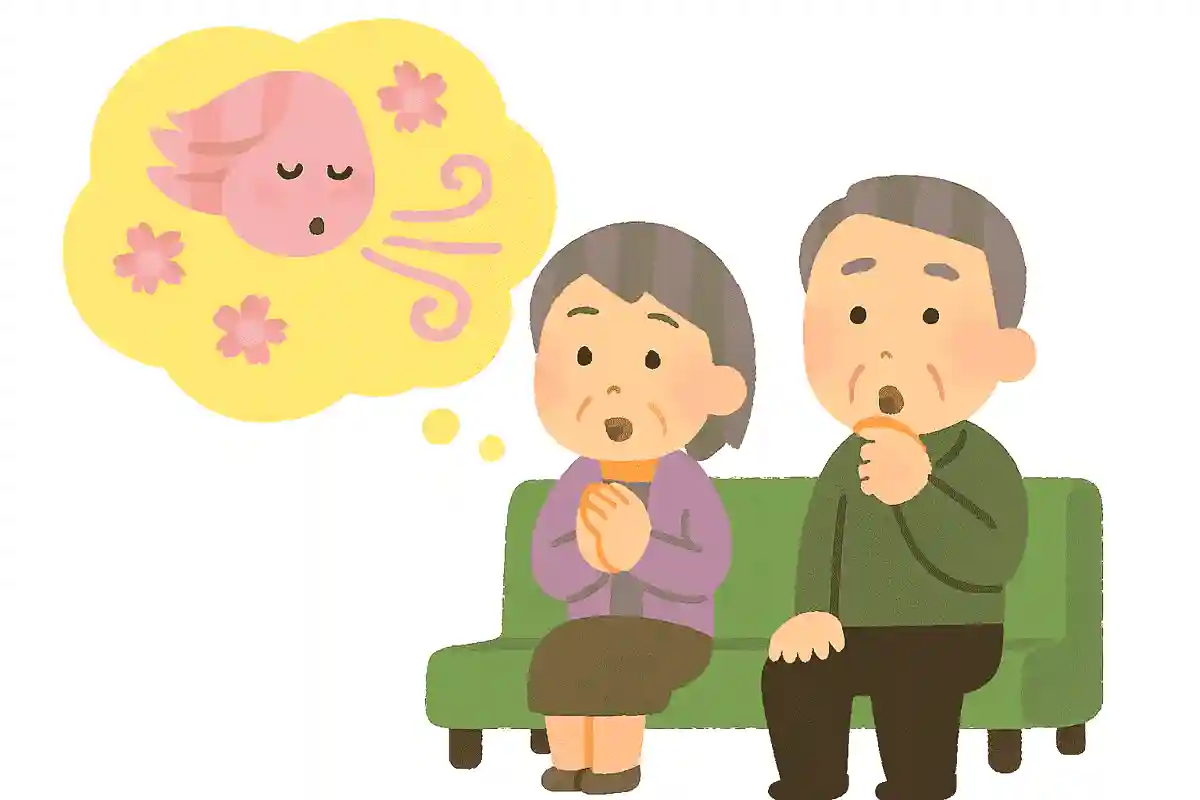
- cold wintry wind
- the first strong spring wind
- whirlwind
See the answer
the first strong spring wind
In the past, a capsizing accident occurred due to these strong winds, and since fishermen had been calling them “Haru-ichi,” it came to be known as “Haruichiban,” the first strong wind of spring.
Which cherry blossom variety accounts for most of Japan’s cherry trees?
- Somei Yoshino (Yoshino cherry)
- Yamazakura (Japanese mountain cherry)
- weeping cherry (tree)
See the answer
Somei Yoshino (Yoshino cherry)
Somei Yoshino is a cherry blossom cultivar that has spread throughout Japan, and it is said to account for about 80% of the cherry trees that bloom in the country. As a result, it can be seen at many famous cherry blossom viewing spots. Bearing beautiful white to pale pink flowers, the Somei Yoshino tends to bloom in unison, which is why it is cherished as a symbol of hanami (cherry-blossom viewing).