

![[For Seniors] Spring-themed quizzes: Fun trivia questions that help prevent dementia while you solve them](https://media.ragnet.co.jp/img/1200__png__https://www.studiorag.com/files/2026/03/6d246e216b18d85cda653345a43cea5d.webp)


When you feel the arrival of spring, conversations naturally blossom with seasonal topics like flowers, wildlife, and food.
We’ve put together a collection of quizzes all about the warm spring season.
From flower names and famous cherry blossom spots to spring-only vegetables and traditional Japanese sweets, there’s a wide variety of questions—perfect for recreation and brain training for seniors.
Why not solve the quizzes together while enjoying conversation with those around you? Through spring-themed quizzes, you might discover something new even in familiar scenery.
Feel free to give them a try!
- [For Seniors] Fun and Lively! Recommended Quiz Questions
- [For Seniors] Hina Matsuri (Girls’ Day) Trivia Quiz & Fun Facts. Recommended for Dementia Prevention Activities
- [Brain Training] Lively Word Quiz for Seniors
- [For Seniors] Spring Haiku. Spring Activity
- [For Seniors] Nostalgic quizzes that bring back memories! Showa-era entertainment and sports questions
- [For Seniors] Never Run Out of Conversation Starters! A Collection of Fun Facts About April and Spring
- Spring Event Quiz for Seniors to Enjoy in March
- [For Seniors] Brain Training! Recall Quiz Collection!
- [For Seniors] Fun and Educational True-or-False Quiz
- [For Seniors] Introducing March Trivia!
- [For Seniors] Quizzes related to April. Perfect for brain training.
- [For Seniors] Haiku for March: Enjoying a Spring Moment with Famous Verses
- [For seniors] April haiku. Exciting
[For Seniors] Spring-themed Quiz: Fun Trivia Questions That Help Prevent Dementia (1–10)
Which of the following cherry trees produce cherries?NEW!
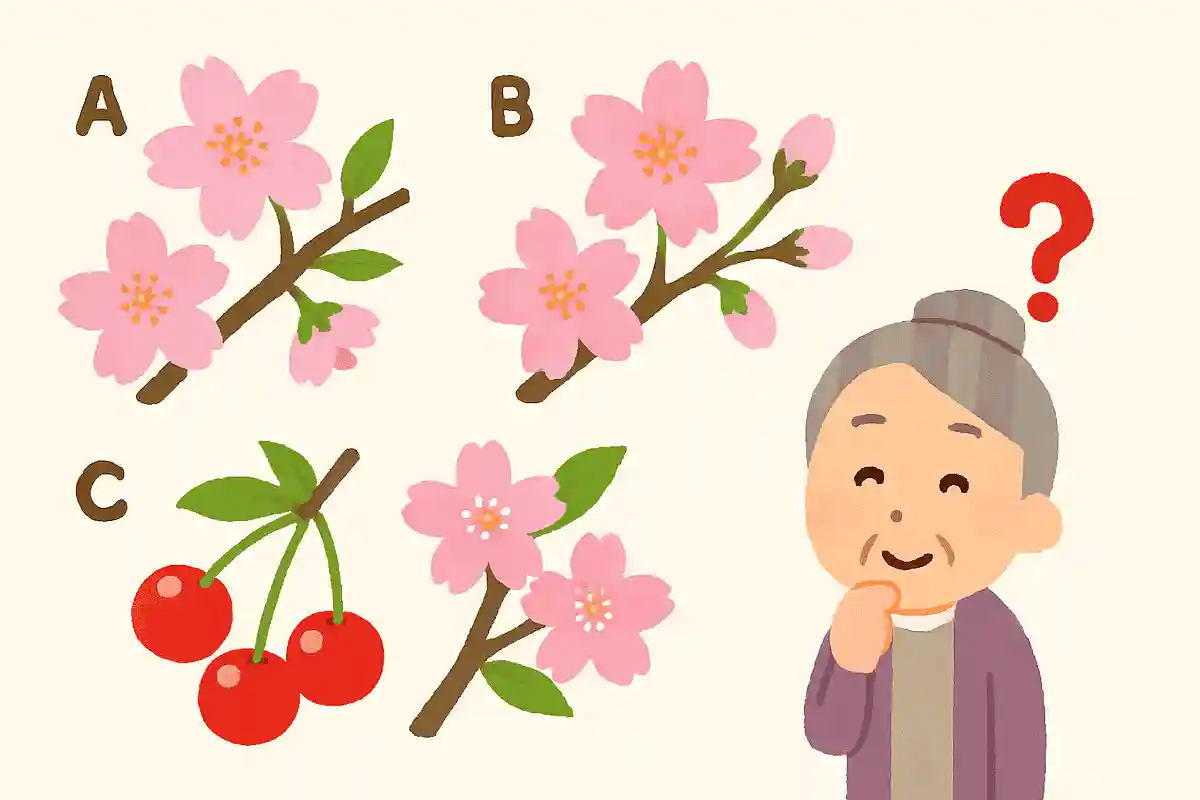
- Yamazakura (Japanese mountain cherry)
- Mizakura
- Somei Yoshino (Yoshino cherry)
See the answer
Mizakura
The Somei Yoshino cherry trees we often enjoy during spring hanami, as well as the mountain-blooming Yamazakura, do bear fruit, but the cherries are small and quite sour and bitter, so unfortunately they aren’t suitable for eating. In contrast, the sweet, tasty cherries commonly seen at greengrocers and supermarkets are harvested mainly from cultivars like “mizakura,” which have been bred specifically for their edible fruit.

Which of the following coins features a cherry blossom design?NEW!
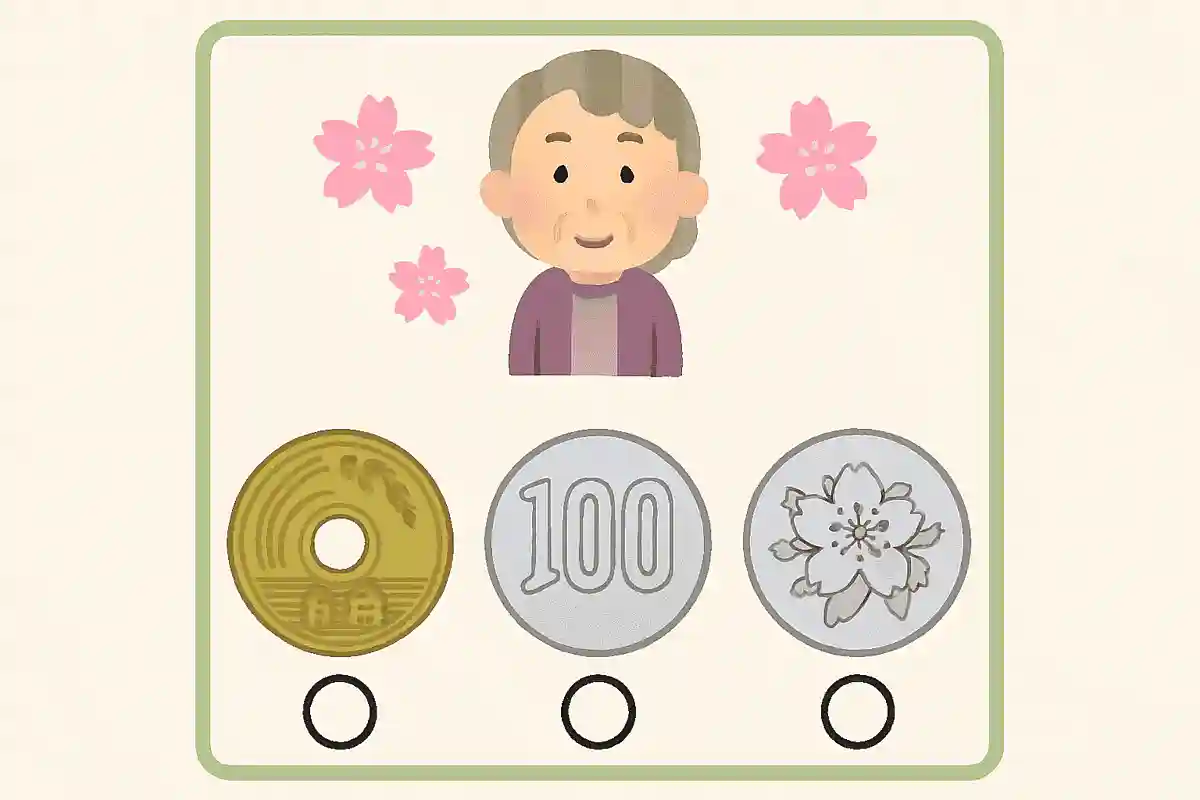
- 50-yen coin
- 100-yen coin
- 500 yen coin
See the answer
100-yen coin
We use 100-yen coins without thinking much about them, but if you look closely, you can see a beautiful design of double cherry blossoms. By the way, the 50-yen coin features chrysanthemums, and the 500-yen coin features paulownia leaves, bamboo, and tachibana.
Why are so many cherry trees planted along rivers?NEW!
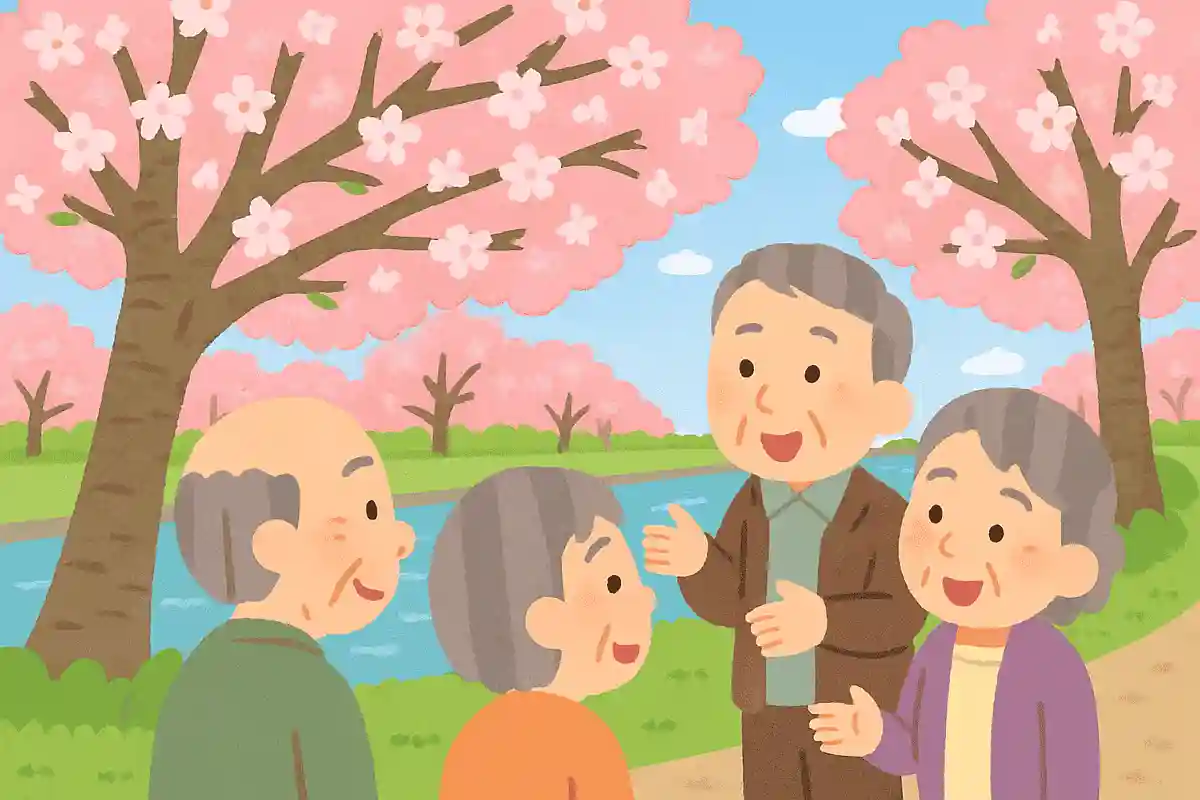
- Because I want you to enjoy the combination of the river and cherry blossoms
- To serve as a windbreak
- To reinforce the riverbank's ground
See the answer
To reinforce the riverbank's ground
During the Edo period, heavy rains often caused river embankments to break, leading to floods. As a flood-control measure, cherry trees began to be planted along riverbanks. When the cherry blossoms bloomed, many visitors came for hanami in the spring. As large numbers of people walked along the tops of the embankments, their footsteps compacted the soil, strengthening the riverbanks and helping to prevent flooding. It was a wonderful example of the wisdom of people in the past, combining disaster prevention with the enjoyment of beautiful cherry blossoms.
In three-colored dango, pink represents cherry blossoms and white represents amazake. So, what does the green represent?NEW!
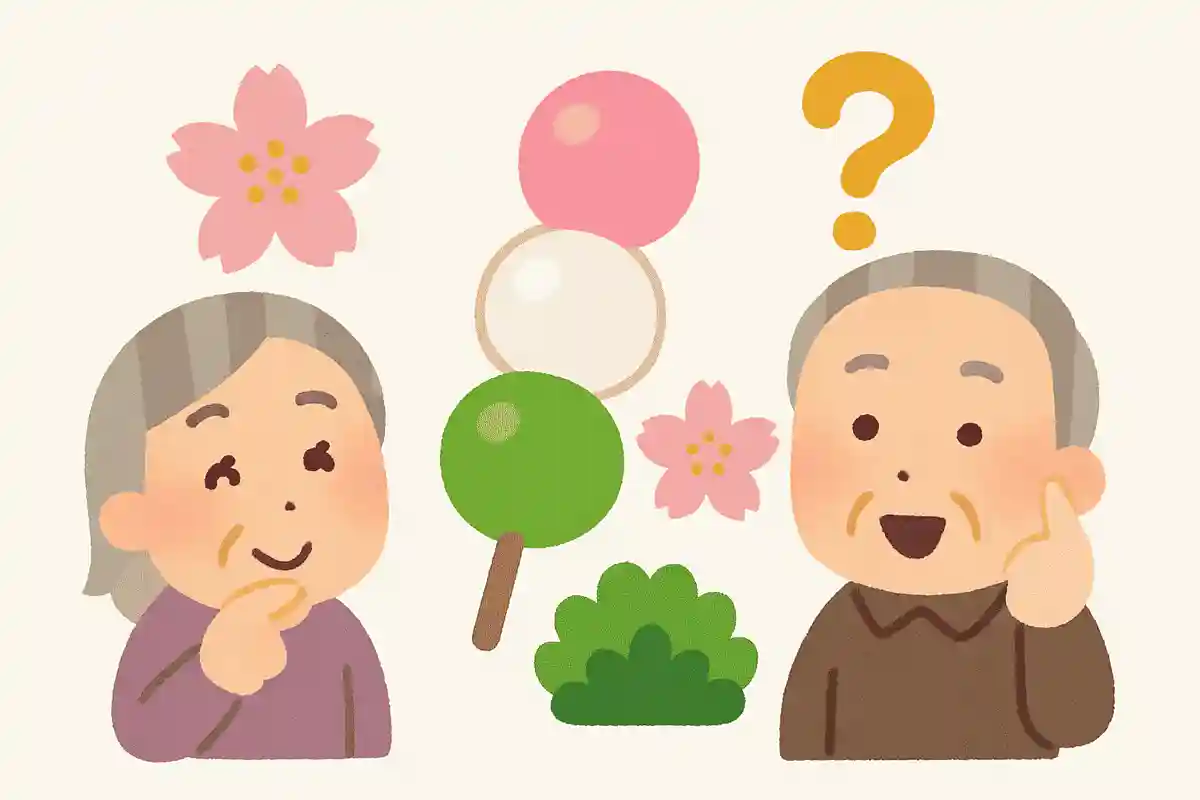
- matcha
- tree
- mugwort
See the answer
mugwort
Sanshoku dango is cherished as a harbinger of spring, and each color carries its own meaning. Pink represents cherry blossoms, the symbol of spring; white represents shirozake, a sweet rice wine drunk during the Hinamatsuri (Girls’ Festival); and green is said to represent yomogi (mugwort) or fresh young greenery that sprouts vigorously from beneath the snow.
Cherry blossoms, the symbol of spring—what plant family do they belong to?NEW!
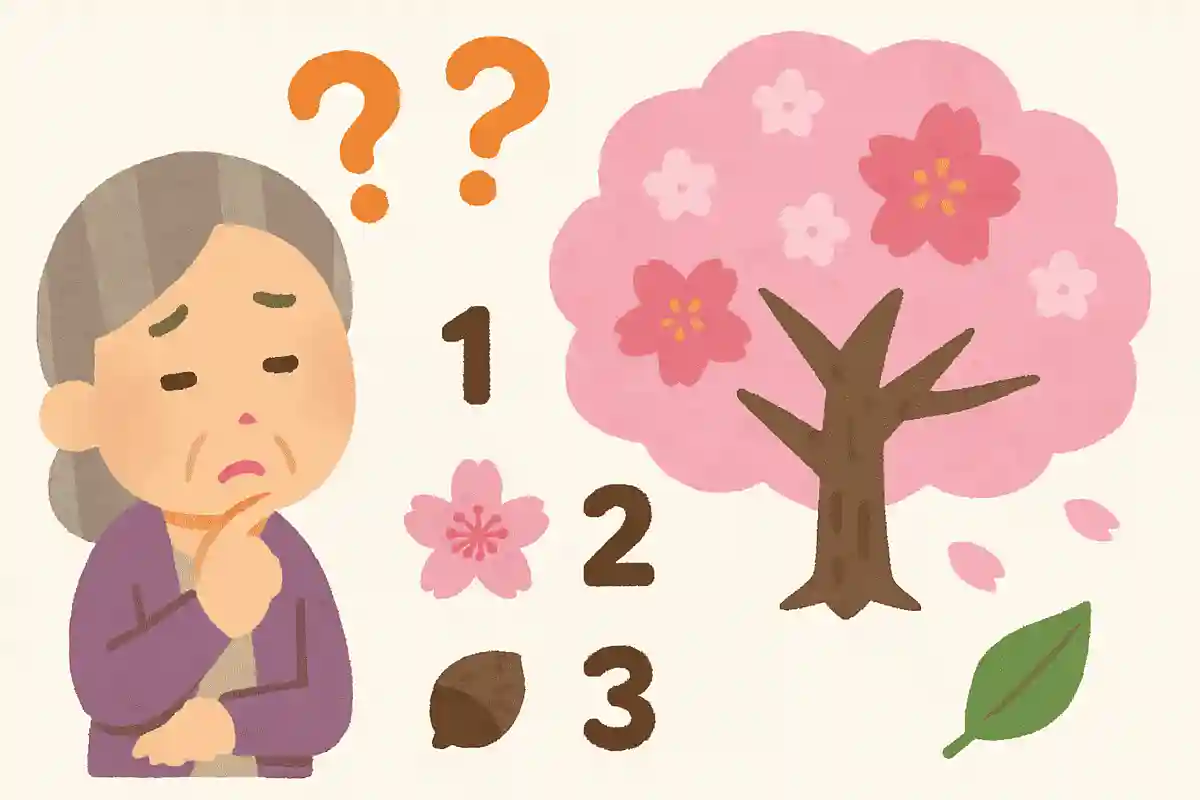
- Rosaceae
- Liliaceae
- Asteraceae (the aster/daisy family)
See the answer
Rosaceae
Cherry blossoms, an essential part of Japan’s spring scenery, are in fact plants of the genus Prunus in the rose family (Rosaceae). Besides cherry blossoms, the rose family also includes many familiar fruits and plants, such as plums and peaches that bloom in spring, as well as apples, strawberries, and loquats that we often eat.
Which of the following can be used to remove the bitterness (scum) from bamboo shoots?NEW!
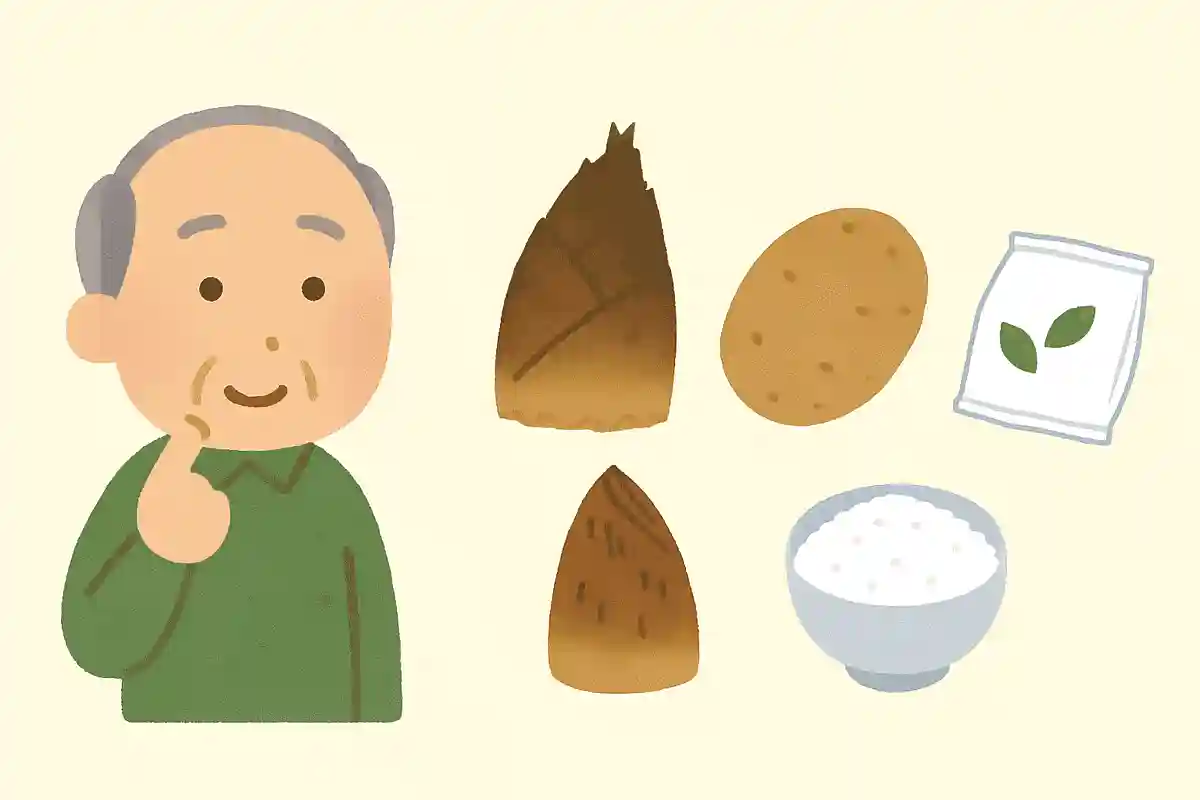
- olive oil
- carbonated water
- rice-washing water
See the answer
rice-washing water
Bamboo shoots are a quintessential taste of spring, but to enjoy them at their best, it’s important to remove their bitterness thoroughly. The most common method is to use rice-washing water. The calcium in the rice-washing water binds with oxalic acid and other astringent components in the bamboo shoots, making the bitterness less noticeable. In addition, the starch and bran components from the rice help soften the bamboo shoots and enhance their umami.
In the children’s song “Chatsumi” (Tea Picking), what does “Hachijū-hachiya (the 88th night), when summer draws near” refer to?NEW!
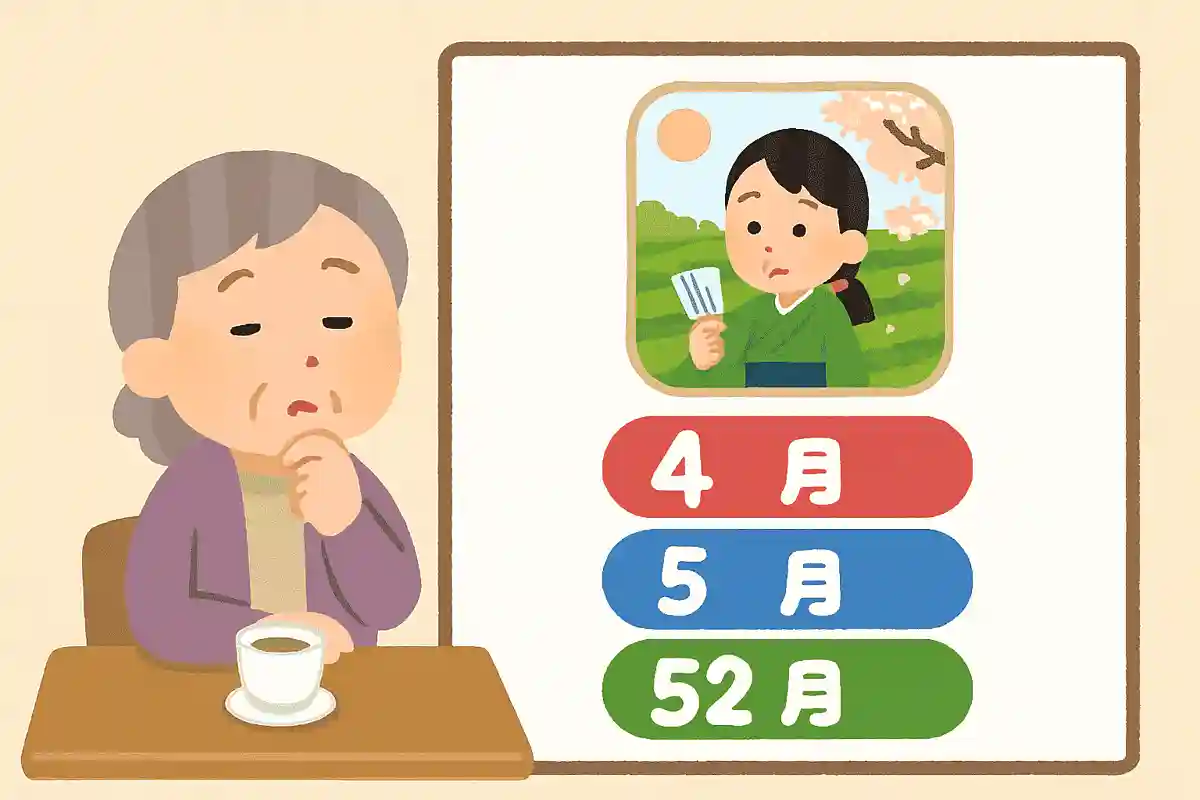
- late March
- mid-April
- early May
See the answer
early May
The correct answer is “early May.” Hachijūhachi-ya is one of the zassetsu—supplementary seasonal markers created to capture seasonal shifts more precisely—and it refers to the 88th day counted from Risshun (the beginning of spring). On today’s calendar, it falls around May 1 or 2 each year. Tea leaves picked during this period are highly nutritious and have long been treasured as a “medicine for longevity” and a “good-luck charm.”