

[For Seniors] Spring-themed quizzes: Fun trivia questions that help prevent dementia while you solve them


When you feel the arrival of spring, conversations naturally blossom with seasonal topics like flowers, wildlife, and food.
We’ve put together a collection of quizzes all about the warm spring season.
From flower names and famous cherry blossom spots to spring-only vegetables and traditional Japanese sweets, there’s a wide variety of questions—perfect for recreation and brain training for seniors.
Why not solve the quizzes together while enjoying conversation with those around you? Through spring-themed quizzes, you might discover something new even in familiar scenery.
Feel free to give them a try!
- [For Seniors] Fun and Lively! Recommended Quiz Questions
- [For Seniors] Hina Matsuri (Girls’ Day) Trivia Quiz & Fun Facts. Recommended for Dementia Prevention Activities
- [Brain Training] Lively Word Quiz for Seniors
- [For Seniors] Spring Haiku. Spring Activity
- [For Seniors] Nostalgic quizzes that bring back memories! Showa-era entertainment and sports questions
- [For Seniors] Never Run Out of Conversation Starters! A Collection of Fun Facts About April and Spring
- Spring Event Quiz for Seniors to Enjoy in March
- [For Seniors] Brain Training! Recall Quiz Collection!
- [For Seniors] Fun and Educational True-or-False Quiz
- [For Seniors] Introducing March Trivia!
- [For Seniors] Quizzes related to April. Perfect for brain training.
- [For Seniors] Haiku for March: Enjoying a Spring Moment with Famous Verses
- [For seniors] April haiku. Exciting
[For Seniors] Spring-themed Quiz: Fun Trivia Questions (41–50) That Also Help Prevent Dementia
Are worker bees male or female?
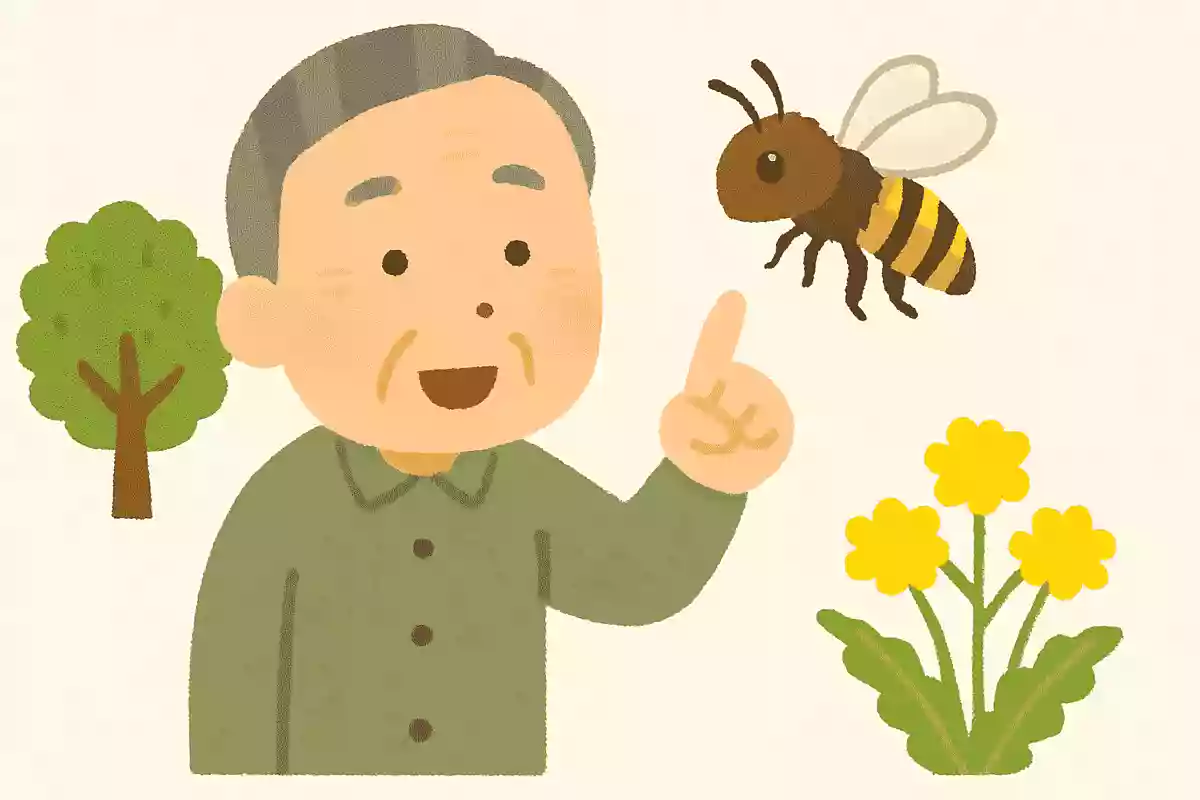
Bees that fly around outside and collect nectar to bring back to the hive give us the impression that they contribute to the colony.
So, which sex are these commonly seen worker bees—male or female? Considering that there is a queen inside the hive and that worker bees do not have reproductive capability, you might be able to guess.
The answer is that, like the queen, worker bees are female.
Males are born only during the breeding season, so most of the bees you see are likely females.

Which of the following flowers bloom in spring?
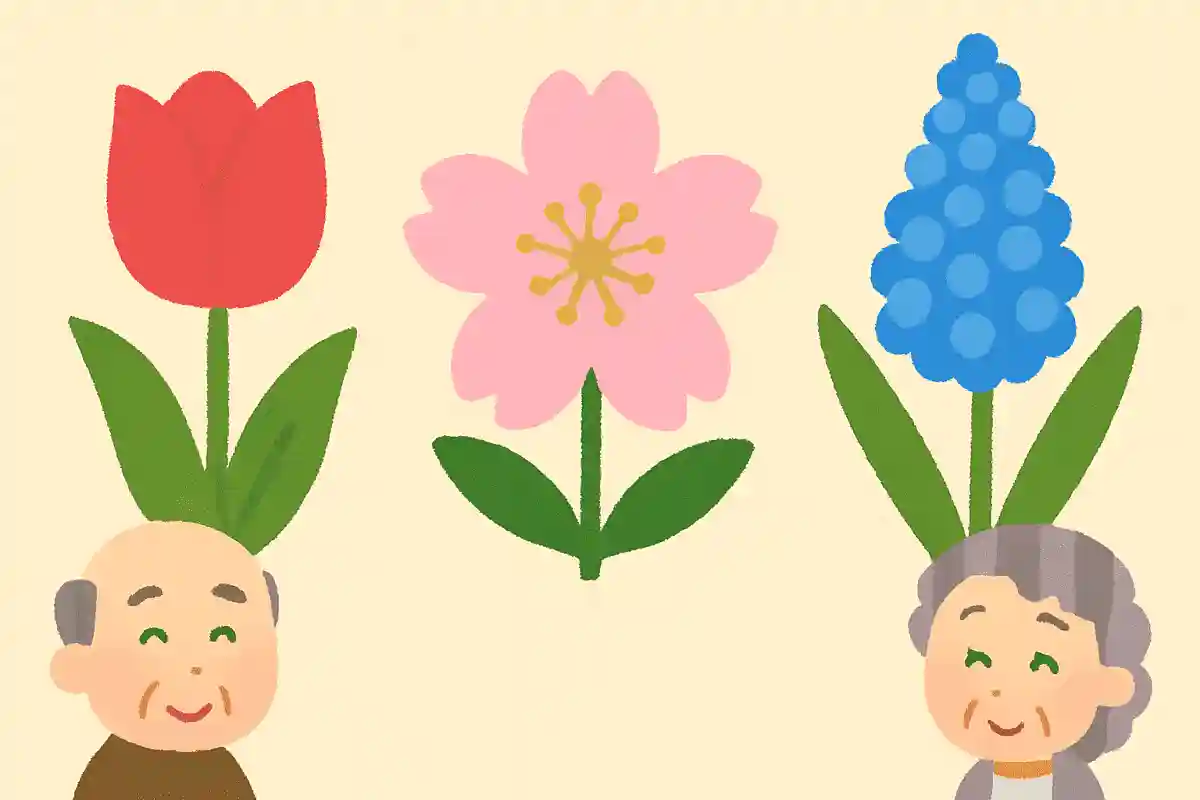
- Sunflower
- Tulip
- cosmos
See the answer
Tulip
Tulips are flowers that bloom in spring, with the best viewing time especially from March to April as the weather warms. Tulips come in many colors—not just the familiar red and yellow, but also rarer shades like purple, green, and even black. Seeing tulips makes you feel that spring has arrived.

Why are cherry blossom rice cakes wrapped in leaves?
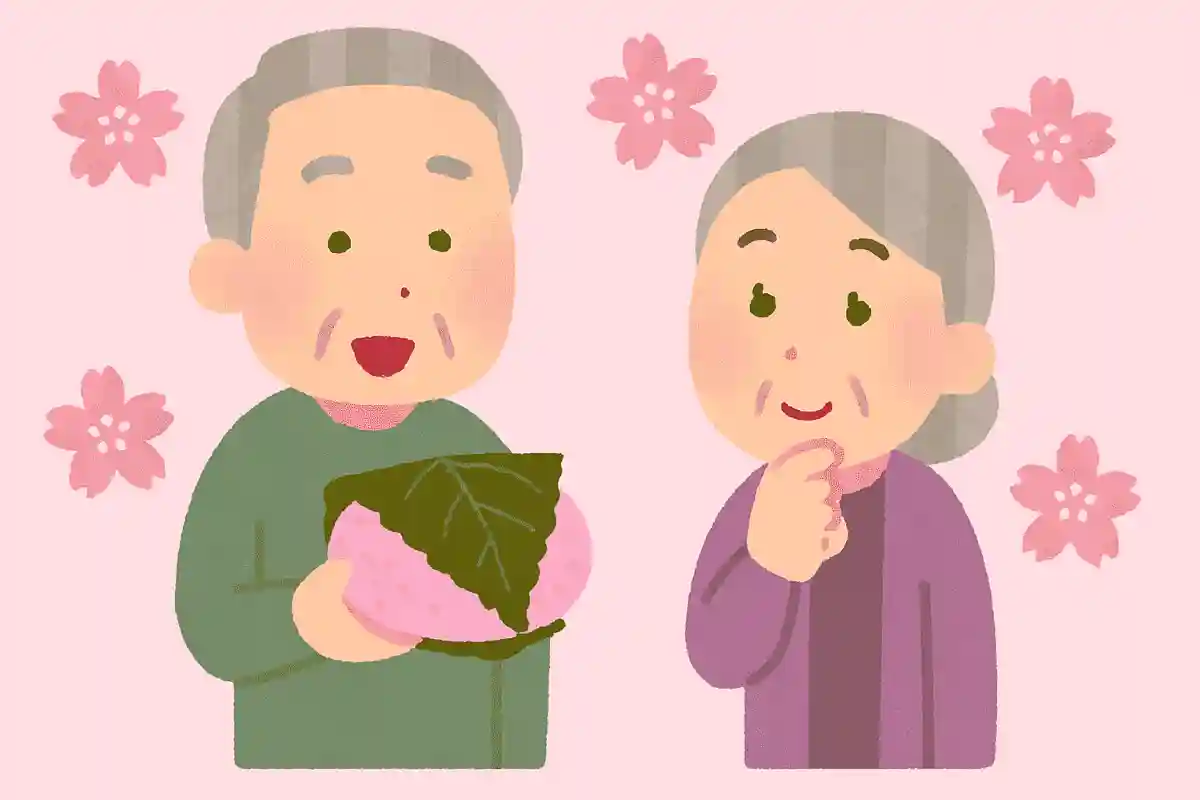
- to add flavor
- To improve the appearance
- To maintain cleanliness
See the answer
to add flavor
The cherry leaves wrapped around sakuramochi are used to impart a delicate cherry blossom aroma to the rice cake and enhance its flavor. They also help protect the mochi and prevent it from drying out.
Which prefecture has the highest production of melons, a fruit that is in season in May?
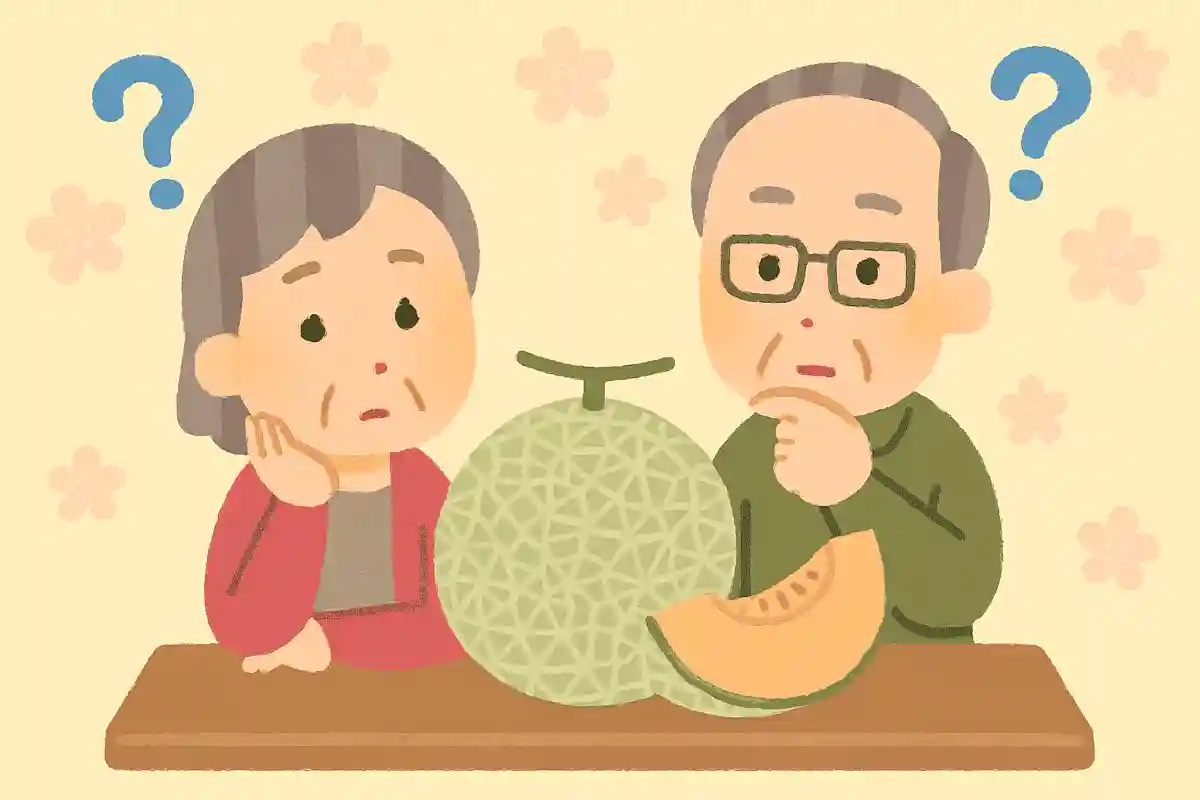
Melons are widely seen as a luxury fruit in Japan, and their peak season is said to arrive in May.
So which prefecture produces the most melons that are in season in May? Since melons need well-drained soil and a warm climate to grow vigorously, let’s consider those environmental features as well.
The answer is Ibaraki Prefecture, which enjoys a warm climate throughout the year and ranks first in Japan in both cultivation area and production volume.
Ibaraki also offers original melon varieties, so it’s worth looking those up too.
What was asparagus originally used for?
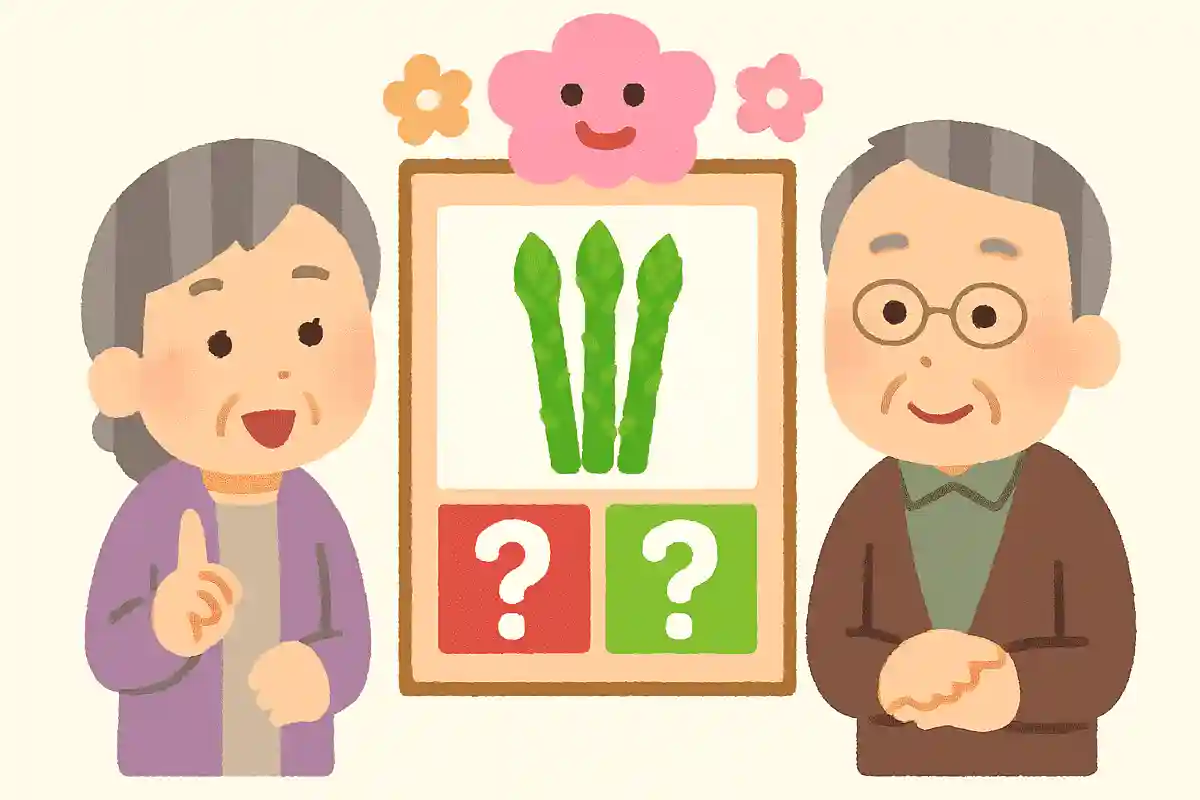
Asparagus has a shape that’s a bit different from other vegetables.
I’ve heard it takes at least three years from sowing the seeds to harvest.
I’ve tried growing it several times myself, but never made it to harvest… If managed properly, you can keep harvesting for about ten years.
Interestingly, asparagus was originally imported as an ornamental plant rather than for eating, and only later became a food.
The curiosity of the person who looked at that plant shaped like a horsetail and thought, “Maybe I’ll try eating it,” is pretty incredible, isn’t it?
May 31 is a day to call attention to something related to health. What is it?
In May, as temperatures shift toward summer and the long holidays disrupt routines, some people may find themselves feeling unwell.
There’s a day on May 31 that calls attention to a particular health issue—what is it? Here’s a hint: it’s about an unhealthy habit embedded in everyday life, and one that has been gradually declining in modern times.
The answer is World No Tobacco Day, established by the World Health Organization to promote making non-smoking the norm.
Why not take this opportunity to think about the various health effects involved?
What do you call bonito that is in season in May?
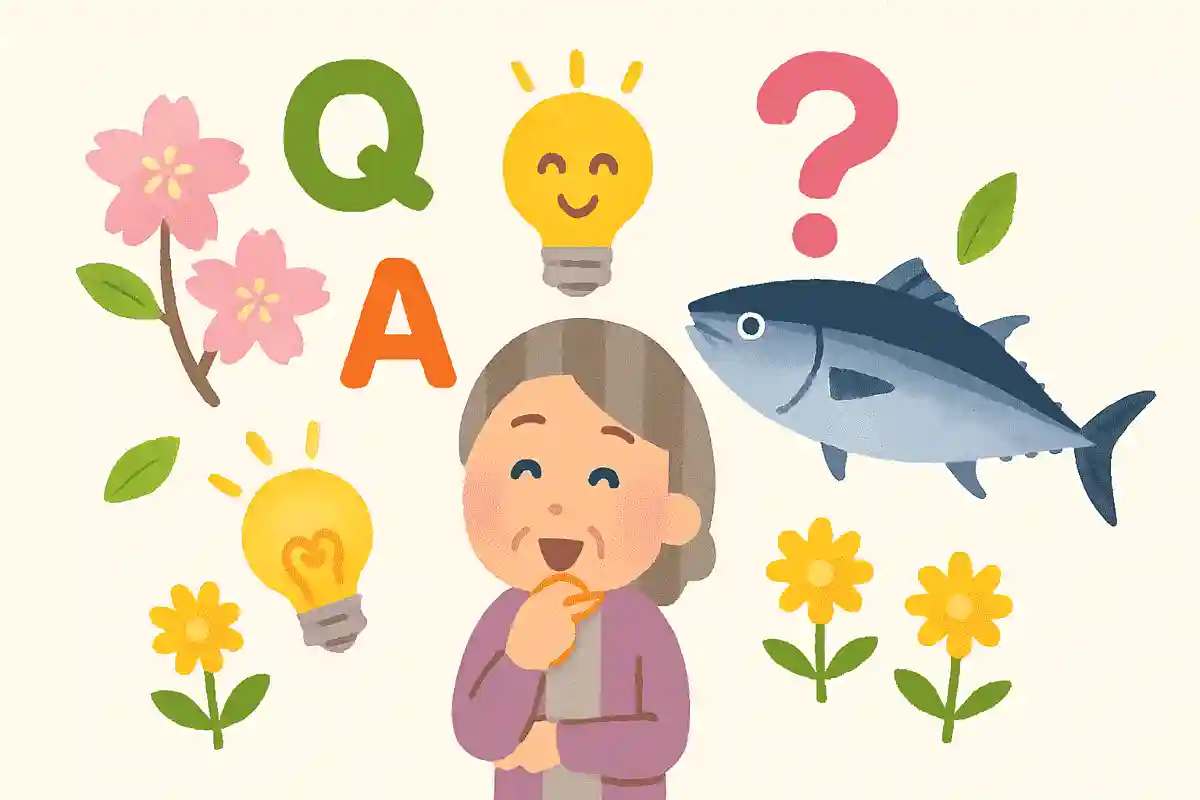
Delicious foods come with each season, and of course there are foods considered delicious in May as well.
Katsuo (bonito), which is sometimes introduced as being in season in May, is known by what name? It’s said that katsuo has two peak seasons a year: the autumn season from September to October is called “modori-gatsuo” (returning bonito).
Corresponding to this, if you think of the bonito that arrives at the beginning of the year, you can probably guess the answer.
The answer is “hatsu-gatsuo” (first bonito).
It is said to be lean, light in flavor, and well-suited for processing.