

[For Seniors] Boost Oral Function with Tongue Twisters! Recommended Picks to Try


For older adults, maintaining oral functions is very important because it contributes to both physical and mental health.
Even if you’re mindful of it in daily life, those functions tend to weaken over time.
That’s when we recommend trying tongue twisters.
Moving the tongue stimulates saliva production and can improve swallowing function.
It also activates brain function and may help prevent dementia.
Tongue twisters are great not only as recreation in day-service and other senior facilities, but also as oral exercises before meals.
Please use this article as a reference and have fun giving it a try!
- [For Seniors] Spice Up Your Usual Oral Exercises! Patakara Exercises and Tongue Twisters
- Tongue twisters that will make you laugh out loud! Super funny
- For seniors: Fun shiritori—enjoyable and easy to play
- [For Older Adults] Games to Enhance Oral Function: Enjoyable and Easy to Do
- [Brain Training] Lively Word Quiz for Seniors
- [For Seniors] Stay Healthy Through Your Mouth with the A-I-U-BE Exercises!
- [For Seniors] Oral Exercises to Keep Eating Deliciously and Enjoyably
- [For Seniors] Lively Wordplay Game: Fun Recreation for Elderly Care
- [For Seniors] Fun Riddles That Stimulate the Brain
- [For Seniors] Uplifting Words That Comfort the Heart
- For Seniors: Fun and Lively Exercise Recreation
- For seniors: Fun, crowd-pleasing word association game ideas
- Challenging tongue twisters: Introducing high-difficulty phrases and sentences!
[For Older Adults] Improve Oral Function with Tongue Twisters! Recommended Ones to Try (1–10)
Ultimate luxury aircraft at a deserted Kyushu airport
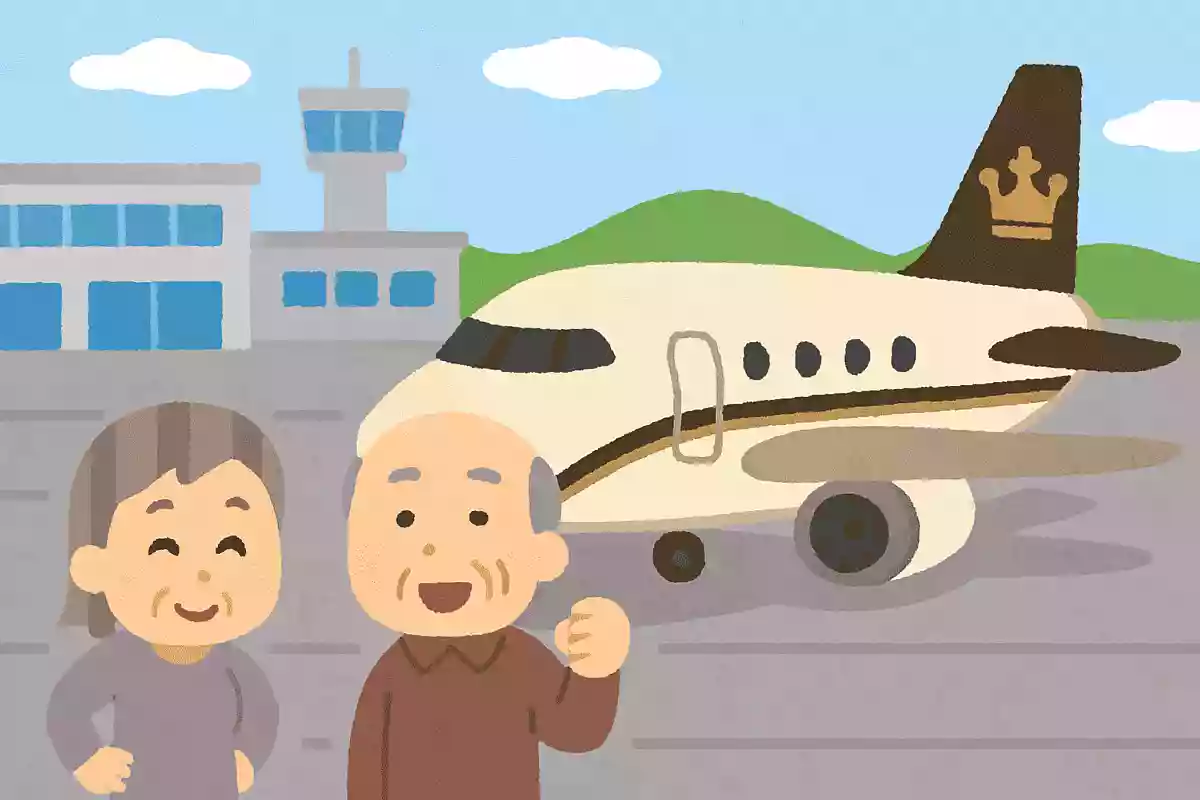
The tongue twister “kuukyo na Kyushu kuukou no kyuukyoku koukyuu koukuuki” (empty Kyushu airport’s ultimate luxury aircraft) feels difficult just by looking at it written down.
The sentence is also on the longer side for a tongue twister, and it’s characterized by a mix of hard k sounds and kya-kyu-kyo clusters.
Because of that, it’s said to be hard to say without tripping up.
To be able to say tongue twisters, the key is to be conscious of each word and pronounce every one clearly and distinctly.
By the way, there is no actual airport called “Kyushu Airport.” If you were to use a real airport in a tongue twister, it would be one of the airports in the Kyushu region, such as Kitakyushu Airport.

A javelin throw done in a careless, throwaway manner
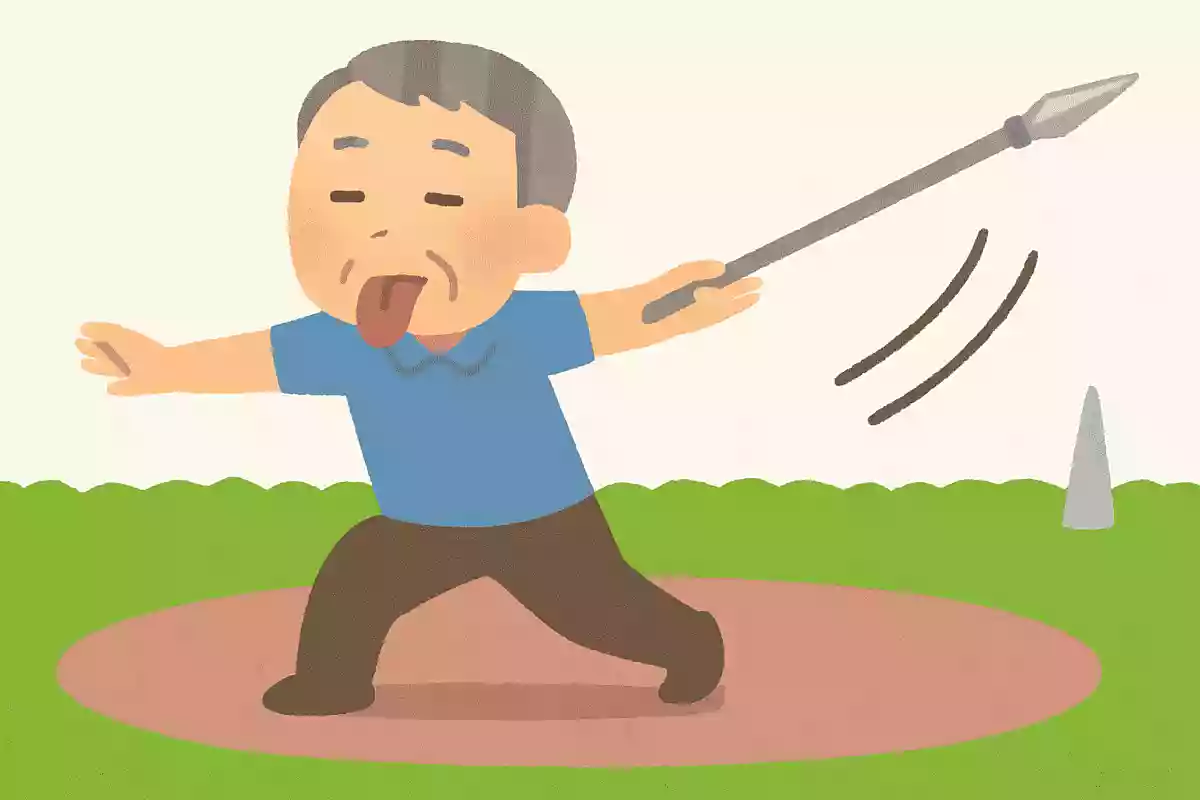
It’s a simple phrase that focuses on the fact that “nageyari” (throwing things away carelessly) and “yari-nage” (javelin throw) sound similar.
Saying it once isn’t too hard, but repeating it gradually makes it more difficult to pronounce.
It’s the kind of phrase that becomes a tongue twister when you speed it up and repeat it.
It’s important to pay close attention to which word comes next, and it seems like a tongue twister that can train your mouth while also offering some brain-training benefits.

The customer next door is a customer who often eats persimmons.
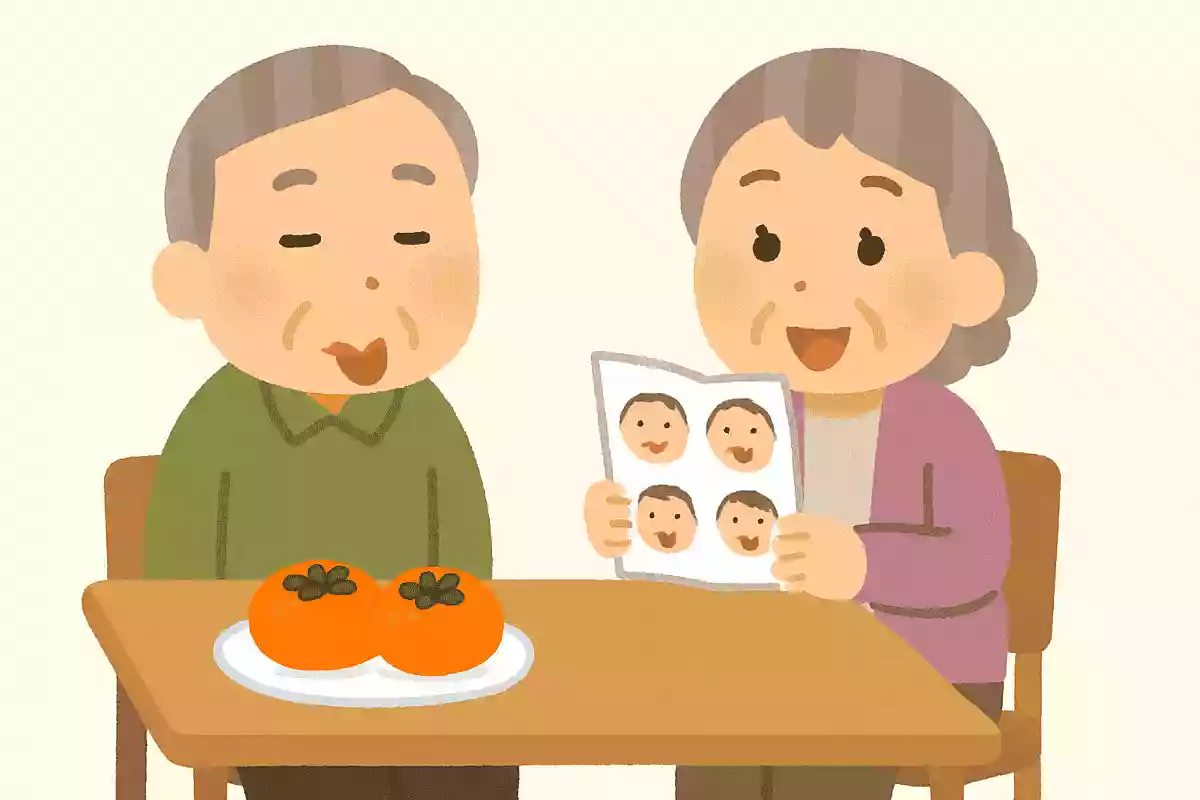
It’s one of the classic tongue twisters in Japan, and it evokes a rakugo-like world.
The key here is probably the pronunciation of “kyaku” and “kaki.” If you try pronouncing it syllable by syllable, you’ll realize that not only the movements of the lips and tongue matter, but the opening and closing of the teeth as well.
Another point to focus on is how you use your breath while moving your lips and teeth during pronunciation.
Overall, it’s a phrase that really engages the muscles around the mouth, making it a perfect tongue twister for training.
[For Seniors] Improve Oral Function with Tongue Twisters! Recommended Ones to Try (11–20)
Frogs hop hop, three hop hop; together hop hop, six hop hop.
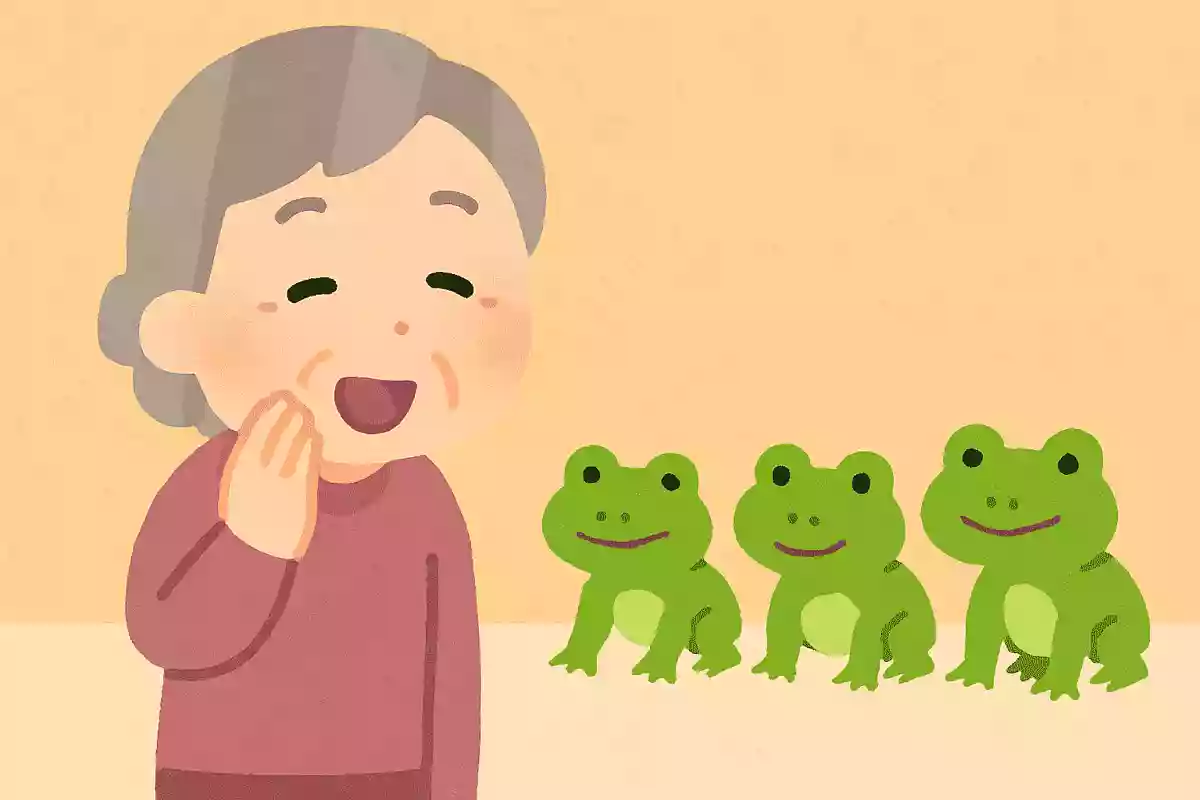
A classic tongue twister that depicts frogs gathering—such a cute-sounding phrase.
The key is the lip movement and breath control for “pyoko.” You close your lips once to pronounce “pyo,” then release breath to produce “ko.” Be mindful of the combination and articulate it clearly.
Think of using your breath consciously to train not only your mouth but also the muscles in your throat.
Also, placing a different mouth shape right before the lip-focused “pyo” makes it harder to say, which in turn helps you focus more deliberately on shaping your lips.
100 passenger aircraft, 100 passengers each

A tongue twister that’s hard even when spoken slowly: “100 passenger planes, 100 passengers each.” Let’s first go over the reading step by step.
"旅客機" is read as "ryokakuki," and the part "客各100人" is read as "kaku-kyaku hyaku-nin." In other words, each of the 100 airplanes has 100 passengers on board.
If you insert a slight pause after “kaku,” you’ll be more likely to succeed.
Incidentally, there’s an even harder version: “In Massachusetts, 100 passenger planes, with 100 persimmon-eating passengers each, are riding a gas-spraying bus and the bus gas explodes.” If you want to raise the difficulty, give that one a try too.

New Singer New Year Chanson Show
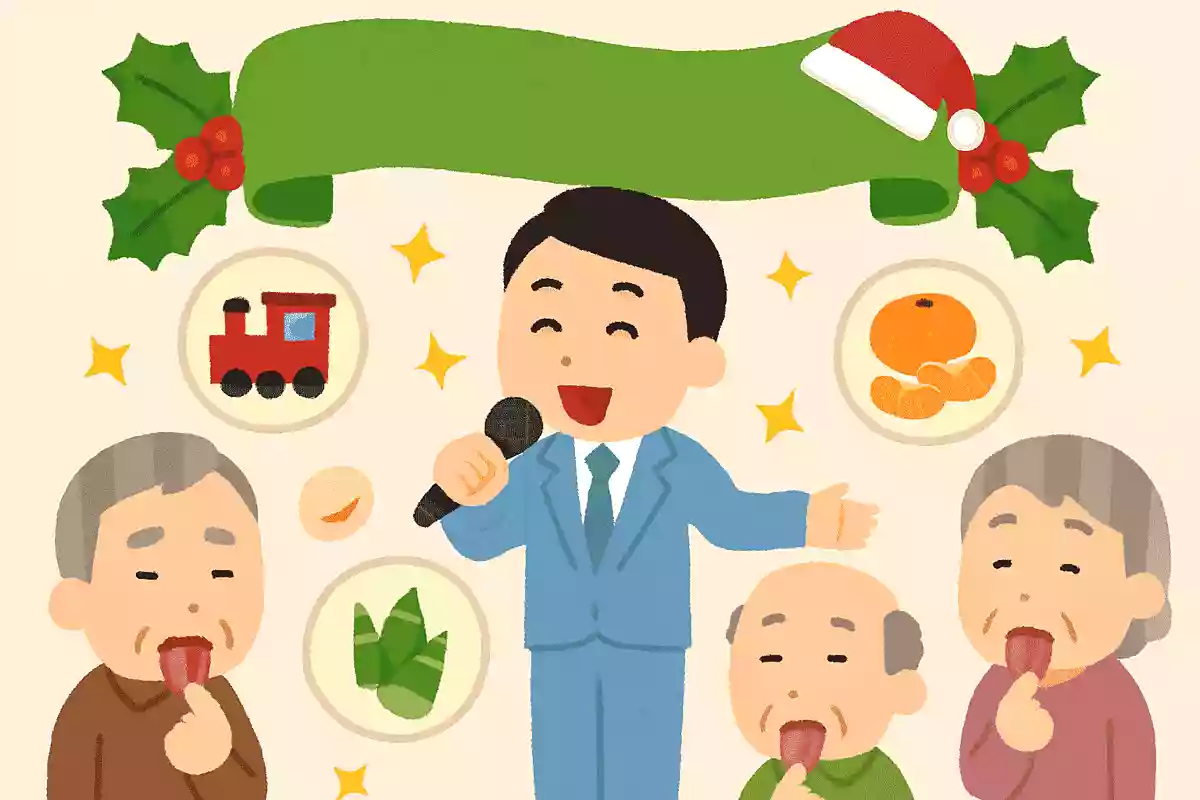
Chanson is a French word that means “song.” In Japan, the chanson “Meke Meke,” which Akihiro Miwa covered and sang in Japanese, is also well-known.
Some older people may have heard it at least once.
The tongue twister “shinjin kashu shinshun chanson show” (Newcomer Singer New Year Chanson Show) can be taken to mean a chanson show held at New Year featuring new singers.
The tongue twister evokes an image of listening to a beautiful singing voice in a refreshing atmosphere.
However, it’s hard to say when you actually try it, especially since the “so” in “chanson” tends to turn into “sho.”
Tokyo Patent Approval Bureau
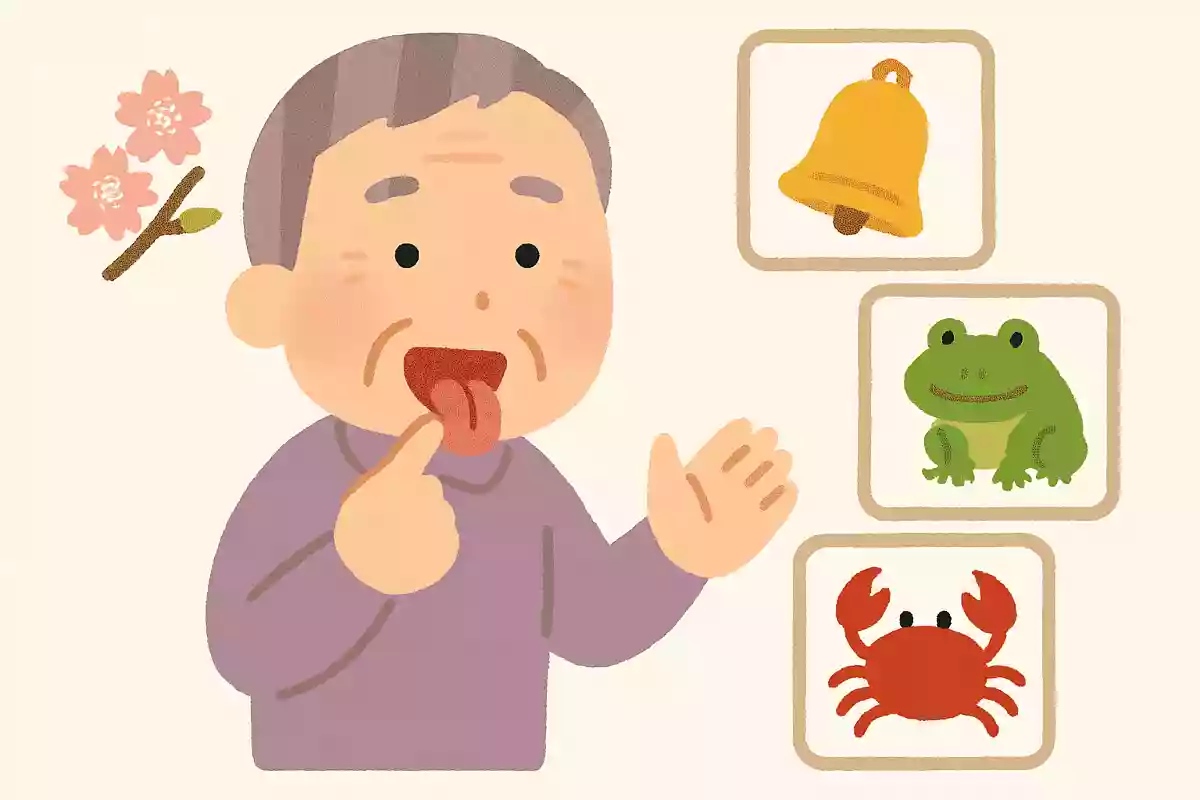
“Tokyo Patent Approval Bureau” is a classic tongue twister.
Some older adults may have heard it or even tried the tongue twister at least once.
However, the Tokyo Patent Approval Bureau doesn’t actually exist.
It never existed in the past either; what does exist is the Japan Patent Office in Chiyoda City, Tokyo.
So where did the TV announcer tongue twister “Tokyo Patent Approval Bureau” come from? As it turns out, it’s said to have been created for use in recruitment exams.