

[For Seniors] Boost Oral Function with Tongue Twisters! Recommended Picks to Try


For older adults, maintaining oral functions is very important because it contributes to both physical and mental health.
Even if you’re mindful of it in daily life, those functions tend to weaken over time.
That’s when we recommend trying tongue twisters.
Moving the tongue stimulates saliva production and can improve swallowing function.
It also activates brain function and may help prevent dementia.
Tongue twisters are great not only as recreation in day-service and other senior facilities, but also as oral exercises before meals.
Please use this article as a reference and have fun giving it a try!
- [For Seniors] Spice Up Your Usual Oral Exercises! Patakara Exercises and Tongue Twisters
- Tongue twisters that will make you laugh out loud! Super funny
- For seniors: Fun shiritori—enjoyable and easy to play
- [For Older Adults] Games to Enhance Oral Function: Enjoyable and Easy to Do
- [Brain Training] Lively Word Quiz for Seniors
- [For Seniors] Stay Healthy Through Your Mouth with the A-I-U-BE Exercises!
- [For Seniors] Oral Exercises to Keep Eating Deliciously and Enjoyably
- [For Seniors] Lively Wordplay Game: Fun Recreation for Elderly Care
- [For Seniors] Fun Riddles That Stimulate the Brain
- [For Seniors] Uplifting Words That Comfort the Heart
- For Seniors: Fun and Lively Exercise Recreation
- For seniors: Fun, crowd-pleasing word association game ideas
- Challenging tongue twisters: Introducing high-difficulty phrases and sentences!
[For Seniors] Improve Oral Function with Tongue Twisters! Recommended Ones to Try (11–20)
Red pajamas, blue pajamas, yellow pajamas.
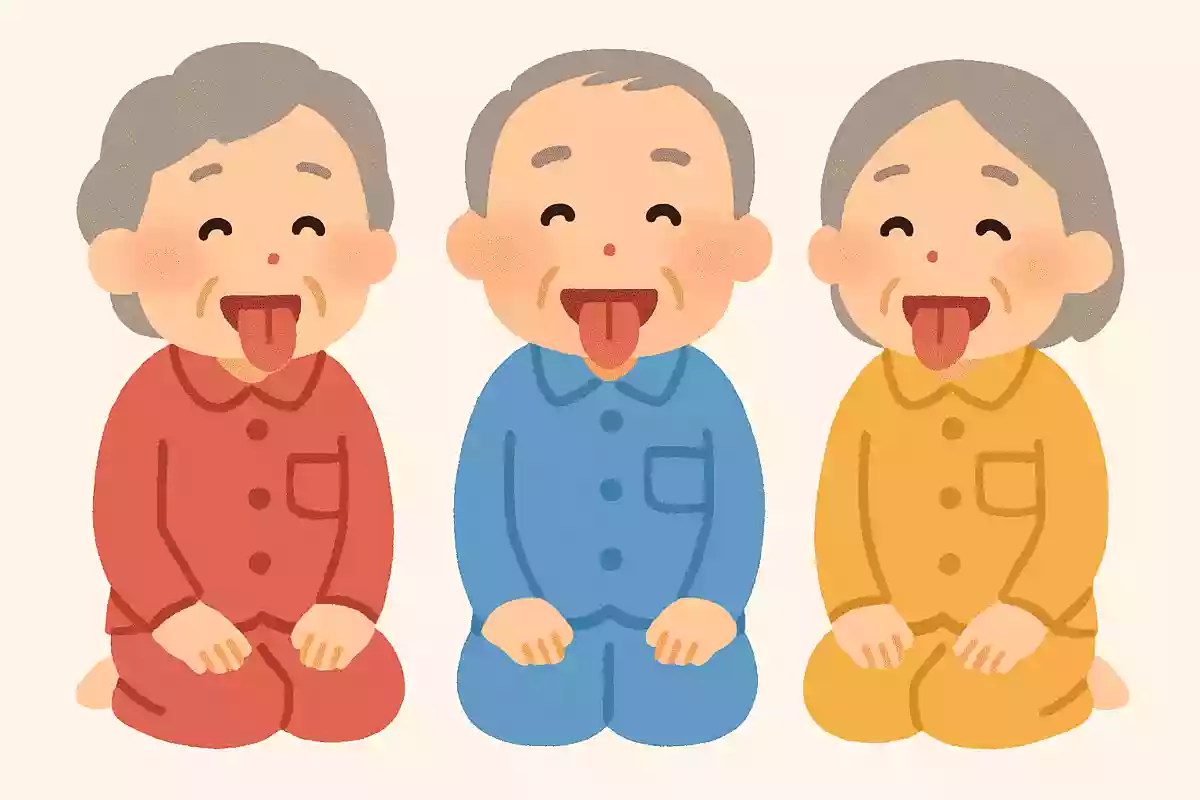
Arranging red, blue, and yellow at the start of words is also a classic pattern in tongue twisters.
“Aka” (red) and “ao” (blue) are sounds that require opening the mouth wide, so if you attach them to phrases with fine movements, the difficulty of the tongue twister increases.
Sounds like “pa” and “ma” are hard to pronounce without first closing the lips, so be mindful of that.
By carefully pronouncing each sound one by one at first, you’ll understand how to move your lips.
If you move your mouth deliberately and gradually increase your speed, your mouth movements will become smoother and you’ll likely strengthen those muscles as well.

There are two chickens in the garden.
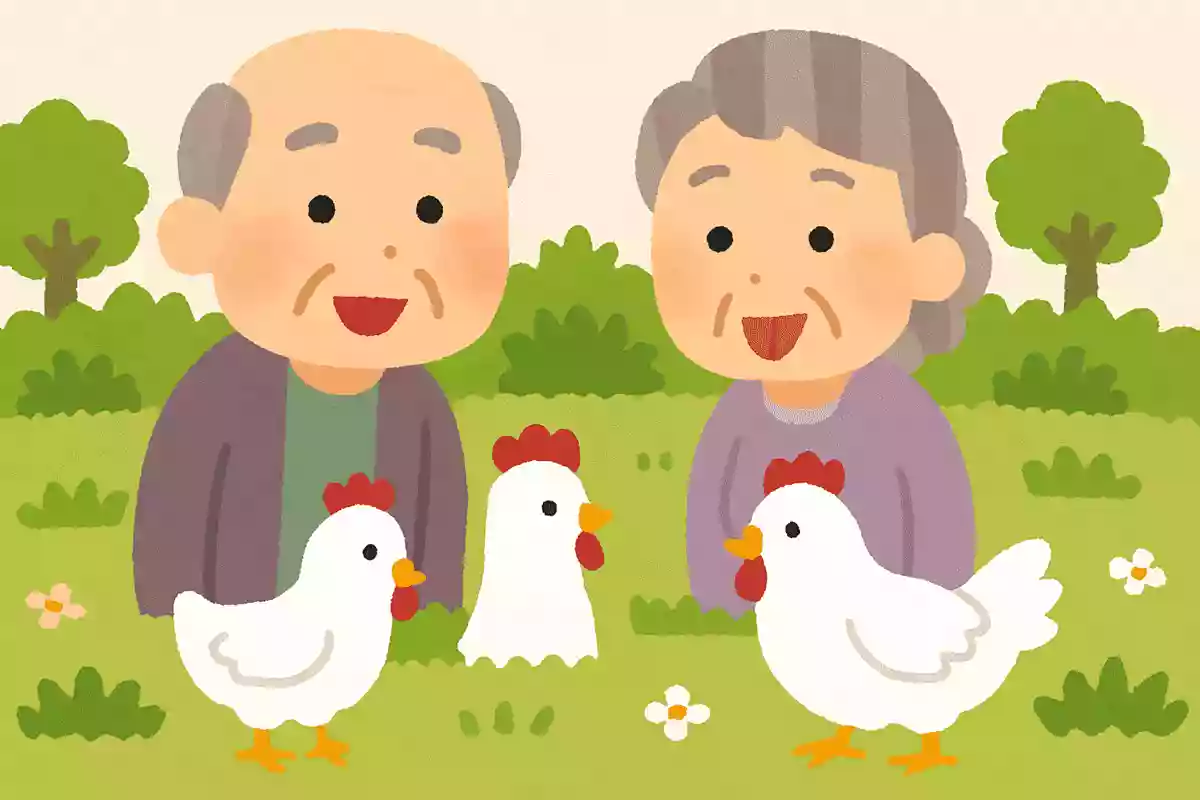
A classic tongue twister that depicts chickens in a garden, notable for the repeated ‘niwa’ sounds.
Since ‘ni’ is pronounced with the lips stretched sideways and ‘wa’ with the mouth opened wider, focusing on articulation gives the muscles around your mouth a solid workout.
The faster you go, the harder it is to distinguish the next word, making it easy to miscount how many times ‘niwa’ appears—another key feature of this phrase.
To pronounce it smoothly, it’s important to clearly visualize the scene the words describe and to pay attention not only to pronunciation but also to accent.
Raw wheat, raw rice, raw eggs
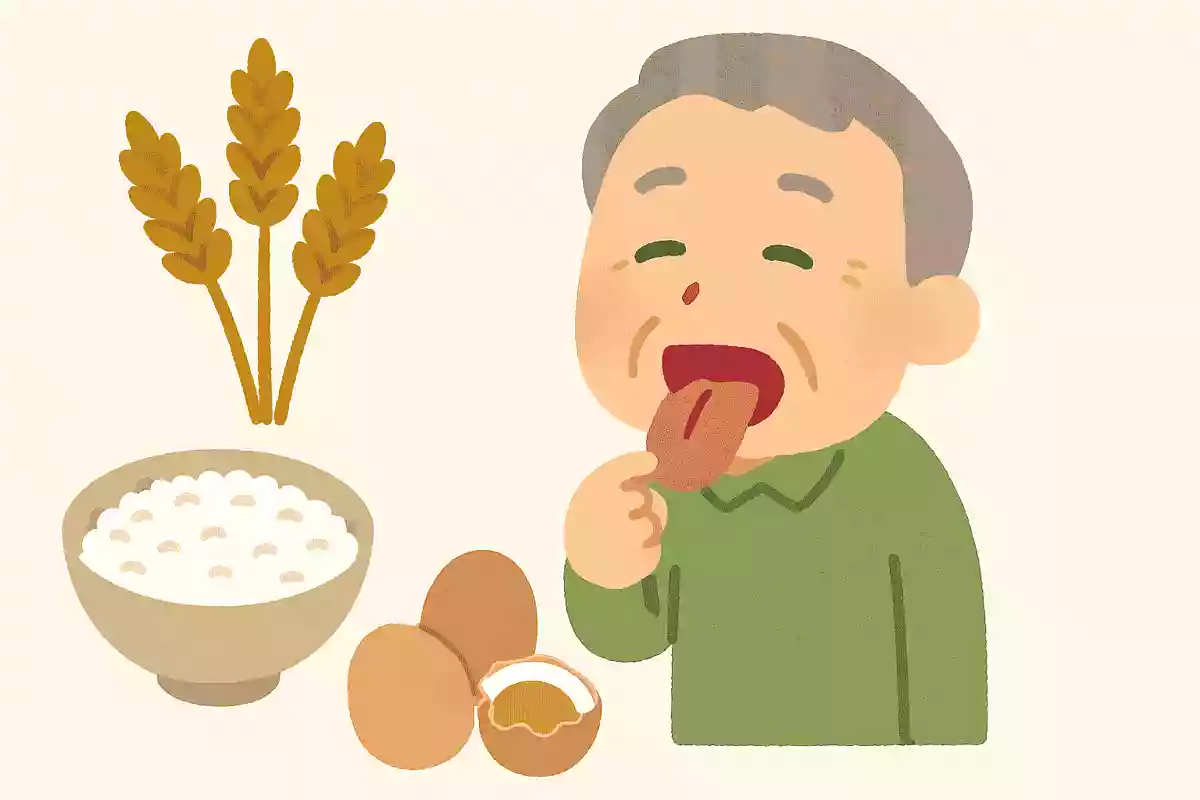
It’s a classic tongue twister—practically the gold standard that everyone’s tried.
In this phrase, pay particular attention to the mouth shape and tongue movement for the “nima” parts.
Start by pronouncing each character slowly and one by one; once you grasp how your tongue moves, your speech should become smoother.
For “na,” tongue movement is key; for “ma,” the opening and closing of the lips are important.
If you pronounce them clearly, it can even help stimulate saliva production.
Focusing on speed helps with smooth delivery, while focusing on mouth movements strengthens the surrounding muscles, so it’s highly recommended.
Both the Japanese plum and the peach are kinds of peaches; the peach and the Japanese plum are both kinds of peaches.
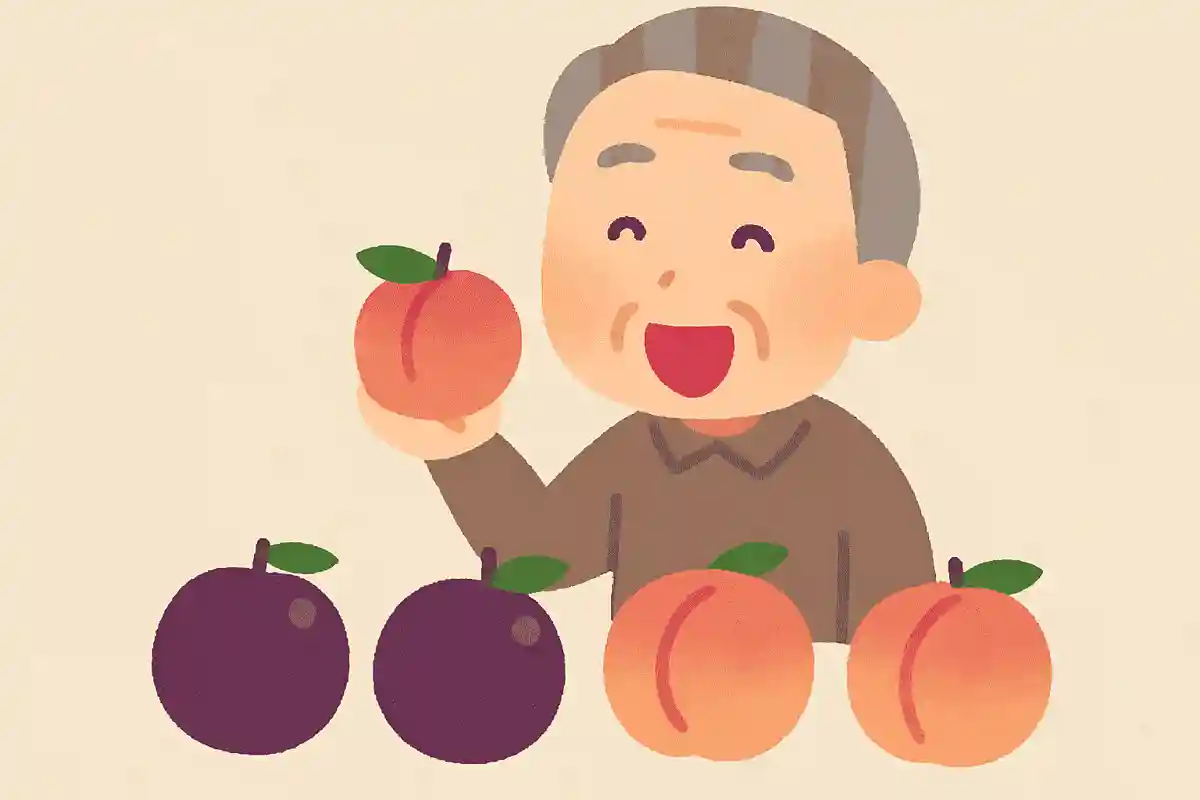
Plums come into season around mid-June.
Plums are a size smaller than peaches and are known for their sweet-and-tart flavor.
Although they’re said to be smaller than peaches, their shapes are similar, which is why there’s a tongue twister: “Sumomo mo momo mo momo no uchi; momo mo sumomo mo momo no uchi,” roughly meaning “Both plums and peaches are kinds of ‘momo.’” Because of this tongue twister, some older adults may have the impression that plums and peaches are the same variety.
However, plums belong to the genus Prunus in the rose family, while peaches belong to the genus Amygdalus (also within the rose family), so they are different.
Indeed, while their shapes are similar, plums have smooth skin, whereas peaches have a fine fuzz.
In fact, plums are said to be more closely related to apricots than to peaches.

Make vine, hang dayflower
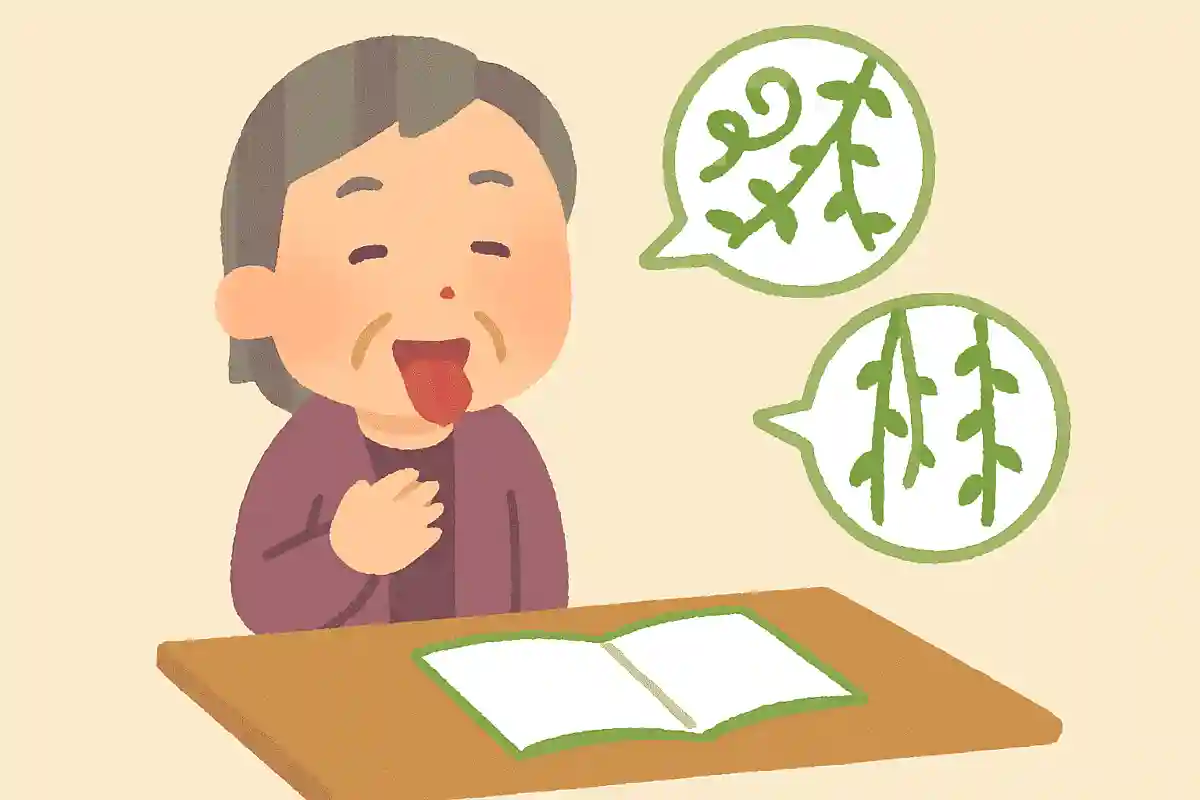
One tongue twister used as a brain-training recreation.
You train your brain by reading awkward sentences that rarely appear in everyday life.
“Tsukuru tsurukusa tsurusu tsuyukusa” is also one of the tongue twisters for older adults.
Various images come to mind from the tongue twister.
You might imagine weaving baskets with climbing vines, and hanging spiderwort as decoration.
In hiragana, it’s “tsukuru,” “tsurukusa,” “tsurusu,” and “tsuyukusa.” They all start with “tsu.” In fact, it’s said that many people—not just older adults—find the ta-row sounds that include “tsu” difficult to pronounce.
Again, mama—eyelid, blink
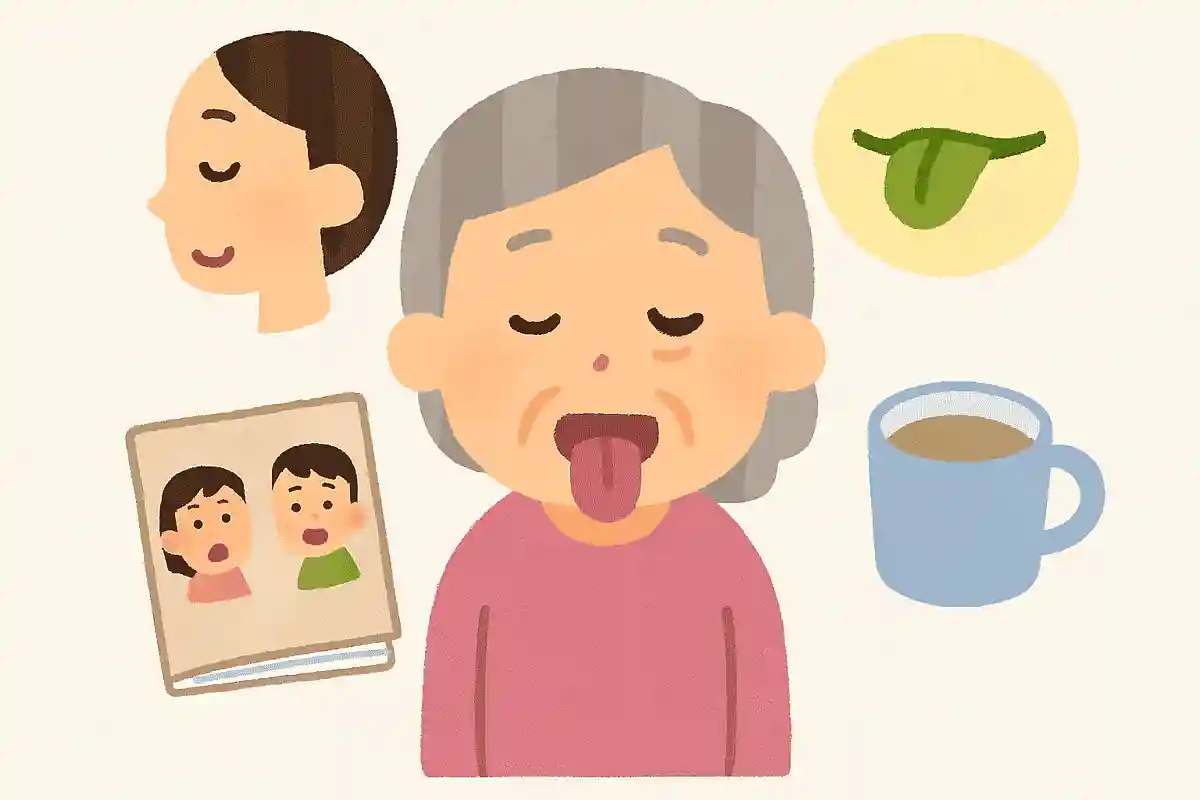
It’s a simple yet tricky tongue-twister that depicts an ordinary mom in her everyday life.
Since it contains many instances of the sound “ma,” which is pronounced after briefly closing the lips, it’s important to move your mouth clearly.
From there, gradually increasing your speed should be manageable.
Also, because different words using “ma” appear in succession and can be confusing, keep your focus on the upcoming words.
If you vividly imagine the scene described by the phrase, the flow of the words becomes easier to grasp, so that’s recommended as well.
[For Older Adults] Improve Oral Function with Tongue Twisters! Recommended Ones to Try (21–30)
Raw catfish, raw sea cucumber, raw nameko mushrooms
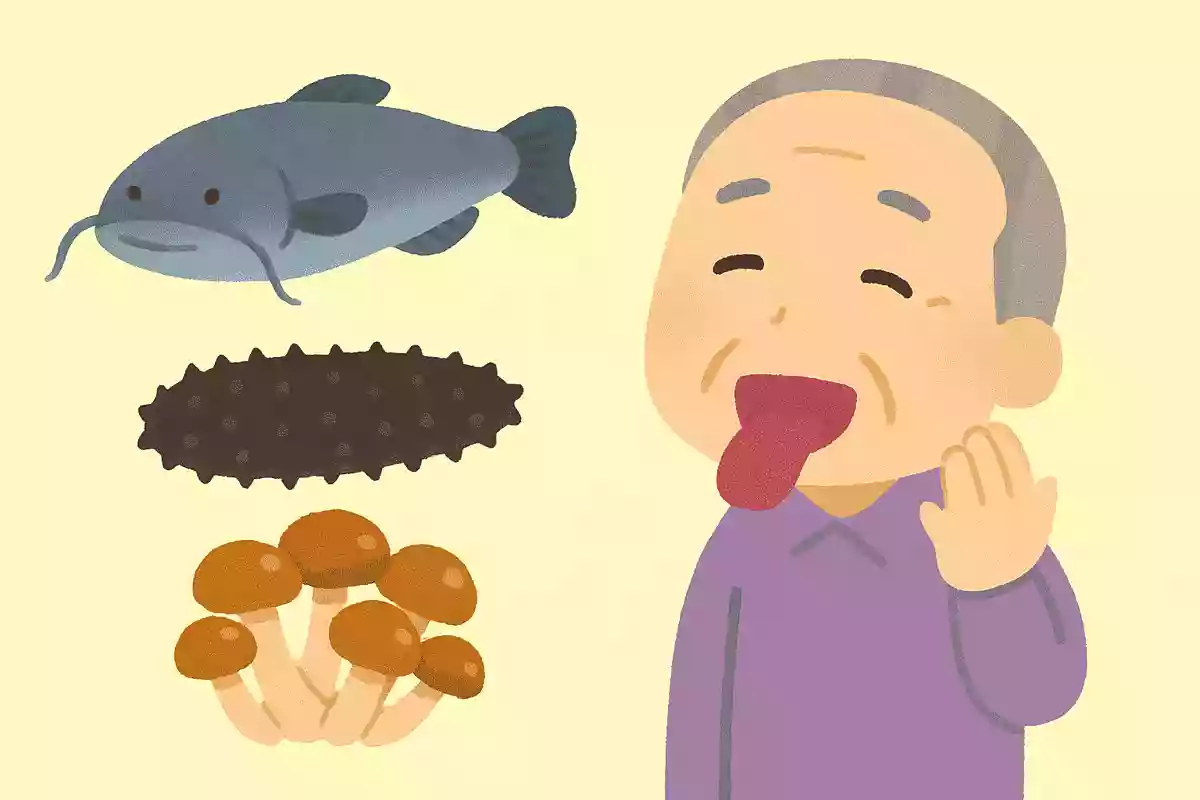
By consciously paying close attention to how you move your tongue and lips, you can pronounce everyday words more smoothly.
This tongue-twister emphasizes exactly those movements.
The word “nama” is the key: the “na” engages clear tongue movement, while the “ma” requires opening and closing the lips in succession, helping you stay mindful of your mouth’s motion.
Pronouncing words that actively use the mouth can also aid saliva production, making this tongue-twister beneficial in several ways.