

[For Seniors] Boost Oral Function with Tongue Twisters! Recommended Picks to Try


For older adults, maintaining oral functions is very important because it contributes to both physical and mental health.
Even if you’re mindful of it in daily life, those functions tend to weaken over time.
That’s when we recommend trying tongue twisters.
Moving the tongue stimulates saliva production and can improve swallowing function.
It also activates brain function and may help prevent dementia.
Tongue twisters are great not only as recreation in day-service and other senior facilities, but also as oral exercises before meals.
Please use this article as a reference and have fun giving it a try!
- [For Seniors] Spice Up Your Usual Oral Exercises! Patakara Exercises and Tongue Twisters
- Tongue twisters that will make you laugh out loud! Super funny
- For seniors: Fun shiritori—enjoyable and easy to play
- [For Older Adults] Games to Enhance Oral Function: Enjoyable and Easy to Do
- [Brain Training] Lively Word Quiz for Seniors
- [For Seniors] Stay Healthy Through Your Mouth with the A-I-U-BE Exercises!
- [For Seniors] Oral Exercises to Keep Eating Deliciously and Enjoyably
- [For Seniors] Lively Wordplay Game: Fun Recreation for Elderly Care
- [For Seniors] Fun Riddles That Stimulate the Brain
- [For Seniors] Uplifting Words That Comfort the Heart
- For Seniors: Fun and Lively Exercise Recreation
- For seniors: Fun, crowd-pleasing word association game ideas
- Challenging tongue twisters: Introducing high-difficulty phrases and sentences!
[For Older Adults] Improve Oral Function with Tongue Twisters! Recommended Ones to Try (21–30)
Searching for Jeju Island in an atlas
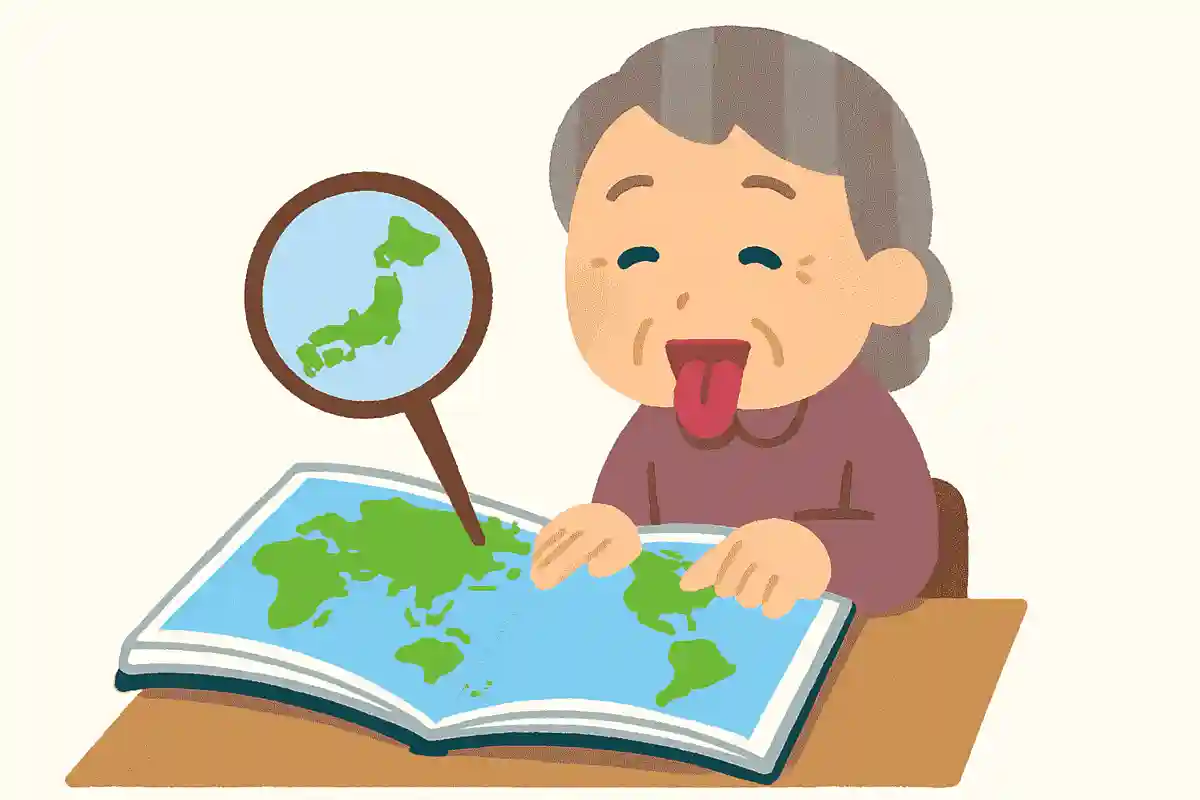
This is a tongue twister that focuses on the similarity in sound between “chizuchō” (map book/atlas) and Korea’s “Jeju Island.” It’s important to pay attention to the subtle differences in pronunciation between “chizu” and “Jeju,” as well as the distinctive tongue movements.
Knowing that Jeju Island is in Korea and understanding the meaning of the phrases are also essential for smooth pronunciation.
Since the differences in pronunciation are the tricky part, it seems like a phrase that will feel increasingly challenging as you repeat it multiple times.

Pa-Ta-Ka-Ra finger exercises

Many care facilities incorporate the “Pa-Ta-Ka-Ra” oral exercises.
However, some older adults may get bored if it’s the same routine every time.
So let’s add finger movements to the usual Pa-Ta-Ka-Ra exercises.
While saying pa-ta-ka-ra out loud, clap your hands or make a “fox” hand pose and move your hands.
The key is to enjoy it.
You’ll be using both your mouth and your hands, which can be tricky at first if you’re not used to it.
But it’s fine to make mistakes.
We use both our mouths and hands when eating, right? Using your fingertips during the exercises also helps train the movements needed for meals.
Try doing Pa-Ta-Ka-Ra with added finger movements at the pace that suits the older adults.

Men and women of all ages in Myanmar
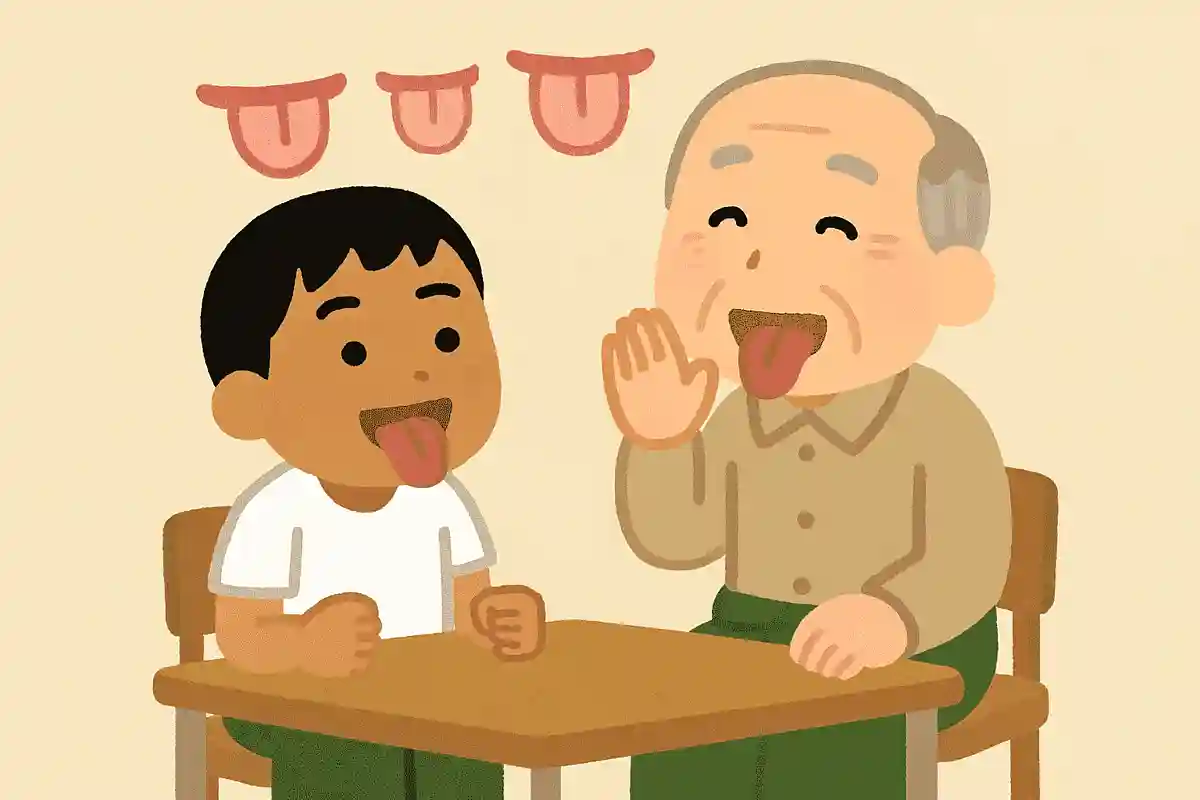
“Myanmar” and “rounyaku-nyonan” (meaning people of all ages and genders) are both famously tricky words to pronounce in Japanese.
This tongue twister is a simple combination of those difficult words.
Let’s focus on the different types of difficulty: “rounyaku-nyonan” is inherently hard to say on its own, while “Myanmar” becomes tricky through repetition.
By repeating the combined phrase, you can expect not only to train your mouth movements but also to get some brain exercise by anticipating the next phrase.
The plum that Mr. Umeda from Ome planted turned into delicious umeboshi.
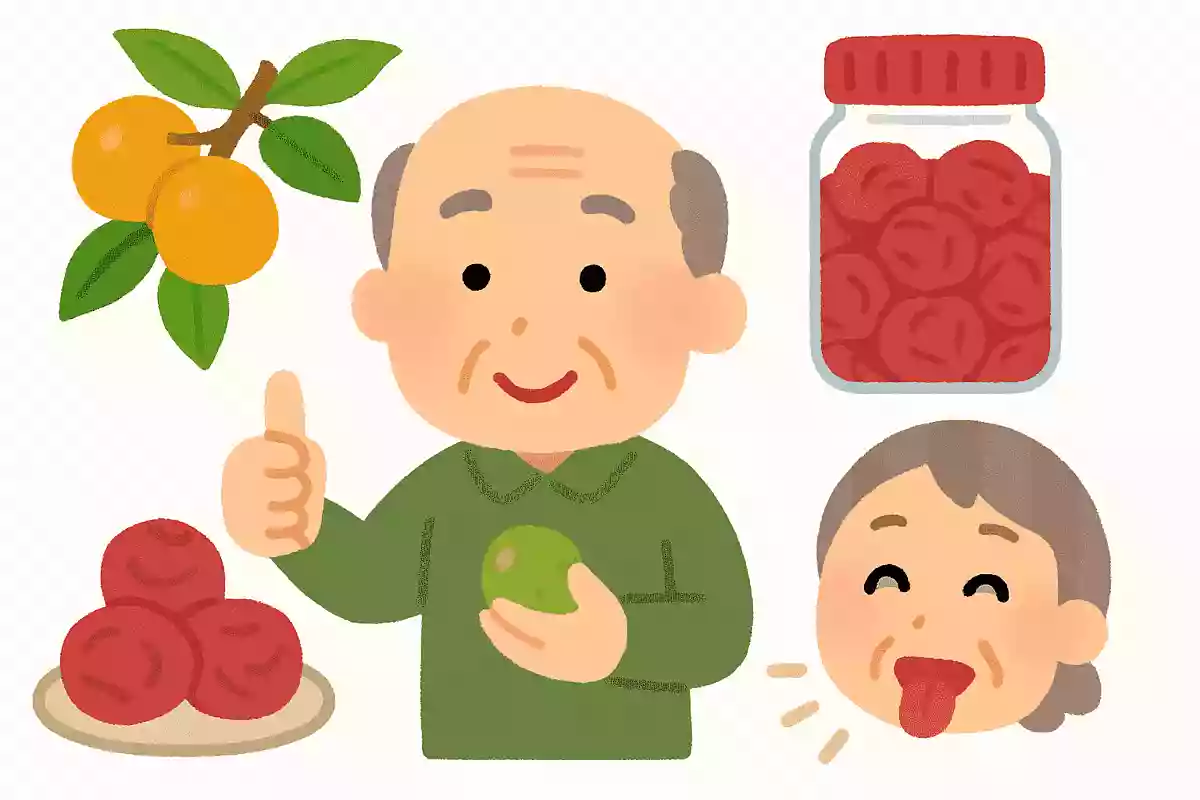
This is a tongue twister that tells a plum-themed story, notable for its repeated use of the word “ume.” Push your lips forward when pronouncing the “u” sound, and be mindful of the contrast with the following sounds to move your mouth fully.
Another key point is that “ue” is mixed in with “ume,” which makes the overall phrase trickier to say due to its accent pattern.
If you pay attention to your lip movements and clearly visualize the story, it should become easier to pronounce.
This sushi has a bit too much vinegar.
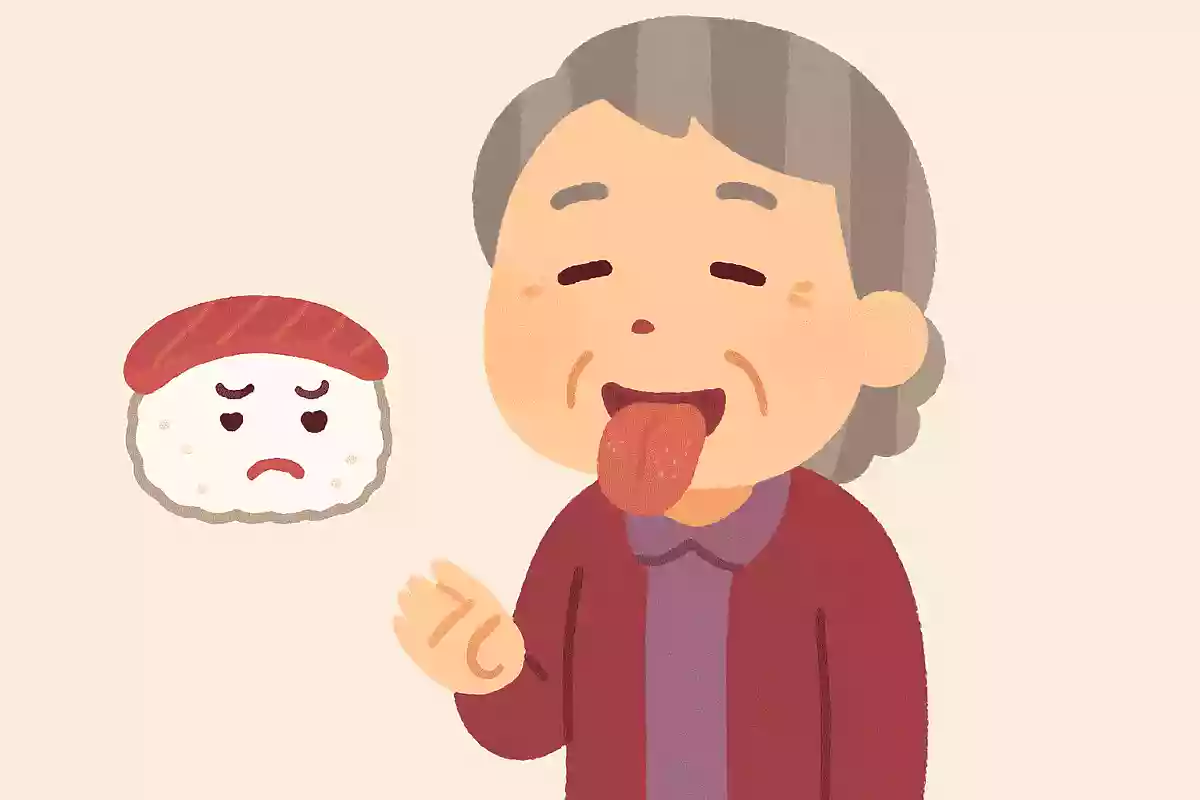
It’s a tongue twister that sounds like a simple comment about sushi, as if taken from everyday conversation.
The way you move your mouth for “su” and “shi” is important, and how you use your breath is also key for smooth pronunciation.
If you focus on rounding your lips for “su” and spreading your lips sideways while keeping your teeth closed for “shi,” you can engage your mouth muscles properly.
Using breath will also make the “s” sounds clearer, so that’s another point to watch.
It’s helpful to start by paying attention to your mouth shape and then gradually increase your speed.
I leaned bamboo against this bamboo fence because I wanted to lean bamboo against it.
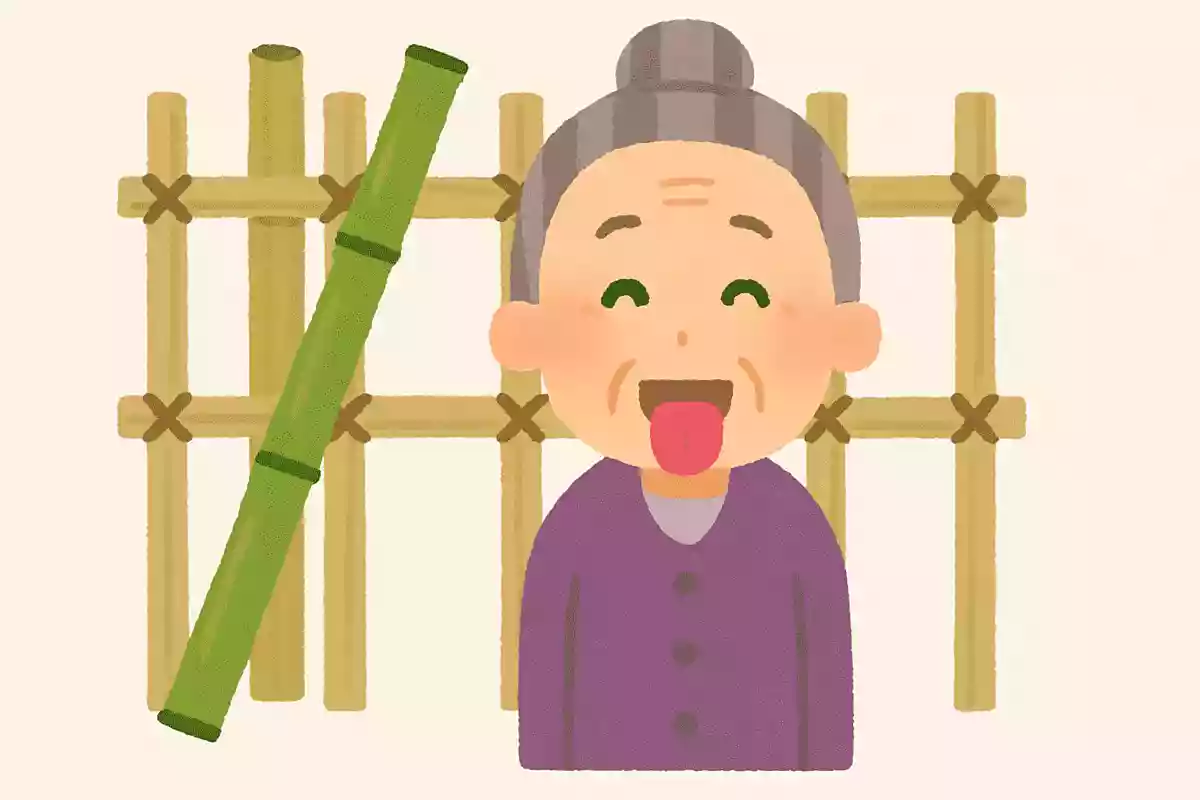
Among the many types of tongue twisters, one that is known to be especially difficult is: “Kono takegaki ni take tatekaketa no wa, take tatekaketakatta kara take tatekaketa.” Put simply, it evokes the image of bamboo being propped against a bamboo fence.
Once you understand what kind of situation it’s describing, you’ll be less likely to get confused.
That said, it’s quite a long tongue twister, so memorizing it is no easy task.
Start by reading it repeatedly to commit it to memory.

Get hyped! High-speed patakara

This is an exercise that encourages you to pay close attention to the speed of articulation and aim for smooth mouth movements.
Focusing on each of the syllables in the familiar “pa-ta-ka-ra,” it’s a simple activity where you repeatedly say the specified syllable in succession.
It’s easiest to follow the person standing in front, using their pronunciation as a reference and aiming for the same mouth movements and the same speed.
The comical effort of trying hard to pronounce the same word is also an important point—let’s make it fun while training the mouth’s movements.