

[For Seniors] Boost Your Knowledge! Fun Trivia Quiz


“I wonder what this animal is.” “Who could this historical figure be?” There are still many things even older adults may not know, right?
So this time, we’re introducing a set of trivia quizzes we’d like older adults to try.
Even seniors with a wealth of knowledge might come across trivia that makes them say, “I learned that for the first time.”
What’s more, getting the answers right can boost motivation, making these quizzes great for recreational activities at senior facilities.
They’re excellent brain training, of course, and we hope everyone enjoys them together, including sharing stories related to the trivia quizzes.
- [For Seniors] Laugh-Out-Loud, Crowd-Pleasing! Fun Quiz
- [For Seniors] Trivia Multiple-Choice Quiz
- [For Seniors] Fun and Informative Trivia Quiz Collection
- [For Seniors] Fun and Informative! Trivia and Quizzes Introduced
- [Brain Training] Lively Word Quiz for Seniors
- [For Seniors] Fun and Informative! Health Trivia Quiz
- [For Seniors] Surprising Facts! Multiple-Choice Trivia Quiz (4 Options)
- [For Seniors] Fun Food Trivia Quizzes You'll Want to Share
- [For Seniors] Fun! Let’s Get Excited with Japan’s Number One Quiz
- [For Seniors] Fun Riddles That Stimulate the Brain
- [For Seniors] Today’s recommended quiz. Daily brain-training quiz!
- [For Seniors] January Trivia Quiz & Fun Facts. Brain training with quizzes about New Year and winter.
- [For Seniors] Guaranteed to Liven Things Up! A Collection of Brain Training Activities That Will Spark Laughter
[For Seniors] Boost Your Knowledge! Fun Trivia Quiz (81–90)
When eating an Ehomaki on Setsubun, what you must not do is talk.
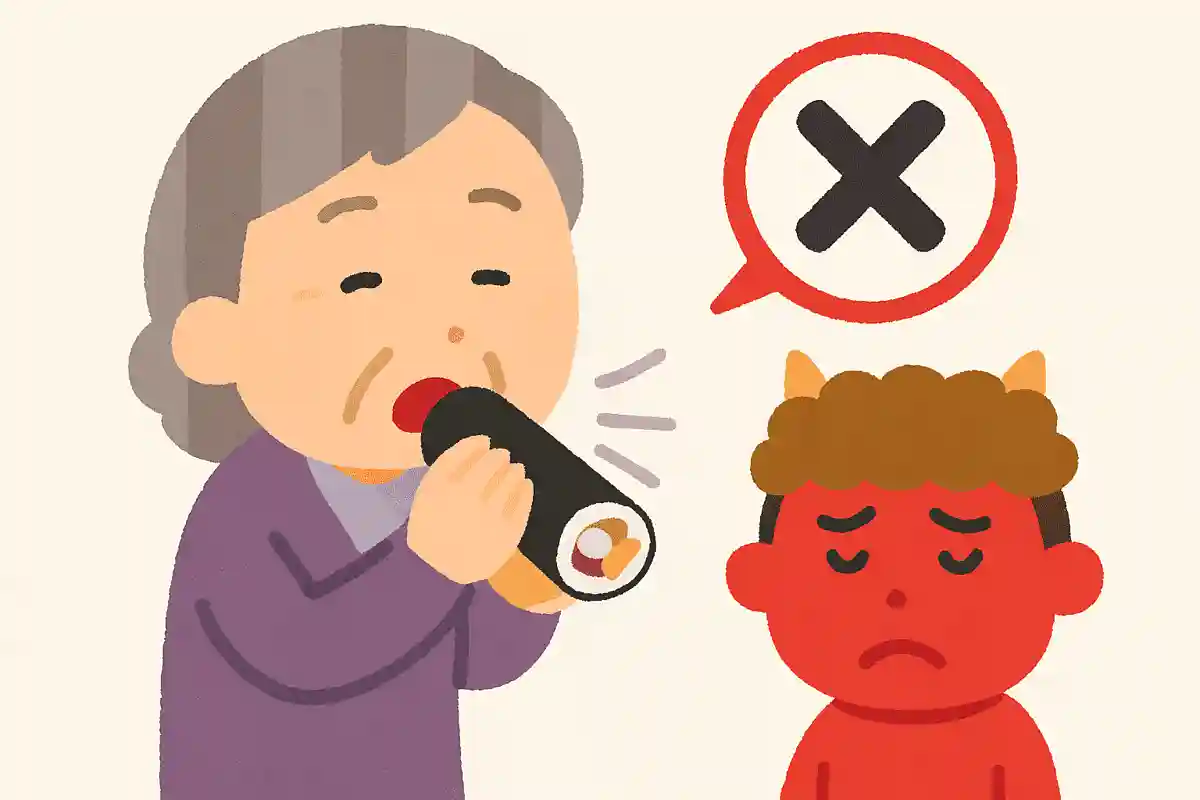
When it comes to must-eat foods for Setsubun, ehomaki definitely tops the list.
It originally started as a culinary custom in the Kansai region, but is said to have spread nationwide after convenience store chains and supermarkets began selling it.
In fact, there’s something you shouldn’t do when eating ehomaki: talk.
Proper etiquette is to eat it silently while facing the year’s lucky direction for Setsubun.
On Setsubun, keep this custom in mind as you eat to invite good fortune.

It is considered best to perform Setsubun bean throwing at night.
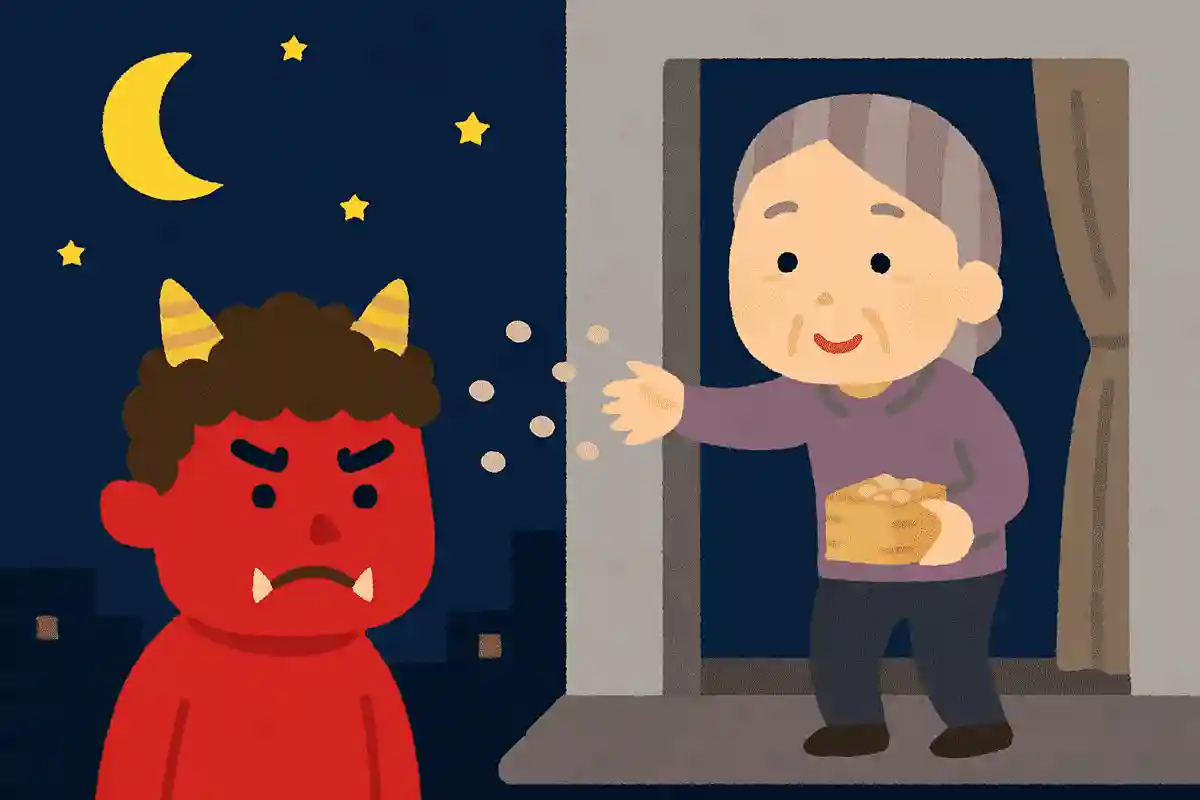
Setsubun is a traditional Japanese event.
In households with children, there are many opportunities to do mamemaki (bean throwing).
Although it’s something we often do without much thought, do you know what time of day it’s considered best to perform mamemaki? The answer is “at night.” Since ancient times, it has been believed that oni (demons) come at midnight.
It was also recommended to do it at night when the whole family is gathered, to drive away worldly desires from the heart and welcome the new season in purity.
Today, however, holding it at midnight can cause noise issues and make cleaning difficult, so it is generally done in the early evening to nighttime.
What color is a red pickled plum before it’s dried?

Harvesting of ume plums begins around the start of the rainy season.
Ume can be processed into many things, such as umeboshi (pickled plums), umeshu (plum liqueur), and honey-preserved plums.
There are two types of plums used for processing: green unripe plums and fully ripe plums, distinguished by the time they are picked.
The red umeboshi are made from fully ripe yellow plums with soft flesh.
The other type is the firm green plums harvested before they ripen, which are suitable for umeshu or crunchy pickled plums.
In fact, both fully ripe plums and green plums contain toxic components.
As the fruit ripens, these toxins decrease, and once the plums are processed—by drying or pickling—they become safe to eat.

Japan’s first moving walkway debuted in 1967 (Showa 42). Do you know where it made its first appearance?
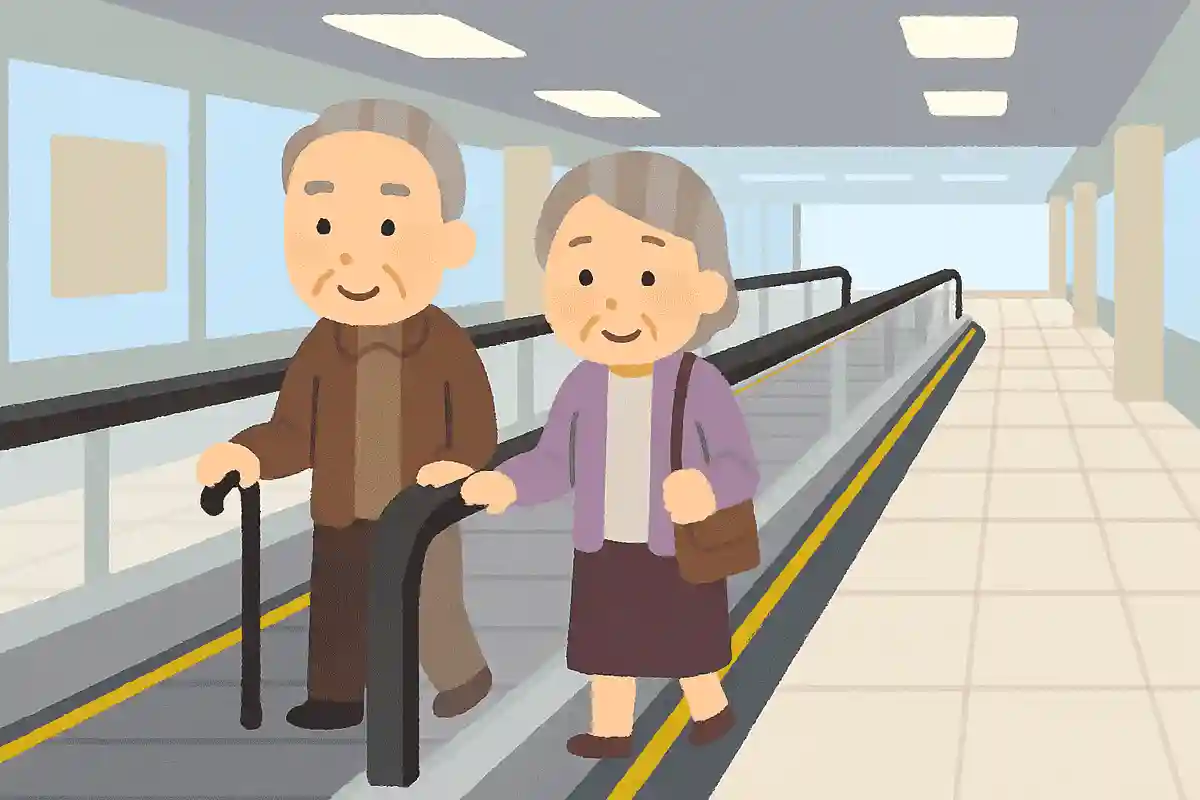
Moving walkways found in airports and large train stations look like escalators, but instead of taking you up or down a floor, they carry you straight ahead.
They’re faster than walking and let you glide smoothly to your destination, making them very convenient.
So, where did moving walkways first appear in Japan? Here’s a hint: it’s in Kansai, in a place known for people who are often in a hurry.
The answer is Osaka! The first one was installed at Hankyu Umeda Station.
At the time, the station was undergoing expansion, and the walkway was built to improve access from platform to platform.
By the way, you often see people walking on moving walkways, but it’s dangerous, so once you step on, stand still and ride it to your destination.

In 1970 (Showa 45), the local call charge for public telephones became 10 yen for 3 minutes. What had the pricing structure been like before that?
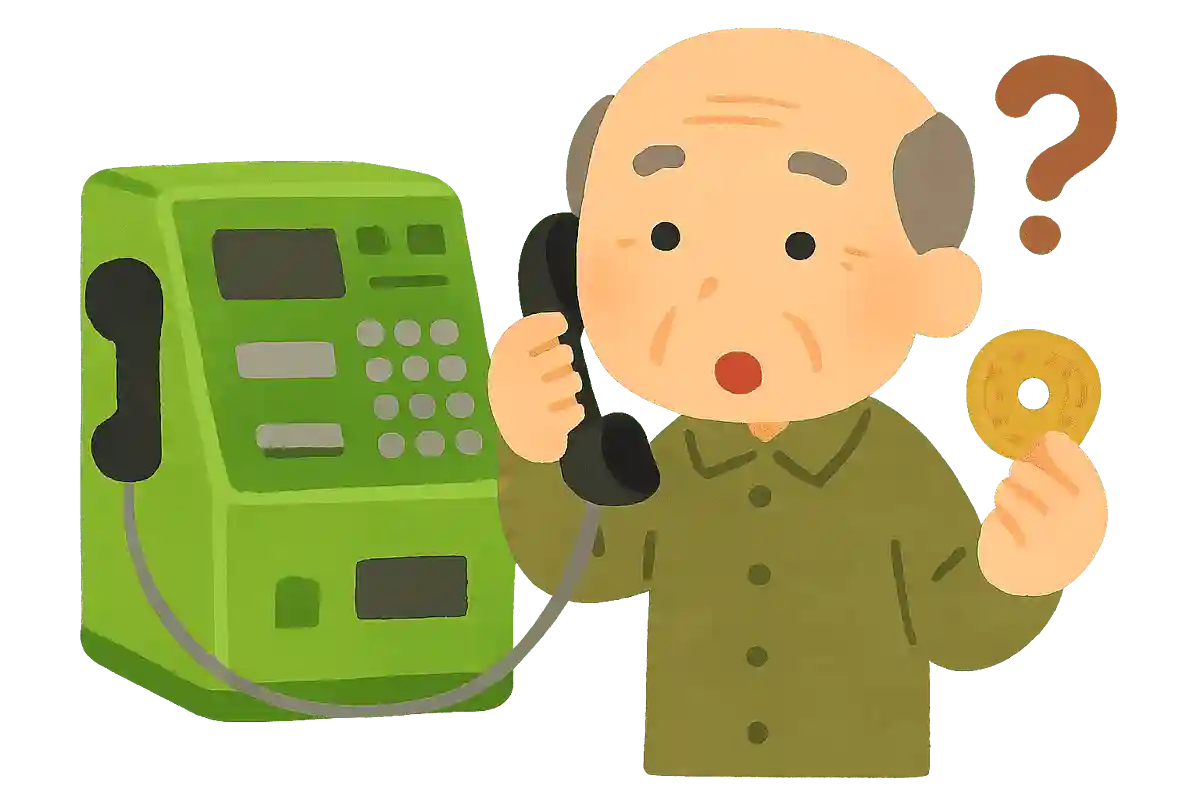
Public telephones used to be essential for making calls while out and about, but as time has gone on, we see them less and less.
Because opportunities to use them have decreased, many of us may no longer have a clear sense of the cost, but the rate is set at 10 yen for three minutes.
That “10 yen for three minutes” rate was introduced in 1970; before that, the pricing was different.
So what was the rate before 1970? The answer is “10 yen per call.” As long as you paid 10 yen, there was no time limit—your call would stay connected without worrying about the duration.
It’s worth noting the anecdote that many people would monopolize the phone for long periods because of this.

The origin of the 3 o’clock snack
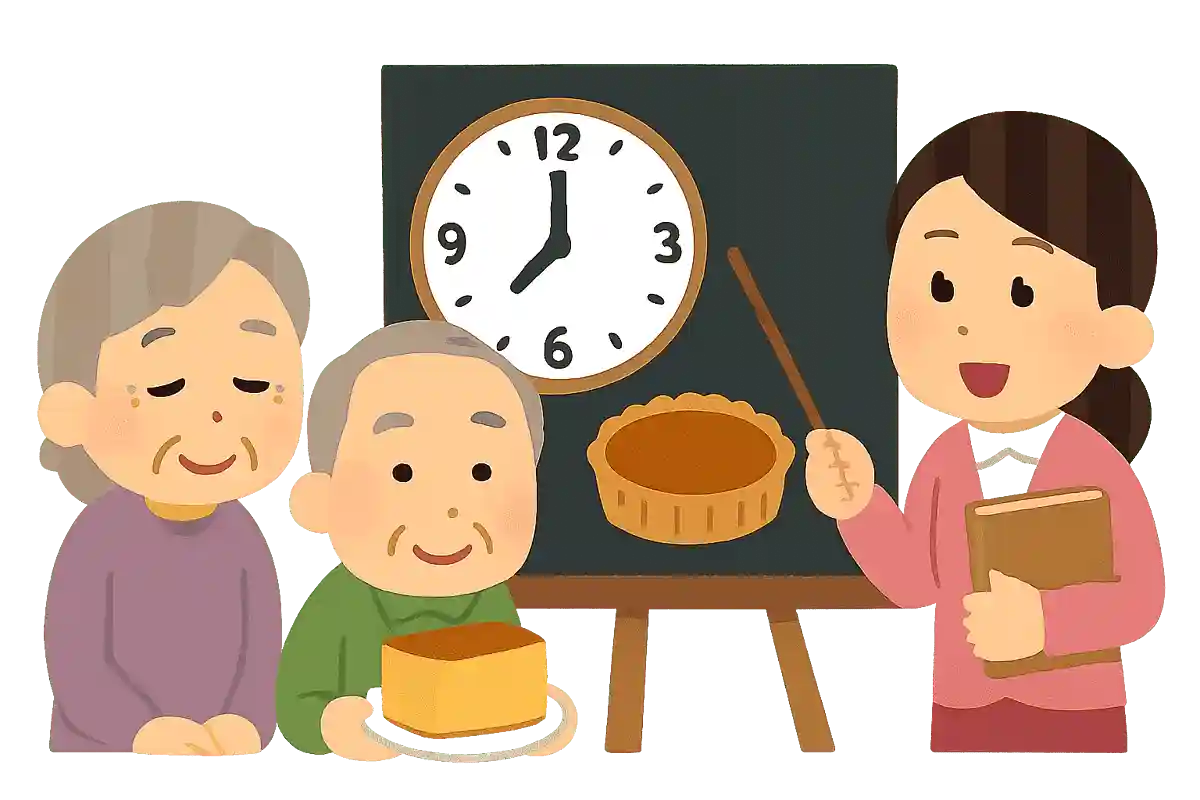
Even if you eat proper meals in your daily life, there are times when you start to feel hungry, right? Snacks help sustain your energy at those times, and for some people, that snack time is something to look forward to.
The phrase associated with snacks, “san-ji no oyatsu” (the 3 o’clock snack), is closely related to the origin of the word oyatsu itself.
In the Edo period, the time between 2 p.m.
and 4 p.m.
was called yatsudoki (the eighth hour), from which the word oyatsu is said to have originated.
It’s interesting that both “3 o’clock” and “oyatsu” point to a similar idea, isn’t it?
[For Seniors] Boost Your Knowledge! Fun Trivia Quiz (91–100)
What animal returned alive from space on May 28?

Various experiments were repeatedly conducted so that humanity could challenge space.
Among the experiments related to space, let us consider the animals that embarked on a journey into space and returned, which are said to represent a major step forward in place of humans.
If we keep in mind that these were experiments to study rocket launches and the effects of outer space on humans, the patterns in the choice of animals may become apparent.
The animals launched on May 28, 1959, who safely returned, were monkeys—Able, a rhesus macaque, and Baker, a squirrel monkey—who are remembered as animals that made great contributions to humanity’s advance into space.