

[For Seniors] Boost Your Knowledge! Fun Trivia Quiz


“I wonder what this animal is.” “Who could this historical figure be?” There are still many things even older adults may not know, right?
So this time, we’re introducing a set of trivia quizzes we’d like older adults to try.
Even seniors with a wealth of knowledge might come across trivia that makes them say, “I learned that for the first time.”
What’s more, getting the answers right can boost motivation, making these quizzes great for recreational activities at senior facilities.
They’re excellent brain training, of course, and we hope everyone enjoys them together, including sharing stories related to the trivia quizzes.
- [For Seniors] Laugh-Out-Loud, Crowd-Pleasing! Fun Quiz
- [For Seniors] Trivia Multiple-Choice Quiz
- [For Seniors] Fun and Informative Trivia Quiz Collection
- [For Seniors] Fun and Informative! Trivia and Quizzes Introduced
- [Brain Training] Lively Word Quiz for Seniors
- [For Seniors] Fun and Informative! Health Trivia Quiz
- [For Seniors] Surprising Facts! Multiple-Choice Trivia Quiz (4 Options)
- [For Seniors] Fun Food Trivia Quizzes You'll Want to Share
- [For Seniors] Fun! Let’s Get Excited with Japan’s Number One Quiz
- [For Seniors] Fun Riddles That Stimulate the Brain
- [For Seniors] Today’s recommended quiz. Daily brain-training quiz!
- [For Seniors] January Trivia Quiz & Fun Facts. Brain training with quizzes about New Year and winter.
- [For Seniors] Guaranteed to Liven Things Up! A Collection of Brain Training Activities That Will Spark Laughter
[For Seniors] Boost Your Knowledge! Fun Trivia Quiz (71–80)
What is the reason melons develop their net-like patterns?
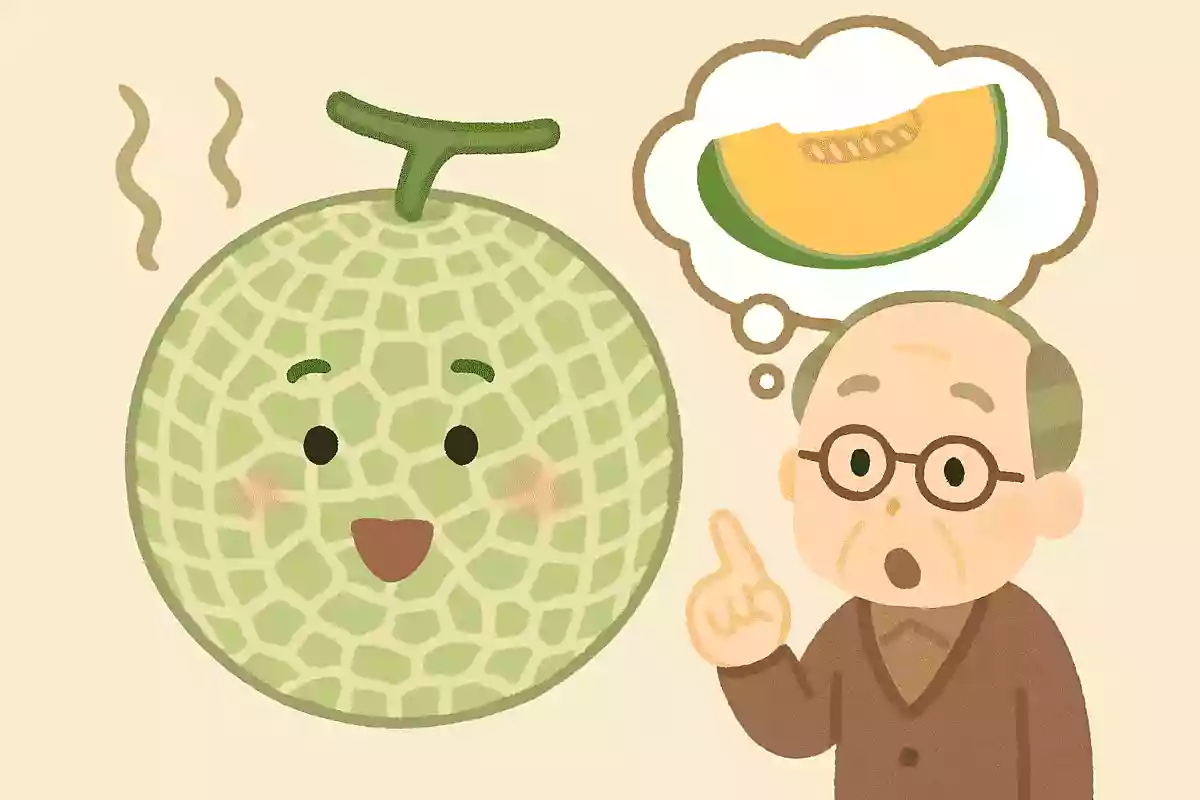
It’s said that the net-like pattern on melons forms to prevent the skin from cracking.
After pollination, melon fruits grow extremely rapidly from the early to middle stages.
As the flesh expands quickly, cracks appear in the skin, which cannot stretch enough.
This is the beginning of the net pattern.
The cracks do not form all at once; as the fruit continues to enlarge, new cracks appear one after another, and the repeated process of these cracks healing creates the intricate net-like pattern.

Why did sushi and sashimi start being served with wasabi?
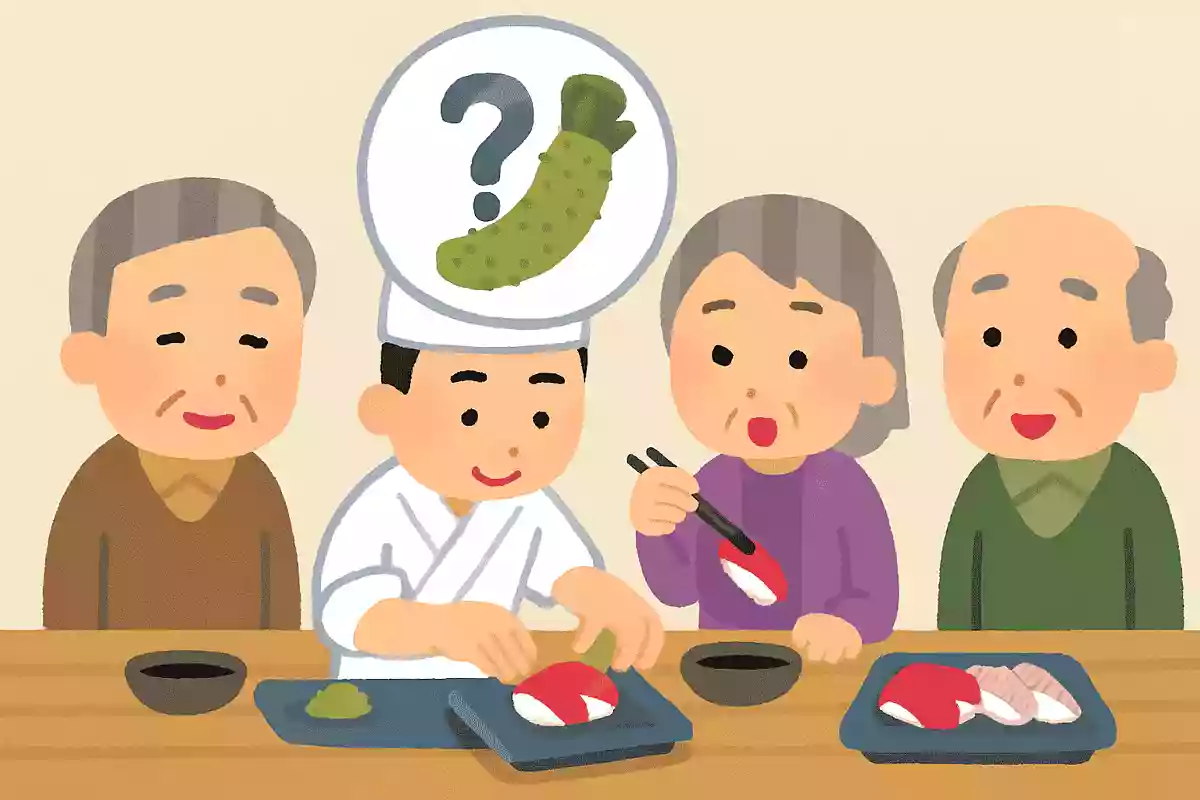
Many people don’t know this! Here’s a trivia quiz: Why did wasabi start being served with sushi and sashimi? Some people mix wasabi into soy sauce when eating sushi or sashimi.
But do you know why we began eating them with wasabi in the first place? The answer is: because wasabi has antibacterial properties that help prevent food poisoning.
While its sharp aroma and flavor are key attractions, the antibacterial effect makes it a win-win.
Which has higher nutritional value: fresh shiitake mushrooms or dried shiitake mushrooms?
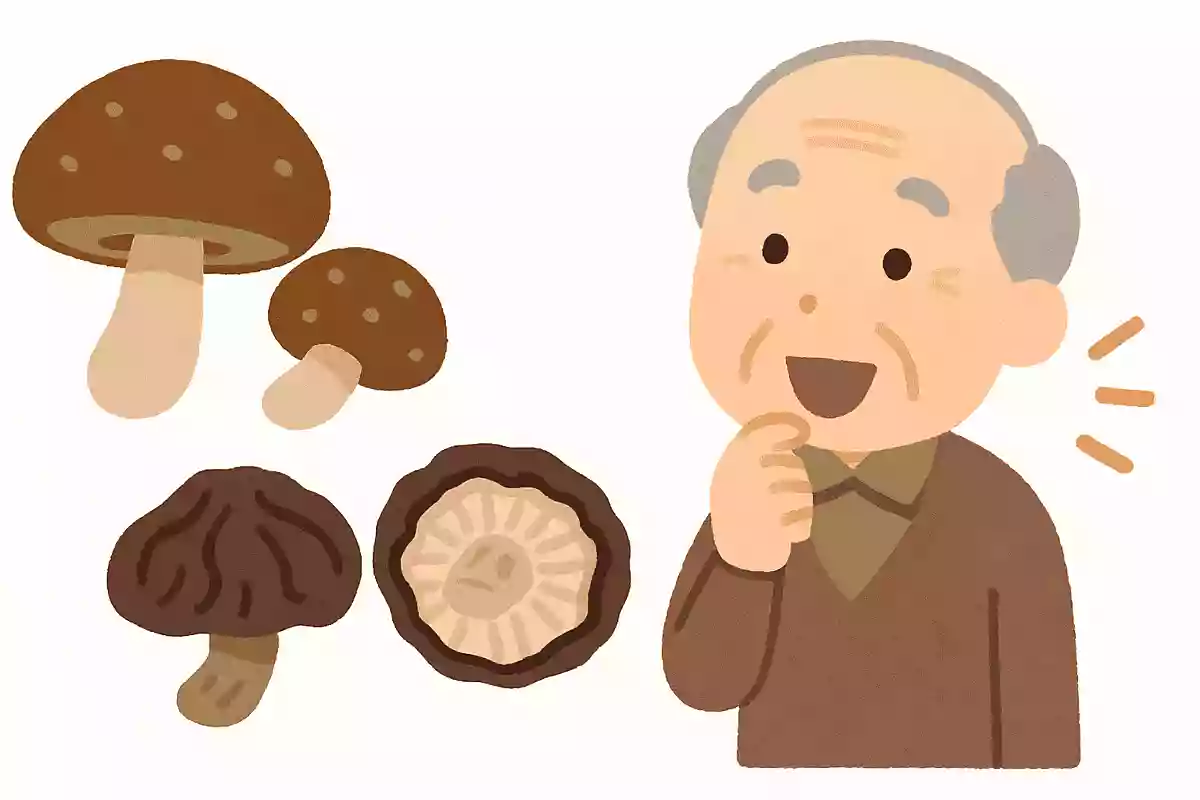
A quiz about nutritional value! Which has higher nutritional value: fresh shiitake or dried shiitake? Here’s a fun trivia quiz.
Fresh shiitake are often cooked to highlight their texture and natural flavor, while dried shiitake have a rich aroma and are great for simmered dishes.
Both are delicious in different ways, but do you know which is more nutritious? The answer is dried shiitake.
Comparing vitamin D, dried shiitake contain about 11 times more than fresh shiitake.
Definitely something to include in your diet!
How much honey does a single honeybee collect over the course of its lifetime?
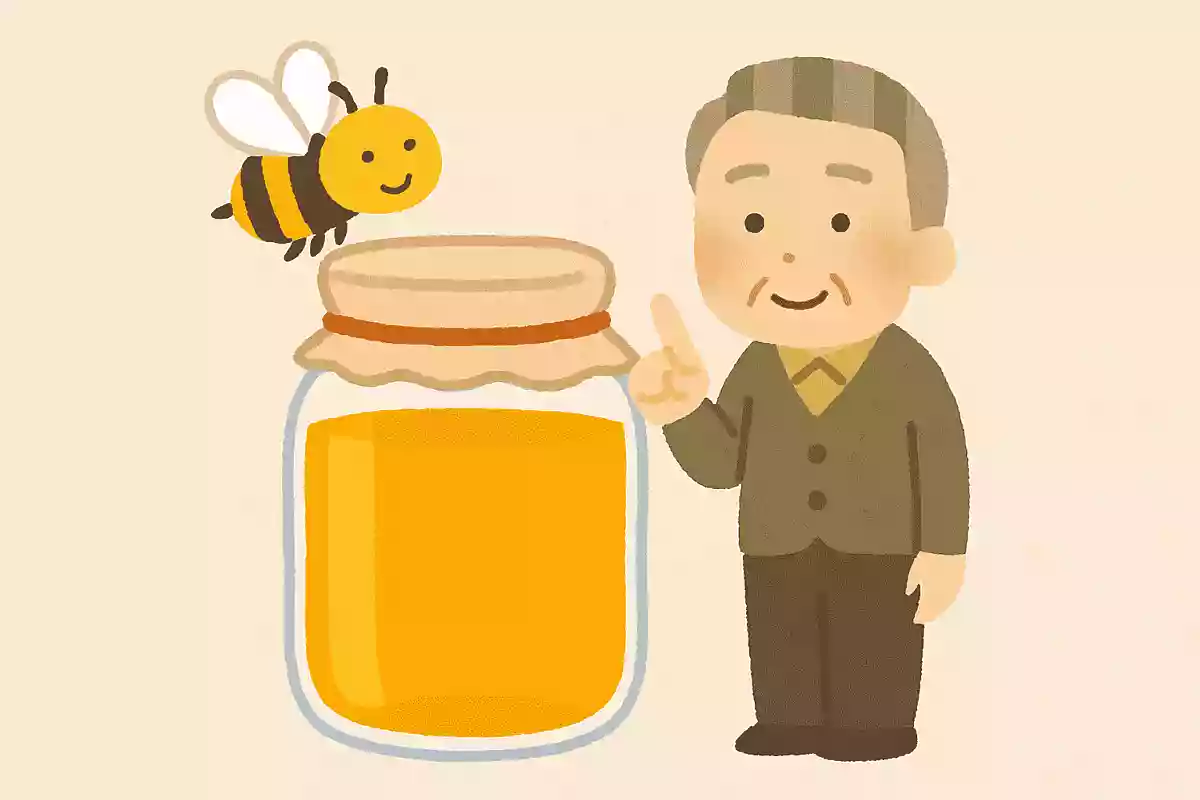
Fascinating trivia that makes you want to know the answer! Here’s a trivia quiz: How much nectar does a single honeybee collect over its lifetime? We know that honeybees gather nectar, but many of us have probably never thought about how much they actually collect.
The answer is said to be about one teaspoon.
Given that a honeybee’s lifespan is about one month, it’s believed they spend roughly two weeks of that time foraging outside.
When you think about how carefully each bee brings back its nectar, it really renews your sense of gratitude for the food we eat.
Easter quiz

Also known as Easter, the holiday that celebrates the resurrection of Jesus Christ may not be so widespread in Japan, where many people are Buddhist.
Here is a spring-themed quiz that can deepen your knowledge of Easter.
You can learn things like how the Easter season can last as long as 90 days, and how the rabbit used as an Easter symbol represents fertility.
Let’s use this quiz to become more familiar with Easter.
Gaining new knowledge is a lot of fun, isn’t it?

Ice cream was originally served as a kind of medicine. What was the medicine for?
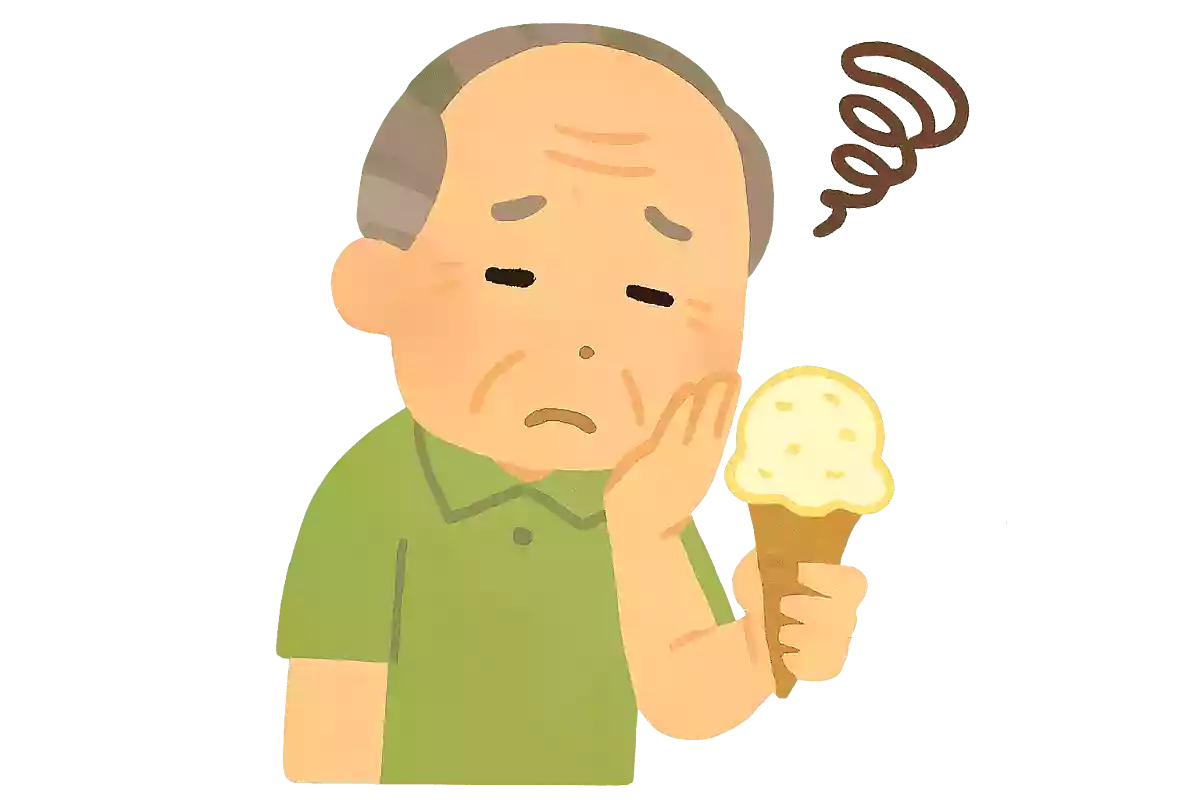
On hot summer days, you really feel like eating ice cream, don’t you? Many people think of ice cream as a dessert, but it actually wasn’t originally one.
In ancient Greece and Rome, it was reportedly eaten by soldiers for recovery from fatigue and as a health food.
Back then, people would pour honey or fruit syrups over natural ice or snow and eat it.
It seems that ice cream began to be eaten as a dessert like it is today around the 16th to 17th centuries, and it is said to have been introduced to Japan from the late Edo to the Meiji period.

What will the weather be like when contrails linger for a long time?

When you look up at the sky, you sometimes see thin white streaks lingering behind airplanes.
These are called contrails—long, narrow white clouds that form after an airplane passes.
Sometimes contrails remain in the upper sky for a long time, and when they do, it’s said that rain may be on the way.
The reason is that when a low-pressure system is approaching from the west, the upper air is moist, making contrails slower to evaporate.
As a low-pressure system approaches, the weather tends to deteriorate.
Conversely, if contrails disappear quickly, it likely means the weather won’t worsen anytime soon.