

[For Seniors] Boost Your Knowledge! Fun Trivia Quiz


“I wonder what this animal is.” “Who could this historical figure be?” There are still many things even older adults may not know, right?
So this time, we’re introducing a set of trivia quizzes we’d like older adults to try.
Even seniors with a wealth of knowledge might come across trivia that makes them say, “I learned that for the first time.”
What’s more, getting the answers right can boost motivation, making these quizzes great for recreational activities at senior facilities.
They’re excellent brain training, of course, and we hope everyone enjoys them together, including sharing stories related to the trivia quizzes.
- [For Seniors] Laugh-Out-Loud, Crowd-Pleasing! Fun Quiz
- [For Seniors] Trivia Multiple-Choice Quiz
- [For Seniors] Fun and Informative Trivia Quiz Collection
- [For Seniors] Fun and Informative! Trivia and Quizzes Introduced
- [Brain Training] Lively Word Quiz for Seniors
- [For Seniors] Fun and Informative! Health Trivia Quiz
- [For Seniors] Surprising Facts! Multiple-Choice Trivia Quiz (4 Options)
- [For Seniors] Fun Food Trivia Quizzes You'll Want to Share
- [For Seniors] Fun! Let’s Get Excited with Japan’s Number One Quiz
- [For Seniors] Fun Riddles That Stimulate the Brain
- [For Seniors] Today’s recommended quiz. Daily brain-training quiz!
- [For Seniors] January Trivia Quiz & Fun Facts. Brain training with quizzes about New Year and winter.
- [For Seniors] Guaranteed to Liven Things Up! A Collection of Brain Training Activities That Will Spark Laughter
[For Seniors] Boost Your Knowledge! Fun Trivia Quiz (91–100)
What anniversary is the anniversary of the popular menu on May 6?
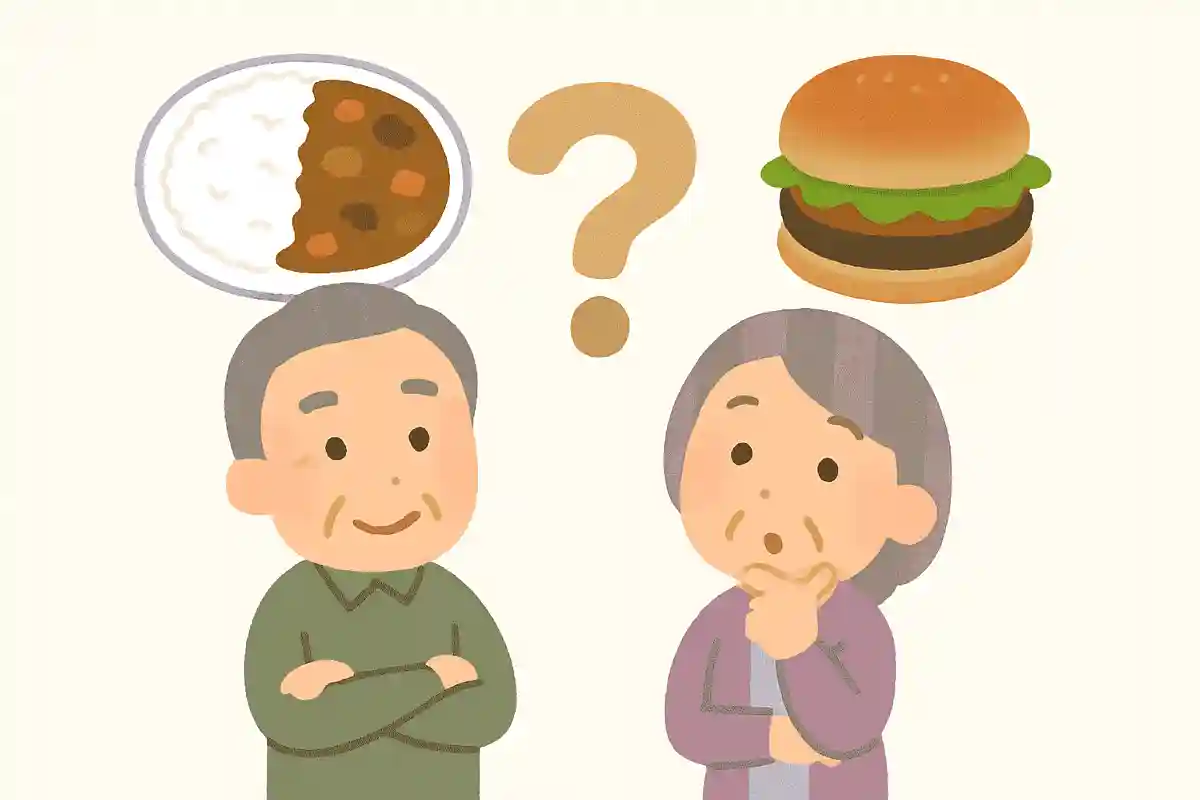
May 6 falls right after a cluster of public holidays, and it often ends up being a day off as well, whether because it lands on a weekend or becomes a substitute holiday.
Let’s learn about the anniversaries assigned to May 6—which often feels like an add-on—and deepen our interest in this date.
Since there are food-related commemorative days set for it, incorporating them into your menu could be a nice idea.
With the hope that families will enjoy these foods during the excursion season, and focusing on the way the numbers 5 and 6 are read in Japanese, “Croquette Day” has been established on May 6.

What do people collect during the popular shellfish gathering in May?
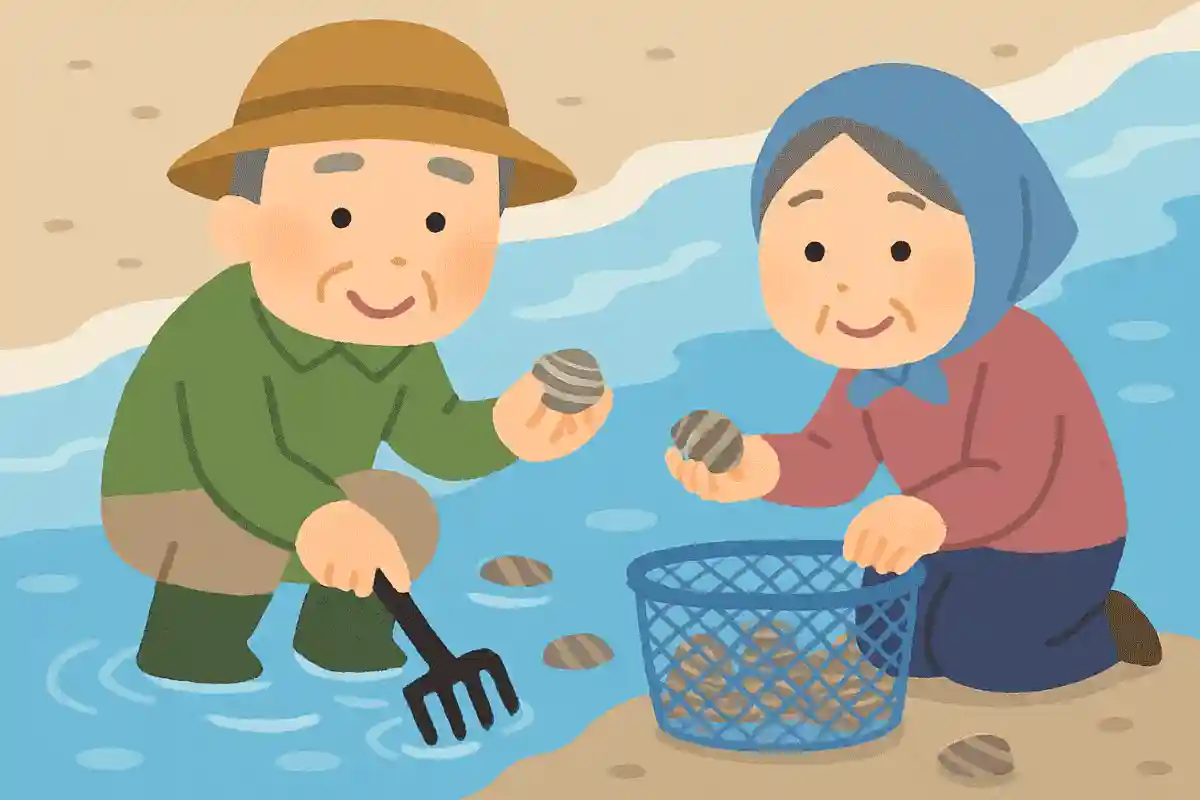
May is the time of year when temperatures climb toward summer and all kinds of leisure activities get going, right? One such activity enjoyed in May is shiohigari—but what exactly do you collect during it? The hint lies in the kanji: if you think about places related to “tide” (潮) and “ebb/dry” (干), you can figure out the location, and from there, what’s gathered there.
The answer is shellfish: it’s a pastime where you dig up shellfish buried in the sand at low tide.
It feels a bit like a treasure hunt and can be enjoyed by people of all ages.
“Bow-wow” represents the sound made by a dog in English. What animal is it?

How animals’ sounds are represented varies from country to country.
Among them, which animal is expressed with the sound “bow-wow” in English? Even if you’re not familiar with “bow-wow,” it’s such a classic animal that you’d quickly get the answer just by listing animals one by one.
The answer is “dog.” If you also look into how other animals’ sounds are expressed in English, and how they change in languages other than English, you’ll deepen your knowledge—and it might make for a lively conversation, too.
From the late 1950s to the 1960s in the Showa era, a certain indoor sport became extremely popular. What sport was it?
The sport in question—many older people might say they used to play it often, especially with the recent boom—what could it be? Here are some hints: it’s a sport that uses a heavy ball, and you throw that ball toward a specific target.
The answer is bowling! At the time, there were over 3,500 bowling alleys nationwide, and many people owned their own shoes and balls.
Numerous star players emerged as well, such as Kayoko Suda and Ritsuko Nakayama.

Differences between udon, hiyamugi, and sōmen
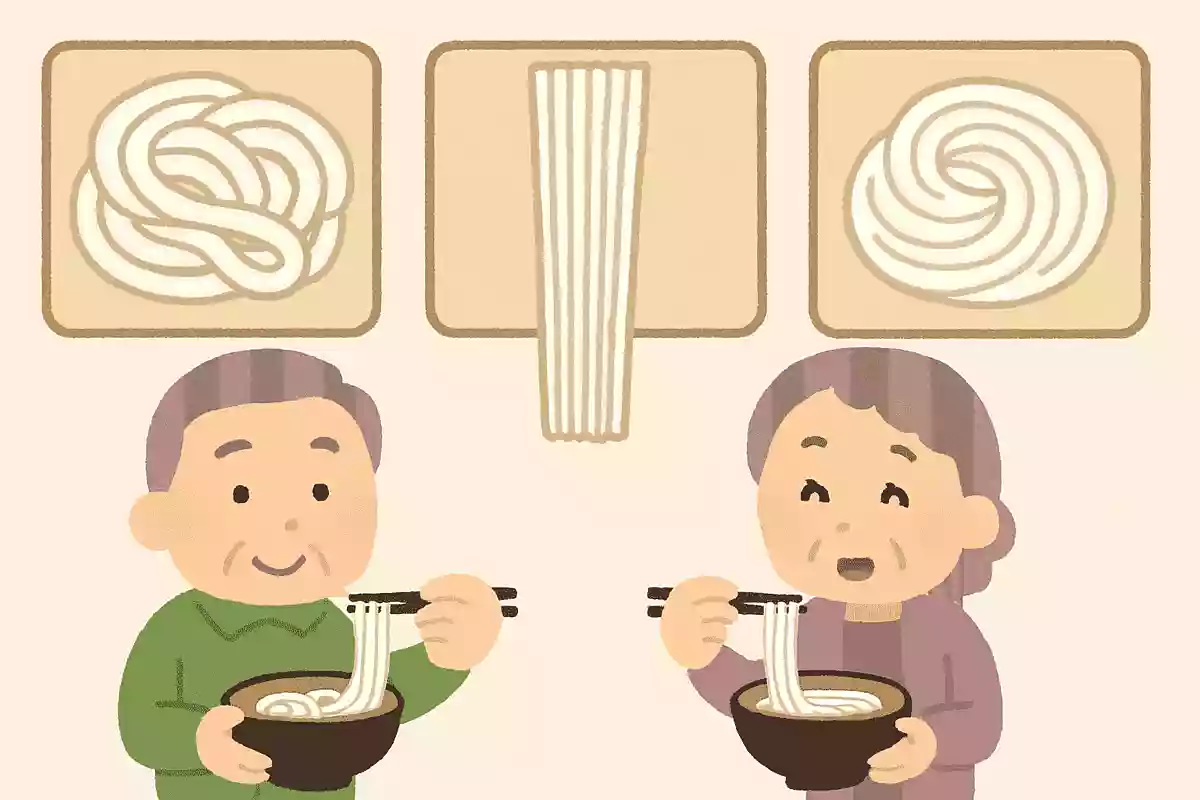
Udon, somen, and hiyamugi are familiar ingredients for many Japanese people.
Since they’re all made from the same wheat flour despite having different names, it’s natural to wonder what sets them apart.
Let’s clear that up by looking at the differences among udon, somen, and hiyamugi.
The main distinction is thickness.
Depending on whether they’re machine-made or hand-stretched, there can be slight variations, but generally somen is thin, udon is thick, and hiyamugi falls in between.
It’s also helpful to learn about the textures each thickness aims for and key points in how they’re made.
What unit is used when counting omamori (Japanese protective charms)?
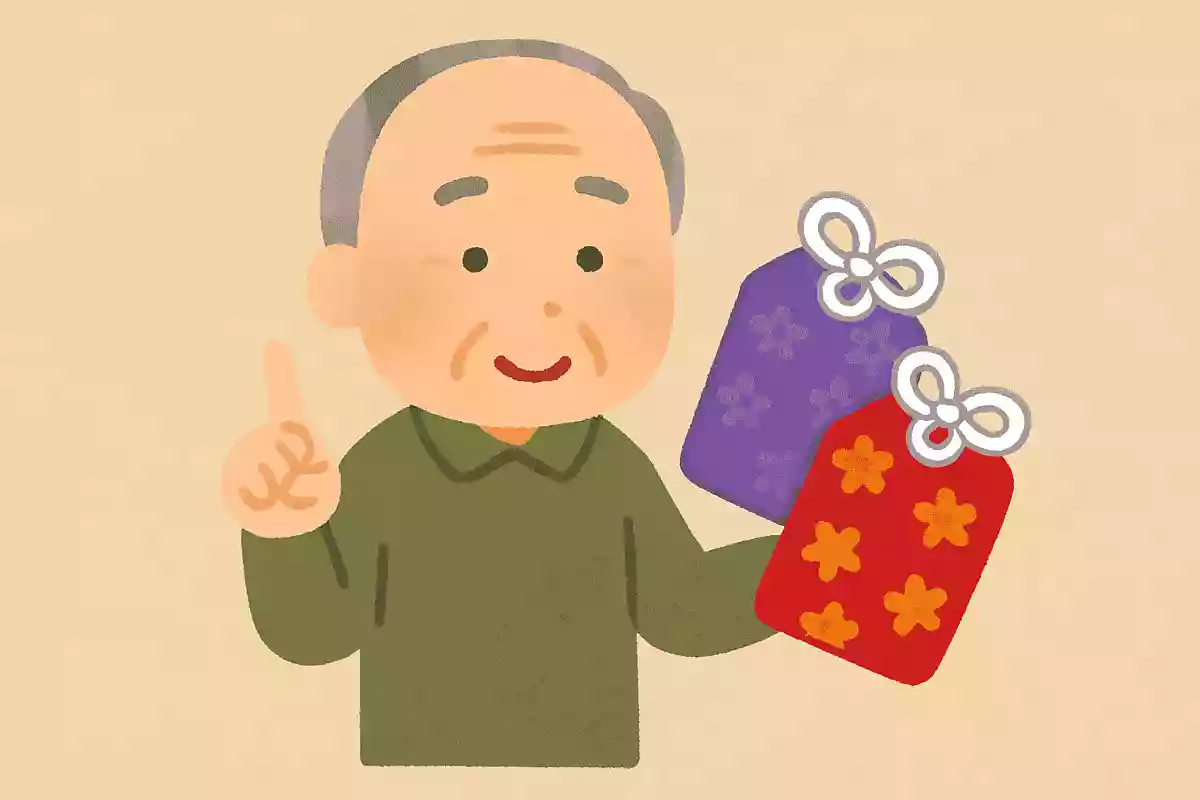
When counting omamori (protective charms), what counter do we use? The answer is “tai.” Instead of saying “one piece” or “two,” you read them as “ittai, nitai.” The reason is that omamori are considered embodiments of the deities.
Come to think of it, the places that offer omamori are labeled “juyosho” (place of conferral), not “hanbaisho” (sales counter).
By the way, deities themselves are counted as “hitoshibashira, futashibashira” (1 pillar, 2 pillars), and mikoshi (portable shrines), being the deities’ vehicles, are counted as “ikki, nikki” (1 unit, 2 units).
Knowing these counters can make you feel a solemn, sacred sense that you are being granted a share of the deity’s power.

What is the reason monks strike a wooden fish (mokugyo) when chanting sutras and the like?
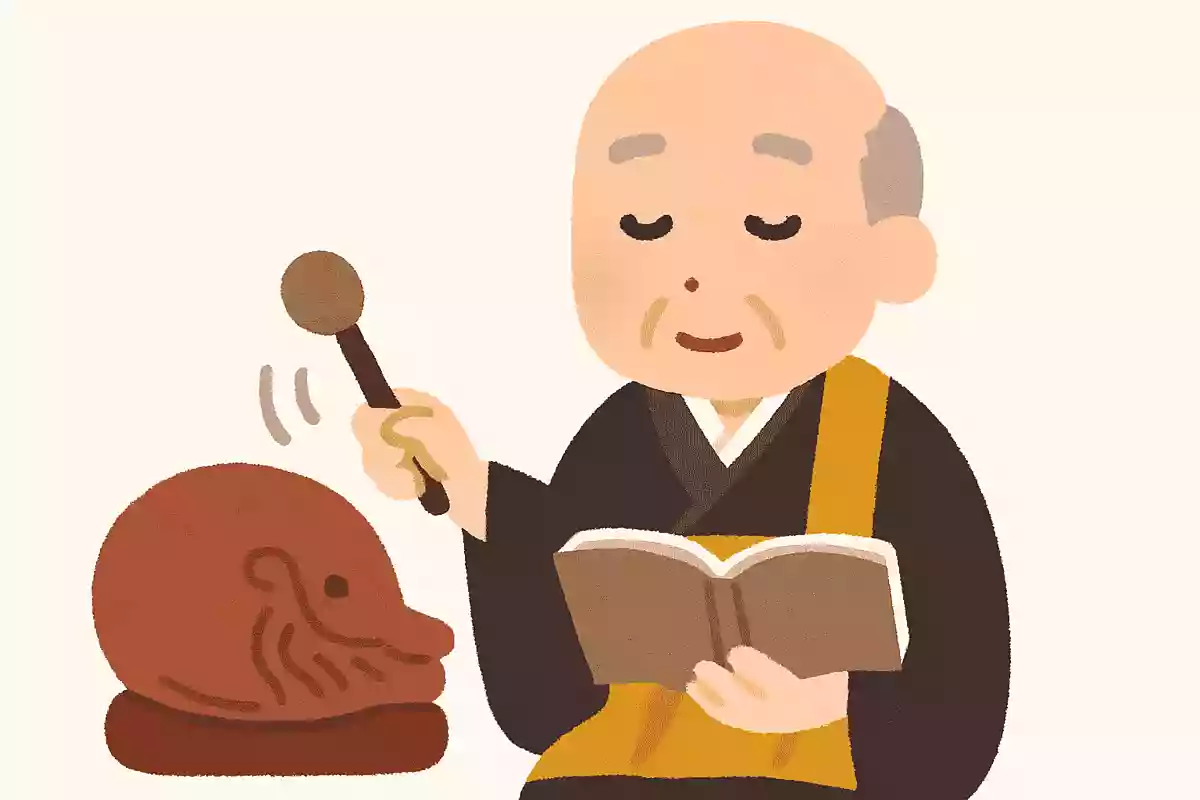
The mokugyo (wooden fish drum) produces a pleasant, gently tapping sound, but what is the original reason monks strike it while chanting sutras? Surprisingly, it’s “to keep the monks from getting drowsy.” In the past, many monks and trainees would nod off during long recitations, so they used a drum shaped like a fish—an animal said to keep its eyes open at all times—to embody the idea of “keeping one’s eyes open like a fish and diligently engaging in practice.” It’s also said that the sound of the mokugyo helps dispel worldly desires.
If you get the chance, try listening with that in mind!