

[For Seniors] Boost Your Knowledge! Fun Trivia Quiz


“I wonder what this animal is.” “Who could this historical figure be?” There are still many things even older adults may not know, right?
So this time, we’re introducing a set of trivia quizzes we’d like older adults to try.
Even seniors with a wealth of knowledge might come across trivia that makes them say, “I learned that for the first time.”
What’s more, getting the answers right can boost motivation, making these quizzes great for recreational activities at senior facilities.
They’re excellent brain training, of course, and we hope everyone enjoys them together, including sharing stories related to the trivia quizzes.
- [For Seniors] Laugh-Out-Loud, Crowd-Pleasing! Fun Quiz
- [For Seniors] Trivia Multiple-Choice Quiz
- [For Seniors] Fun and Informative Trivia Quiz Collection
- [For Seniors] Fun and Informative! Trivia and Quizzes Introduced
- [Brain Training] Lively Word Quiz for Seniors
- [For Seniors] Fun and Informative! Health Trivia Quiz
- [For Seniors] Surprising Facts! Multiple-Choice Trivia Quiz (4 Options)
- [For Seniors] Fun Food Trivia Quizzes You'll Want to Share
- [For Seniors] Fun! Let’s Get Excited with Japan’s Number One Quiz
- [For Seniors] Fun Riddles That Stimulate the Brain
- [For Seniors] Today’s recommended quiz. Daily brain-training quiz!
- [For Seniors] January Trivia Quiz & Fun Facts. Brain training with quizzes about New Year and winter.
- [For Seniors] Guaranteed to Liven Things Up! A Collection of Brain Training Activities That Will Spark Laughter
[For Seniors] Boost Your Knowledge! Fun Trivia Quiz (91–100)
When you can’t stop coughing, drinking a syrup made by soaking a certain vegetable in honey can calm it. What is that vegetable?
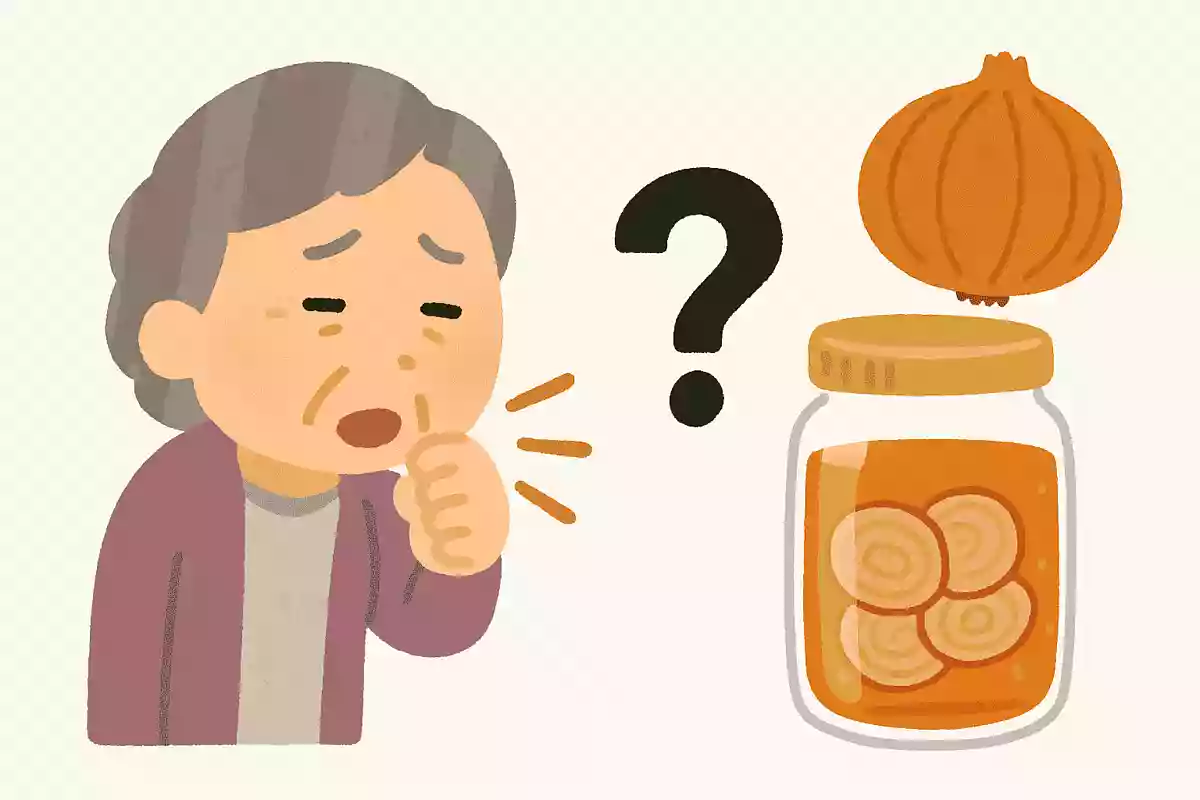
The correct answer is “daikon radish.” A compound found in daikon called isothiocyanate has anti-inflammatory effects, and honey contains an enzyme called glucose oxidase.
This enzyme reacts with oxygen in the air to produce hydrogen peroxide.
Hydrogen peroxide, also known as “oxydol,” has disinfectant properties—the same “oxydol” used to disinfect wounds.
Based on this, “honey daikon” appears to help soothe coughs by disinfecting the throat and reducing inflammation.
Osechi dishes, each ingredient and material carrying auspicious meanings—Which foods are eaten to pray for good financial fortune?
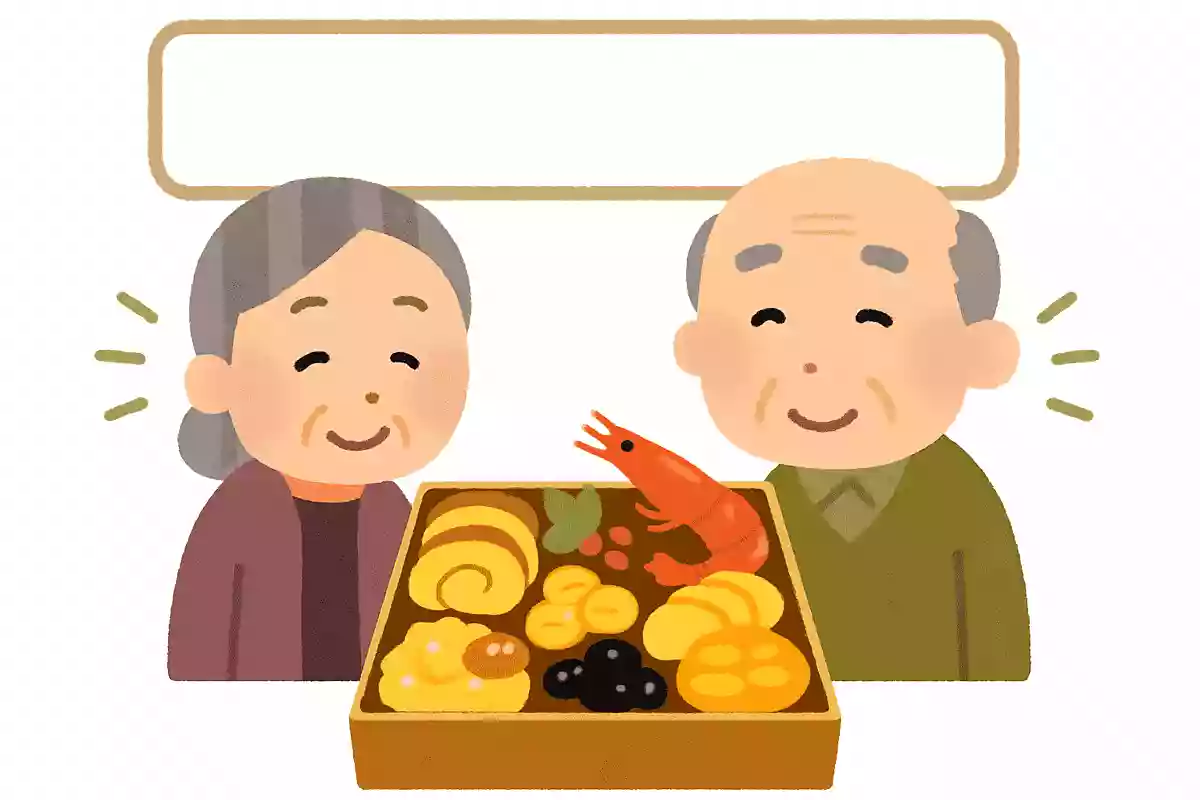
Many older adults might say that the colorful Osechi dishes are one of the joys of New Year’s.
Among these traditional dishes, there’s a certain food said to symbolize good fortune with money—but which one is it? Here’s a hint: it’s sweet and popular with children.
A big hint: it’s made with chestnuts.
The answer is kuri-kinton! The word kinton can mean “golden bedding” or “golden dumplings,” which is why it’s associated with financial luck.

[For Seniors] Boost Your Knowledge! Fun Trivia Quiz (101–110)
Among the many foods, there is only one that does not spoil. What is it?

Speaking of food, we often worry about best-before and use-by dates.
But if a food doesn’t spoil, there’s no need to throw it away, which is very eco-friendly.
What do you think this wonderful food is? Here’s a hint: you eat it drizzled over things like bread, pancakes, and yogurt.
It’s diligently gathered by a certain insect, and it’s very sweet.
The answer is—honey! Honey is said not to spoil because it’s high in sugar and low in water content, conditions in which bacteria can’t survive.
The calves are also called the “second heart.” Using a part of the body, what is it called as the “second” what?
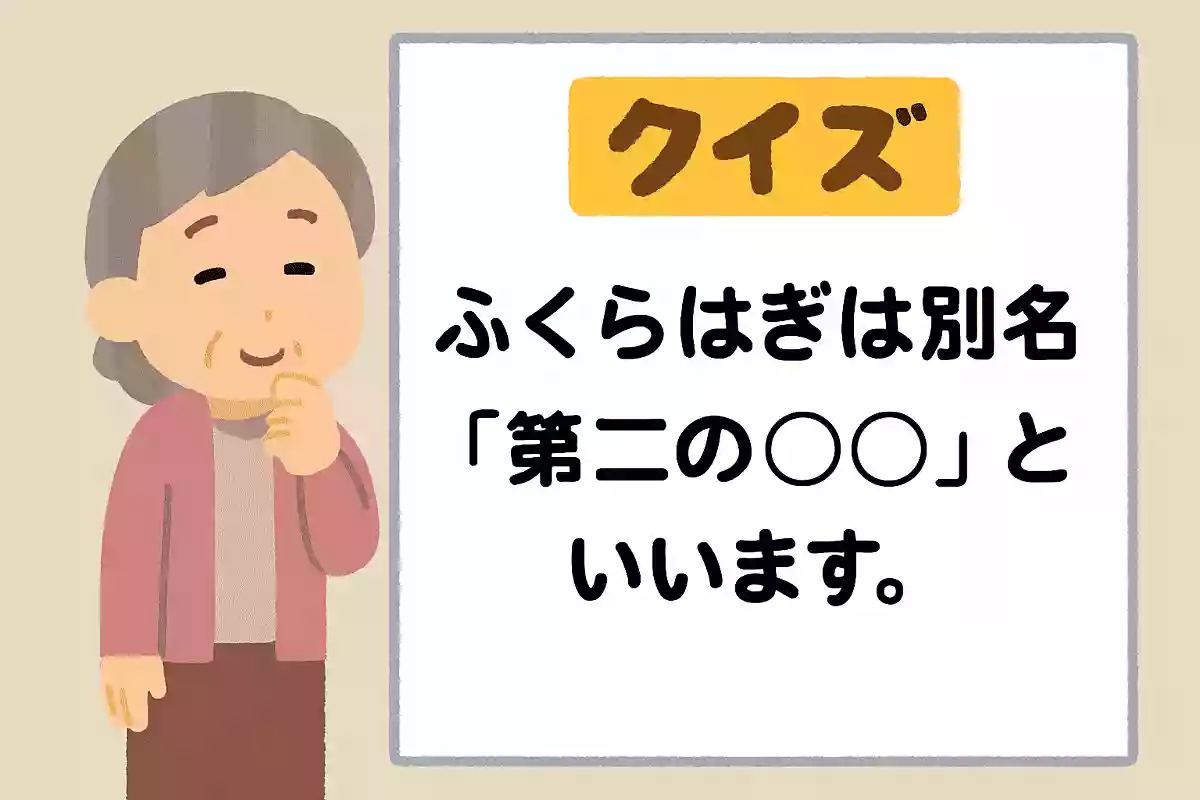
The calf, located on the back of the lower leg, has a nickname that uses the name of a body organ: “the second ___.” What is it? The hints are that it’s an internal organ and an indispensable organ not only for humans but also for animals.
The answer is the second “heart”! Blood tends to pool in the legs, but by actively moving the calves, blood circulates better and can be sent back to the heart more effectively.
That’s why they’re called the “second heart.”
Which one is the odd one out among ice cream, chocolate, yarn, and a snowman?

I think about food, sweets, cold things—lots of possibilities—but I just can’t land on the right answer! The answer to “Which one is the odd one out among ice cream, chocolate, yarn, and a snowman?” is yarn.
That’s because ice cream, chocolate, and a snowman all melt, but yarn doesn’t! Even if you give the hint, “A snowman melts over time,” many people might still end up scratching their heads.
Offer small hints step by step, and have all the quiz takers work together to find the correct answer!

There are three katakana characters hidden in the giraffe mark of Kirin Beer. What do the characters spell?
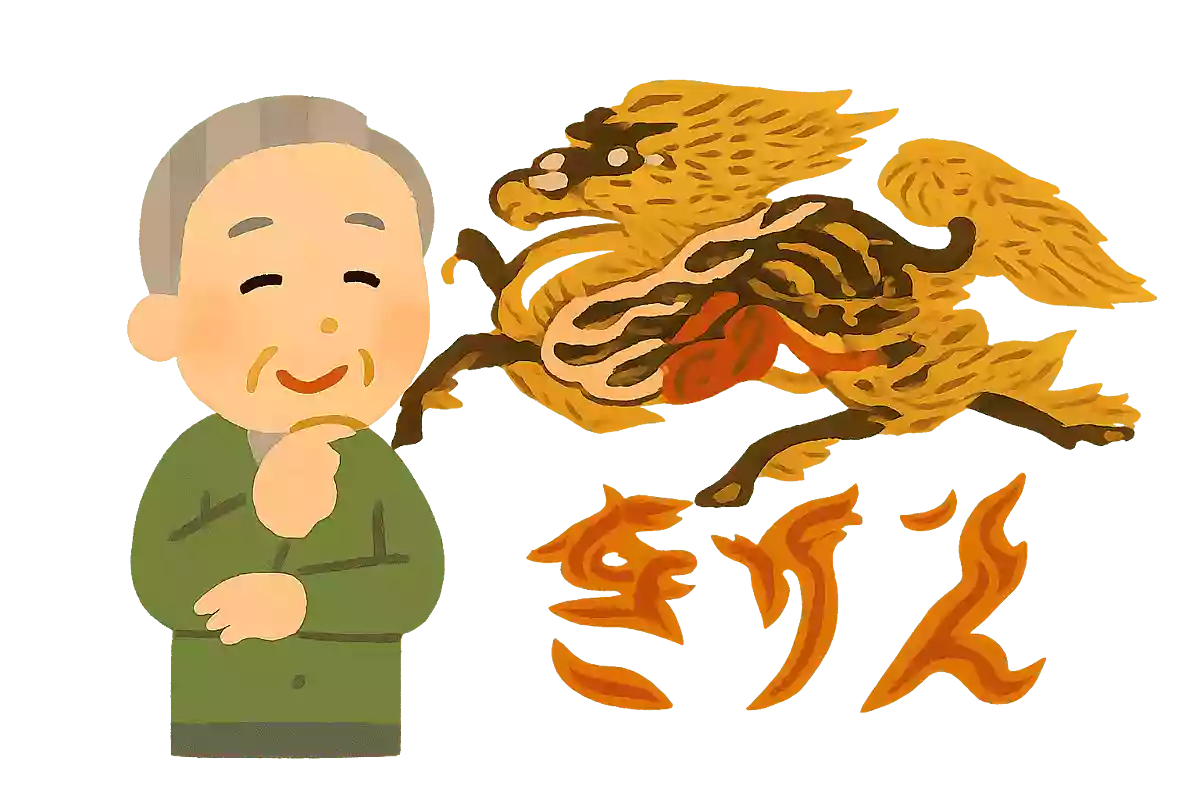
Kirin Beer, sold by the major beer manufacturer KIRIN.
On the cans and bottles of Kirin Beer, a mythical creature called a kirin is depicted.
So what are the three katakana characters hidden within the illustration of the kirin? When combined, these three characters form a word.
答えは――キリン!文字がとても小さく周りの線と馴染んでいるので一見わかりにくいですが、よく見ると「キリン」という語がはっきり見つかります。各文字は別々に配置されているので、ぜひ探してみてください!
In “cream puff,” the word choux comes from French and means a vegetable. Which vegetable is it?
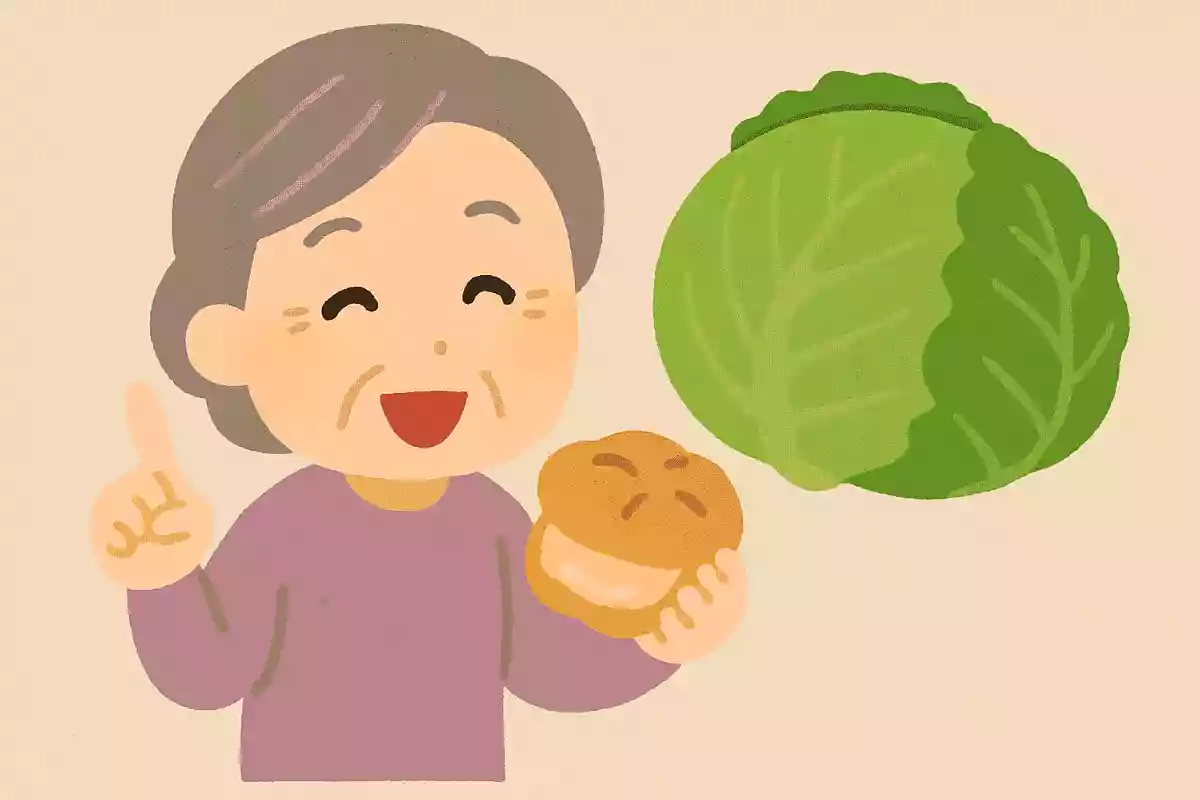
A sweet and delicious cream puff filled with plenty of cream.
The “chou” in chou cream (cream puff) actually comes from the French word for a vegetable.
Hints for the vegetable: it’s a round, hefty leafy vegetable; you put it in yakisoba; and there’s a dish called “cabbage rolls.” The answer is, of course, cabbage! It’s said that the resemblance between the round shape of a cream puff and a cabbage is also related.
Incidentally, in French a cream puff is called “chou à la crème.”