

[For Seniors] Boost Your Knowledge! Fun Trivia Quiz


“I wonder what this animal is.” “Who could this historical figure be?” There are still many things even older adults may not know, right?
So this time, we’re introducing a set of trivia quizzes we’d like older adults to try.
Even seniors with a wealth of knowledge might come across trivia that makes them say, “I learned that for the first time.”
What’s more, getting the answers right can boost motivation, making these quizzes great for recreational activities at senior facilities.
They’re excellent brain training, of course, and we hope everyone enjoys them together, including sharing stories related to the trivia quizzes.
- [For Seniors] Laugh-Out-Loud, Crowd-Pleasing! Fun Quiz
- [For Seniors] Trivia Multiple-Choice Quiz
- [For Seniors] Fun and Informative Trivia Quiz Collection
- [For Seniors] Fun and Informative! Trivia and Quizzes Introduced
- [Brain Training] Lively Word Quiz for Seniors
- [For Seniors] Fun and Informative! Health Trivia Quiz
- [For Seniors] Surprising Facts! Multiple-Choice Trivia Quiz (4 Options)
- [For Seniors] Fun Food Trivia Quizzes You'll Want to Share
- [For Seniors] Fun! Let’s Get Excited with Japan’s Number One Quiz
- [For Seniors] Fun Riddles That Stimulate the Brain
- [For Seniors] Today’s recommended quiz. Daily brain-training quiz!
- [For Seniors] January Trivia Quiz & Fun Facts. Brain training with quizzes about New Year and winter.
- [For Seniors] Guaranteed to Liven Things Up! A Collection of Brain Training Activities That Will Spark Laughter
[For Seniors] Boost Your Knowledge! Fun Trivia Quiz (101–110)
Mr. Shojiro Ishibashi, the founder of a tire manufacturer, named the company after his surname. What is the name of the tire manufacturer?
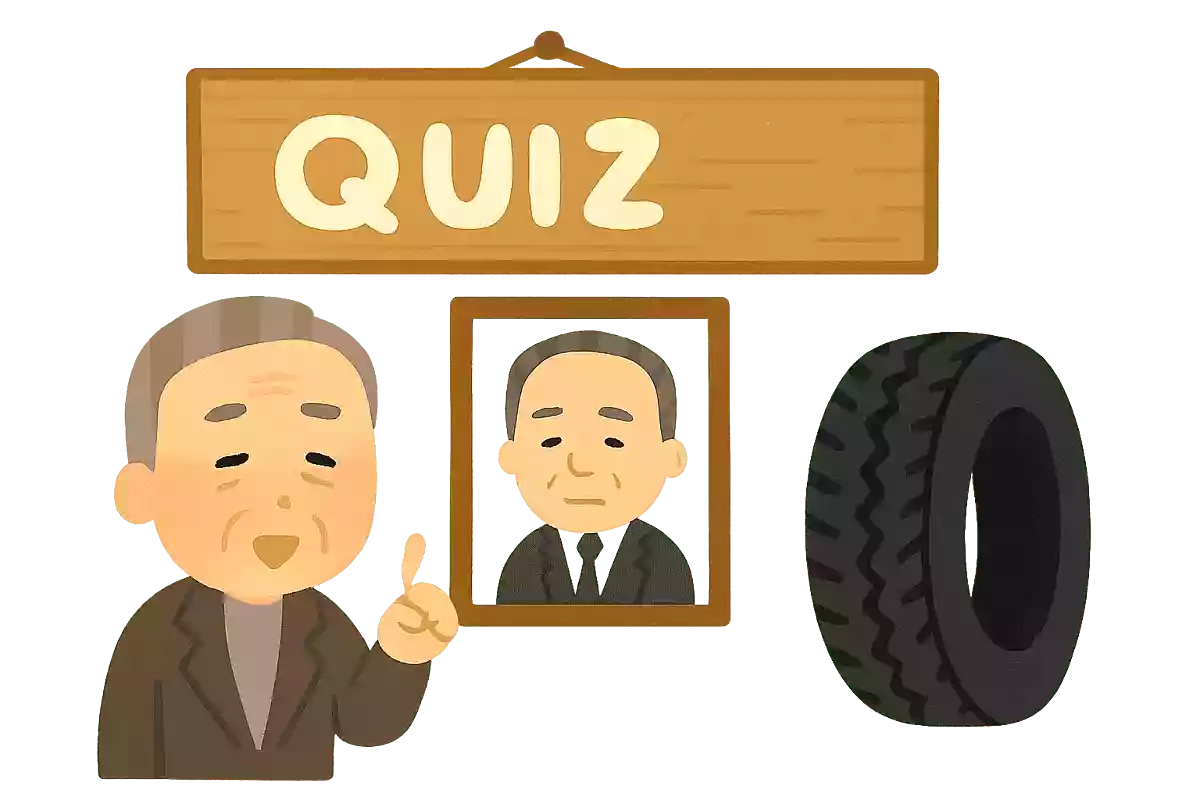
Shojiro Ishibashi’s surname is “Ishibashi,” but the company name is not simply “Ishibashi” or “Ishibashi” in katakana.
He converted his surname into other words and used that as the company name.
The answer is Bridgestone.
“Bridji” comes from the English word “bridge,” corresponding to the “hashi” (bridge) in “Ishibashi,” and “stone” comes from the English word for “ishi” (stone).
Combining them gives “Bridgestone.” It’s said that using the original order, “Stonebridge,” sounded a bit awkward in Japanese, so he reversed it to “Bridgestone.”

Which one is the odd one out among the hawk, sparrow, penguin, and swallow?
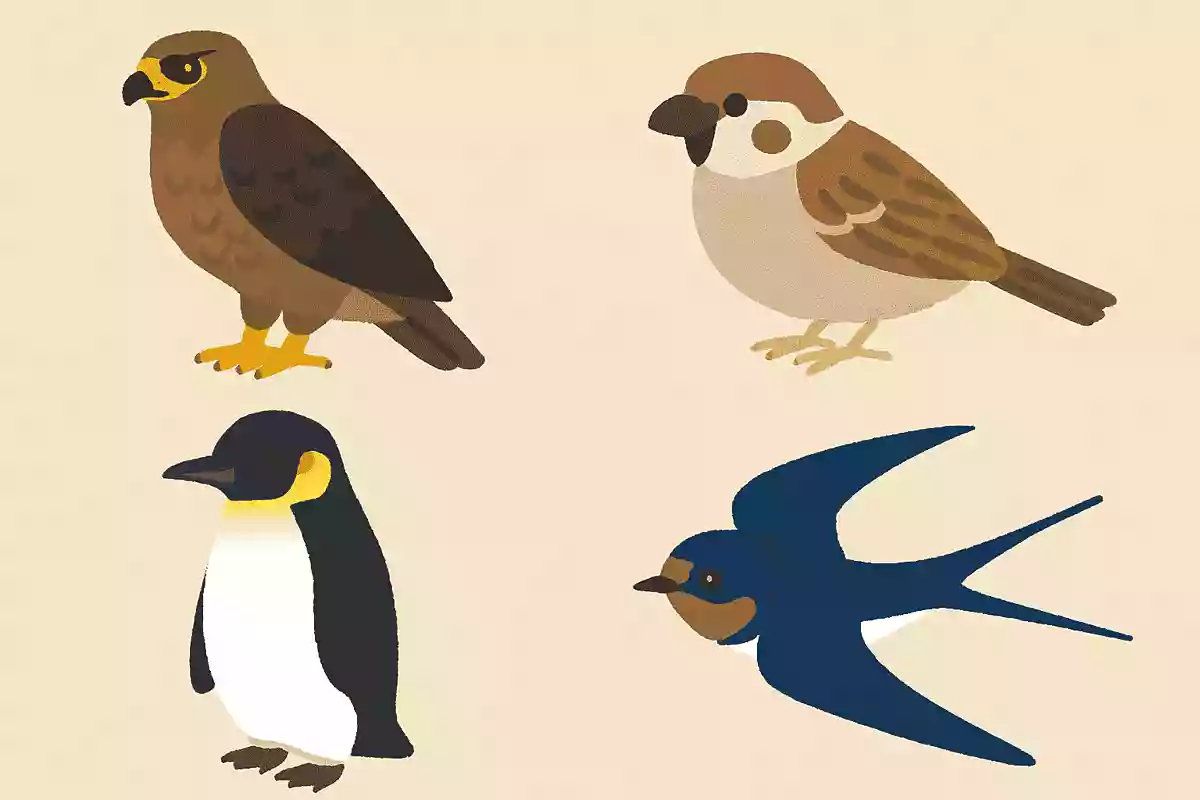
The answer to “Which one is the odd one out among a hawk, a sparrow, a penguin, and a swallow?” is the penguin, because it can’t fly! If you add “among the following birds,” it becomes easier to arrive at the answer, but when they’re just listed as-is, many people might hesitate.
Once you smoothly find the odd one out, it could be interesting to switch to questions about each option, such as “About how big is a hawk?” or “In which season do swallows start building their nests?”

Eating tomatoes can help prevent a certain disease. What disease is it?
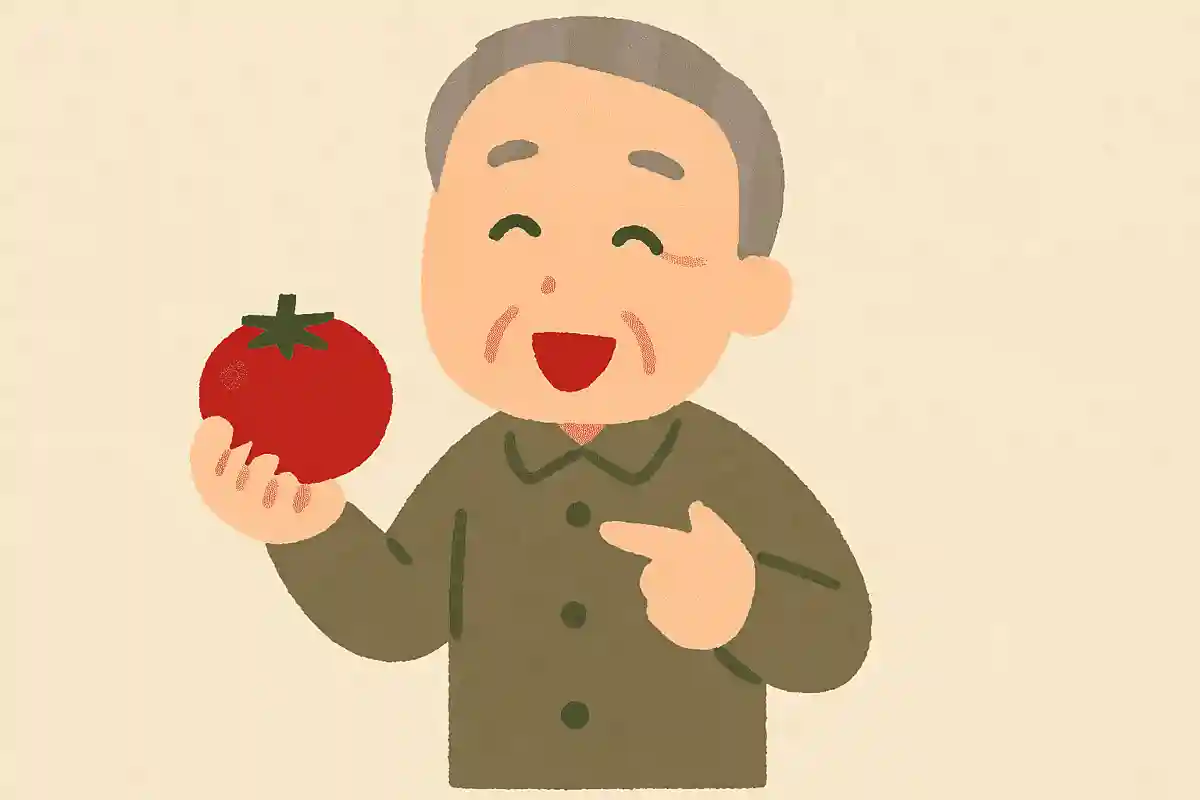
If tomatoes can help easily prevent diseases, you’d want to make sure to include them in your daily meals, right? So what diseases can tomatoes help prevent? Here’s a hint: over 50% of people will develop this disease at some point in their lives, and it can also be prevented by improving lifestyle habits.
The answer is cancer! The vitamins A, C, and E in tomatoes, as well as lycopene—an antioxidant—are said to suppress reactive oxygen species that can cause cancer.
This effect of tomatoes has been supported by many findings around the world.
The story of how butter long ago wasn’t used as food
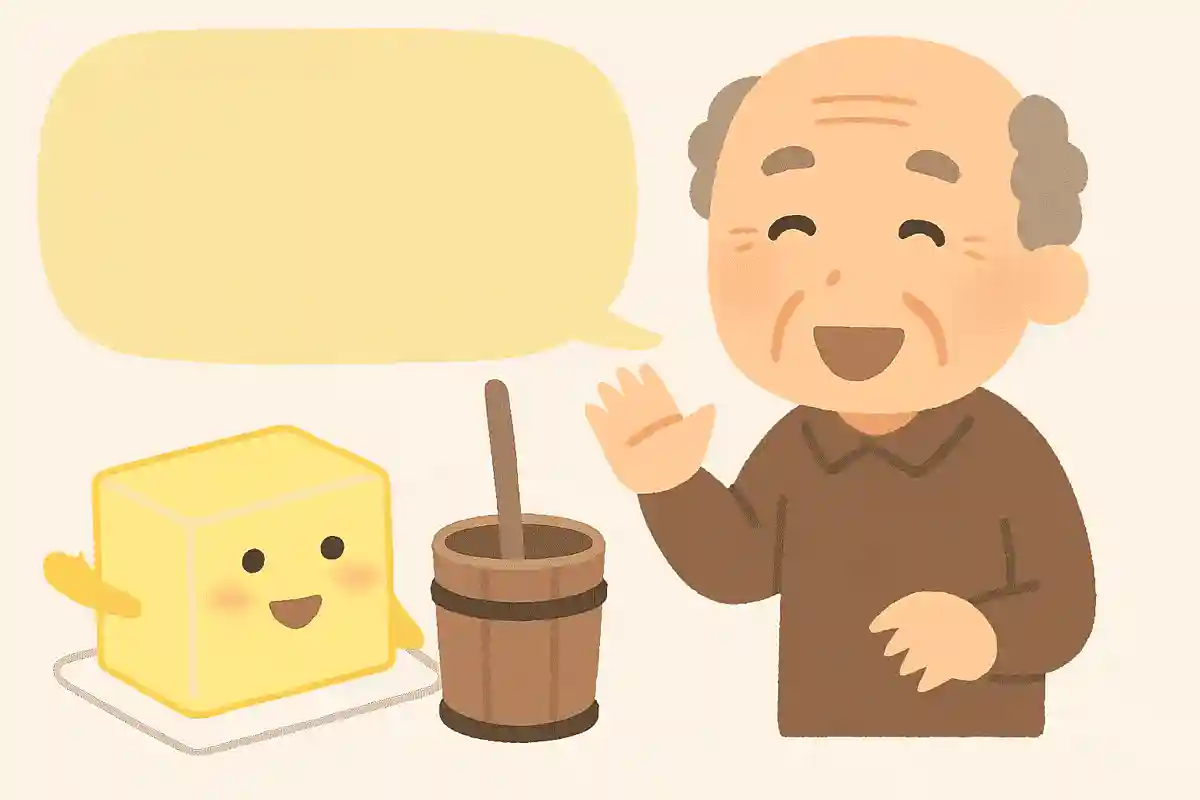
We often use butter in familiar ways, like spreading it on bread or as an ingredient in cooking and baking.
But here’s a fun fact: butter wasn’t originally used for eating, and it had some surprising applications.
Butter is said to have appeared around 2000 BCE and spread from ancient Greece and Rome throughout Europe.
It’s reported that butter was used as an ointment and a beauty cream.
When it was formally introduced to Japan in the Meiji era, it had already become established as a food, which makes those earlier uses seem hard to believe.

Which one is the odd one out among a panda, a police car, a zebra, and a fire truck?
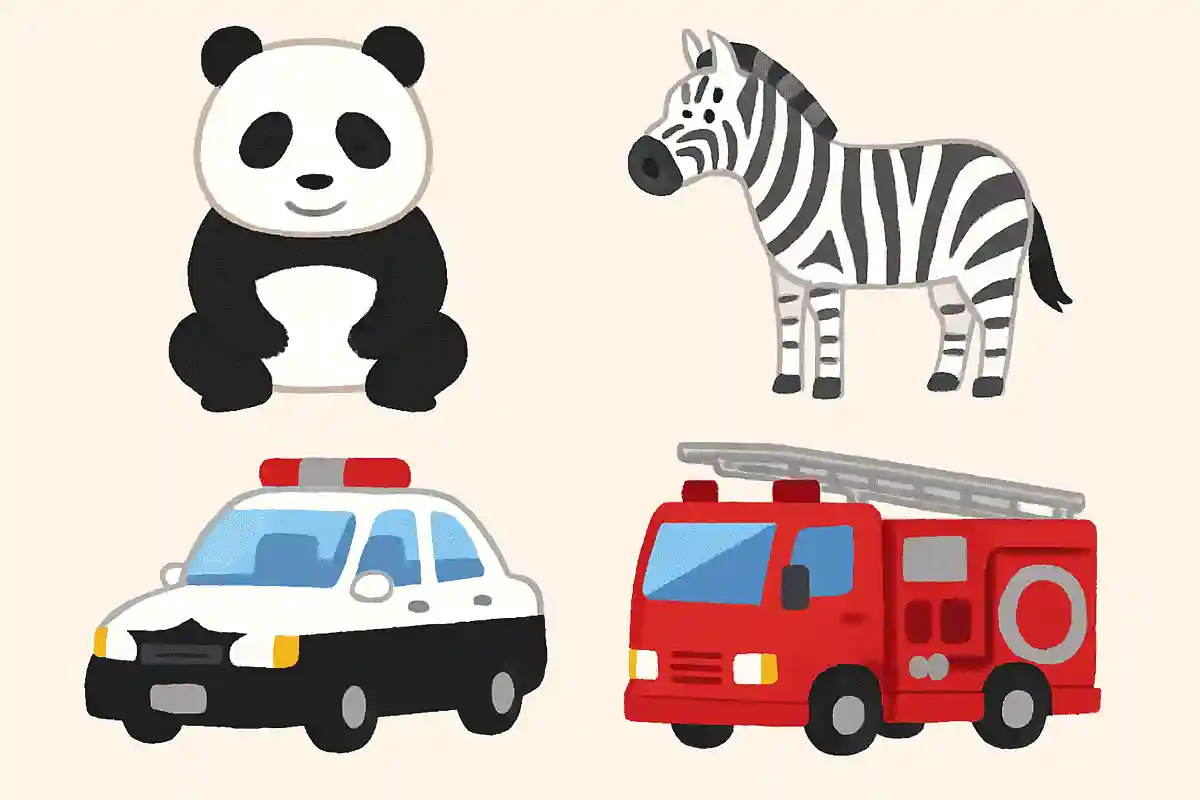
The answer to the question, “Among a panda, a police car, a zebra, and a fire truck, which one doesn’t belong?” is the fire truck.
The reason is that a panda is black and white, a police car is black and white, and a zebra is black and white, while only the fire truck is red.
You might be tempted to distinguish them by whether they’re animals or vehicles, but that would split them 2 and 2, so you can’t identify the odd one out.
It might take a while to focus on their colors.
If someone can’t get the answer, try giving a subtle hint like, “What color is a panda again?”
[For Seniors] Boost Your Knowledge! Fun Trivia Quiz (111–120)
Which one is the odd one out among lemon, tamagoyaki (Japanese rolled omelette), rose, and sunflower?

Four words from different categories—fruits, foods, and flowers.
The answer to “Which is the odd one out among lemon, tamagoyaki (Japanese rolled omelet), rose, and sunflower?” is the rose! That’s because the lemon, tamagoyaki, and sunflower are all yellow, while only the rose is red.
We tend to focus on what each item is, but paying attention to color is really important! It might help to give color-related hints as you go, such as, “A field of sunflowers all yellow in summer is really beautiful, isn’t it?”
Scissors that have become dull can be revived by cutting something found in a household kitchen. What is that “something?”
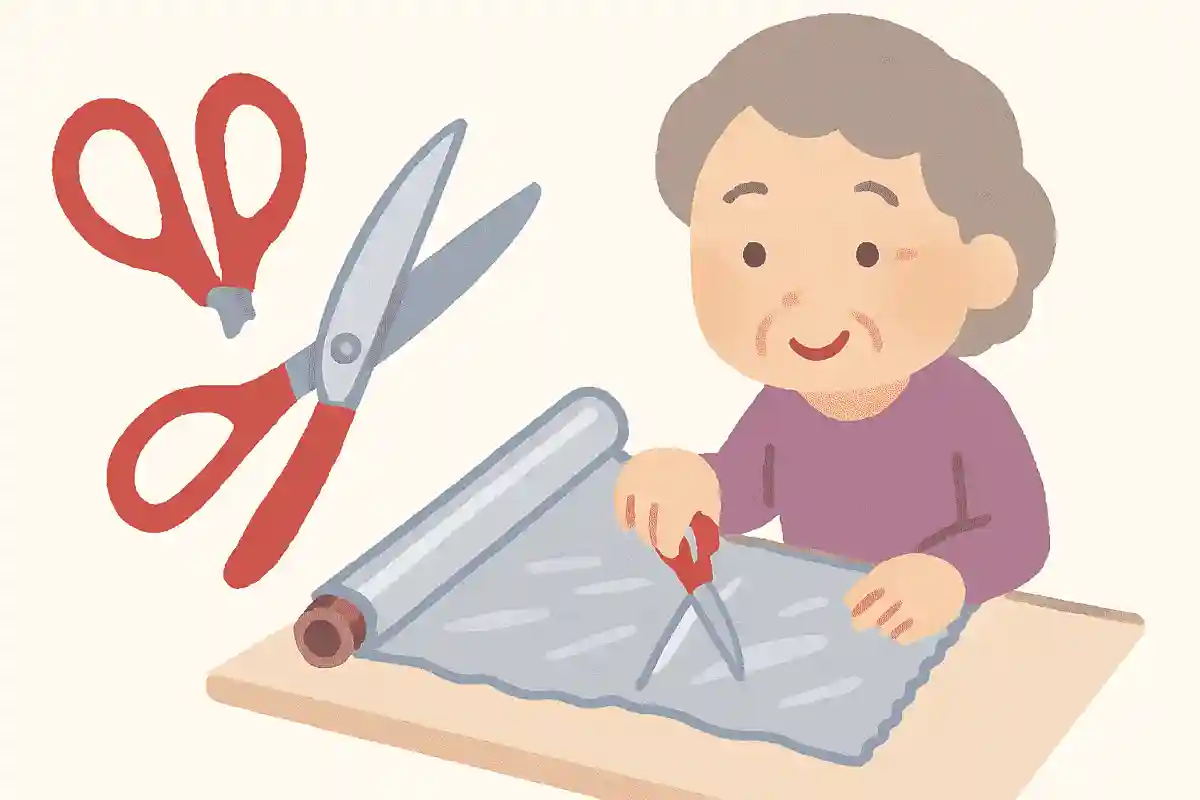
Scissors are stationery that everyone uses daily, but their sharpness inevitably dulls over time.
However, even dulled scissors can be easily revived just by cutting a common household item.
The hint is something from the kitchen: it’s made of metal, yet it can be cut with scissors—this should make it clear.
The answer is aluminum foil.
It’s said that a phenomenon occurs where the aluminum compensates for the worn parts of the scissors.
Since the effect is only temporary, it’s good to remember that properly sharpening them with tools is a more reliable solution.