

[For Seniors] Boost Your Knowledge! Fun Trivia Quiz


“I wonder what this animal is.” “Who could this historical figure be?” There are still many things even older adults may not know, right?
So this time, we’re introducing a set of trivia quizzes we’d like older adults to try.
Even seniors with a wealth of knowledge might come across trivia that makes them say, “I learned that for the first time.”
What’s more, getting the answers right can boost motivation, making these quizzes great for recreational activities at senior facilities.
They’re excellent brain training, of course, and we hope everyone enjoys them together, including sharing stories related to the trivia quizzes.
- [For Seniors] Laugh-Out-Loud, Crowd-Pleasing! Fun Quiz
- [For Seniors] Trivia Multiple-Choice Quiz
- [For Seniors] Fun and Informative Trivia Quiz Collection
- [For Seniors] Fun and Informative! Trivia and Quizzes Introduced
- [Brain Training] Lively Word Quiz for Seniors
- [For Seniors] Fun and Informative! Health Trivia Quiz
- [For Seniors] Surprising Facts! Multiple-Choice Trivia Quiz (4 Options)
- [For Seniors] Fun Food Trivia Quizzes You'll Want to Share
- [For Seniors] Fun! Let’s Get Excited with Japan’s Number One Quiz
- [For Seniors] Fun Riddles That Stimulate the Brain
- [For Seniors] Today’s recommended quiz. Daily brain-training quiz!
- [For Seniors] January Trivia Quiz & Fun Facts. Brain training with quizzes about New Year and winter.
- [For Seniors] Guaranteed to Liven Things Up! A Collection of Brain Training Activities That Will Spark Laughter
[For Seniors] Boost Your Knowledge! Fun Trivia Quiz (111–120)
In prehistoric times, very few people got cavities. Why was that?
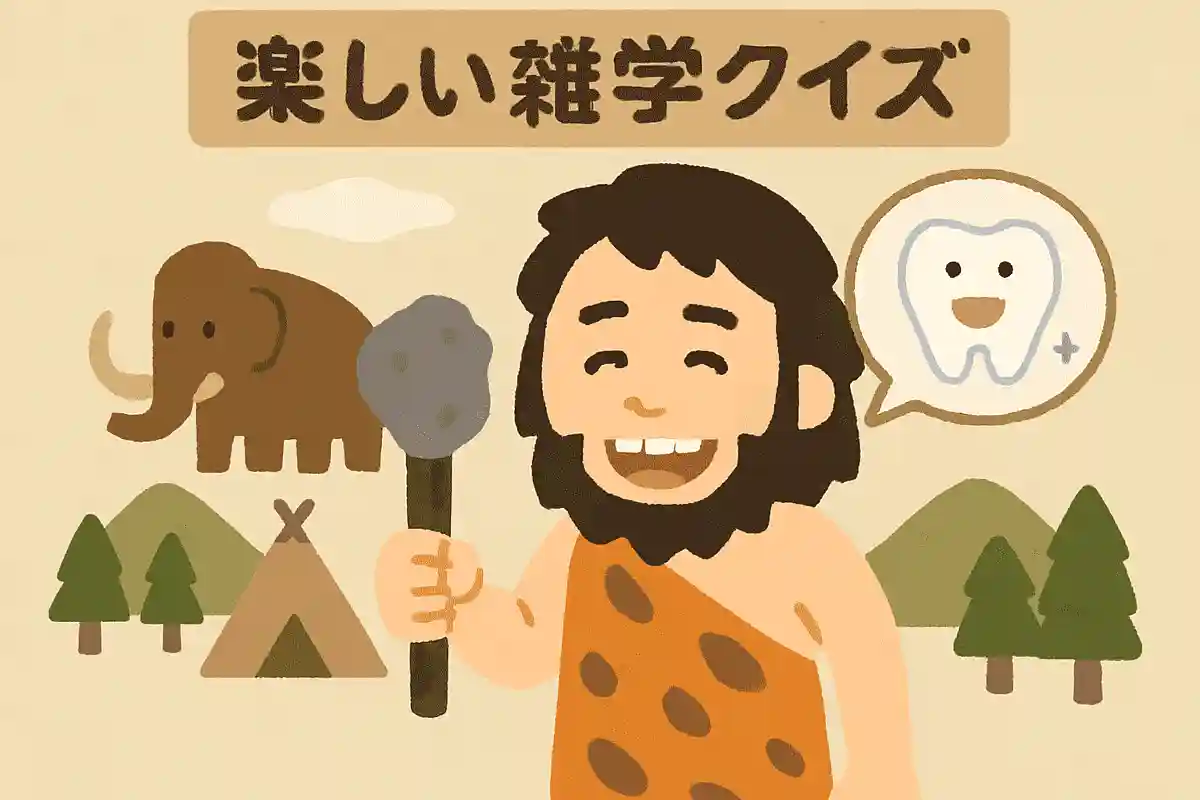
It’s surprising to think that our human ancestors, primitive people, didn’t have cavities, isn’t it? How could that be in a time without toothbrushes or toothpaste? The hint lies in the foods they ate back then.
The answer is that they only had hard foods.
Hard foods naturally increase the number of times you chew, which stimulates plenty of saliva, helping wash away bacteria and the like.
In contrast, in modern times, the increase in soft foods makes it easier for food to get stuck between teeth, and because we chew far fewer times, saliva production has greatly decreased, making us much more prone to cavities.

Why the sweet bean paste in wagashi is sweet
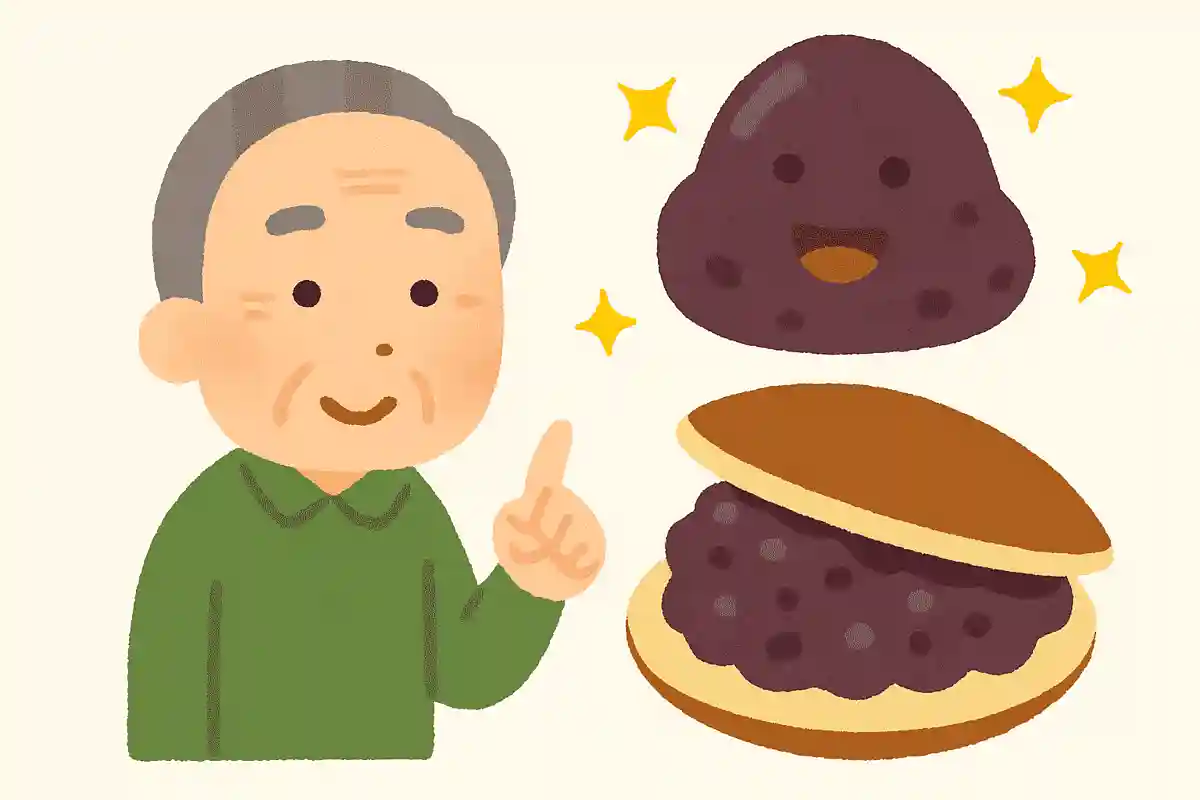
In the Kamakura period, red-bean paste (anko) was seasoned with salt.
At the time, sugar was extremely precious, and sweetness was treated almost like a medicine.
That healthful sweetness was offered to people of high status and began to be added to anko as well.
Later, in the Muromachi period, sugar was imported from abroad, such as from Portugal, and by the Edo period it was being produced domestically.
As a result, Japanese sweets made with sweet anko spread among common people, and the kind of anko we imagine today became the norm.
There’s an unusual surname that’s written with the characters for April 1st but read as “Watanuki.”
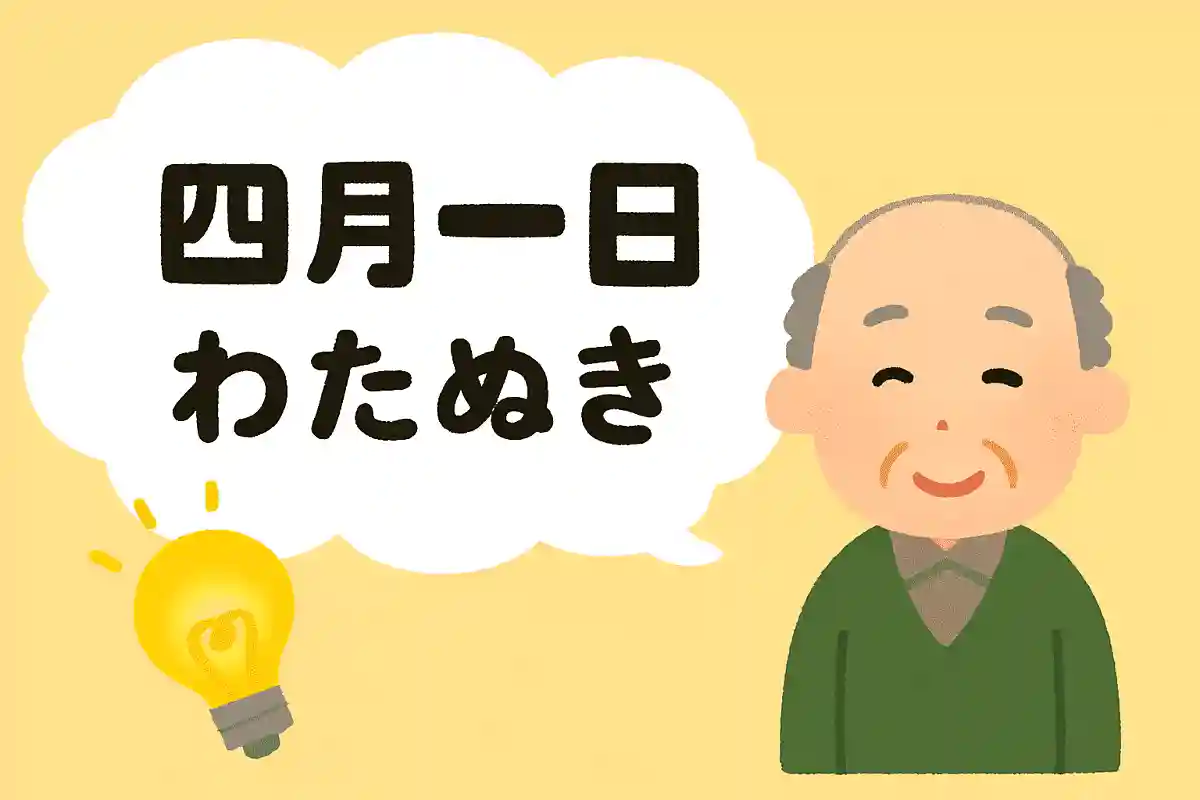
When April comes, we often get a spell of pleasantly warm weather, don’t we? So here are some fun facts related to the springtime mood.
There are people whose surname is written with the characters for “April 1” (四月一日) and read as Watanuki.
It’s an unusual surname, but it has an origin that’s very fitting for April.
As it gets warmer in April, people used to switch from winter kimono padded with cotton to ones with the cotton removed.
Because the cotton (wata) was taken out (nuku) on April 1, the name became Watanuki.
Japan has many other rare surnames as well.
It might be fun to look for them together with older people.

How many hours before going to bed should you eat dinner?
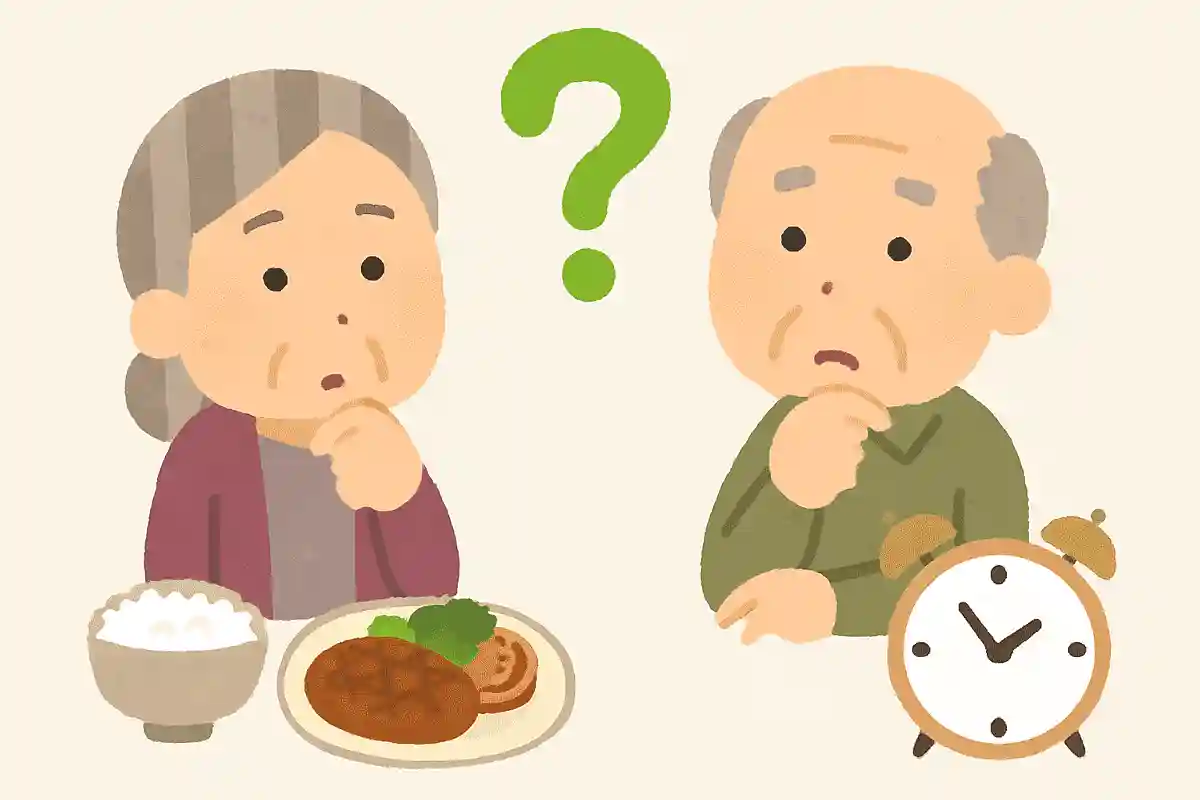
While you may want to lie down right after a delicious dinner, it’s best to wait a bit.
So how long should you wait after dinner? The answer is three hours.
Food takes about two to three hours to digest.
If you go to bed sooner than three hours, it puts a burden on your digestive system as it’s still working, and that activity can also make it harder to fall asleep.
If you have no choice but to eat late, have a small snack in the late afternoon and keep your dinner to about 70% full.
Which vegetable is not commonly eaten abroad because it is associated with the image of a tree root?
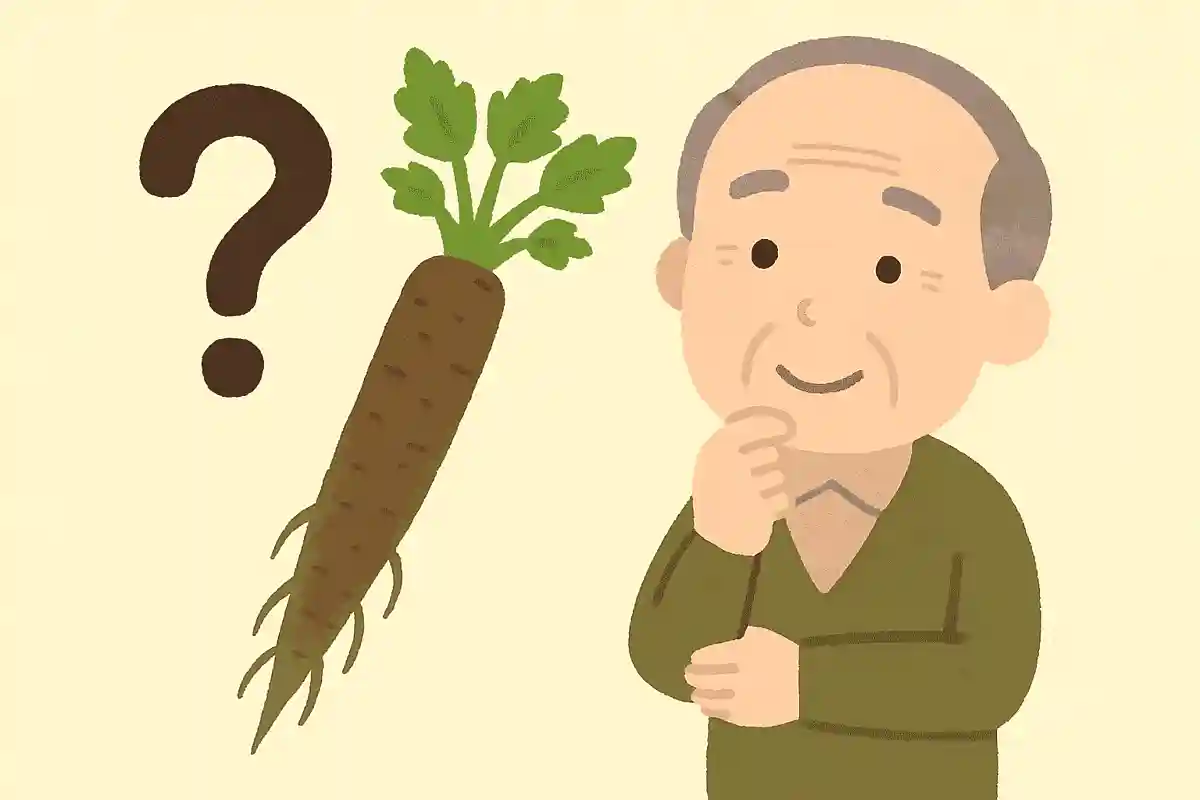
There are many foods that are only eaten in Japan or not particularly liked elsewhere, but what vegetable could “tree roots” be referring to? In Japan, it’s a common ingredient and is often used in cooking.
The phrase “tree roots” reflects the vegetable’s appearance, so that might help you figure it out.
The answer is burdock root (gobo)! Many people overseas find its distinctive smell and astringency off-putting, but gobo is rich in dietary fiber and is very good for your health.
When do we see dreams while sleeping, and in what state is the body at that time?
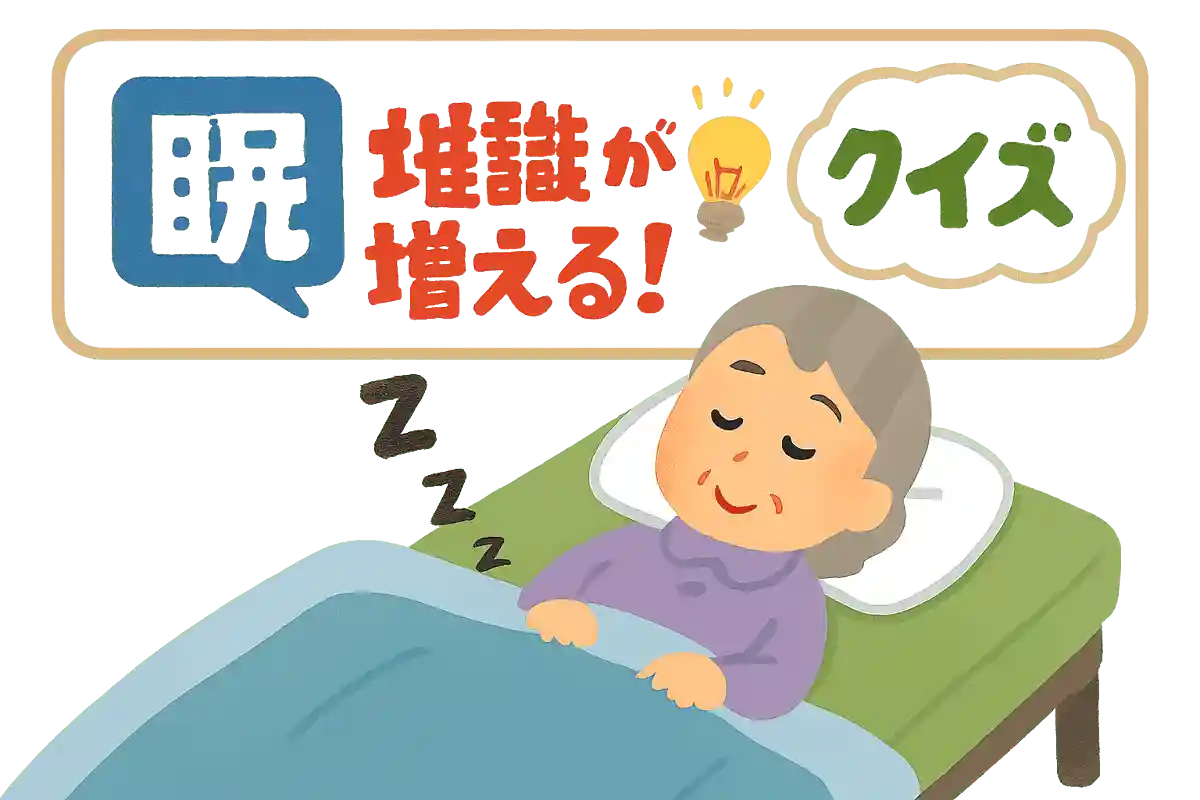
People can have all kinds of dreams while sleeping—whether realistic or fantastical—like dreams of meeting someone you love or being chased by a scary ghost.
What kinds of dreams might older adults have had over the years? Still, there are times when you clearly feel you’ve had a dream, and other times when you feel you didn’t dream at all.
So, when is it that we have dreams? The answer is: when our sleep is light.
That said, it seems that everyone dreams regardless of sleep depth.
It’s just that during deep sleep, the content of dreams can be less striking, so we may feel as though we didn’t dream.
Ichiro, a former professional baseball player who also excelled in the Major Leagues. He has two brothers; is he the older or the younger son?

Ichiro Suzuki, known simply as Ichiro, made a tremendous impact not only in Japan but also in Major League Baseball in the United States.
Although he retired in 2019 to much regret, his achievements remain etched in many people’s memories.
Ichiro actually has a sibling, but is he the older or younger brother? From his name, you might think he’s the firstborn, but the answer is that he’s the younger brother! It’s the kind of question many people might get wrong, so it could be fun to pose the same quiz to someone after this.
By the way, his older brother’s name also includes the character for “one” (一).