

[For Seniors] Boost Your Knowledge! Fun Trivia Quiz


“I wonder what this animal is.” “Who could this historical figure be?” There are still many things even older adults may not know, right?
So this time, we’re introducing a set of trivia quizzes we’d like older adults to try.
Even seniors with a wealth of knowledge might come across trivia that makes them say, “I learned that for the first time.”
What’s more, getting the answers right can boost motivation, making these quizzes great for recreational activities at senior facilities.
They’re excellent brain training, of course, and we hope everyone enjoys them together, including sharing stories related to the trivia quizzes.
- [For Seniors] Laugh-Out-Loud, Crowd-Pleasing! Fun Quiz
- [For Seniors] Trivia Multiple-Choice Quiz
- [For Seniors] Fun and Informative Trivia Quiz Collection
- [For Seniors] Fun and Informative! Trivia and Quizzes Introduced
- [Brain Training] Lively Word Quiz for Seniors
- [For Seniors] Fun and Informative! Health Trivia Quiz
- [For Seniors] Surprising Facts! Multiple-Choice Trivia Quiz (4 Options)
- [For Seniors] Fun Food Trivia Quizzes You'll Want to Share
- [For Seniors] Fun! Let’s Get Excited with Japan’s Number One Quiz
- [For Seniors] Fun Riddles That Stimulate the Brain
- [For Seniors] Today’s recommended quiz. Daily brain-training quiz!
- [For Seniors] January Trivia Quiz & Fun Facts. Brain training with quizzes about New Year and winter.
- [For Seniors] Guaranteed to Liven Things Up! A Collection of Brain Training Activities That Will Spark Laughter
[For Seniors] Boost Your Knowledge! Fun Trivia Quiz (51–60)
What disease has an increased risk due to a weakening of the ability to swallow food?
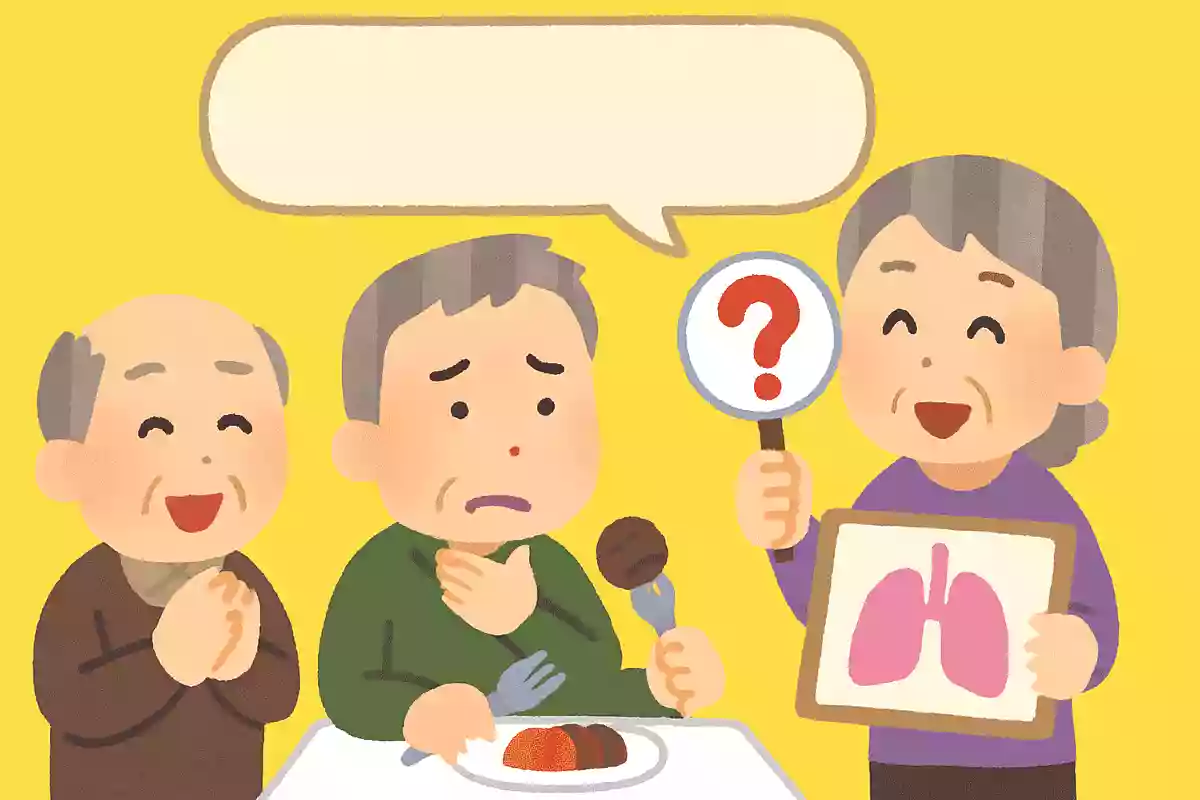
A decline in muscle strength is something you may notice in everyday moments, and some people might feel that swallowing food has become harder than before.
Did you know that there’s a disease whose risk increases as your swallowing ability weakens? The answer is aspiration pneumonia—a dangerous condition in which food or saliva enters the airway and causes inflammation.
It can easily become severe and even be life-threatening, so keep this in mind and pay attention to your swallowing ability and the muscles of your face.

Morning glory seeds originally came to Japan as a medicine. What kind of medicine were they?
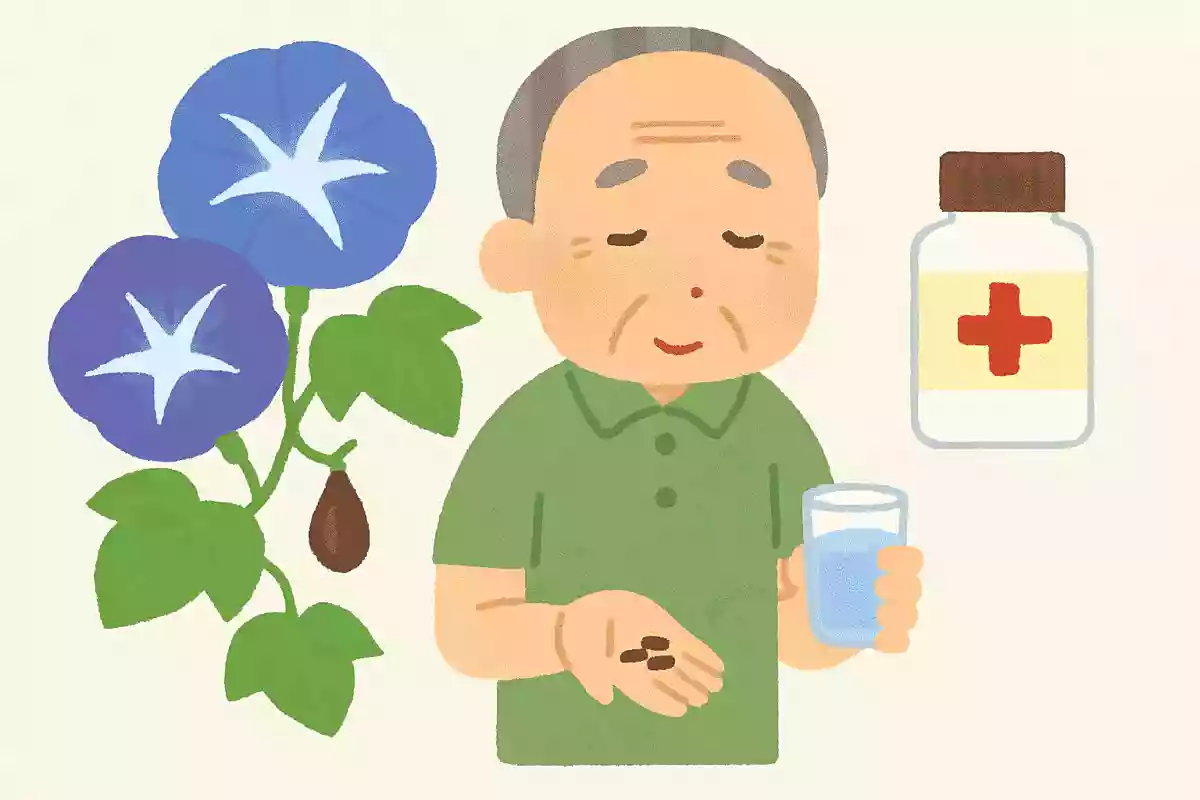
It’s not widely known, but morning glory seeds originally came to Japan as medicine.
Here’s a question: What kind of medicine were they? Hint: a remedy to regulate digestion.
In fact, morning glory seeds were used as a laxative to promote bowel movements.
This surprising fact sparks lively conversation among participants—“Really? Is that true?” Learning old wisdom broadens topics about health and the seasons, making it perfect for brain training, too.
It’s a quiz that lets you discover another side of the morning glory beyond its beautiful flowers.

Mosquitoes that appear in summer: Which one sucks blood, the female or the male?
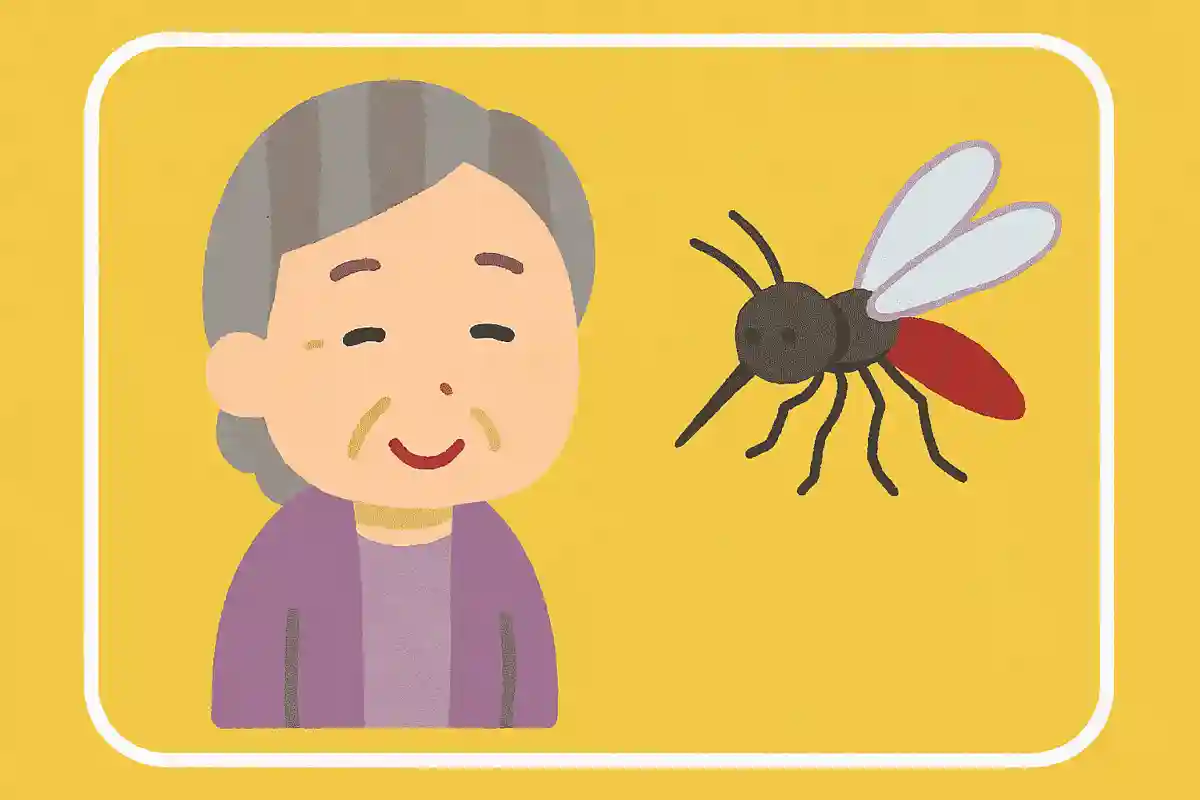
Before you know it, you sometimes get bitten by a mosquito and start to itch, right? In fact, only female mosquitoes suck blood.
The reason they do is to obtain the protein needed for laying eggs, so males don’t feed on blood.
Usually, to get energy in the form of sugars, they sip nectar from flowers or sap from plants.
Since they can’t lay eggs without blood, female mosquitoes desperately seek it to leave offspring.
Mosquitoes are a pesky presence that shows up in summer, but it turns out they have a reason for sucking blood.

What kind of day does the summer solstice refer to?

The summer solstice, one of the 24 solar terms.
It’s the phrase you’ll notice when you turn the calendar during this season.
You’ve probably seen or heard it before, but do you know exactly what day the “summer solstice” refers to? The answer is… the day with the longest daylight hours.
On this day, when the sun climbs high in the sky and the bright hours stretch on, we mark a major turning point in the seasons.
Knowing this makes the feeling of summer more tangible.
As you enjoy the long daylight, take a moment to sense the shifting of the seasons.
[For Seniors] Boost Your Knowledge! Fun Trivia Quiz (61–70)
Unlike modern watermelons, old watermelons lacked something. What was missing?
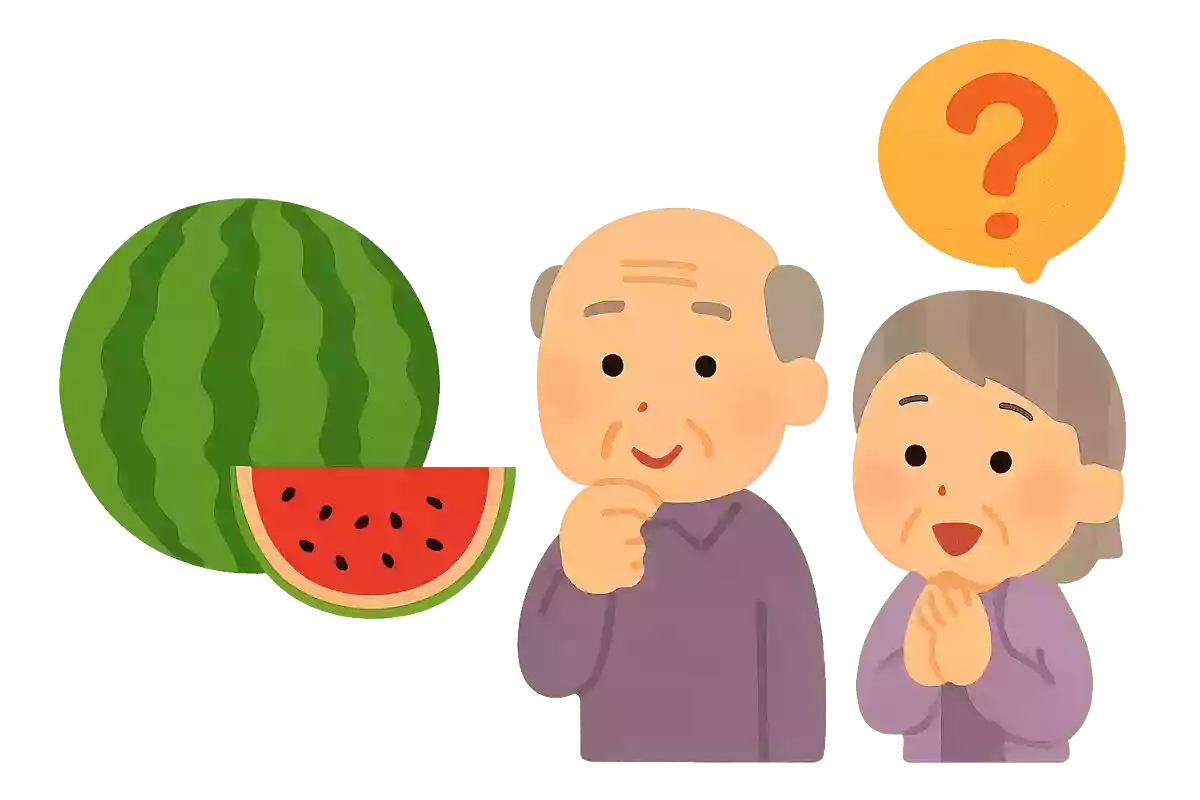
A quintessential symbol of summer: the watermelon.
Today, we’re all familiar with its round shape and striped pattern, but in fact, watermelons in the past were a little different—there was something they didn’t have.
What was it? “Weren’t they not red?” “Did they have more seeds?” “Weren’t they less sweet?” You can imagine all sorts of guesses.
It’s a summery question you can enjoy chatting about while you think of the answer.
So, the correct answer is… vertical stripes.
The now-standard pattern didn’t exist back then.
Even the appearance of watermelons has evolved over time.
When is the day for summer greeting cards?
These days, sending greetings by postcard may have become less common.
Still, when some people see a postcard that says “Shochu-omimai moshiagemasu” (summer greetings), do they think, “Ah, summer has arrived”? Also, June 15 is designated as Shochu-omimai Day.
The period for sending shochu-omimai is generally from around July 7, the solar term Shōsho (Lesser Heat), until the day before around August 7, the start of Risshū (Beginning of Autumn).
So where does June 15 come from? It turns out that on June 15, 1950, the Ministry of Posts first began selling special postcards for summer greetings.
What is the official name of the marble inside a bottle of ramune?
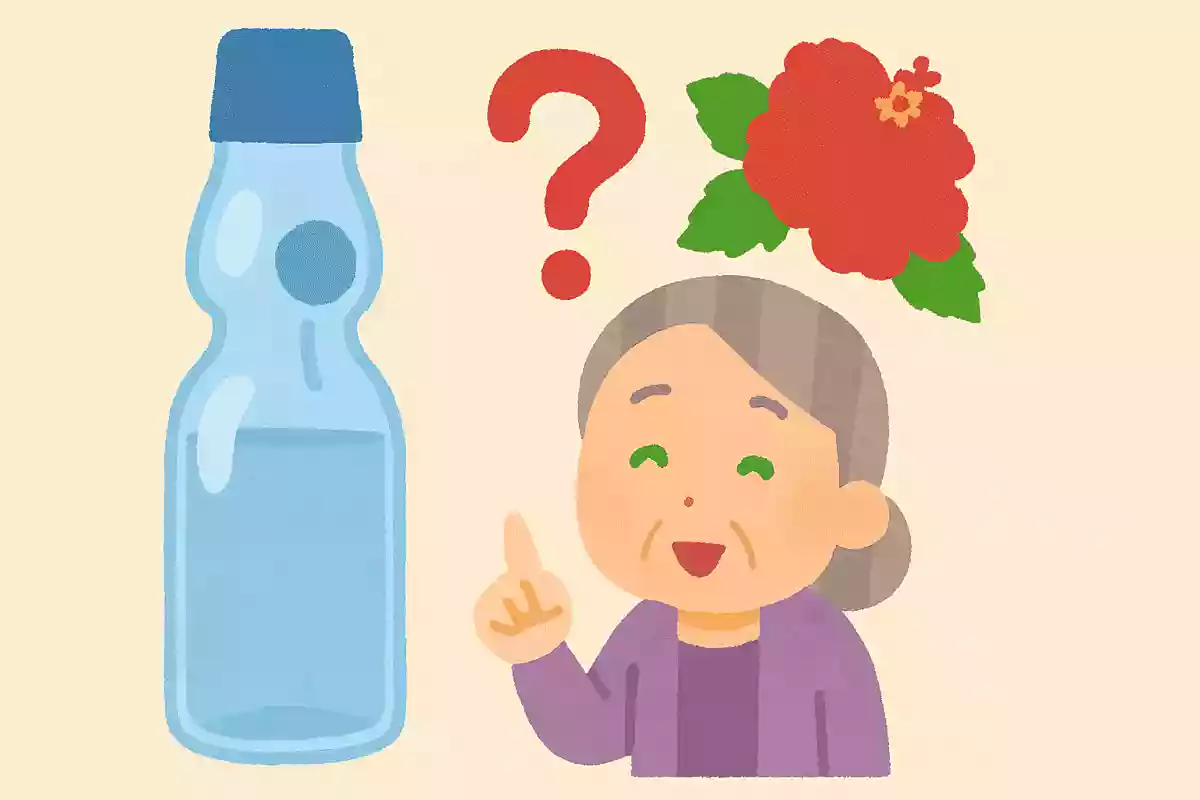
Ramune in glass bottles is a quintessential symbol of summer.
Drinking a well-chilled bottle of ramune on a hot summer day can blow the heat away.
Speaking of bottled ramune, its hallmark is the glass marble inside.
The official name of this marble is the “A-dama” (A marble).
Marbles that met the standard—specifically, those without any distortions that could be used as the bottle’s stopper—were called A-dama.
Those that didn’t meet the standard were called B-dama and became the toy marbles known as “bīdama.” Back when bottled ramune was first sold, many B-dama were produced, and shops that sold ramune would hand them out to children.