

[For Seniors] Boost Your Knowledge! Fun Trivia Quiz


“I wonder what this animal is.” “Who could this historical figure be?” There are still many things even older adults may not know, right?
So this time, we’re introducing a set of trivia quizzes we’d like older adults to try.
Even seniors with a wealth of knowledge might come across trivia that makes them say, “I learned that for the first time.”
What’s more, getting the answers right can boost motivation, making these quizzes great for recreational activities at senior facilities.
They’re excellent brain training, of course, and we hope everyone enjoys them together, including sharing stories related to the trivia quizzes.
- [For Seniors] Laugh-Out-Loud, Crowd-Pleasing! Fun Quiz
- [For Seniors] Trivia Multiple-Choice Quiz
- [For Seniors] Fun and Informative Trivia Quiz Collection
- [For Seniors] Fun and Informative! Trivia and Quizzes Introduced
- [Brain Training] Lively Word Quiz for Seniors
- [For Seniors] Fun and Informative! Health Trivia Quiz
- [For Seniors] Surprising Facts! Multiple-Choice Trivia Quiz (4 Options)
- [For Seniors] Fun Food Trivia Quizzes You'll Want to Share
- [For Seniors] Fun! Let’s Get Excited with Japan’s Number One Quiz
- [For Seniors] Fun Riddles That Stimulate the Brain
- [For Seniors] Today’s recommended quiz. Daily brain-training quiz!
- [For Seniors] January Trivia Quiz & Fun Facts. Brain training with quizzes about New Year and winter.
- [For Seniors] Guaranteed to Liven Things Up! A Collection of Brain Training Activities That Will Spark Laughter
[For Seniors] Boost Your Knowledge! Fun Trivia Quiz (61–70)
What do the phrases “Tamaya~” and “Kagiya~,” shouted when fireworks are launched, refer to?

Cries of “Tamaya!” and “Kagiya!” echo across the summer night sky.
You often hear these shouts at fireworks festivals, and while they’re an old custom, do you know what they mean? In fact, they’re not just random cheers—they have a history.
In the Edo period, there were famed fireworks craftsmen whose shop names were Tamaya and Kagiya.
Spectators would call out as if to cheer and compare which shop’s fireworks were more beautiful.
In other words, they’re “the names of the shops that made the fireworks.” This custom, which remains today, is proof that the artisans’ skill and pride have been passed down.
When those calls ring out along with the boom of the fireworks, a summer night becomes all the more evocative.

Mosquitoes also suck things other than human blood. What are they?

When you think of mosquitoes, the first thing that comes to mind is probably “sucking blood.” But in fact, they drink more than just blood.
So what else do they drink? Here’s a hint: something sweet.
The answer is… flower nectar.
Mosquitoes actually sip nectar regularly to replenish their energy.
Only females drink blood, and only because they need it to develop their eggs—males drink nectar exclusively.
Learning a new side of a familiar creature can spark conversation and stimulate the brain while enjoying the feel of the season.
It’s a tidbit you’ll remember the next time you hear that buzzing sound in the summer.
What is the reason we don’t eat eel as sashimi?
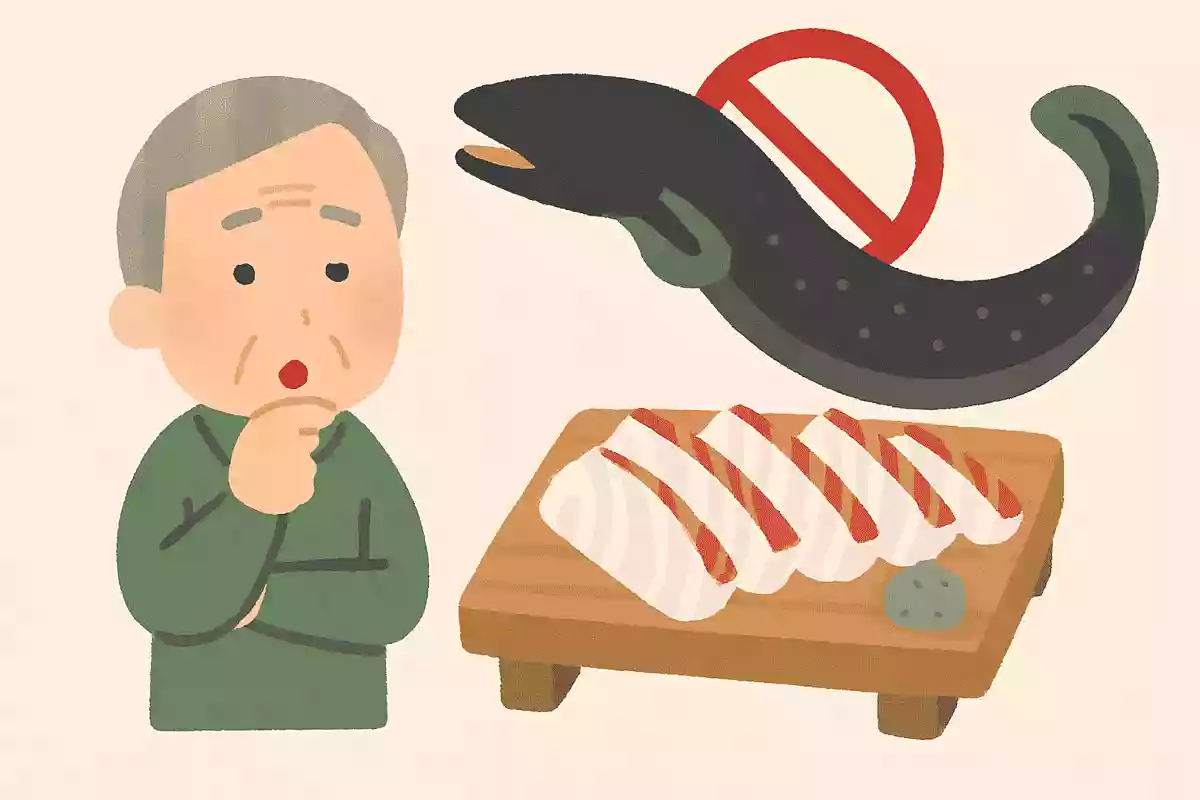
Let’s think simply! Here’s a trivia quiz: Why don’t we eat eel as sashimi? While there are many kinds of fish served as sashimi, eel is never offered that way.
The answer is: because eel blood contains toxic substances.
Eel blood has a toxin called ichthyotoxin (ichthyohemotoxin), which can cause symptoms like nausea and abdominal pain if ingested.
That’s why eel should always be cooked thoroughly before you enjoy it.
What ingredients help prevent food poisoning when included in a bento?
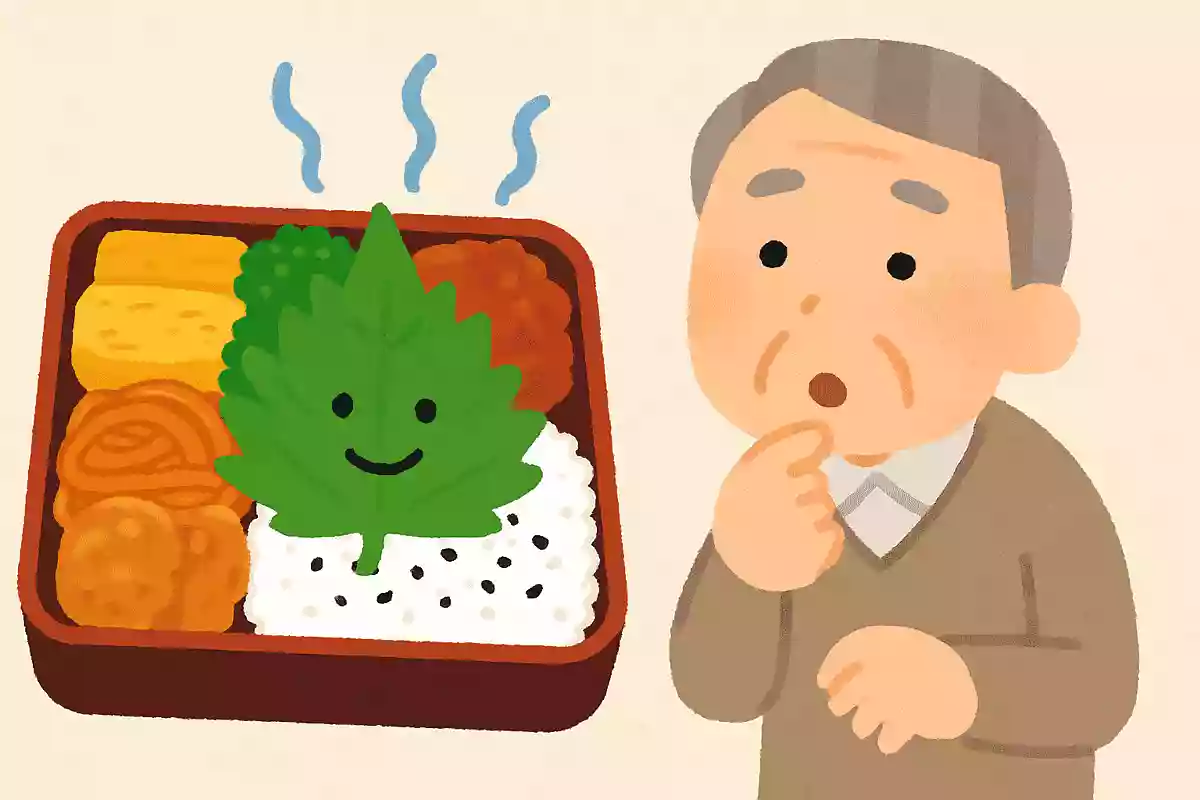
Here’s a trivia quiz: Which ingredient helps prevent food poisoning when packed in a bento? As temperatures rise, food poisoning from lunch boxes becomes a concern.
The ingredient said to help prevent it is umeboshi (pickled plums).
Umeboshi, rich in salt and citric acid, has strong antibacterial effects, making it a good addition to bentos.
However, it’s best not to rely on umeboshi alone—use it together with ice packs and an insulated bag.
A handy tip for the warmer seasons.
In sukiyaki, which ingredient is considered better not to place next to the meat?
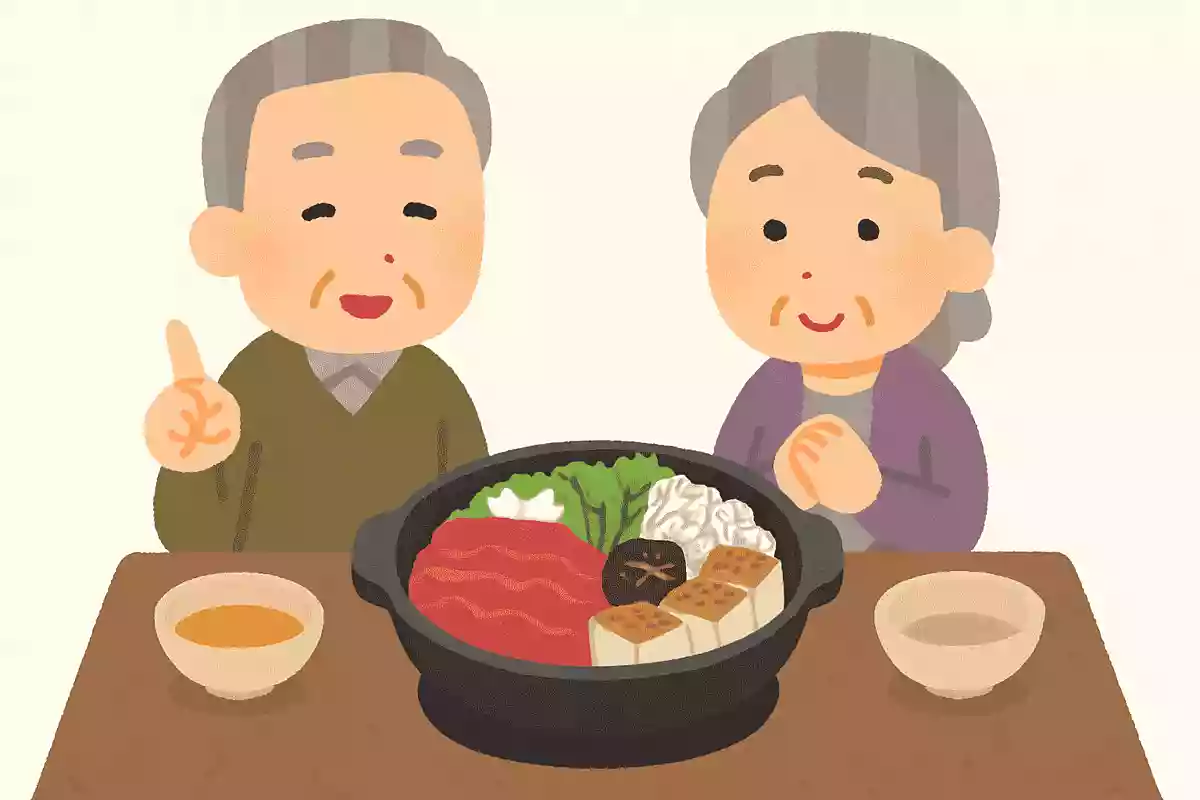
A quiz many people might already know! In sukiyaki, which ingredient is said to be better not placed next to the meat? Here’s a bit of trivia for you.
The correct answer is shirataki (konjac noodles).
Shirataki contains calcium, and when it comes into contact with protein, heat coagulation occurs, which causes the meat to toughen more quickly.
Some of you may have unknowingly placed them side by side in the pot.
To enjoy delicious, tender meat, it’s important to be a little mindful of how you arrange the ingredients.
What kind of fish is in a can of tuna?
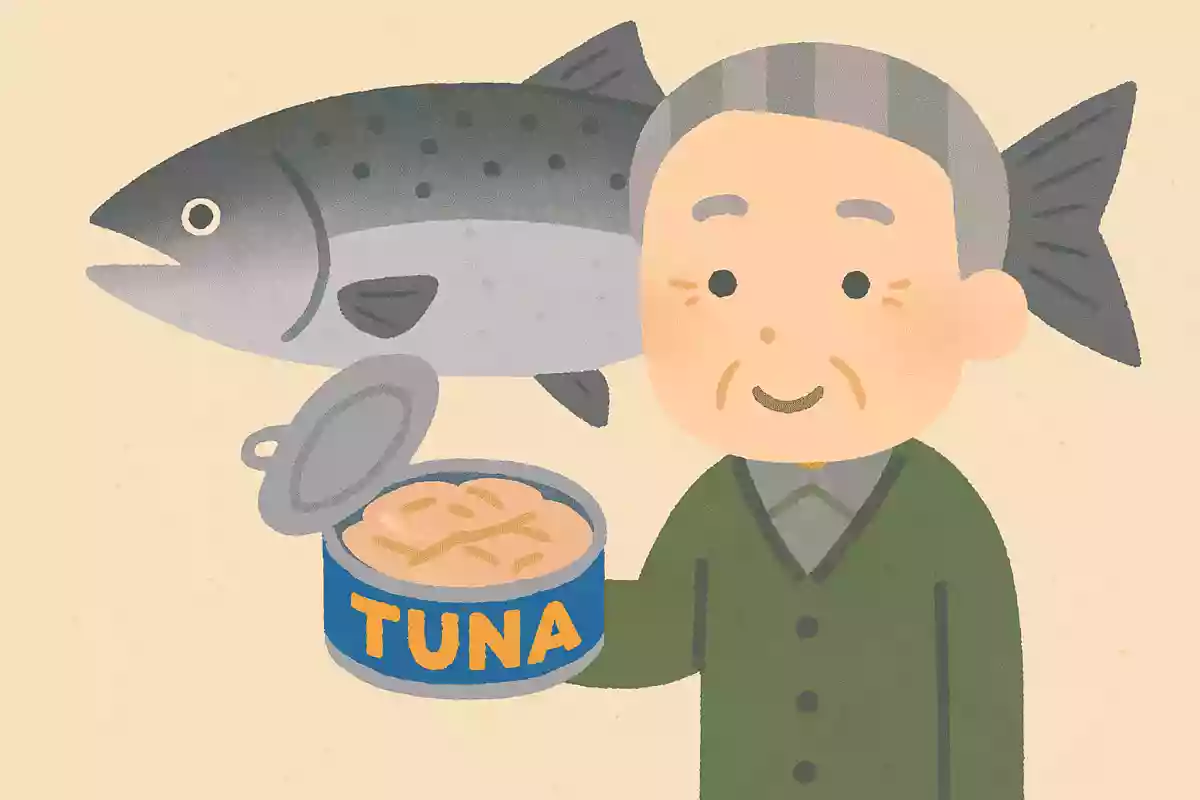
The fish in canned tuna are tuna and bonito.
Canned tuna comes in varieties such as oil-packed and water-packed, and it’s also classified by the shape of the meat.
Flakes are finely shredded pieces that can be used in a variety of dishes like salads, dressed sides, and sandwiches.
Chunks are more coarsely broken pieces that offer a firmer texture than flakes and are great as fillings for sandwiches or rice balls.
By using different types of canned tuna appropriately, you can expand your repertoire and enjoy delicious meals.
Have fun cooking easily with canned tuna!

What do you call the black spots that appear on a banana peel?
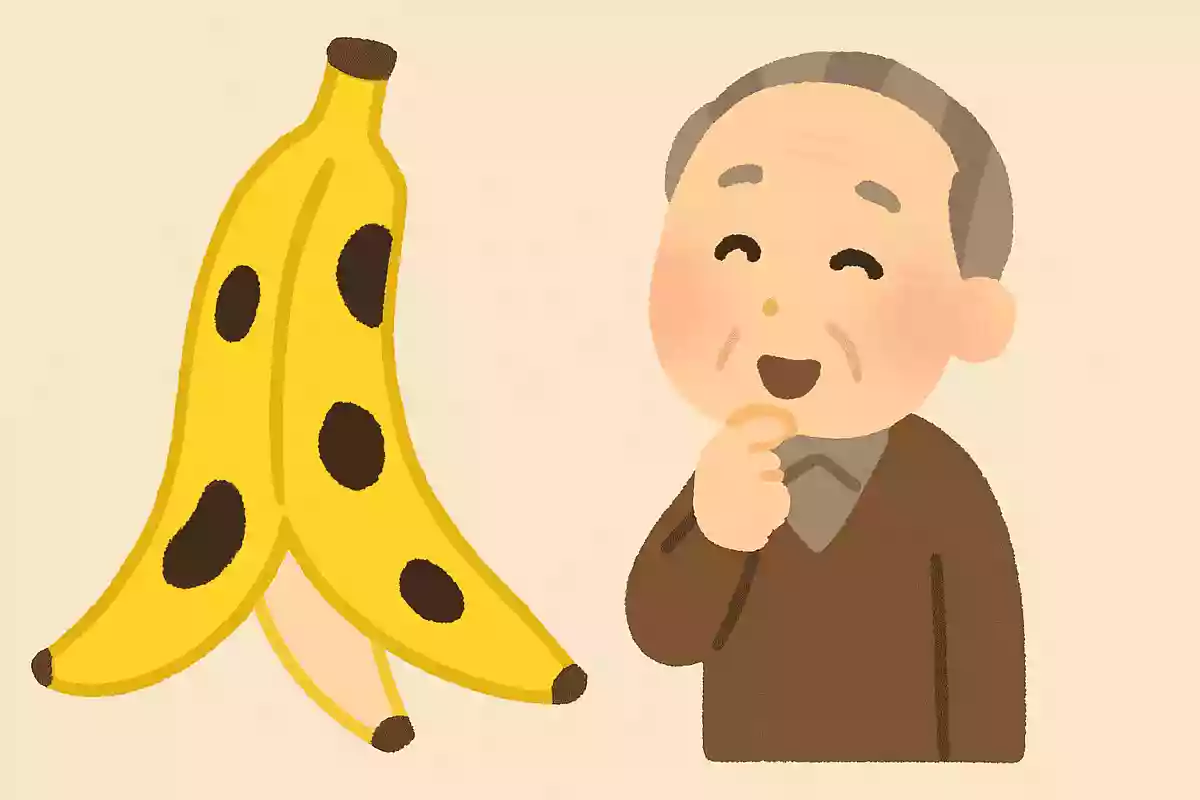
The black spots that form on banana peels are called sugar spots.
Sugar spots are a sign that a banana has ripened and become delicious.
When the sugar spots spread all over and the peel becomes slightly soft, it’s said to be the ideal time to eat the banana as is.
You can also peel it, wrap it, and freeze it to enjoy in smoothies, cooking, or as a refreshingly cold banana ice treat.
Give it a try! Knowing the tips for when bananas are at their tastiest will help you enjoy even more delicious bananas.