

[For Seniors] Boost Your Knowledge! Fun Trivia Quiz


“I wonder what this animal is.” “Who could this historical figure be?” There are still many things even older adults may not know, right?
So this time, we’re introducing a set of trivia quizzes we’d like older adults to try.
Even seniors with a wealth of knowledge might come across trivia that makes them say, “I learned that for the first time.”
What’s more, getting the answers right can boost motivation, making these quizzes great for recreational activities at senior facilities.
They’re excellent brain training, of course, and we hope everyone enjoys them together, including sharing stories related to the trivia quizzes.
- [For Seniors] Laugh-Out-Loud, Crowd-Pleasing! Fun Quiz
- [For Seniors] Trivia Multiple-Choice Quiz
- [For Seniors] Fun and Informative Trivia Quiz Collection
- [For Seniors] Fun and Informative! Trivia and Quizzes Introduced
- [Brain Training] Lively Word Quiz for Seniors
- [For Seniors] Fun and Informative! Health Trivia Quiz
- [For Seniors] Surprising Facts! Multiple-Choice Trivia Quiz (4 Options)
- [For Seniors] Fun Food Trivia Quizzes You'll Want to Share
- [For Seniors] Fun! Let’s Get Excited with Japan’s Number One Quiz
- [For Seniors] Fun Riddles That Stimulate the Brain
- [For Seniors] Today’s recommended quiz. Daily brain-training quiz!
- [For Seniors] January Trivia Quiz & Fun Facts. Brain training with quizzes about New Year and winter.
- [For Seniors] Guaranteed to Liven Things Up! A Collection of Brain Training Activities That Will Spark Laughter
[For Seniors] Boost Your Knowledge! Fun Trivia Quiz (41–50)
Which has higher nutritional value, fresh daikon or dried daikon (kiriboshi daikon)?
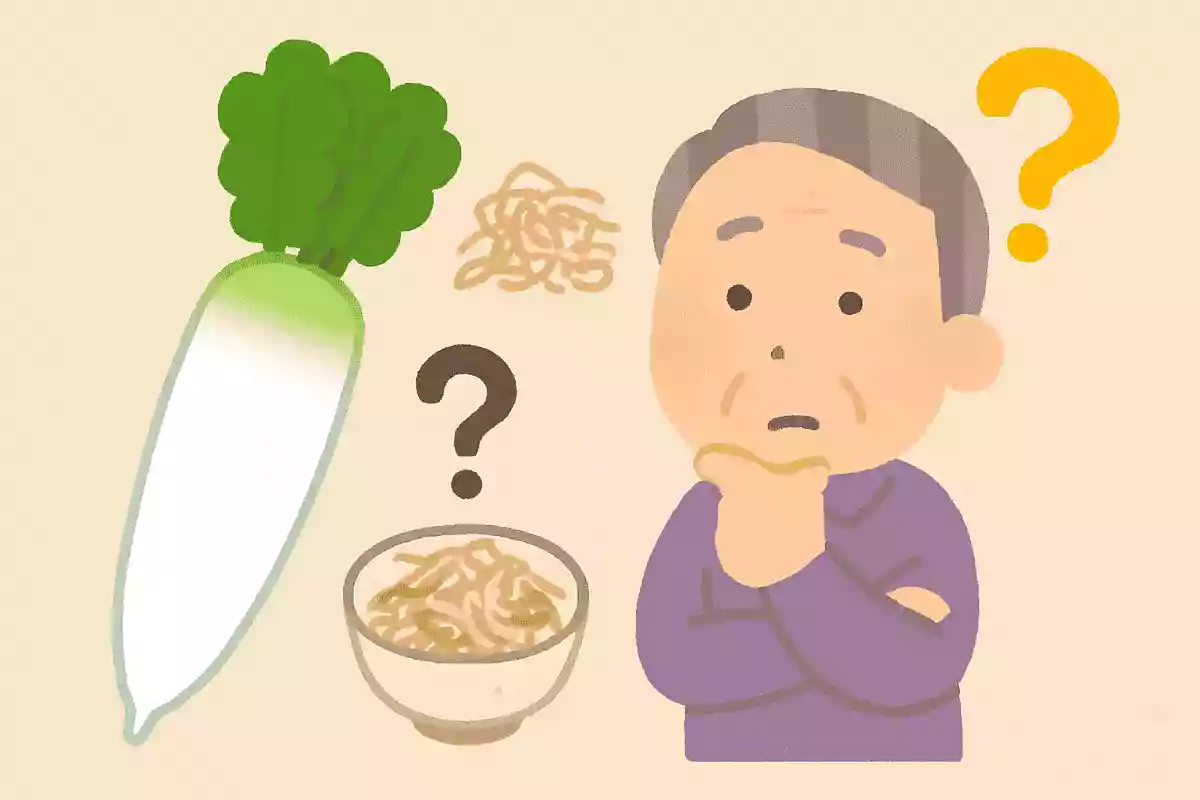
Kiriboshi daikon may seem like a simple processed food—basically just dried daikon—but the ways you use it in cooking are quite different from fresh daikon, right? So which one is more nutritious: kiriboshi daikon or fresh daikon? The key point is that it’s dried.
If you think about how the drying process changes its state, you might arrive at the answer.
The answer is “kiriboshi daikon.” By drying it, the water is removed and the nutrients become concentrated, so even the same amount ends up being more nutritious.
Knowing that drying also increases umami might make you even more eager to try using it.

As of 2012, Nagano Prefecture ranked third and Gifu Prefecture ranked second in the list of prefectures with the highest percentage of forest area. So which prefecture ranked first?
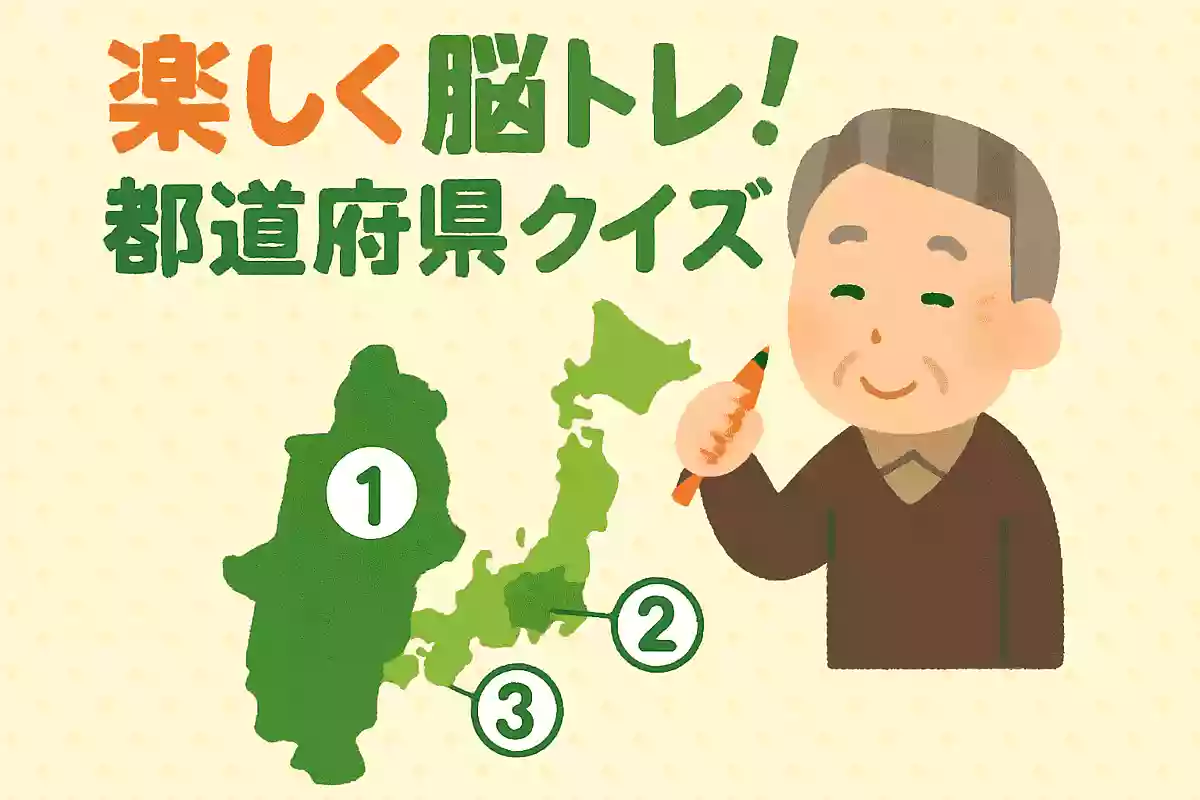
A ranking of prefectures with the highest proportion of forest area as of 2012.
Nagano Prefecture is 3rd, Gifu Prefecture is 2nd, and the honorable 1st place goes to Kochi Prefecture—truly a lush green kingdom where over 80% of the land is forest.
It’s the kind of surprising answer that makes you go “Oh, really?”—the sort of refined trivia you might have seen on a Showa-era quiz show.
It’s interesting not only for its geography angle but also for highlighting regional characteristics and natural abundance.
A retro-flavored local quiz that both Showa enthusiasts and nature lovers will be eager to talk about.

The largest lake in Japan is Lake Biwa, the second largest is Lake Kasumigaura, so what is the third largest lake?
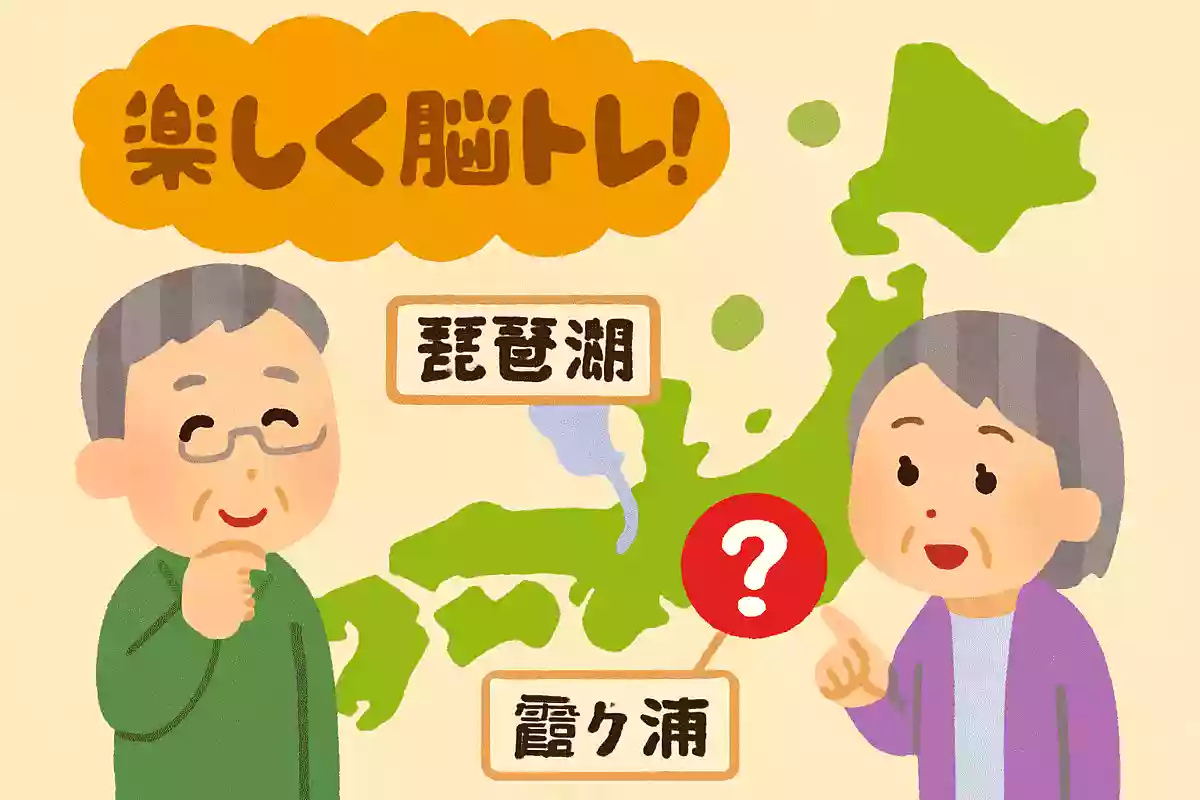
If you’re asked, “What’s the largest lake in Japan?” many people can instantly answer, “Lake Biwa!” Fewer people know the runner-up, which is Lake Kasumigaura.
So what about third place? That’s where many might hesitate.
The correct answer is Lake Saroma.
It’s a brackish lake in Hokkaido, and its size surprises a lot of people.
Geography quizzes like these—familiar yet full of unknowns—are surefire crowd-pleasers for both adults and kids.
Drop one into casual conversation, and you might spark an unexpected lively exchange.
These slightly nostalgic, Showa-era-style knowledge quizzes are also perfect for a bit of brain training.
What is the reason ginkgo trees are often planted as street trees?
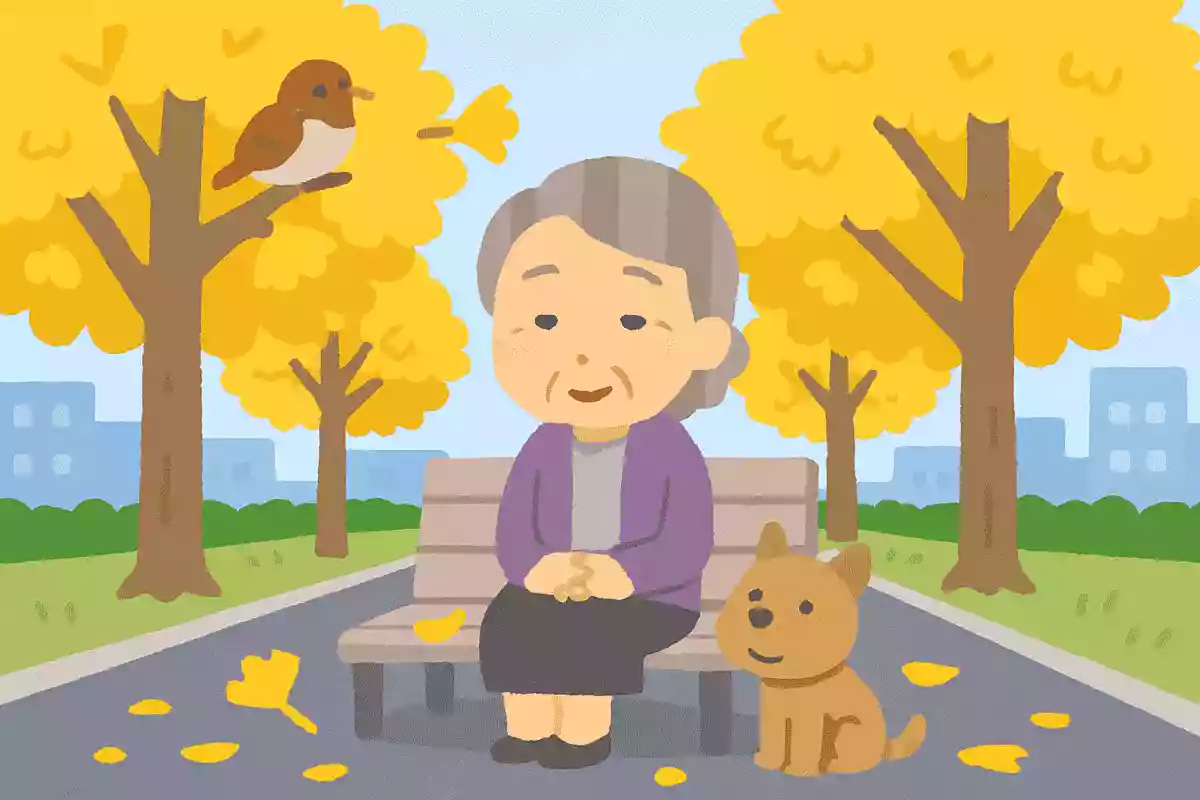
In many towns, roadside trees are planted, adding color to the scenery.
Let’s focus on the ginkgo trees we often see among these street trees: why are they so commonly planted? The leaves, which can be a bit of a nuisance at certain times of year, offer a big hint.
By considering their thick leaves, we can infer the tree’s characteristics.
The answer is that ginkgo trees are highly resilient and hard to burn.
They grow robustly even in urban environments and, in emergencies, provide safety benefits, which is why they are favored as street trees.
What is the largest mammal in the world?
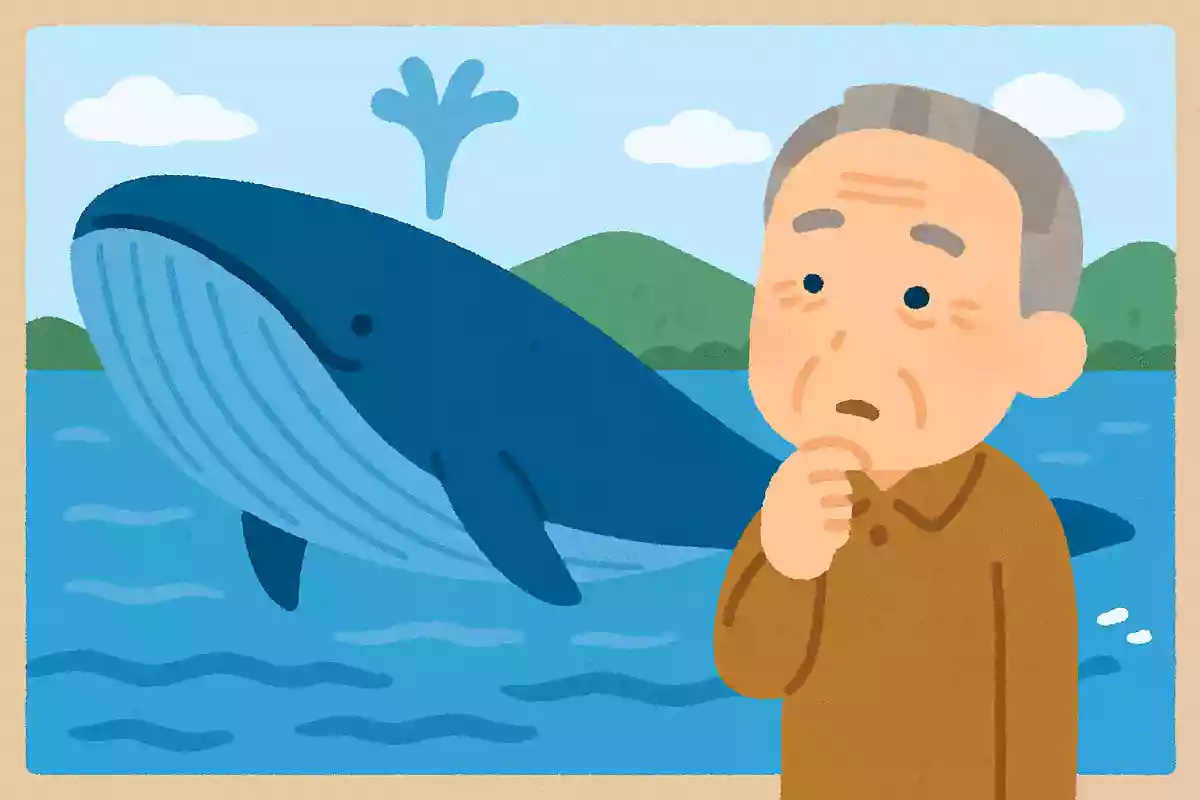
Mammals, one category of animal classification, include not only humans but a wide variety of species living all around the world.
Among mammals, what would you say is the largest in the world? It’s a good idea to start by imagining large animals, then expand your thinking by asking whether they’re mammals and whether there might be anything even larger.
The answer is the blue whale.
Even a simple figure—its length of about 25 to 30 meters—clearly conveys its immense size.
What is the tallest animal in the world?
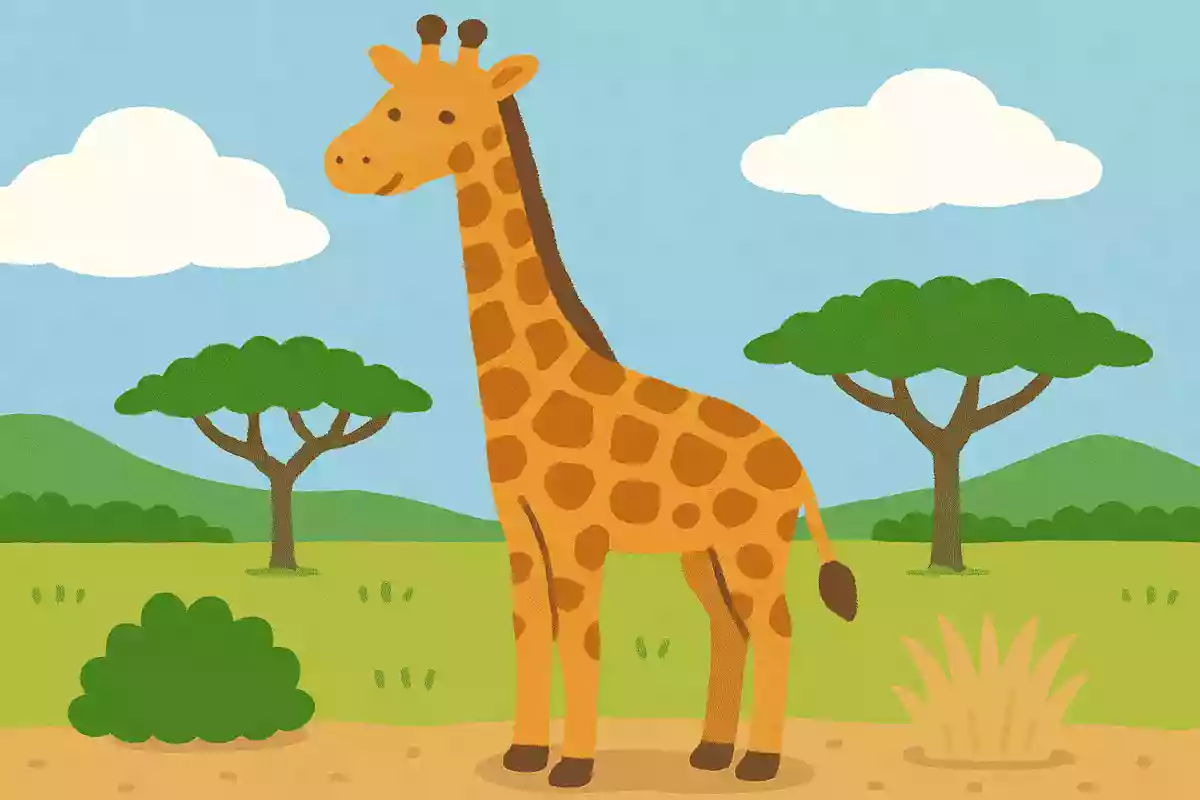
There are many different animals living in the world, and their appearances and forms often have characteristics different from humans.
Focusing on such animal forms, what would you say is the tallest animal in the world? How many animals you know is also an important clue; just picturing the natural landscapes where animals live might lead you to the answer.
The answer is the giraffe, with its long neck and legs.
Males can reach up to 5 meters, making it a towering animal that’s also popular in zoos.
What symptoms are likely to appear simultaneously when one becomes malnourished?

Eating is essential for living, and being mindful of nutrition leads to health and happiness.
When you fall into a state where this vital nutrition is lacking—so-called undernutrition—what symptom is said to commonly appear at the same time? Ideally, it’s best to have knowledge rather than experience, but some people may recall it from personal experience, such as having an unbalanced diet.
The answer is dehydration.
Knowing that a lack of nutrition can cause various adverse effects can help you pay closer attention to your nutrition.