

[For Seniors] Trivia Quiz & Fun Facts for Everyday Life

Quizzes that are not only useful in everyday life but also enriching for general knowledge.
They’re easy to play, making them perfect for killing time.
This time, we’re introducing light, fun trivia quizzes for seniors.
If you know the answers to these quizzes, you can share them as knowledge with those around you.
Of course, they also help develop thinking and concentration skills, making them great brain training.
Get excited with quizzes,
show off fun facts, and naturally pick up knowledge as you play—this value-packed quiz collection has it all!
Give it a try!
- How much do you know? Trivia quiz for seniors that’s full of surprisingly unknown facts
- [For Seniors] Fun and Informative Trivia Quiz Collection
- [For Seniors] Fun and Informative! Health Trivia Quiz
- [For Seniors] Recommended Trivia Quizzes & Fun Facts for November
- [For Seniors] Fun and Informative! Trivia and Quizzes Introduced
- [For Seniors] Lively two-choice trivia quiz. Handy to know and tidbits you'll want to share with others
- [For Seniors] Sports Trivia Quiz & Fun Facts. Easy and Entertaining
- [For Seniors] Surprisingly Unknown! General Knowledge Quiz
- [For Seniors] Fun Riddles That Stimulate the Brain
- [For Seniors] Fun! Let’s Get Excited with Japan’s Number One Quiz
- [For Seniors] Trivia Multiple-Choice Quiz
- [For Seniors] Perfect Brain Training! Fun Trivia
- [For Seniors] Introducing Trivia Quizzes and Fun Facts About December
[For Seniors] Trivia Quiz & Fun Facts for Everyday Life (61–70)
There’s an unusual surname that’s written with the characters for April 1st but read as “Watanuki.”

When April comes, we often get a spell of pleasantly warm weather, don’t we? So here are some fun facts related to the springtime mood.
There are people whose surname is written with the characters for “April 1” (四月一日) and read as Watanuki.
It’s an unusual surname, but it has an origin that’s very fitting for April.
As it gets warmer in April, people used to switch from winter kimono padded with cotton to ones with the cotton removed.
Because the cotton (wata) was taken out (nuku) on April 1, the name became Watanuki.
Japan has many other rare surnames as well.
It might be fun to look for them together with older people.

Spring cabbage refers to cabbage that was sown in autumn.

Neoruby SP, Suzusora, Ayari, Okina SP—do you know what they refer to? The answer is cabbage.
If you’ve always thought “Aren’t all cabbages the same?”, try looking them up and check out their colors and shapes.
What we commonly call “spring cabbage” actually refers to cabbage sown in autumn and grown over the winter.
Instead of a vivid green, it tends to be more yellowish-green, and its leaves are tender.
Stir-fry it with ham and cheese and it becomes a main-worthy side dish.
It’s also delicious raw with dressing!
A single strawberry has 200 seeds.
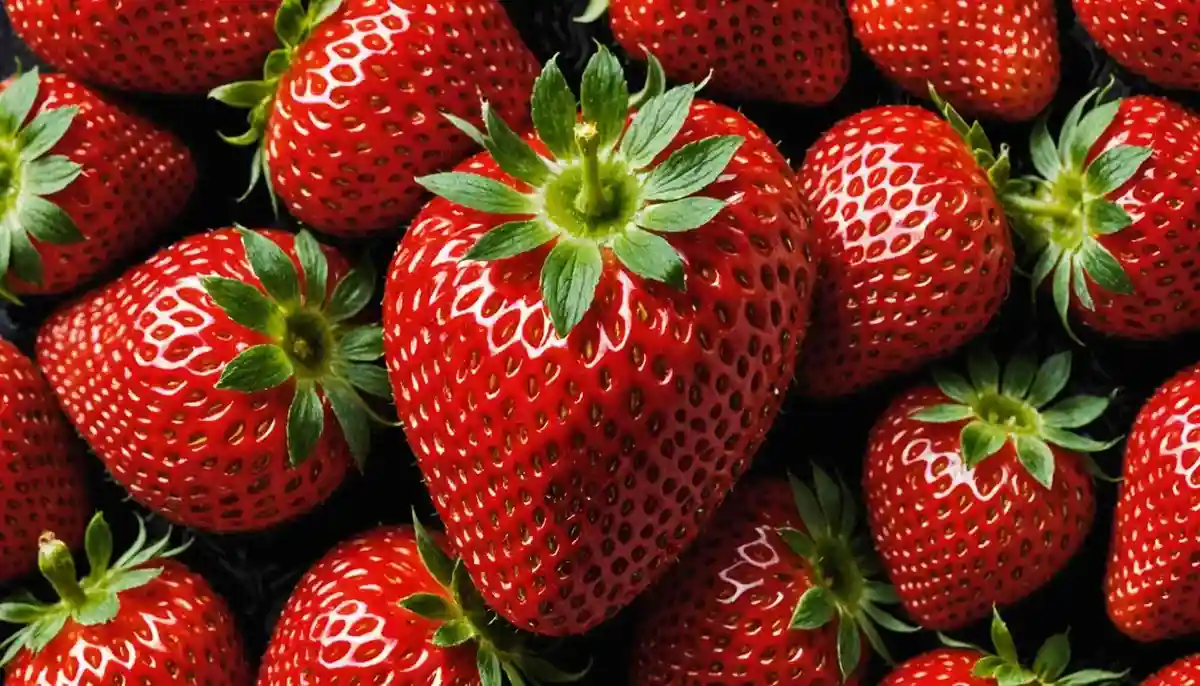
When we think of fruits that symbolize spring, strawberries are one of them.
Take a bite of a strawberry and you’ll notice its juicy flesh and sweet-tart flavor.
Do you also feel the little bumps in your mouth? Many people might think, “Are those seeds?” but it turns out they’re not.
In fact, those bumps are the actual fruits, and the seeds are inside them.
It’s said that a single strawberry has about 200 to 300 of these bumps.
That means the sweet-and-tart part we usually eat is what’s called an aggregate fruit, made up of 200 to 300 tiny fruits.
Strawberries may also be used for spring snack-time activities with seniors.
Sharing these fun strawberry facts could make those snack sessions even more enjoyable.
Unfortunate Creatures Quiz 1

Among the creatures of the world, some have unique ecologies different from humans, and at times those traits can make life harder for them.
This quiz focuses on such unfortunate aspects of animal life: you try to guess, from the choices, just how unfortunate they are.
While we might assume there are profound reasons for animals living with pain, the fun lies in discovering that it can simply be a string of mistakes.
From unlucky lifestyles to behaviors that turn out to have no real reason, the content also brings out the charming side of animals.

Unfortunate Creatures Quiz 2

Creatures different from humans exist all over the world, and precisely because they live differently, we can’t help but feel that every one of their actions has meanings humans can’t fully grasp.
This quiz focuses on the arguably “unfortunate” aspects of some animals’ behaviors to deepen our understanding and affection for them.
Since the premise is “unfortunate,” you might predict that the more unfortunate option is often the correct answer—so we’ll ask you to consider the reasons as well.
Even though animals would presumably want to avoid pain and suffering, limited abilities can lead them to repeat certain behaviors almost as if by habit.
Through this, you’ll gain a deeper understanding of animals.