

[For General Audience] Little-Known Trivia and Fun Facts About Hay Fever


Every year when pollen season arrives, many people struggle with sneezing, a runny nose, and itchy eyes.
Hay fever, which afflicts many Japanese people, is no longer someone else’s problem.
Surprisingly, this very familiar condition hides plenty of little-known trivia and fun facts that may make you say, “Really?” In this article, we’ve gathered a wide range of general-interest trivia and tidbits about hay fever.
Many of them are useful for everyday prevention just by knowing them, so whether you suffer from hay fever or not, be sure to check them out!
- [For General Audience] Little-Known Trivia and Fun Facts About Hay Fever
- Useful right away in daily life! Surprising trivia and handy tips
- Surprisingly unknown? A fun health trivia quiz that will make you want to try it
- Recommended in March! A collection of surprising, little-known trivia that elementary school students will want to share
- Trivia about cherry blossoms: a roundup of fun facts to make springtime hanami even more enjoyable
- How many can you solve? Test your spring knowledge with a trivia quiz about March!
- Trivia about hydrangeas. A collection of fun facts related to ajisai (hydrangeas).
- [Great for speeches] Trivia and fun-fact quizzes recommended for morning assemblies
- Rainy season trivia roundup: fun facts you'll want to share with someone
- A roundup of insect trivia: fun facts you'll want to share
- Lesser-known facts about Mother’s Day that might surprise you—tidbits you’ll want to share with someone
- Will you like May even more once you know? Fun May trivia elementary schoolers should know
- Fireworks Trivia & Fun Facts Summary
[For the general public] A roundup of surprisingly little-known trivia & fun facts about hay fever (1–10)
More and more children are developing hay fever.
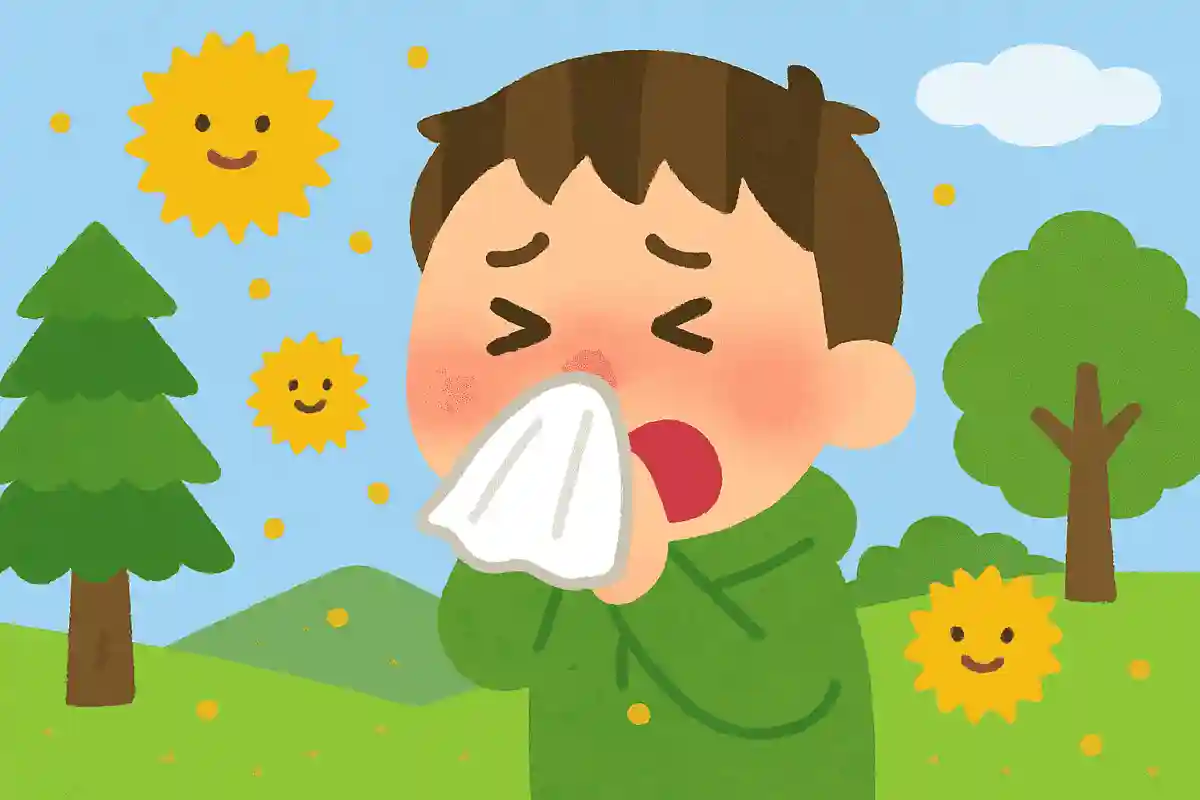
Here are some key points reflecting recent changes in living environments.
Hay fever used to be seen mainly in adults, but in recent years more children—even preschoolers and elementary school students—have been developing it.
This is thought to be related to various factors, including air pollution in urban areas, changes in living conditions, and increases in pollen from cedar and cypress trees.
Because children may have difficulty clearly expressing their symptoms, it’s important for caregivers to notice signs such as sneezing, a runny nose, and itchy eyes.
Early measures and treatment can sometimes alleviate symptoms, so it’s reassuring for the whole family to understand hay fever.

There are about 60 types of plants that carry pollen causing hay fever.
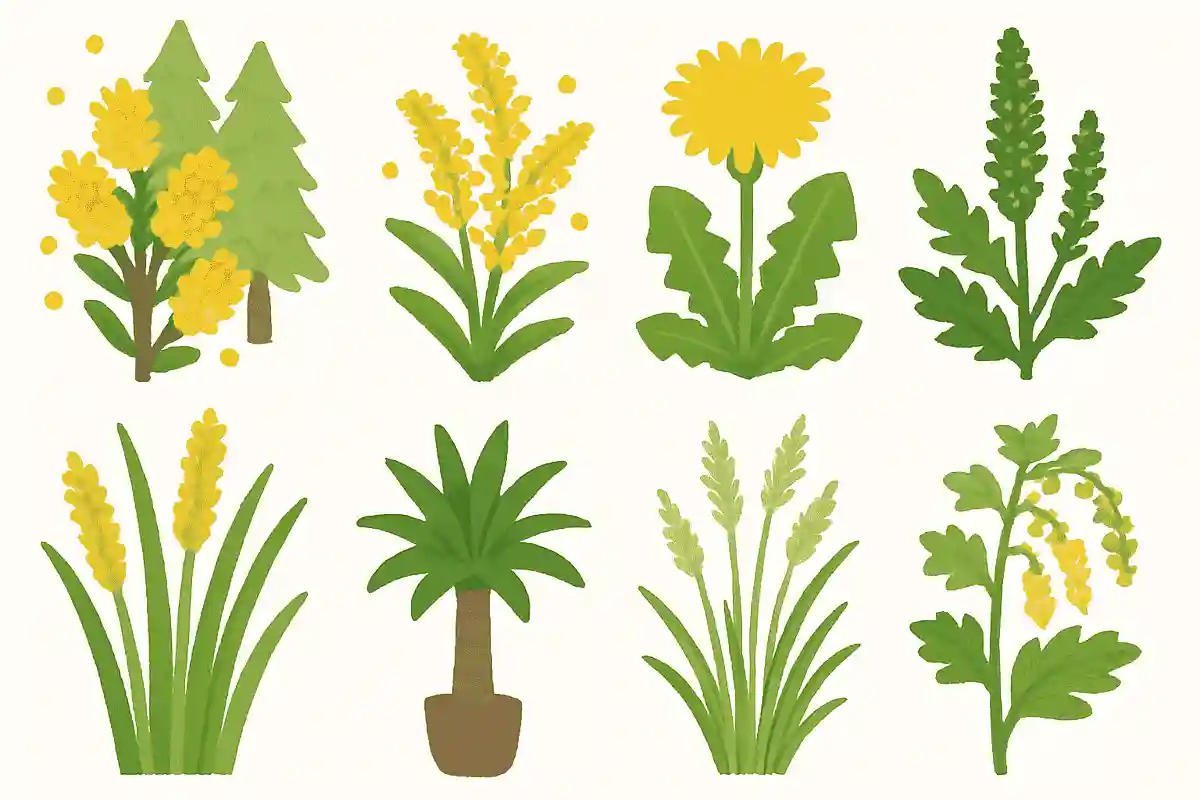
Not only well-known culprits like cedar (sugi), cypress (hinoki), and ragweed, but also grasses, daisies (Asteraceae), birch, mugwort, and other plants commonly found nearby can cause hay fever.
Because the types and amounts of pollen dispersed vary by season, some people experience symptoms not only in spring but also in summer and autumn.
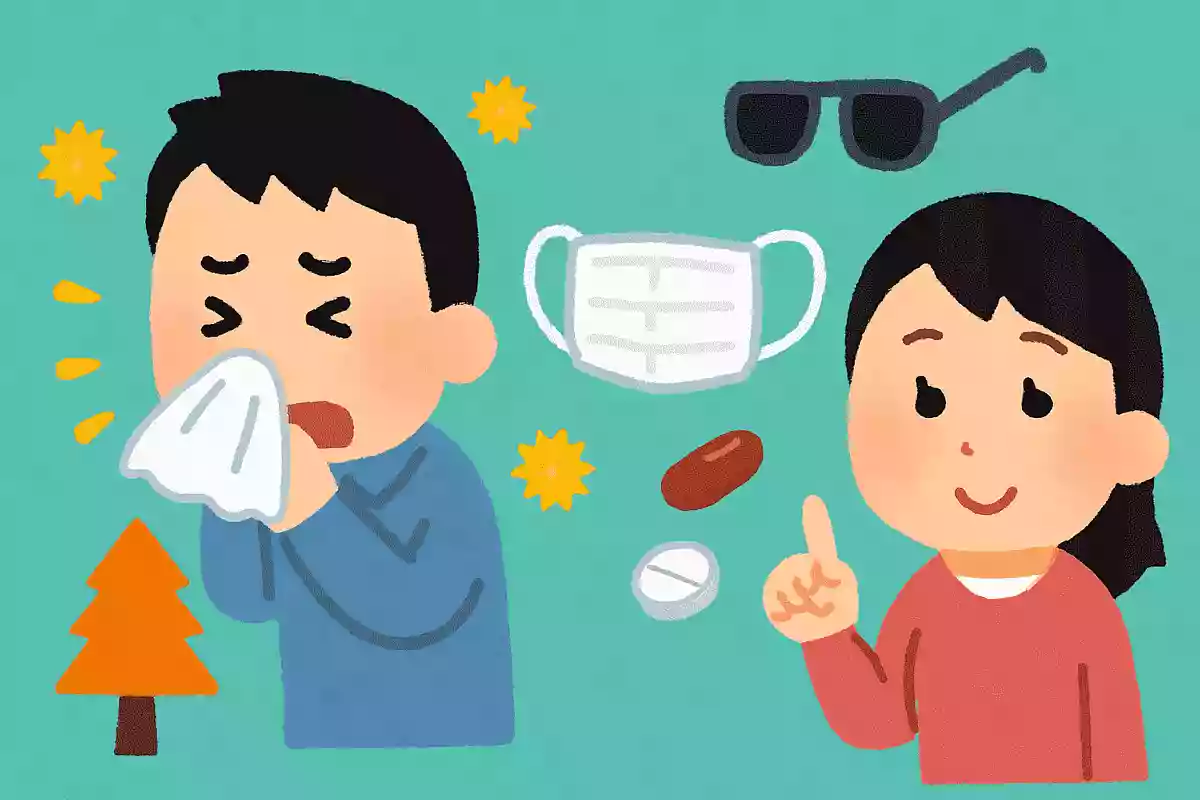
Knowing that there are many potential trigger plants makes it easier to imagine which pollen you might be reacting to and helps you take practical measures in daily life, such as using masks and glasses or managing when to open and close windows.
It can also prompt you to pay more attention to the natural environment in everyday life, not just during hay fever season.
42.5% of Japan’s population are hay fever sufferers.
It seems that the sense of urgency about hay fever has been growing year by year, with the government taking measures and the variety of medications increasing.
According to data released in 2019, 42.5% of the Japanese population suffers from hay fever, and it is said that the number has continued to rise since then.
Given that the number of patients has increased by more than 10% over the past decade, there is a strong warning that measures at the national level are necessary.
Data also show that cedar pollen is the most common cause of hay fever, so it’s important not only to address the symptoms but also to implement countermeasures against cedar trees themselves.

[For General Readers] Little-Known Trivia and Fun Facts about Hay Fever (11–20)
People who suffer from hay fever should visit a hospital before the pollen starts to spread.
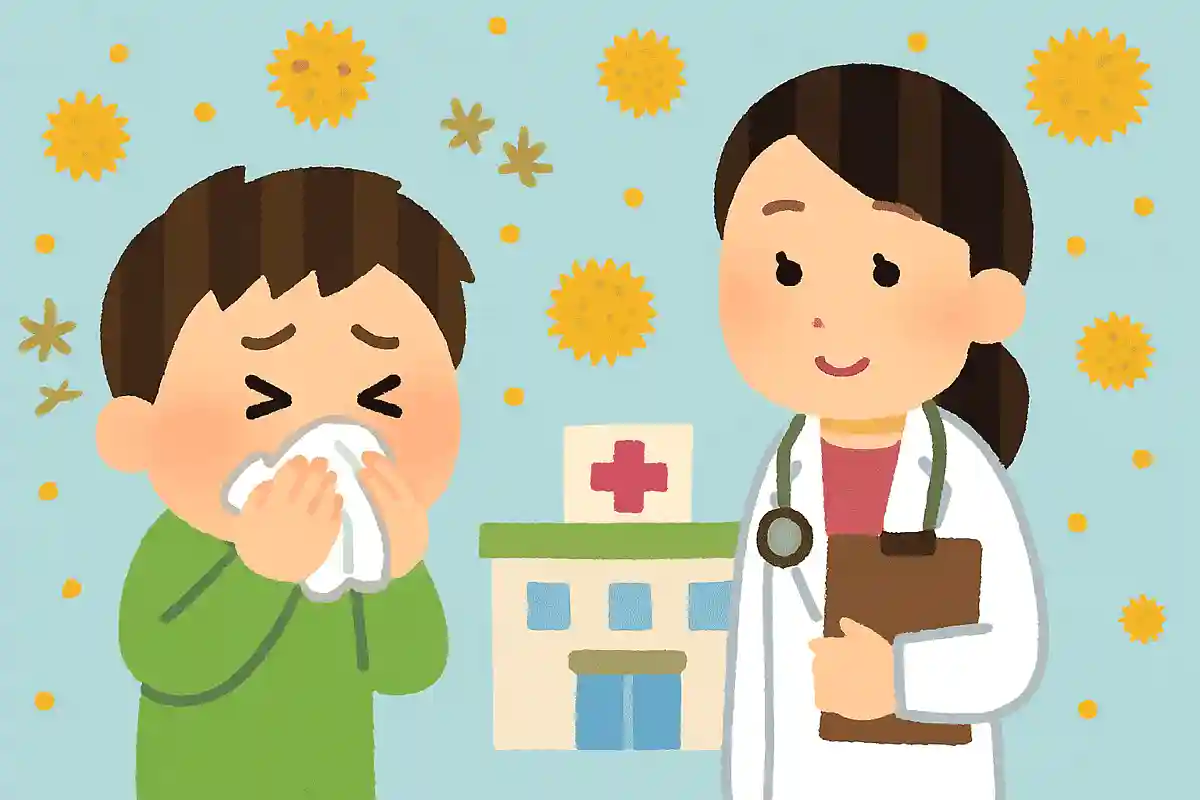
When spring arrives, pollen from cedar and cypress trees begins to spread, and some people develop what are commonly known as hay fever symptoms, such as sneezing, a runny nose, and itchy eyes.
For those who suffer from hay fever, it’s recommended to visit a clinic before symptoms start—that is, before the pollen begins to disperse.
Starting medication before symptoms appear can help weaken the body’s reaction to pollen.
There are medicines that prevent itching in the nose and eyes, as well as those that suppress the body’s internal response to pollen.
By consulting a doctor and preparing before spring comes, you may be able to get through pollen season a bit more comfortably.
Blue-backed fish are expected to help alleviate hay fever.
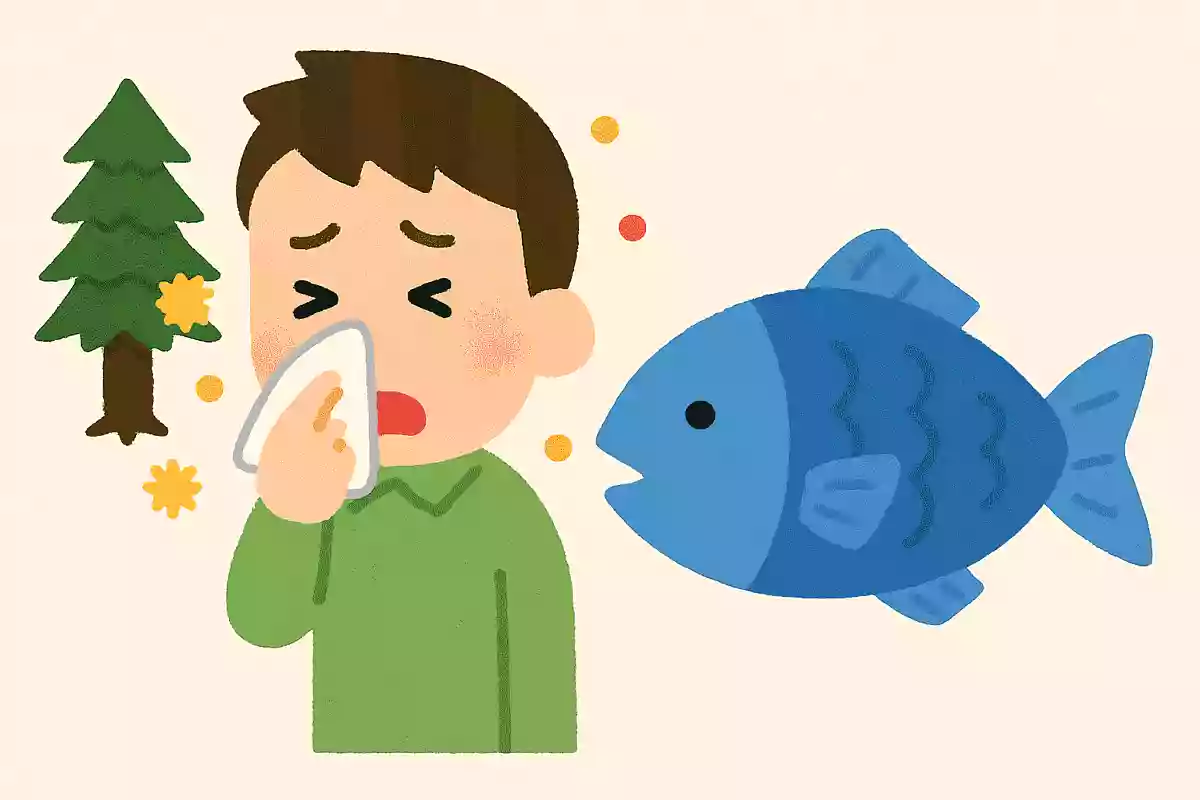
To control allergy symptoms, it’s important to know which components you need and to incorporate them into your body appropriately.
For hay fever symptoms, oily fish rich in DHA and EPA—expected to have antihistamine effects—are considered effective.
They don’t work as quickly as medication, but it’s an easy and enjoyable way to manage hay fever by simply adding them to your daily meals.
It’s also important to focus on regulating your immune system and to incorporate these elements into your routine in a balanced way.
Polyphenols and lactic acid bacteria are also said to be beneficial, so use them as a reference when planning your meals.
On rainy days, histamine secretion increases, so hay fever symptoms tend to become stronger.
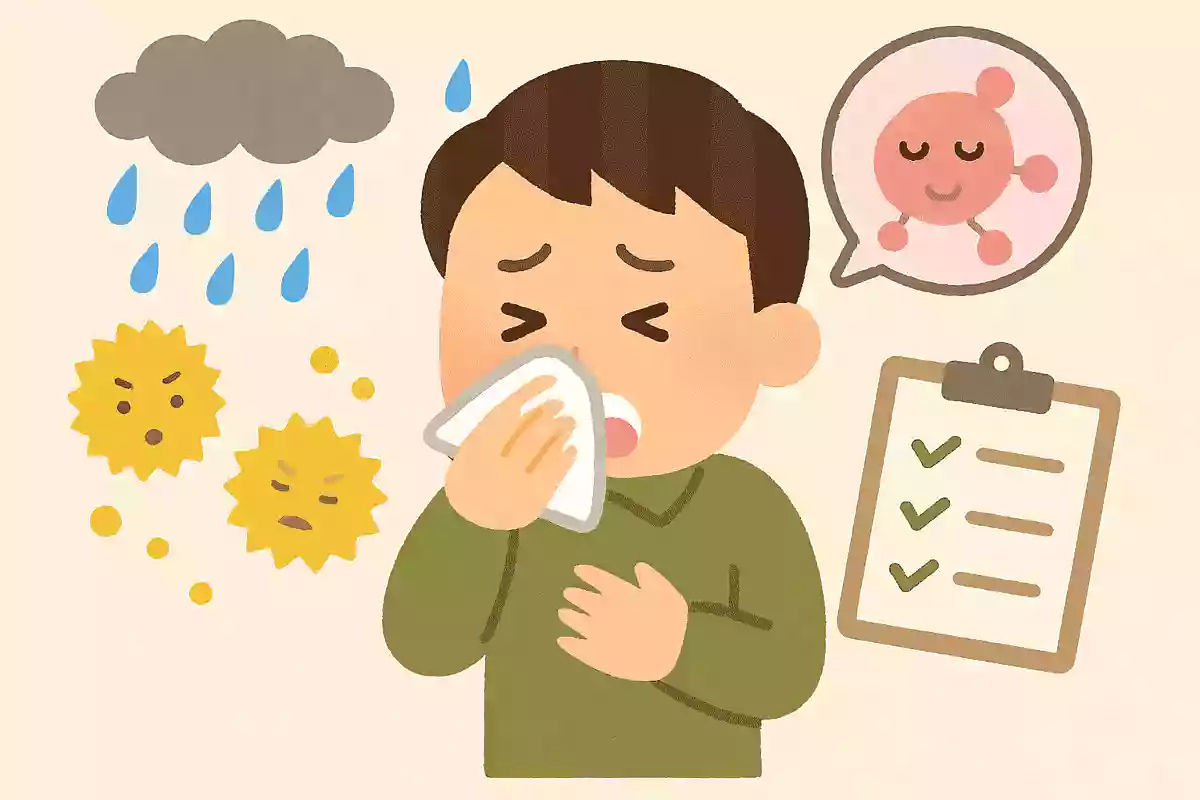
Many people may feel that the intensity of their symptoms varies depending on the day’s weather.
That’s not just your imagination—on days when atmospheric pressure drops, such as rainy days, histamine secretion increases, and allergy symptoms tend to be stronger.
It’s a good idea to pay close attention to the weather and pressure each day, anticipate how severe your symptoms might be, and take preventive measures accordingly.
Be cautious and plan ahead around days when the pressure is falling, since pollen that has settled on the ground in the rain can be stirred up on the next sunny day, and symptoms can also appear with a delay after inhaling pollen.
For pollen protection, clothing made of smooth, slippery materials is recommended.

Hay fever is often strongly associated with pollen floating in the air, but pollen that sticks to clothing also has a major impact on triggering symptoms.
When pollen adheres to your clothes, it can be stirred up by wind or movement and approach your mucous membranes from close range.
To prevent this kind of dispersion from clothing, it’s considered effective to choose smooth, slick fabrics.
By selecting materials that prevent pollen from getting into the gaps between fibers and from clinging due to static electricity, you can reliably reduce the causes of dispersion.