

[For General Audience] Little-Known Trivia and Fun Facts About Hay Fever


Every year when pollen season arrives, many people struggle with sneezing, a runny nose, and itchy eyes.
Hay fever, which afflicts many Japanese people, is no longer someone else’s problem.
Surprisingly, this very familiar condition hides plenty of little-known trivia and fun facts that may make you say, “Really?” In this article, we’ve gathered a wide range of general-interest trivia and tidbits about hay fever.
Many of them are useful for everyday prevention just by knowing them, so whether you suffer from hay fever or not, be sure to check them out!
- [For General Audience] Little-Known Trivia and Fun Facts About Hay Fever
- Useful right away in daily life! Surprising trivia and handy tips
- Surprisingly unknown? A fun health trivia quiz that will make you want to try it
- Recommended in March! A collection of surprising, little-known trivia that elementary school students will want to share
- Trivia about cherry blossoms: a roundup of fun facts to make springtime hanami even more enjoyable
- How many can you solve? Test your spring knowledge with a trivia quiz about March!
- Trivia about hydrangeas. A collection of fun facts related to ajisai (hydrangeas).
- [Great for speeches] Trivia and fun-fact quizzes recommended for morning assemblies
- Rainy season trivia roundup: fun facts you'll want to share with someone
- A roundup of insect trivia: fun facts you'll want to share
- Lesser-known facts about Mother’s Day that might surprise you—tidbits you’ll want to share with someone
- Will you like May even more once you know? Fun May trivia elementary schoolers should know
- Fireworks Trivia & Fun Facts Summary
[For General Audiences] Lesser-Known Trivia & Fun Facts About Hay Fever (21–30)
Exhaust fumes can worsen hay fever.
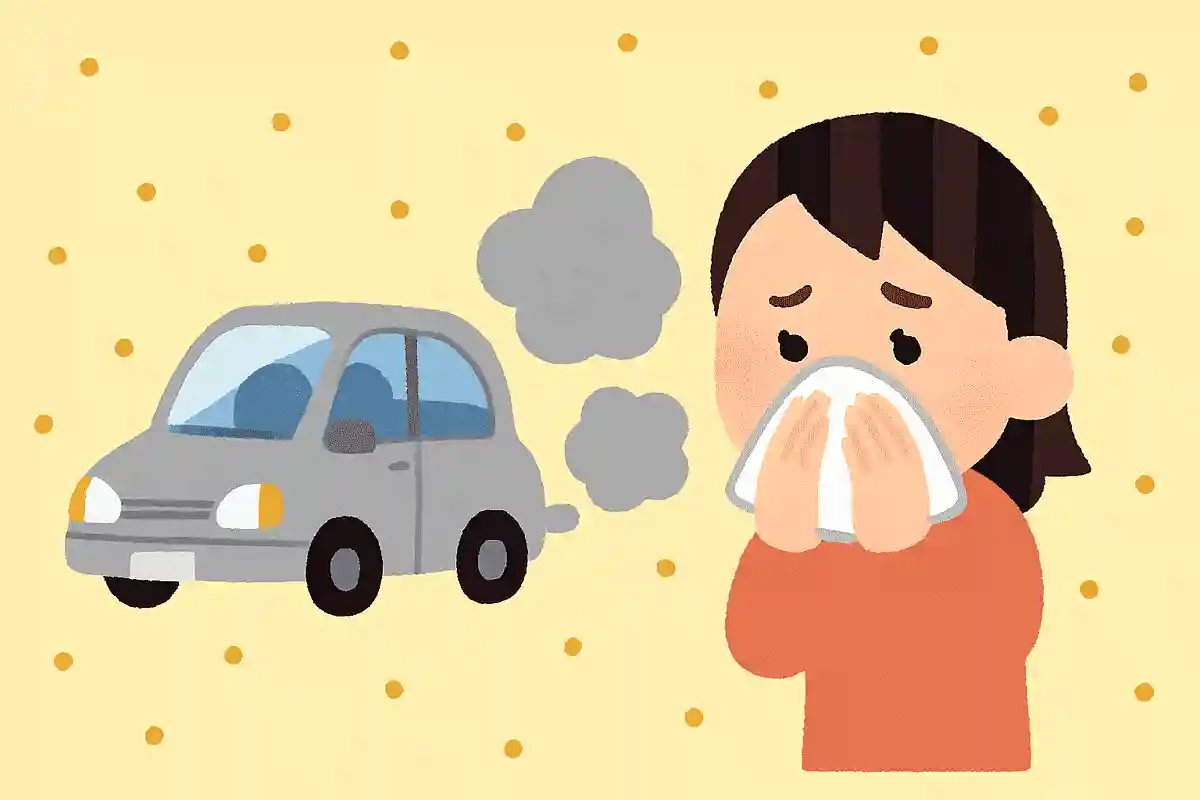
Even though trees like Japanese cedar and cypress are supposed to be in the mountains, it seems that more people suffer from hay fever in urban areas than in mountainous regions.
It’s said that hay fever symptoms are influenced not only by pollen but also by the amount of exhaust gases in the air.
Exhaust emissions and PM2.5 are known as adjuvant substances, and when they adhere to pollen, they further exacerbate allergic symptoms.
This topic makes us think not only about plants that disperse pollen but also about environmental issues such as controlling exhaust emissions.

There is an injection that suppresses hay fever symptoms.
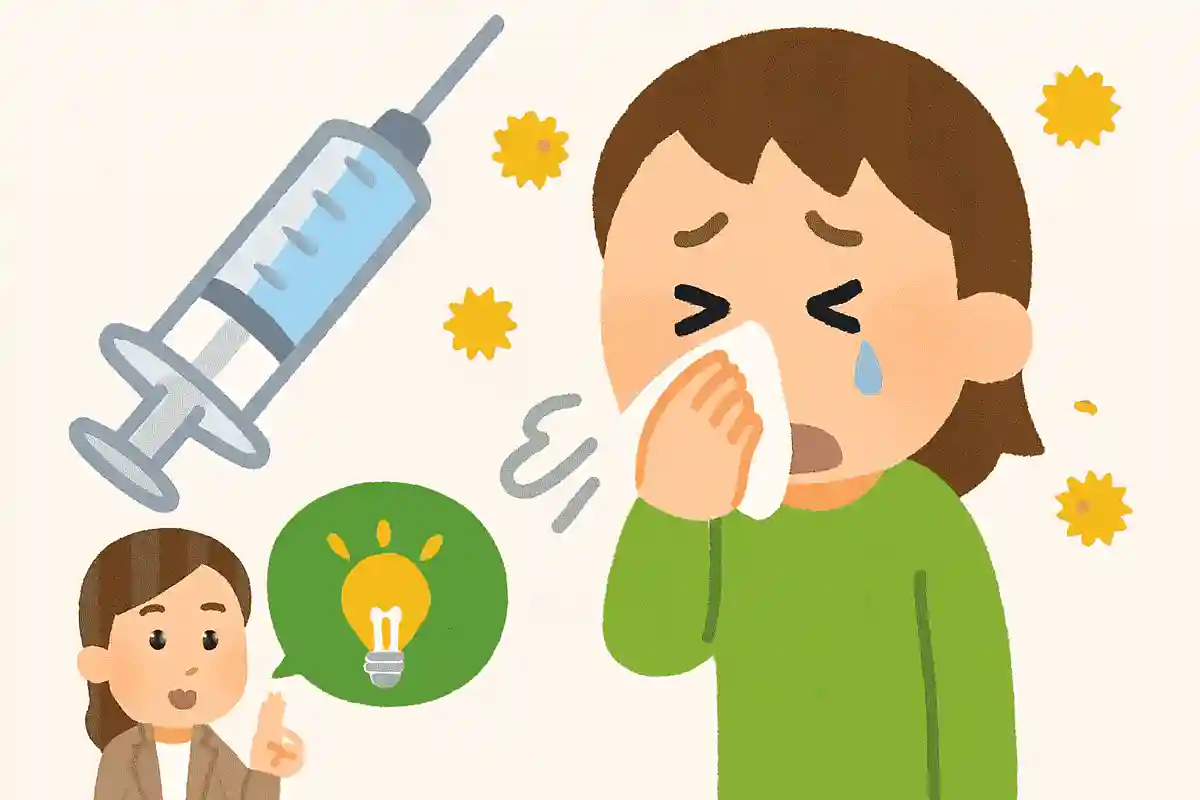
There is an injection that can relieve the suffering of hay fever.
It’s called steroid therapy, and its powerful anti-inflammatory effects can ease hay fever symptoms.
What’s more, the benefits can last for several months with a single shot.
Hearing that might make you want to try it, but getting it lightly is not advisable.
That’s because steroid injections can have side effects such as glaucoma, diabetes, and high blood pressure.
For this reason, Japan’s Ministry of Health, Labour and Welfare has issued cautions regarding steroid injections.
If you’re interested, be sure to consult your regular doctor thoroughly.

[For the general public] Little-known trivia and fun facts about hay fever (31–40)
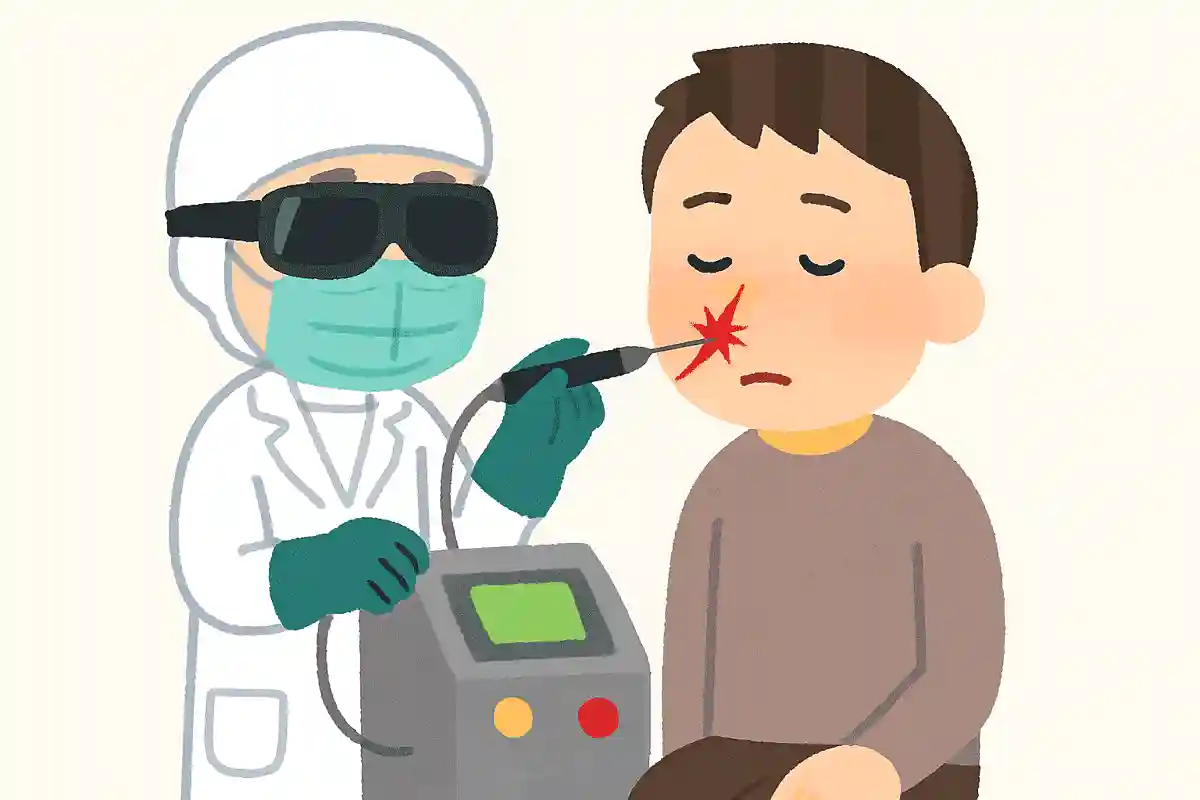
There is a treatment that suppresses symptoms by cauterizing the nasal mucosa with a laser.
Among hay fever symptoms, the most troublesome are the rhinitis symptoms like a runny or stuffy nose.
As a countermeasure for these rhinitis symptoms, a treatment that uses a laser to cauterize the nasal mucosa has been gaining attention.
By irradiating the surface of the nasal mucosa with a laser, the swollen mucosa contracts, expanding the space inside the nose and relieving congestion.
In addition, by firming the mucosa and reducing its moisture, it helps prevent pollen from adhering to the mucosal surface.
The procedure is quick, with minimal bleeding and pain, and it has been drawing attention because it eliminates the hassle of taking medication.
In conclusion
We’ve shared general trivia and fun facts about hay fever. Even though it’s a familiar topic, the world of hay fever runs surprisingly deep—perhaps you found a few tidbits you can’t wait to tell someone about. If something caught your attention, try weaving it into your daily life and use it to help with your prevention strategies!