

[For General Audience] Little-Known Trivia and Fun Facts About Hay Fever


Every year when pollen season arrives, many people struggle with sneezing, a runny nose, and itchy eyes.
Hay fever, which afflicts many Japanese people, is no longer someone else’s problem.
Surprisingly, this very familiar condition hides plenty of little-known trivia and fun facts that may make you say, “Really?” In this article, we’ve gathered a wide range of general-interest trivia and tidbits about hay fever.
Many of them are useful for everyday prevention just by knowing them, so whether you suffer from hay fever or not, be sure to check them out!
- [For General Audience] Little-Known Trivia and Fun Facts About Hay Fever
- Useful right away in daily life! Surprising trivia and handy tips
- Surprisingly unknown? A fun health trivia quiz that will make you want to try it
- Recommended in March! A collection of surprising, little-known trivia that elementary school students will want to share
- Trivia about cherry blossoms: a roundup of fun facts to make springtime hanami even more enjoyable
- How many can you solve? Test your spring knowledge with a trivia quiz about March!
- Trivia about hydrangeas. A collection of fun facts related to ajisai (hydrangeas).
- [Great for speeches] Trivia and fun-fact quizzes recommended for morning assemblies
- Rainy season trivia roundup: fun facts you'll want to share with someone
- A roundup of insect trivia: fun facts you'll want to share
- Lesser-known facts about Mother’s Day that might surprise you—tidbits you’ll want to share with someone
- Will you like May even more once you know? Fun May trivia elementary schoolers should know
- Fireworks Trivia & Fun Facts Summary
[For General Readers] Little-Known Trivia and Fun Facts about Hay Fever (11–20)
The amount of pollen dispersed varies depending on the previous year’s climate.
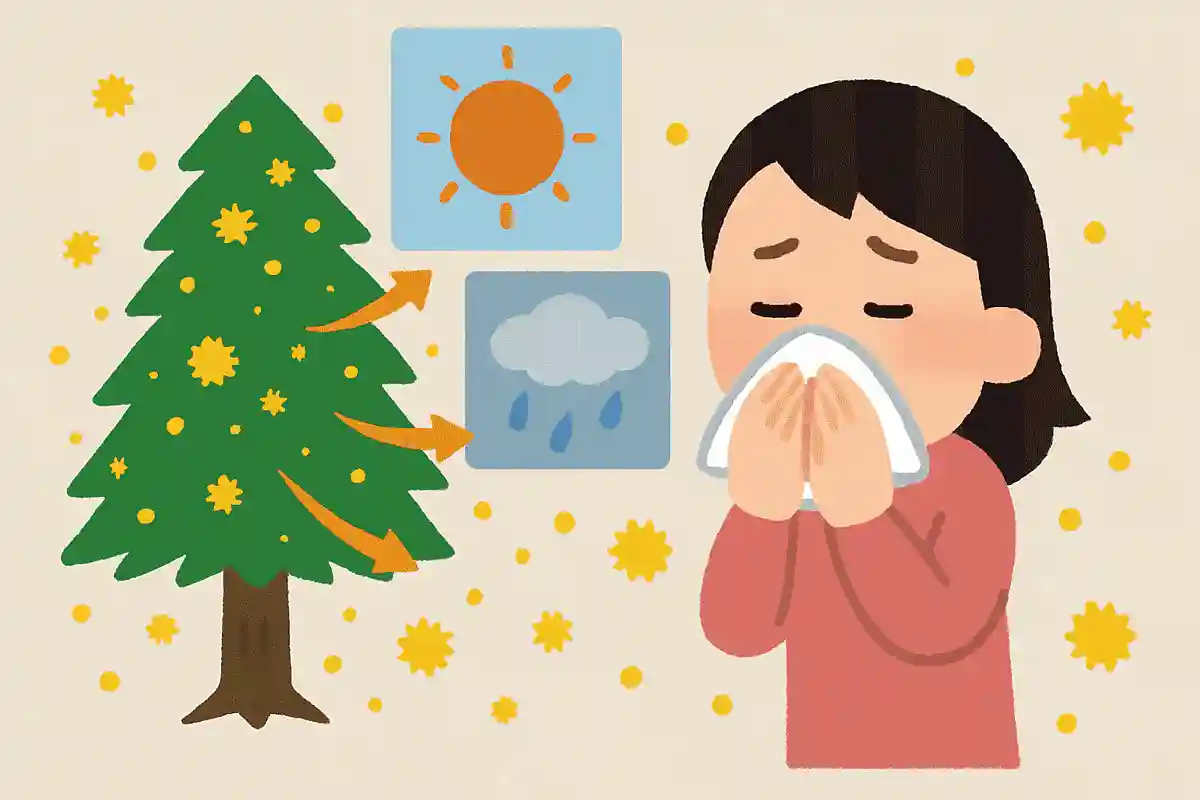
Some people who suffer from hay fever may feel that their symptoms differ in severity from the previous year.
It’s said that variations in the amount of pollen that triggers these symptoms are influenced by the prior year’s climate.
Taking Japanese cedar as an example, the buds for the male flowers that release pollen form in summer, so the higher the summer temperatures and the longer the sunshine hours, the greater the amount of pollen dispersed.
It’s a good idea to recall what the summer temperatures were like and decide how strictly to implement your hay fever precautions accordingly.

Hay fever symptoms can sometimes improve with sunbathing.

Sunbathing, which is strongly associated with refreshing your mood, is said to help suppress hay fever symptoms.
Sun exposure generates vitamin D, which acts on the immune system to reduce symptoms.
Since maintaining a balanced immune system is considered essential for managing allergies, make sure to get some sunlight to help keep your immunity in good shape.
Sunlight alone won’t fully control symptoms, so it’s also recommended to maintain a regular, healthy lifestyle.
The pollen that causes hay fever is in the air all year round.
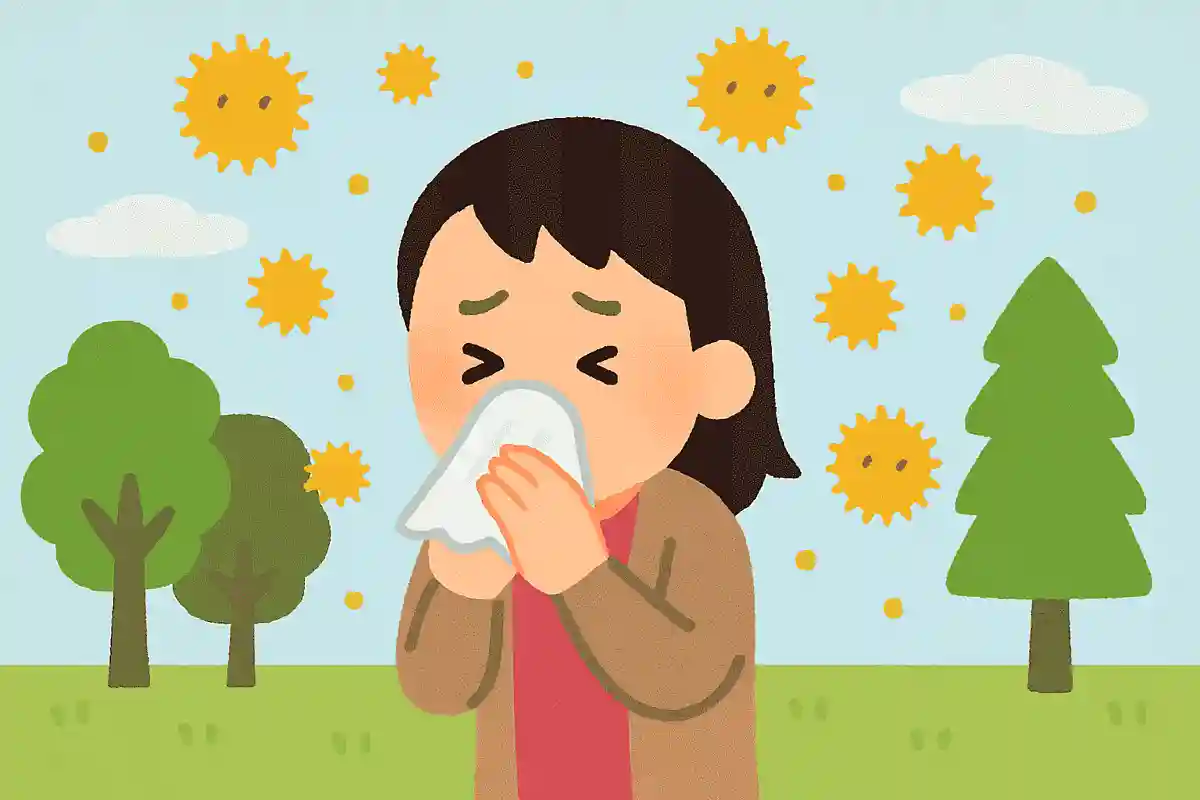
When it comes to hay fever, many people strongly associate it with spring and the pollen from Japanese cedar and cypress.
However, pollen that causes hay fever is in the air year-round, and depending on your allergic reactions, you might suffer throughout the entire year.
Cedar and cypress peak from February to April; in early summer, grasses release pollen, and in autumn, ragweed does—on top of that, alder, mugwort, and others fill in the gaps, making for a dismal situation.
It may be important to get tested to find out which pollens you react to and to know which seasons you should pay particular attention to.
In buildings like offices and apartment complexes, the middle floors tend to have more pollen.
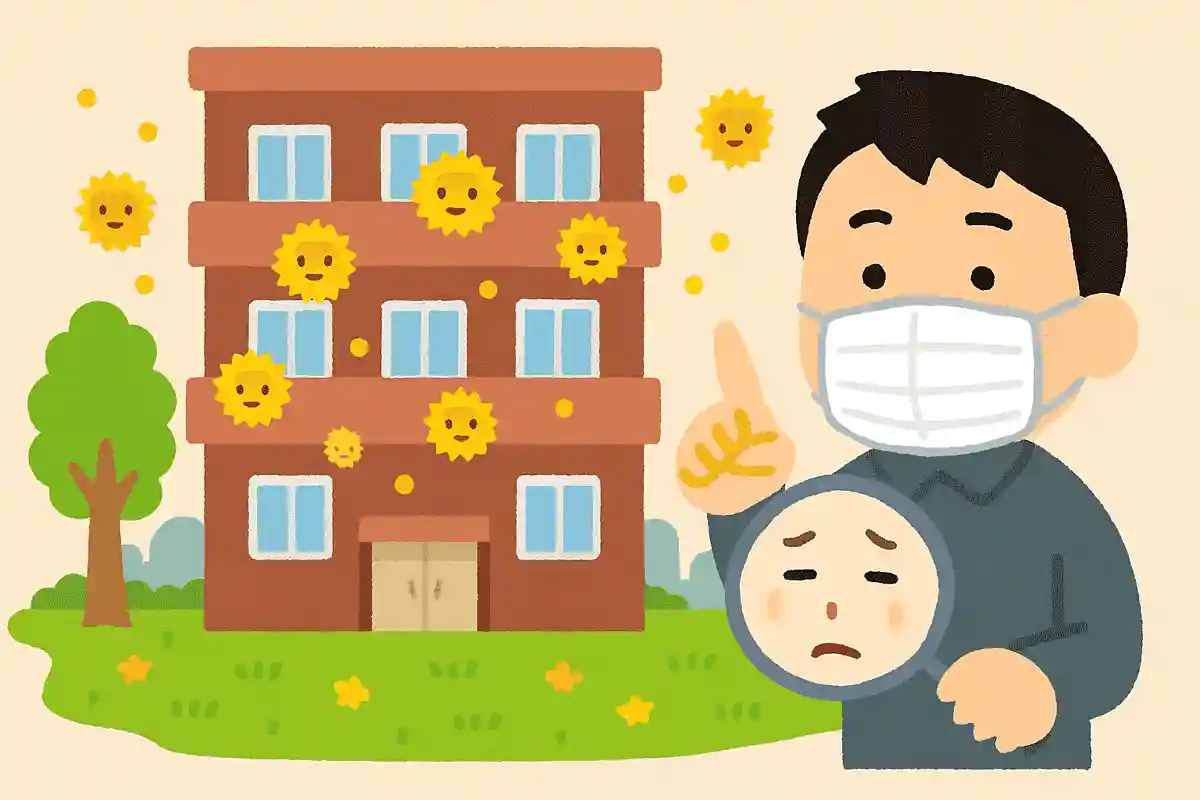
Because pollen floating in the air is invisible, understanding how it becomes airborne can help you take preventive measures.
It’s said that in high-rise buildings and tower apartments, pollen tends to concentrate on the middle floors.
In addition to pollen falling from the sky, pollen that has settled on the ground can be stirred up again, and these two streams collide and linger around the mid-levels.
Let’s make solid predictions about pollen movement based on the day’s conditions and stay mindful of measures that vary by location.
Eating too much meat can make allergy symptoms more likely.
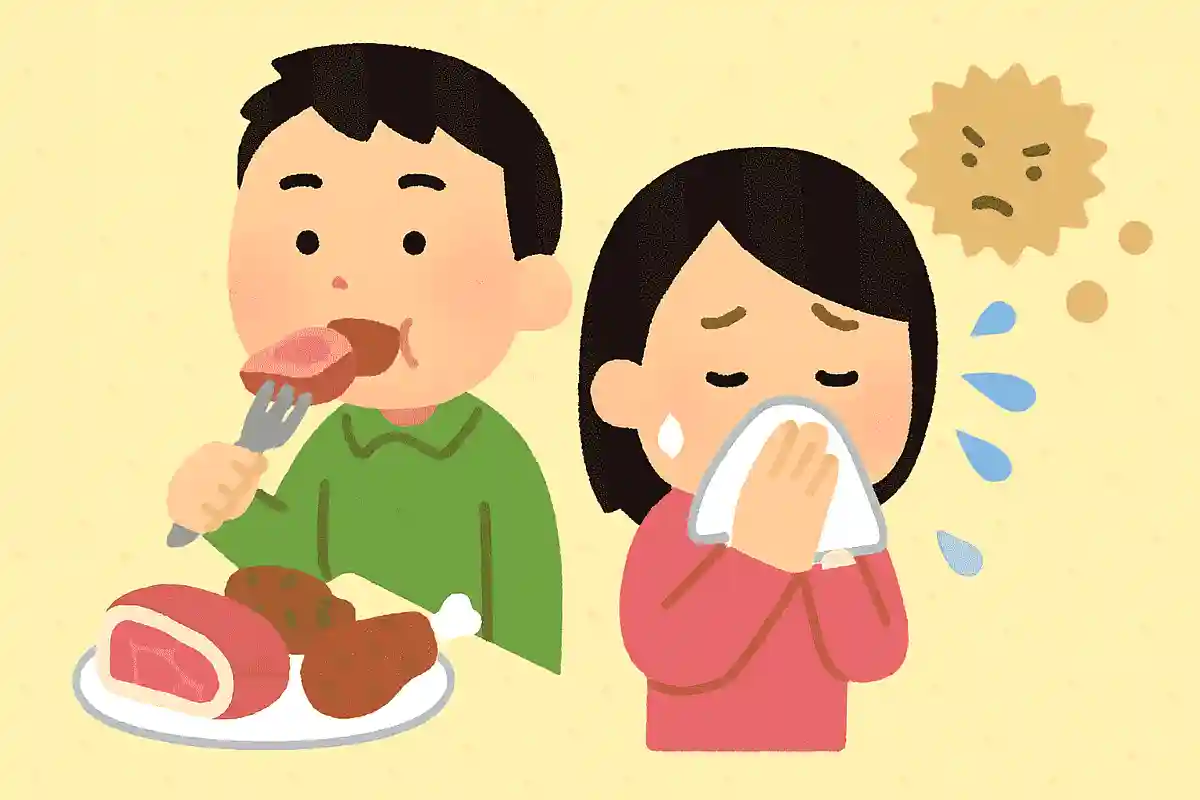
Many people like beef and pork.
However, it’s said that they may actually worsen hay fever.
Let me explain the mechanism step by step.
First, when you eat foods that are high in protein, your digestive enzyme secretion can struggle to keep up.
As a result, your body treats the undigested components as foreign substances and activates the immune system to deal with them.
This makes you more prone to allergic reactions to things like pollen.
By the way, dairy products, which are also high in protein, may likewise worsen hay fever.

There is little cedar pollen in Okinawa and Hokkaido.
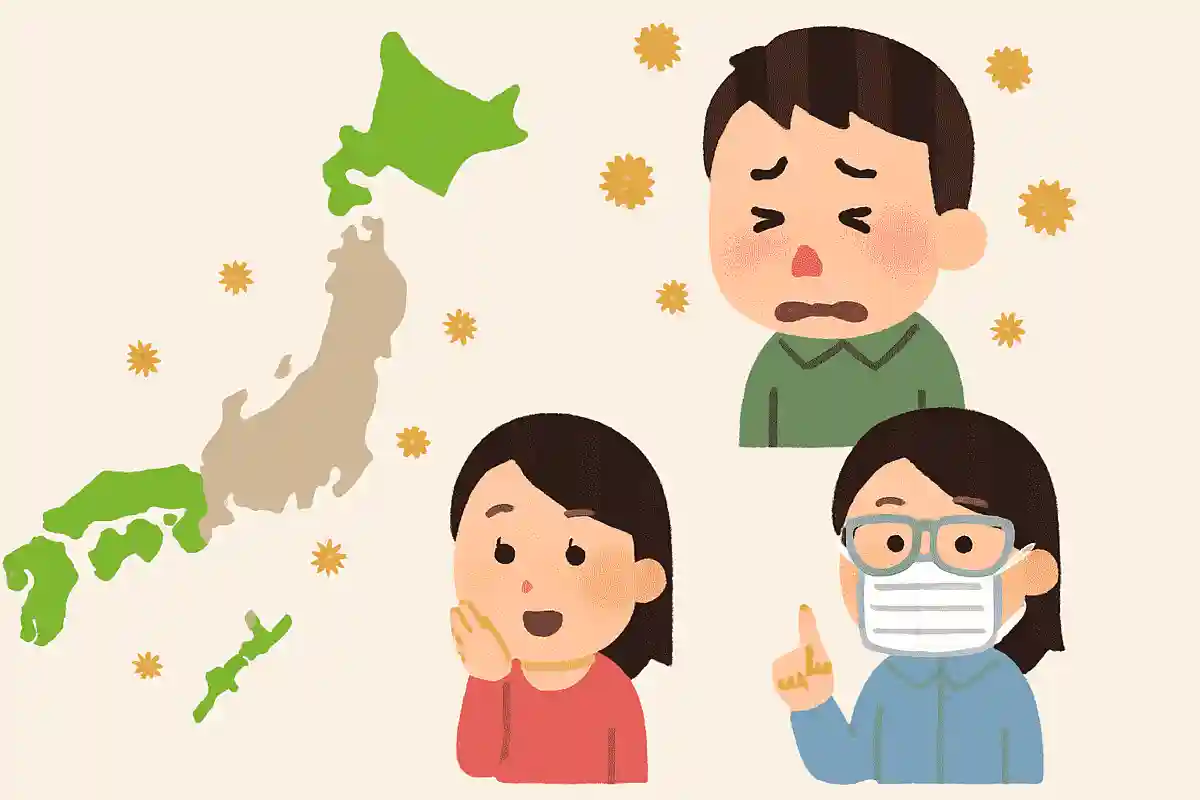
People across a wide range of regions and age groups suffer from hay fever, and those who struggle with it often dream of ways to escape.
One option for escaping hay fever within Japan is to head to Okinawa or Hokkaido.
This isn’t just a rumor—there’s a clear reason: cedar and cypress trees are extremely scarce in Hokkaido and Okinawa, which means there’s far less pollen in the air.
During the season when hay fever gets severe, why not consider traveling to areas with fewer cedar and cypress trees and make a trip of it? However, be aware that Hokkaido does have other pollen sources, such as birch and alder, which can also cause allergic reactions.
[For General Audiences] Lesser-Known Trivia & Fun Facts About Hay Fever (21–30)
Pollen is in the air even just a few tens of centimeters above the ground.
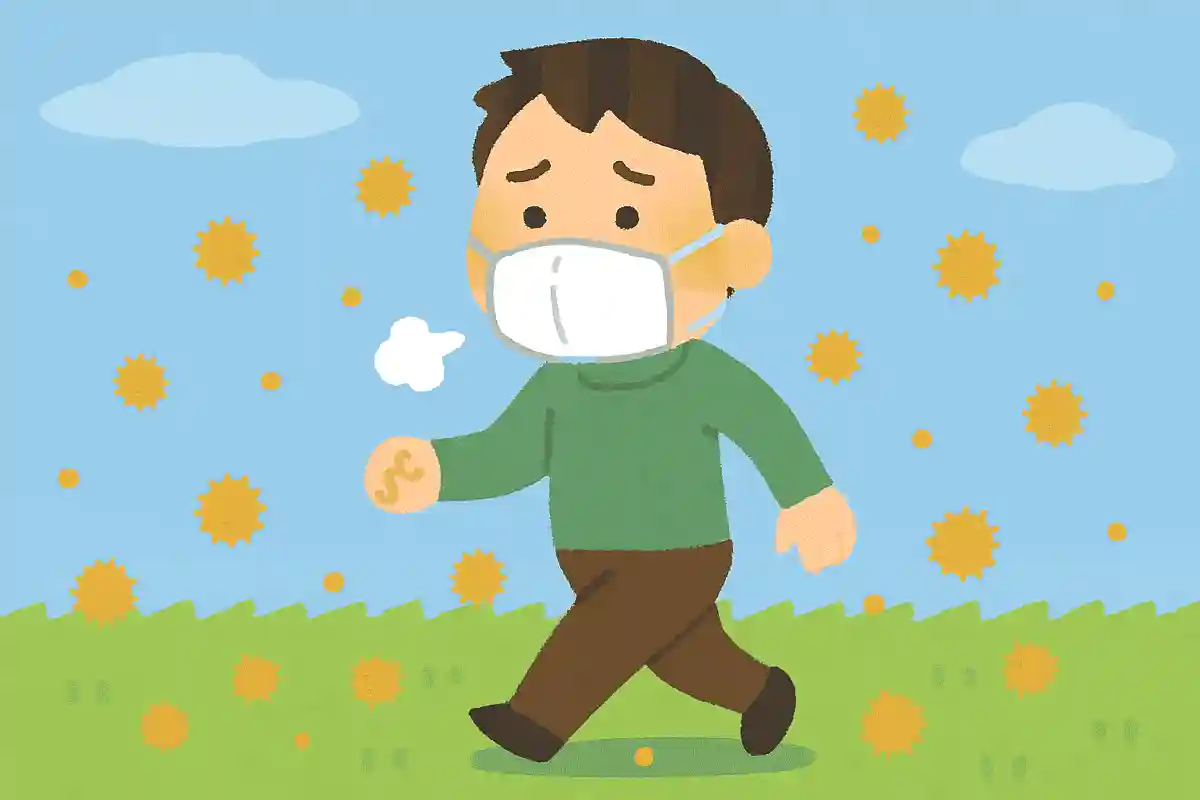
Pollen not only rides on the wind but also swirls near the ground, making it more likely to reach the noses and eyes of children who are walking or playing outside.
In particular, pollen that has fallen to the ground can be kicked up again by footsteps or wind, becoming airborne and coming into contact with the body without us noticing.
Unlike soil, concrete surfaces do not absorb pollen.
As a result, in busy urban areas, shorter people are more likely to be exposed to pollen.
Knowing that pollen is always active even at ground level shows that we need to take everyday precautions to protect against it.
