

![[For General Audience] Little-Known Trivia and Fun Facts About Hay Fever](https://media.ragnet.co.jp/img/1200__png__https://www.studiorag.com/files/2026/02/4dd9ad6e8bc28a75726c44674687576b.webp)


Every year when pollen season arrives, many people struggle with sneezing, a runny nose, and itchy eyes.
Hay fever, which afflicts many Japanese people, is no longer someone else’s problem.
Surprisingly, this very familiar condition hides plenty of little-known trivia and fun facts that may make you say, “Really?” In this article, we’ve gathered a wide range of general-interest trivia and tidbits about hay fever.
Many of them are useful for everyday prevention just by knowing them, so whether you suffer from hay fever or not, be sure to check them out!
- [For General Audience] Little-Known Trivia and Fun Facts About Hay Fever
- Useful right away in daily life! Surprising trivia and handy tips
- Surprisingly unknown? A fun health trivia quiz that will make you want to try it
- Recommended in March! A collection of surprising, little-known trivia that elementary school students will want to share
- Trivia about cherry blossoms: a roundup of fun facts to make springtime hanami even more enjoyable
- How many can you solve? Test your spring knowledge with a trivia quiz about March!
- Trivia about hydrangeas. A collection of fun facts related to ajisai (hydrangeas).
- [Great for speeches] Trivia and fun-fact quizzes recommended for morning assemblies
- Rainy season trivia roundup: fun facts you'll want to share with someone
- A roundup of insect trivia: fun facts you'll want to share
- Lesser-known facts about Mother’s Day that might surprise you—tidbits you’ll want to share with someone
- Will you like May even more once you know? Fun May trivia elementary schoolers should know
- Fireworks Trivia & Fun Facts Summary
[For the general public] A roundup of surprisingly little-known trivia & fun facts about hay fever (1–10)
The pollen that caused the first person in Japan to be diagnosed with hay fever was ragweed.
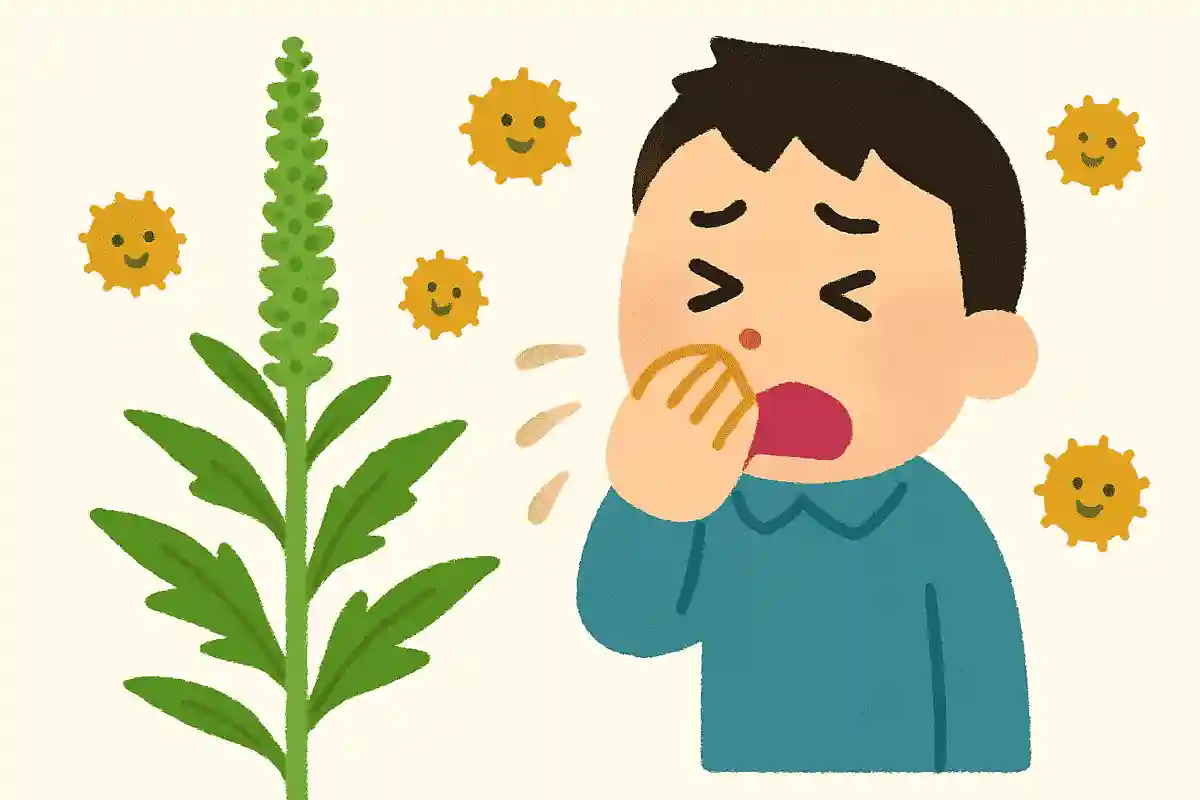
The first medically documented case of hay fever in Japan was reported in 1961, and the causative plant was ragweed, which releases its pollen in autumn.
Ragweed grows in familiar places such as riverbanks and vacant lots; although it is short and seemingly inconspicuous, its pollen is carried widely by the wind.
At the time, patients suffered from symptoms such as sneezing, a runny nose, and itchy eyes.
Today, the effects of cedar and cypress pollen are well known, but the history of hay fever in Japan began with autumn ragweed.

Animals can get hay fever too.
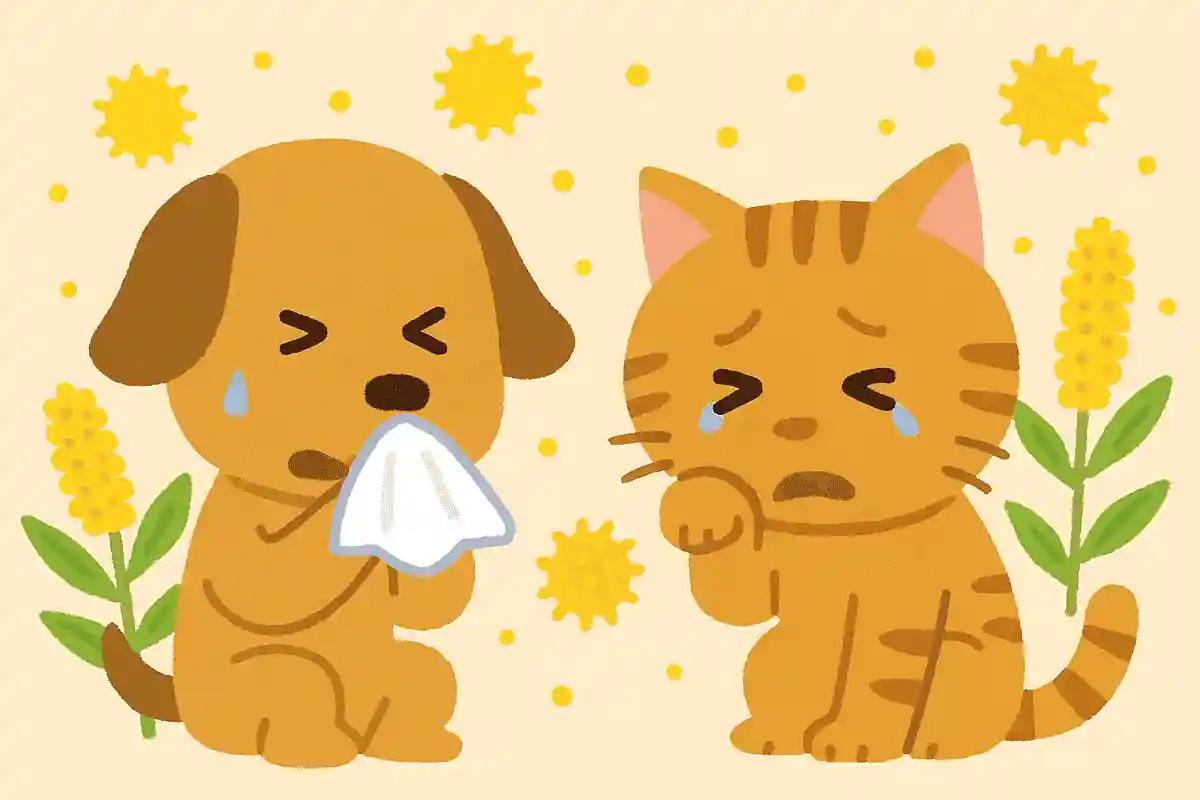
Pollen allergies are often thought to affect only humans, but in fact, animals such as dogs, cats, and rabbits can also react to pollen.
In addition to frequent sneezing like people, they may show signs such as itchy skin, red eyes, and increased tearing.
It’s especially important during high-pollen seasons like spring and autumn to check after walks to see if they seem itchy.
Noticing even small changes can lead to early care.
This is useful knowledge to help protect the health of your pets, who are beloved members of the family.
There are two pollen peaks in a day.
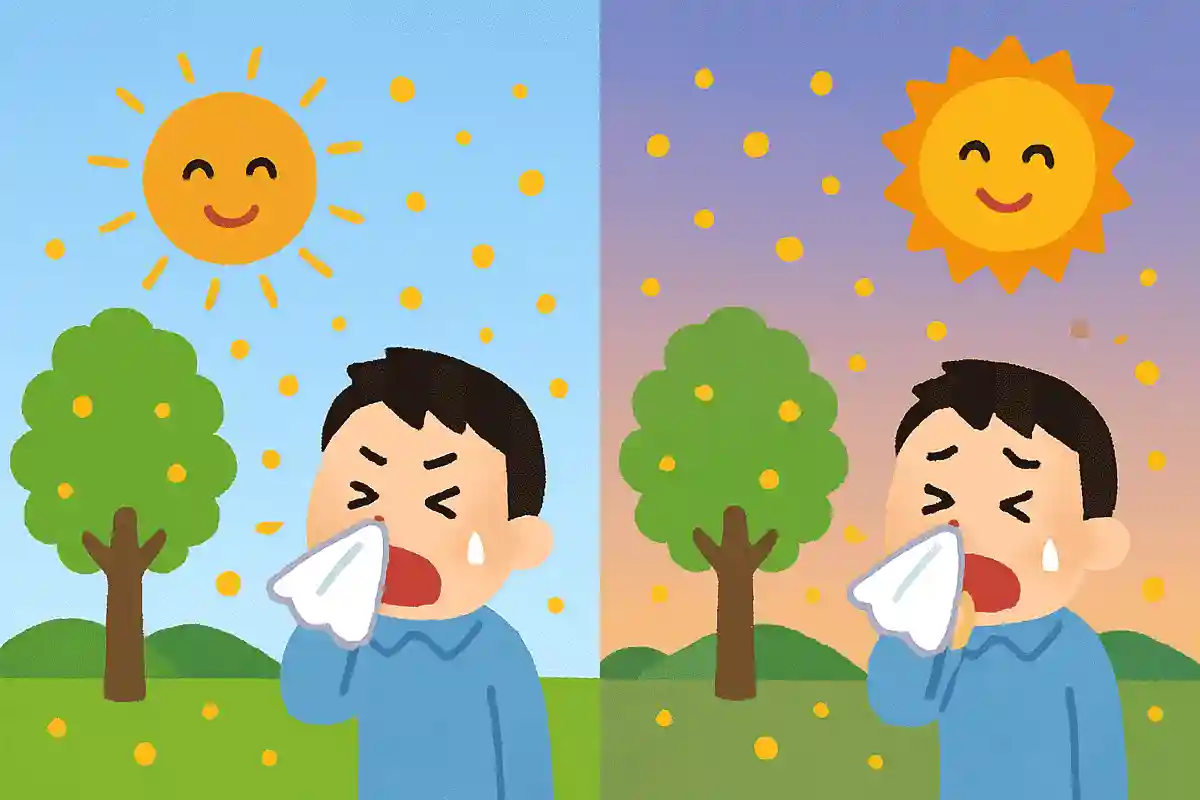
Pollen is present in the air throughout the day, but it’s known to increase especially from morning to noon and again around evening.
In the morning, pollen that accumulated overnight rises into the air, making symptoms more likely during commutes to work or school.
In the evening, pollen stirred up by daytime activity increases again.
By keeping these two peak times in mind and using masks or glasses, and by keeping windows closed, you can reduce pollen exposure.
It’s a handy tip that anyone looking to ease their hay fever symptoms should know.
The economic loss caused by hay fever is about 24.5 billion yen per day.
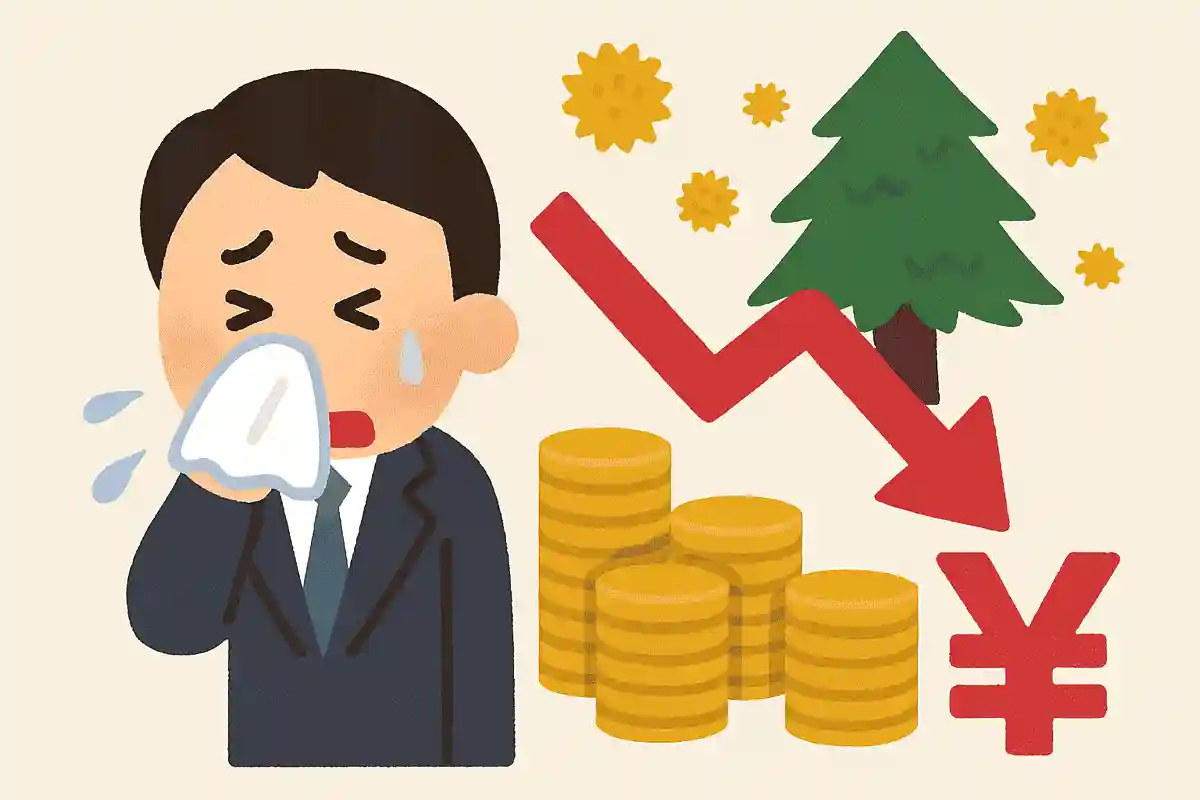
These are surprising figures that reveal the unexpected social impact of hay fever.
Symptoms like sneezing, a runny nose, and itchy eyes reduce concentration at work and increase absenteeism and tardiness, leading to decreased productivity.
In addition, with medical expenses and the cost of anti-pollen products, the economic loss is estimated to reach approximately 245 billion yen in a single day.
Recognizing that hay fever affects not only individuals’ health but society as a whole underscores the importance of early prevention and countermeasures.
We need to be careful about pollen even indoors.
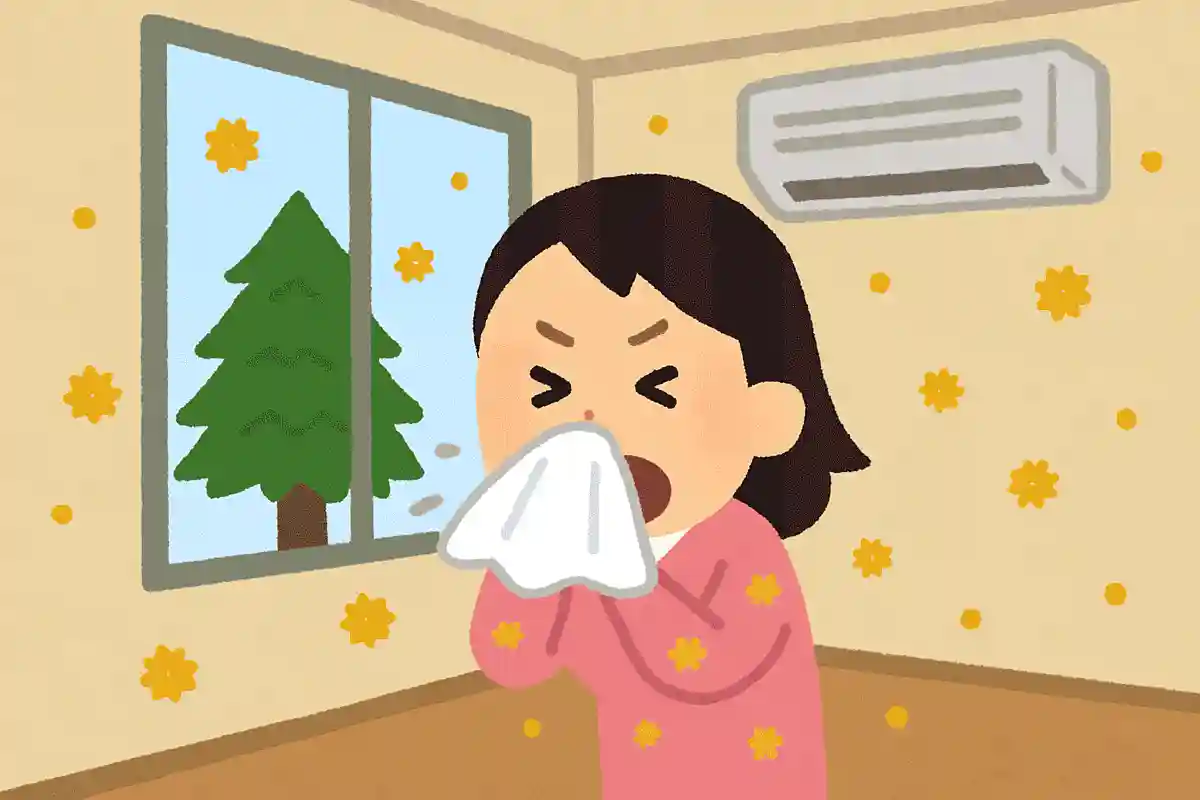
Pollen often enters indoors from outside and can be carried in when you open windows or on clothing, hair, and shoes.
It can also spread through air conditioner circulation, which is why you may experience sneezing and itchy eyes even at home.
As countermeasures, lightly brush off pollen from your clothes and hair when you return home, and make use of cleaning and air purifiers.
Keep in mind that by taking a bit of care not only when you go outside but also inside buildings, you can ease your hay fever symptoms.
Pollen travels even at altitudes above 600 meters.

Here’s a fun fact that reveals an unexpected trait of how pollen travels.
Pollen doesn’t just drift near the ground—it can ride the wind and soar to heights over 600 meters.
That’s why you can encounter pollen not only in city streets but also in the mountains and around high-rise buildings.
Pollen carried from far away can also fall with rain or wind, so it’s important to check dispersal forecasts, use masks and glasses, and brush pollen off your clothes and hair when you get home.
Knowing that pollen is active not only at ground level but also up in the air can raise your awareness of pollen precautions—so keep this in mind.
Grass pollen allergy, ragweed pollen allergy, and Japanese cedar pollen allergy are said to be the three major pollen allergies in the world.
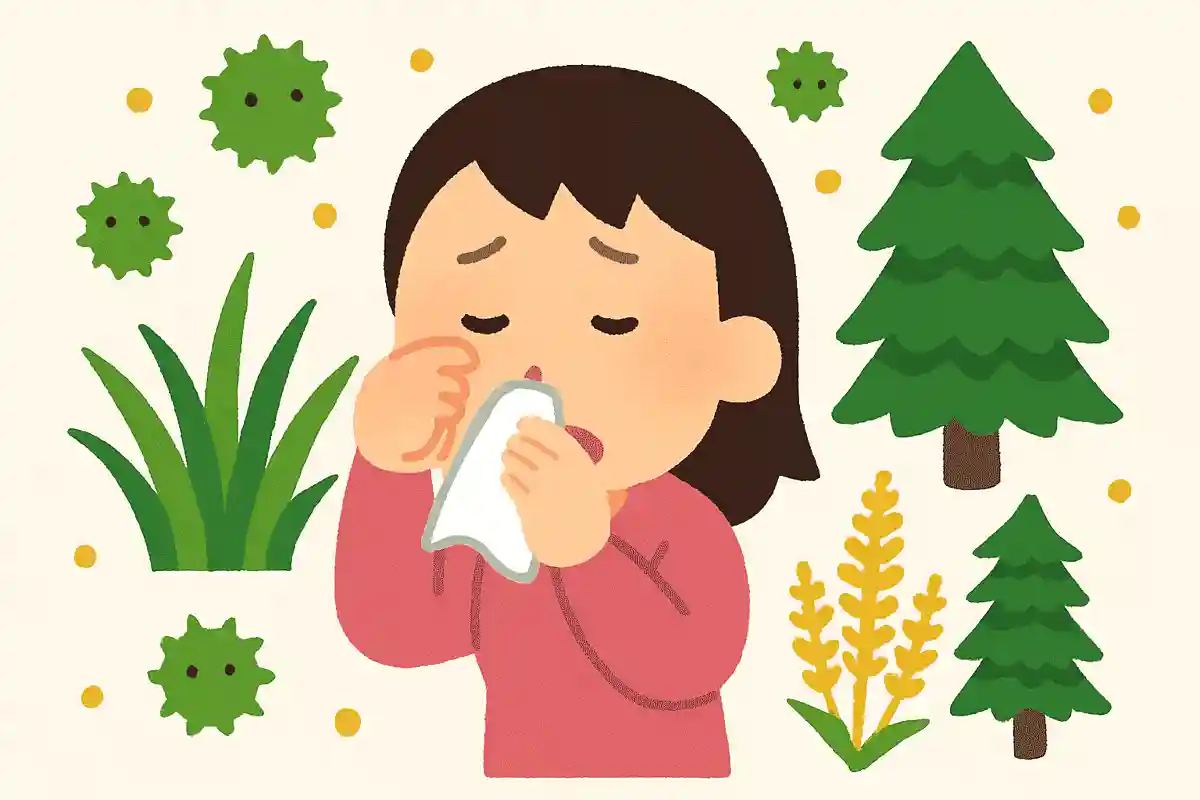
Here are key points to remember when learning about the main types of hay fever.
There are many plants around the world that can cause hay fever, but the pollens of grasses (Poaceae), ragweed (Ambrosia), and Japanese cedar (Cryptomeria) in particular trigger allergic reactions in many people and are known as the “world’s three major causes of hay fever.” Their dispersal periods and symptom patterns differ slightly, and the pollens you need to watch for vary by season and region.
Knowing that familiar plants can be the cause will help you stay mindful of prevention and countermeasures in daily life.