

Mozart: An Introduction to His Signature and Popular Works

Wolfgang Amadeus Mozart, who had a profound impact on classical music.
He began composing at the age of five, displayed his talents from an early age by performing before European royalty, and left behind more than 800 works during his 35-year life.
He also produced masterpieces in every musical genre of his time and excelled not only as a composer but also as a conductor, pianist, organist, and violinist, earning him the title of a musical genius.
In this article, we introduce some of Mozart’s signature and most popular pieces.
Please enjoy his music—melodies that are catchy and familiar, yet of high quality and imbued with a charm that defies simple description.
- Pick up Beethoven’s famous and representative works!
- [Masterpiece Classics] A special showcase of gem-like masterpieces so beautiful they’ll move you to tears
- Classical masterpieces. Recommended classical music.
- Classical piano masterpieces: legendary performances from around the world you should hear at least once
- Timelessly beautiful classical masterpieces. Recommended classical music.
- Brahms's masterpieces. Popular classical music.
- Cool classical masterpieces. Recommended classical music.
- Today's Classics: Recommended classical music and great performances to listen to today
- [Tchaikovsky] Pick up famous and representative pieces!
- Jacques Ibert Popular Song Ranking [2026]
- Famous pieces recommended for opera beginners. Recommended opera songs.
- J.S. Bach | Introducing Famous and Representative Works
- Masterpieces of Ballet Music: Introducing Classic Favorites
[Mozart] Introducing Representative and Popular Works (161–170)
Piano Sonata No. 11Wolfgang Amadeus Mozart
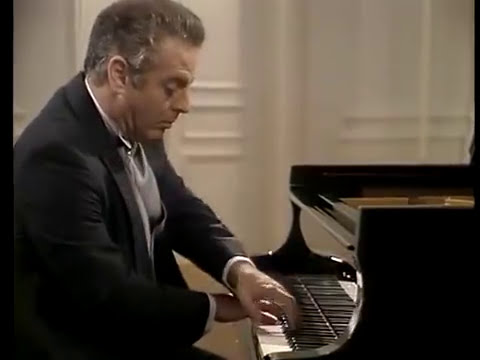
A piece by Wolfgang Amadeus Mozart, known as a representative composer of the Classical period, specifically the Viennese Classicism, who left numerous works in both vocal and instrumental music.
In particular, the third movement, “Turkish March,” is likely something even those who don’t often listen to classical music have heard at least once.
The delicate tones of the piano help enhance concentration during remote work, which is often done alone.
With a development that never bores the listener, it’s an excellent track for background music and a classical number that helps you get more done.

Sonatina No. 1 in C major, Fourth Movement, from the Six Viennese SonatinasWolfgang Amadeus Mozart


In the Cook Do commercial “Mapo Eggplant,” featuring Tomomitsu Yamaguchi, Hana Sugisaki, and Noriko Nanaki as a family, the music used is Mozart’s “Six Viennese Sonatinas, K.
439b: No.
1 in C Major, IV.
Allegro.” Many people may recognize it as the piece that played during cooking scenes on the popular variety show “Sudden! Golden Legend.” Its lively piano melody is delightful, and listening to it can make cooking feel more fun.
When you make mapo eggplant, try cooking to this tune and enjoy yourself!

[Mozart] Introducing Representative and Popular Pieces (171–180)
Sonata for Two Pianos in D major, First Movement, K. 448 (K6. 375a)Wolfgang Amadeus Mozart

It’s very famous, so many of you may have heard it often, but for those unconnected to the piano it might be uncommon.
The melody sounds as if two pianos are chirping to each other, and it’s very beautiful.
It’s absolutely wonderful.
The Marriage of Figaro OvertureWolfgang Amadeus Mozart

This is an operatic work.
The orchestra features the classic woodwinds, horns, and trumpets.
It’s a structure I really love.
I think the music is grand, delicate, and brilliant, matching the opera’s story.
I’d love to see it live someday.
RequiemWolfgang Amadeus Mozart

It’s a very heartrending piece.
It makes me a little sad, but it resonates deeply in the heart.
I think many people have heard this piece often on TV and elsewhere, but I’d love for even more people to get to know Mozart’s works.
It becomes easier to follow from the middle.
Violin Concerto No. 3, K. 216Wolfgang Amadeus Mozart

This is the third violin concerto composed by Wolfgang Amadeus Mozart.
I’ve heard it is also called the Strasbourg Concerto.
It’s one of my favorite concertos, with music that feels very lively, accessible, and never boring.
He was incredible from his early years, wasn’t he?
Divertimento No. 15Wolfgang Amadeus Mozart

It’s truly breathtaking to see everyone playing with such joy—it really feels like a piece made for string instruments.
The music is lively, and it’s refreshing and pleasant to listen to.
The wind instruments blend beautifully with the strings, creating a very well-balanced sound.