

Recommended in March! A collection of surprising, little-known trivia that elementary school students will want to share


What comes to mind when you think of March? There are so many events unique to this season, like graduation ceremonies, the Doll’s Festival, and the song of the bush warbler announcing the arrival of spring.
In fact, March has many beautiful alternative names besides Yayoi, such as Sakura-zuki and Hanami-zuki, and there are lots of fun tidbits you’ll want to share—like how the flavor of hina-arare differs between the Kanto and Kansai regions! In this article, we’ll introduce March trivia and topics that even elementary school students can enjoy.
Share them with family and friends, and you might just become a little trivia expert!
- How many can you solve? Test your spring knowledge with a trivia quiz about March!
- [Sakura Quiz] Trivia & Fun Facts Quiz about Cherry Blossoms for Kids
- Trivia quiz about schools: a roundup of fun facts you’ll want to brag about
- [For Elementary School Students] Trivia About April
- Trivia about cherry blossoms: a roundup of fun facts to make springtime hanami even more enjoyable
- [For General Audience] Little-Known Trivia and Fun Facts About Hay Fever
- [Common Sense & Trivia] True-or-False Quiz with Knowledge for Elementary School Students
- [For Kids] December Trivia Quiz & Fun Facts! Learn about seasonal events and traditions!
- How Much Do You Know? Food Quiz for Elementary School Students
- Will you like May even more once you know? Fun May trivia elementary schoolers should know
- [For Kids] Recommended in March! Easy Origami Ideas for Hinamatsuri (Girls’ Day) and Graduation Ceremonies
- Picture books perfect for spring that are recommended for elementary school children. Picture books that make them look forward to going to elementary school.
- February trivia quiz: three-choice questions on seasonal fun facts like Setsubun and Valentine’s Day
Recommended in March! A collection of surprisingly little-known trivia that elementary school kids will want to share (1–10)
March 13 is Shinsengumi Day.
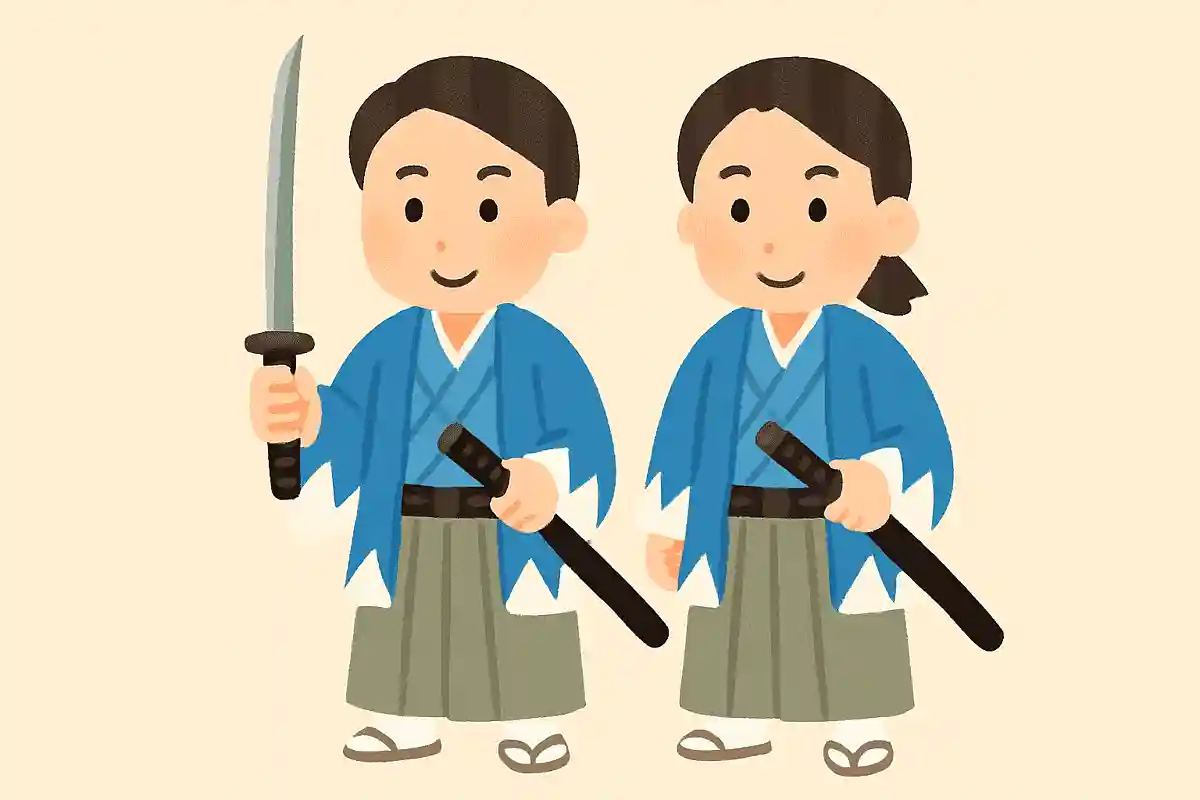
There are probably some elementary school students who love history and are interested in the Shinsengumi.
After the Edo shogunate ended, Japan went through a period of major change, including the Boshin War and the Hakodate War.
During that time, the Shinsengumi, led by their captain Kondō Isami, were active.
March 13 has been designated Shinsengumi Day.
It is said to originate from the fact that Serizawa Kamo and Kondō Isami in Kyoto called themselves the Mibu Rōshi, the predecessor of the Shinsengumi.
There is also a Shinsengumi anniversary in February, so why not take the opportunity to learn while engaging with the history of that era?

Hina dolls depict a wedding scene.
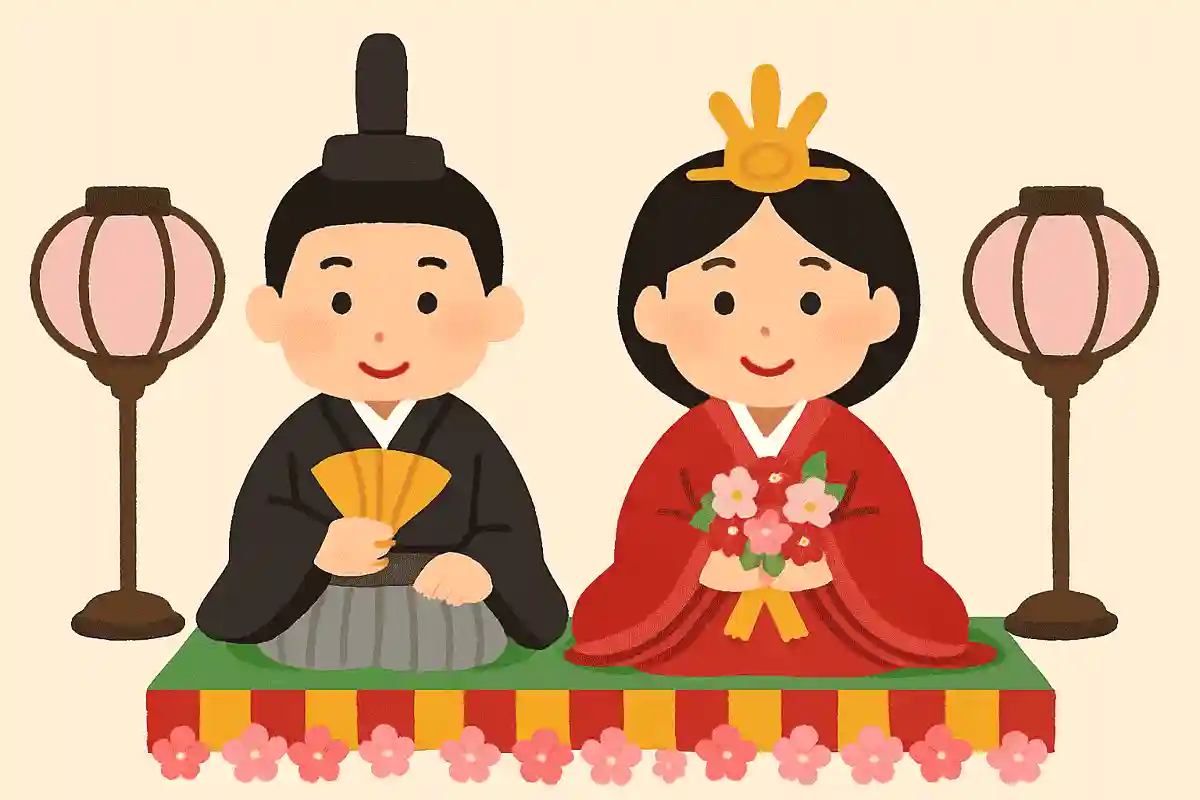
The dolls displayed for Hinamatsuri actually depict what weddings looked like long ago.
The imperial couple—the Odairi-sama and Ohina-sama—represent the groom and bride, and the attendants around them, such as the Three Court Ladies and the Five Musicians, symbolize the roles of people involved in the wedding.
For example, the Three Court Ladies are those who assist the bride, and the Five Musicians are those who play celebratory music.
By arranging the hina dolls, people in the past expressed the joy of marriage and wished for a happy home.
That’s why Hinamatsuri is not just about displaying dolls; it’s also an event where we can learn about traditional weddings and the importance of family.

You must not give Hina dolls to someone else.
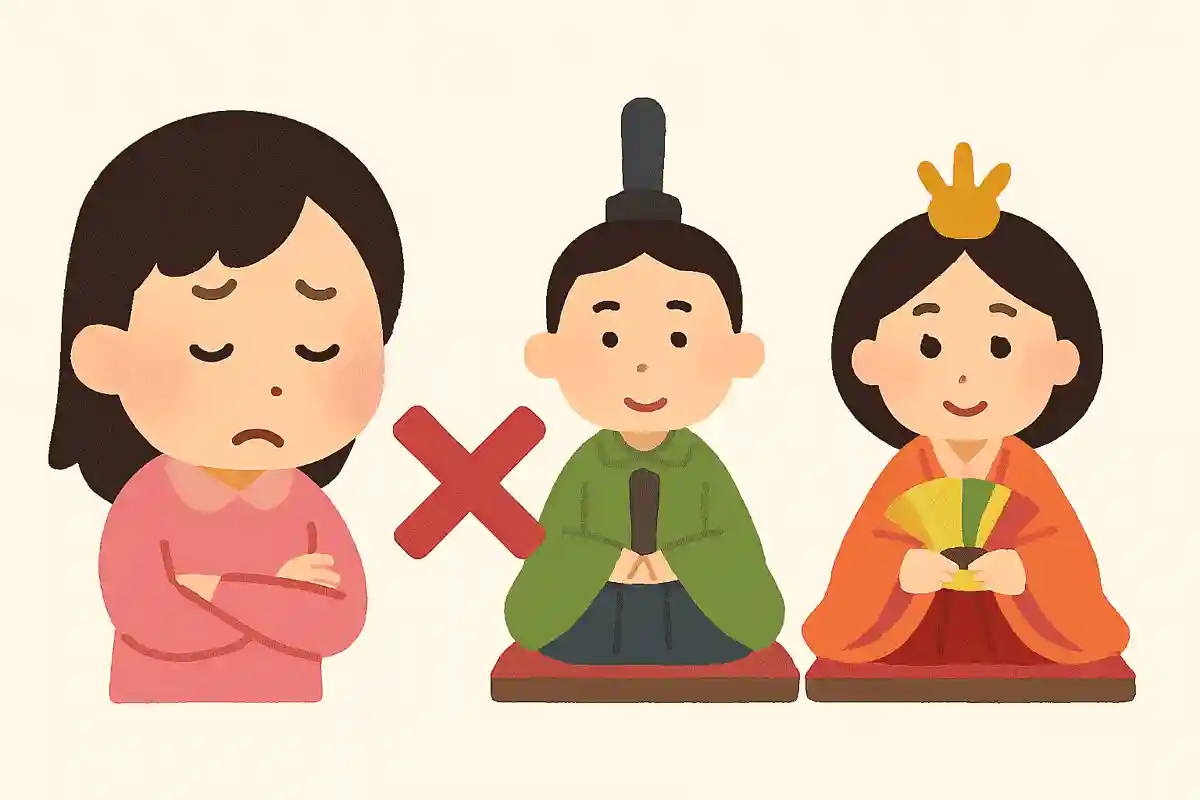
In March, we display Hina dolls for the Doll Festival, but why do we do so? Originally, Hina dolls, shaped like human figures, were believed to absorb impurities and ward off misfortune.
Today, they embody wishes for baby girls to grow up healthy, free from illness and injury.
Like a protective charm, it’s customary to prepare a set of Hina dolls for each individual.
It’s also said you should avoid keeping the dolls stored away in a closet without displaying them.
March 3rd is one of Japan’s long-cherished traditional events.
Displaying Hina dolls serves as a form of purification, so please do put them on display.
Recommended in March! A collection of surprisingly little-known trivia you’ll want to share with elementary school kids (11–20)
The flavor of hina-arare differs between Kanto and Kansai.
Some households may display Hina dolls for the Peach Festival.
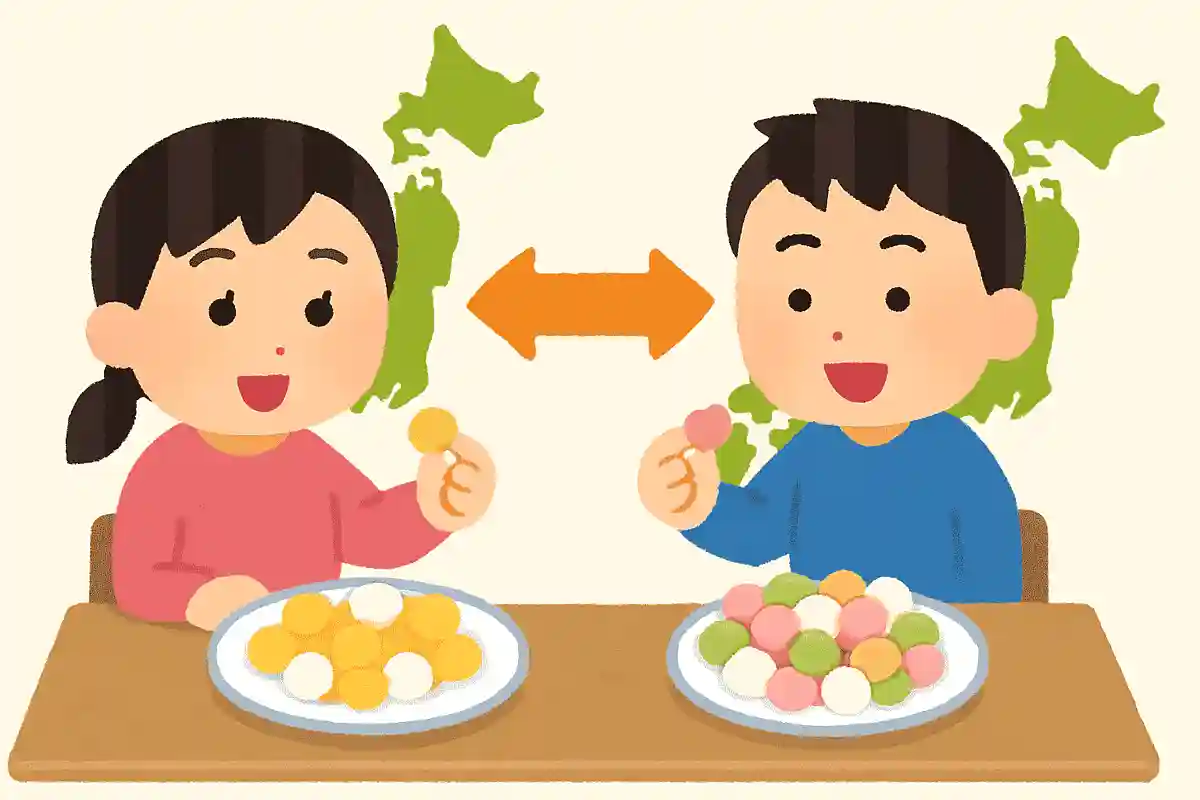
Did you know there’s a difference between the Hina-arare rice crackers that accompany the dolls in the Kanto and Kansai regions? In both areas, three- or four-colored varieties are common, but their shapes and flavors differ.
Kanto-style Hina-arare are sweet and about the size of a grain of rice, while Kansai-style Hina-arare are larger, round, and salty.
Kansai versions also come in many variations, sometimes mixed with shrimp or green laver (aosa).
There are various theories as to why the two styles differ, including the idea that they spread for different reasons in Kanto and Kansai.
It could be fun to open a map of Japan and explore where the taste of Hina-arare starts to change.
Cherry leaves contain toxins.
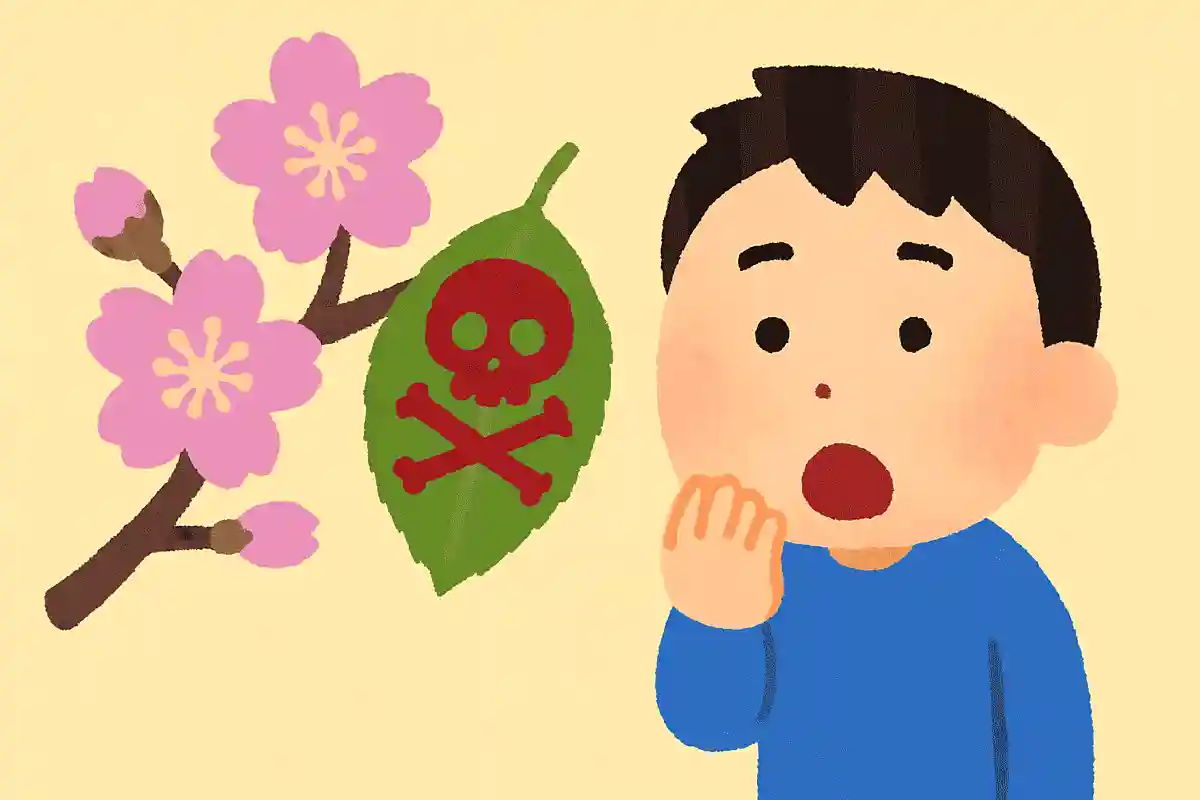
In spring, cherry blossoms in full bloom are so beautiful, aren’t they? Just gazing at them can make you feel as if your heart is being cleansed.
Many elementary schools have cherry trees in their schoolyards, don’t they? But did you know that cherry leaves contain a toxin? You might wonder, “They’re in sakuramochi and cherry-flavored sweets—is that safe?” In fact, cherry leaves contain a toxic compound called coumarin.
In small amounts it doesn’t harm the body, so it’s fine to eat them together with sakuramochi and the like.
During the hazakura period, when the leaves are out and fall to the ground, they make it harder for other plants to grow.
It’s said that cherry trees have the effect of preventing weeds from growing around them.
In addition to Yayoi, March is also called Kagetsu and Sakura-zuki.
When March comes around, there tend to be more days when you feel warmth rather than cold, don’t you think? It’s well known that March is also called Yayoi, and many of you may know this since it’s sometimes written on calendars.
However, besides Yayoi, it can also be called Hanamidzuki or Sakurazuki.
Although March is often associated with peach blossoms, there’s a reason expressions featuring cherry blossoms are used.
In the past, Japan used the old lunar calendar to determine months by the phases of the moon.
The third month in the old calendar corresponds to around April today, which is why names including “sakura” came into use.
There are also names like Kagetsu and Hanasakizuki.
Why not take this article as a cue to look into the names of all twelve months?
Uguisu color and the actual color of the Japanese bush warbler are different.
The song of the Japanese bush warbler (uguisu) feels like a sign that spring has arrived, doesn’t it? In spring, you also see more treats and breads in “uguisu” color.
That bright yellow-green hue often evokes the fresh feeling of new foliage.
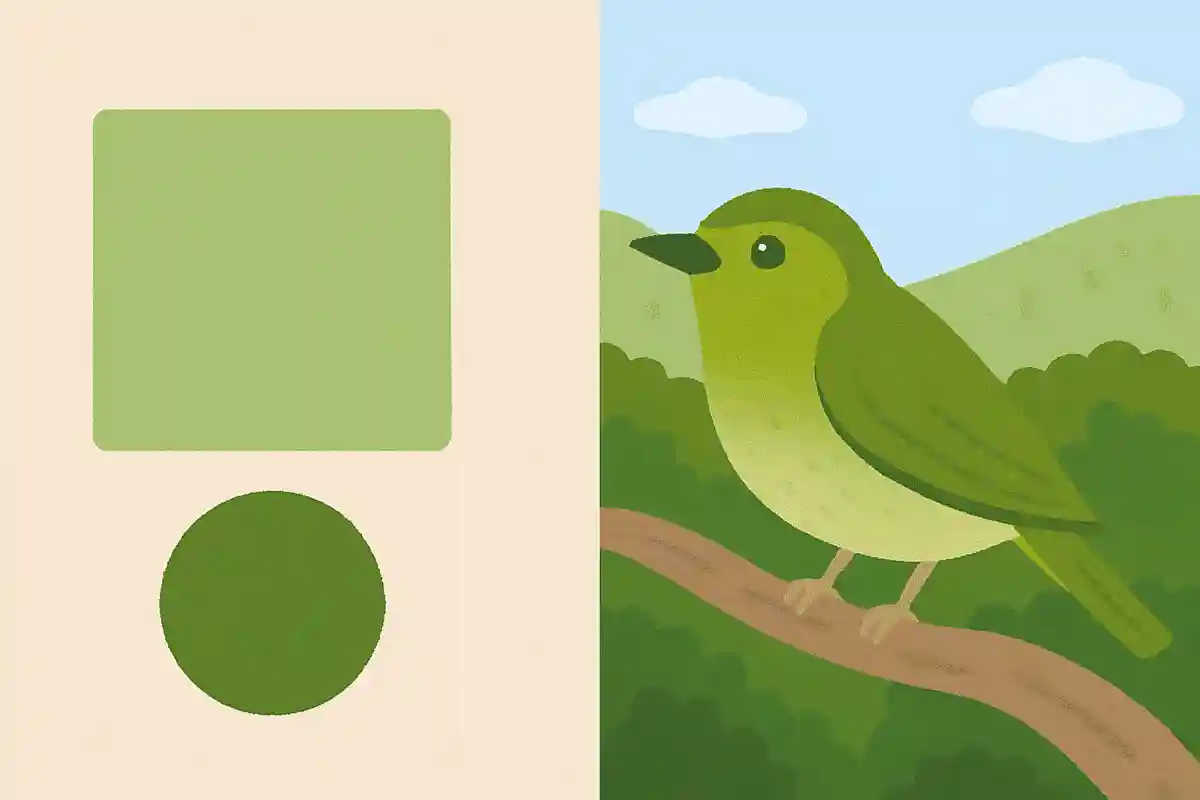
However, it seems there’s a difference between the actual color of the uguisu and what we call “uguisu color.” The real bird is brownish, and depending on the light it can appear greenish.
By contrast, “uguisu color” is a vivid yellow-green.
There are various theories about how this mismatch arose; one suggests people confused the uguisu with the Japanese white-eye (mejiro), a bird with vivid yellow-green plumage and a distinctive white eye-ring.
When you hear the uguisu’s call, try sharing this fun bit of trivia!