

Recommended in March! A collection of surprising, little-known trivia that elementary school students will want to share


What comes to mind when you think of March? There are so many events unique to this season, like graduation ceremonies, the Doll’s Festival, and the song of the bush warbler announcing the arrival of spring.
In fact, March has many beautiful alternative names besides Yayoi, such as Sakura-zuki and Hanami-zuki, and there are lots of fun tidbits you’ll want to share—like how the flavor of hina-arare differs between the Kanto and Kansai regions! In this article, we’ll introduce March trivia and topics that even elementary school students can enjoy.
Share them with family and friends, and you might just become a little trivia expert!
- How many can you solve? Test your spring knowledge with a trivia quiz about March!
- [Sakura Quiz] Trivia & Fun Facts Quiz about Cherry Blossoms for Kids
- Trivia quiz about schools: a roundup of fun facts you’ll want to brag about
- [For Elementary School Students] Trivia About April
- Trivia about cherry blossoms: a roundup of fun facts to make springtime hanami even more enjoyable
- [For General Audience] Little-Known Trivia and Fun Facts About Hay Fever
- [Common Sense & Trivia] True-or-False Quiz with Knowledge for Elementary School Students
- [For Kids] December Trivia Quiz & Fun Facts! Learn about seasonal events and traditions!
- How Much Do You Know? Food Quiz for Elementary School Students
- Will you like May even more once you know? Fun May trivia elementary schoolers should know
- [For Kids] Recommended in March! Easy Origami Ideas for Hinamatsuri (Girls’ Day) and Graduation Ceremonies
- Picture books perfect for spring that are recommended for elementary school children. Picture books that make them look forward to going to elementary school.
- February trivia quiz: three-choice questions on seasonal fun facts like Setsubun and Valentine’s Day
Recommended in March! A collection of surprisingly little-known trivia that elementary school kids will want to share (21–30)
The river that served as the model for the children’s song “Spring Stream” is located in Tokyo.
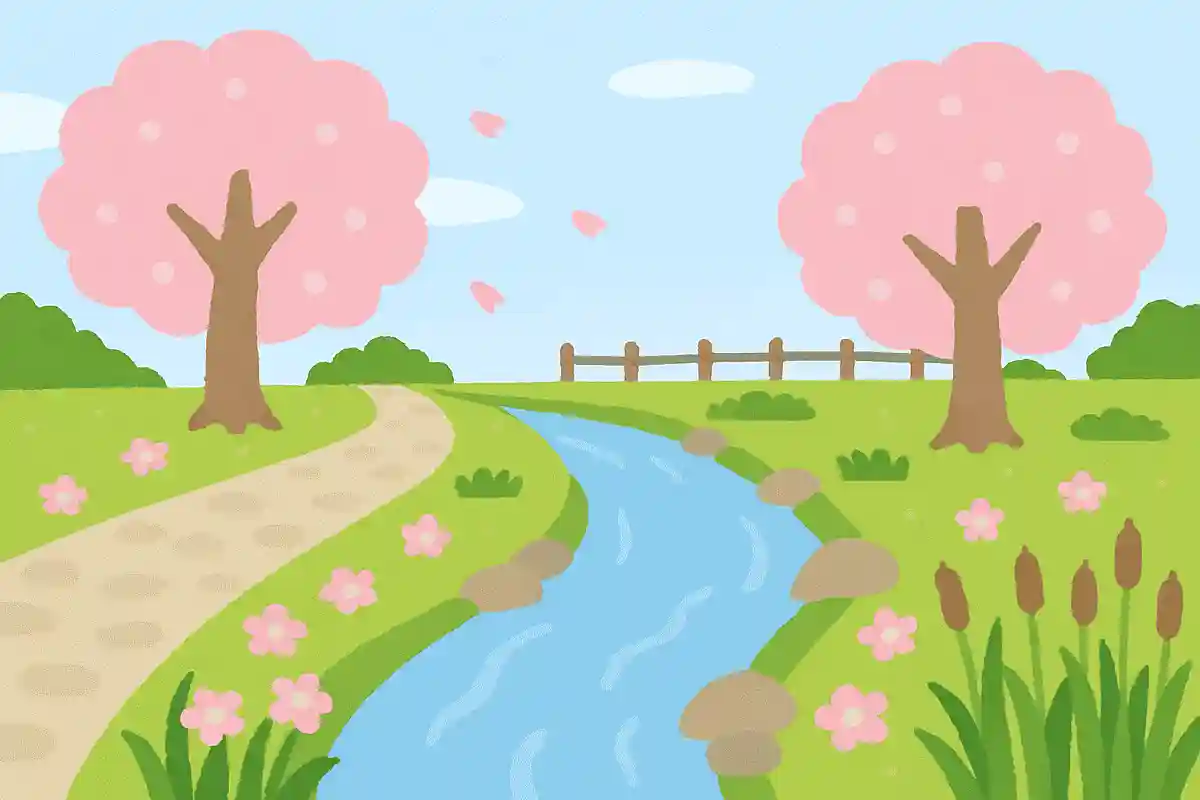
It is said that the model for the children’s song “Spring Brook” may have been a tributary of the Shibuya River, near where the lyricist Tatsuyuki Takano lived.
The poem is believed to have been inspired by the image of a clear stream with small fish and blooming flowers.
In spring, the water would sparkle, and tiny fish and frogs would swim about lively— it was a very beautiful river.
The words in the song directly express the sounds of the water and the behavior of the creatures.
People in the past composed songs while looking at rivers like this, enjoying the arrival of spring and the beauty of nature.
When you walk along a riverbank, try to feel nature while imagining the world of the children’s song.

People who suffer from hay fever should visit a hospital before the pollen starts to spread.
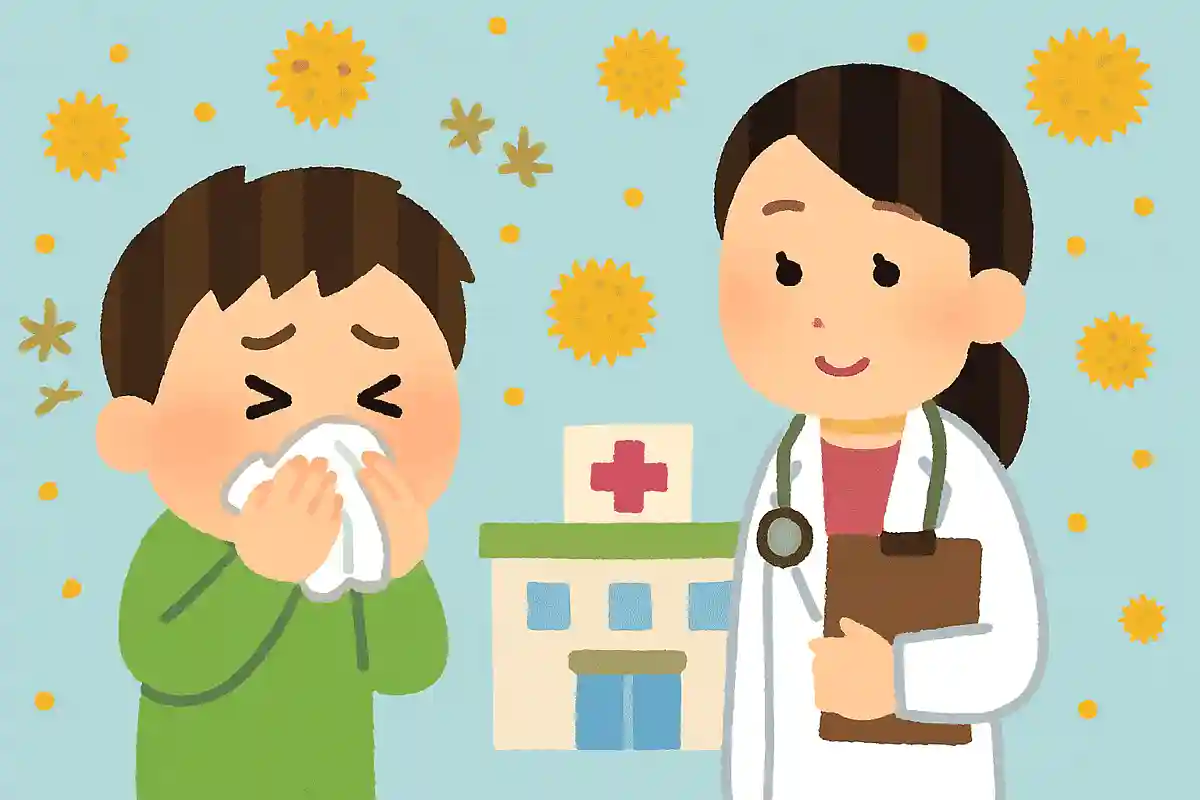
In spring, cedar and cypress pollen begins to spread, and some people experience sneezing, a runny nose, and itchy eyes.
This is hay fever.
For those who suffer from hay fever, it’s considered best to visit a doctor before symptoms appear—that is, before the pollen starts to spread.
The reason is that starting medication in advance can lessen the body’s reaction to the pollen.
There are medications that prevent itching in the nose and eyes, as well as ones that suppress the body’s internal reaction to pollen.
If you consult a doctor and prepare before spring arrives, you may be able to get through pollen season a bit more comfortably.
In conclusion
March brings a season full of delightful events, like White Day, the Doll Festival, and the blooming of cherry blossoms. The trivia and fun facts introduced here are perfect conversation starters with elementary school children. Learning unexpected facts hidden in familiar traditions and nature might make spring scenery look different to you. Be sure to enjoy lively conversations with family and friends about topics unique to March.