

Recommended in March! A collection of surprising, little-known trivia that elementary school students will want to share

What comes to mind when you think of March? There are so many events unique to this season, like graduation ceremonies, the Doll’s Festival, and the song of the bush warbler announcing the arrival of spring.
In fact, March has many beautiful alternative names besides Yayoi, such as Sakura-zuki and Hanami-zuki, and there are lots of fun tidbits you’ll want to share—like how the flavor of hina-arare differs between the Kanto and Kansai regions! In this article, we’ll introduce March trivia and topics that even elementary school students can enjoy.
Share them with family and friends, and you might just become a little trivia expert!
- How many can you solve? Test your spring knowledge with a trivia quiz about March!
- [Sakura Quiz] Trivia & Fun Facts Quiz about Cherry Blossoms for Kids
- Trivia quiz about schools: a roundup of fun facts you’ll want to brag about
- [For Elementary School Students] Trivia About April
- Trivia about cherry blossoms: a roundup of fun facts to make springtime hanami even more enjoyable
- [For General Audience] Little-Known Trivia and Fun Facts About Hay Fever
- [Common Sense & Trivia] True-or-False Quiz with Knowledge for Elementary School Students
- [For Kids] December Trivia Quiz & Fun Facts! Learn about seasonal events and traditions!
- How Much Do You Know? Food Quiz for Elementary School Students
- Will you like May even more once you know? Fun May trivia elementary schoolers should know
- [For Kids] Recommended in March! Easy Origami Ideas for Hinamatsuri (Girls’ Day) and Graduation Ceremonies
- Picture books perfect for spring that are recommended for elementary school children. Picture books that make them look forward to going to elementary school.
- February trivia quiz: three-choice questions on seasonal fun facts like Setsubun and Valentine’s Day
Recommended in March! A collection of surprisingly little-known trivia that elementary school kids will want to share (21–30)
The onion called “shin-tamanegi” (new onion) reaches store shelves more quickly after harvest than regular onions.
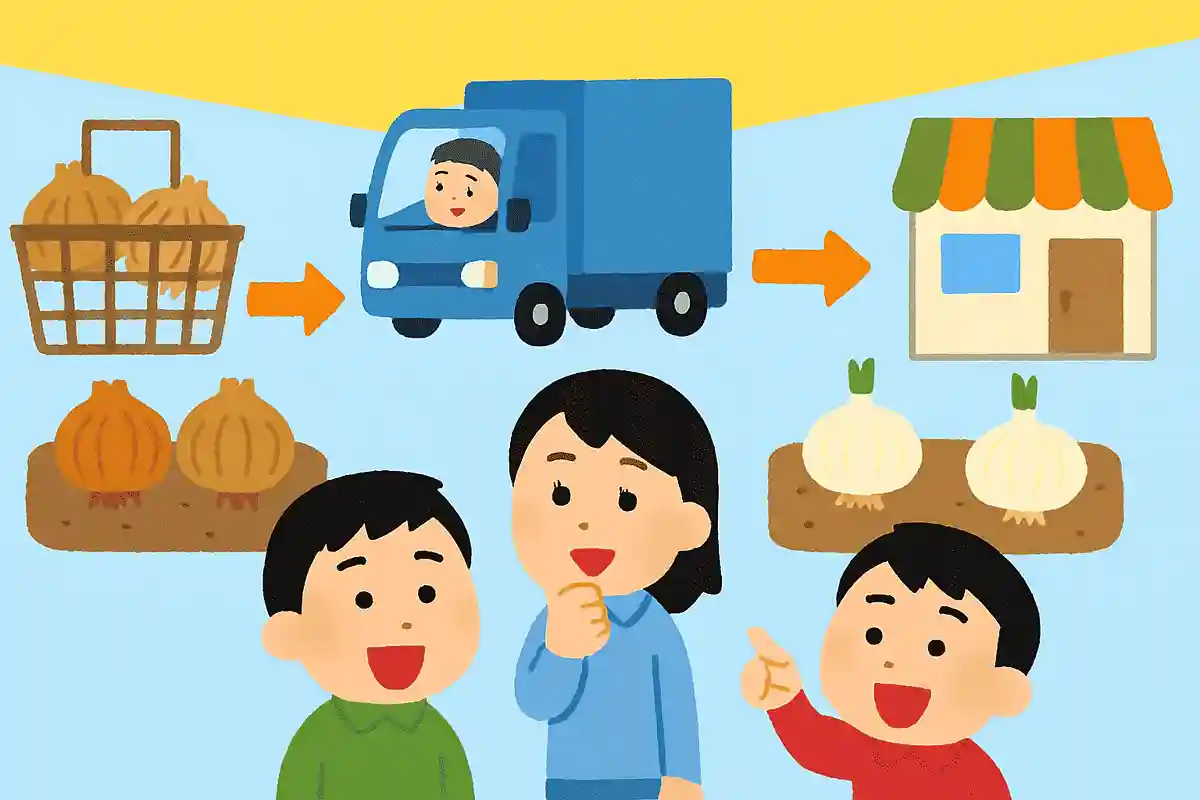
The “new onions” you see in supermarkets in spring are a little different from regular onions.
New onions are brought to stores very quickly after harvest, so you can eat them at peak freshness.
Regular onions are dried for a while after harvesting before being stored, but new onions are shipped without drying, which gives them higher moisture and natural sweetness.
Because of that, they’re delicious raw in salads or lightly sautéed.
Enjoy the sweet, crisp flavor of new onions as a taste of the spring season.

You eat the leaf along with the mochi when having sakuramochi.
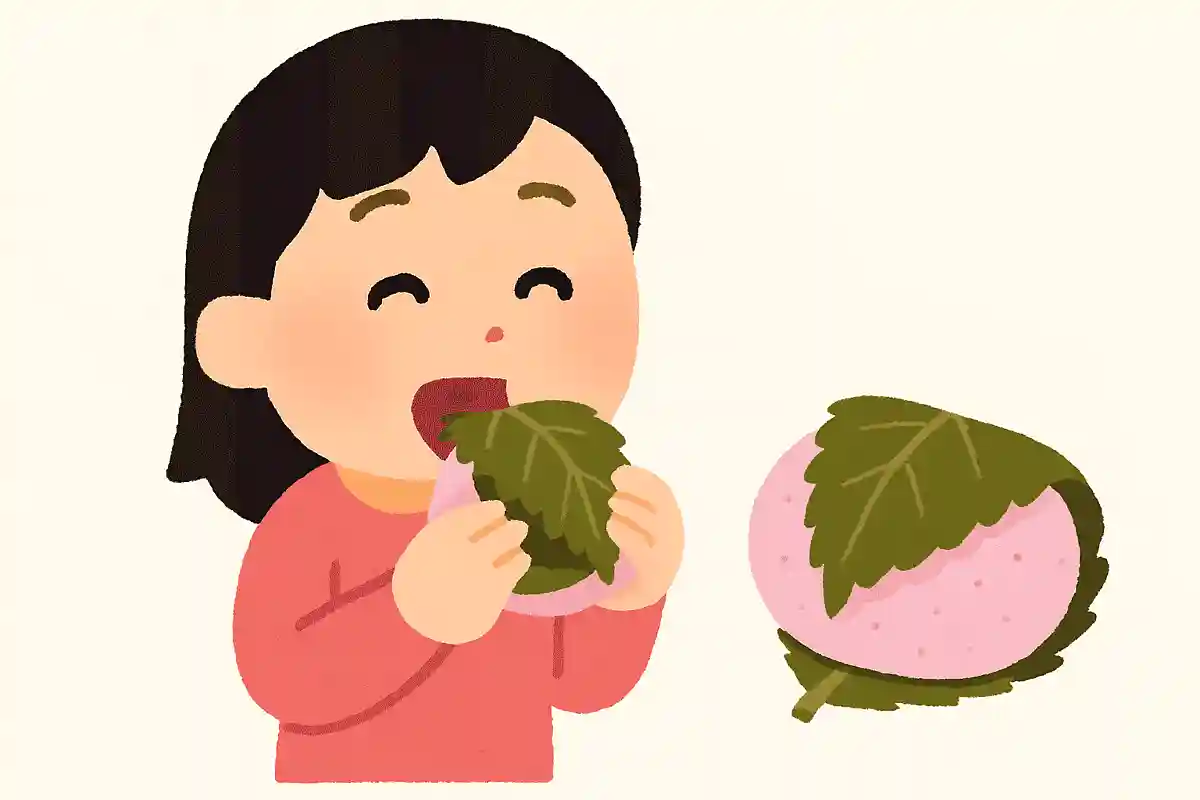
Sakuramochi is a traditional Japanese sweet that you crave in spring.
Sweet red bean paste is wrapped in pink mochi and then further wrapped in a cherry leaf.
The cherry leaf isn’t just for decoration—it’s edible, and its aroma enhances the flavor of the bean paste and mochi.
The leaf carries a cherry-blossom fragrance, and eating it lets you savor the taste of spring.
Eating it with the leaf is the tradition.
So when you enjoy sakuramochi, don’t just eat the mochi—taste it together with the cherry leaf to fully embrace the essence of spring.
Hina-arare, the snack eaten during the Doll Festival, is made from rice.
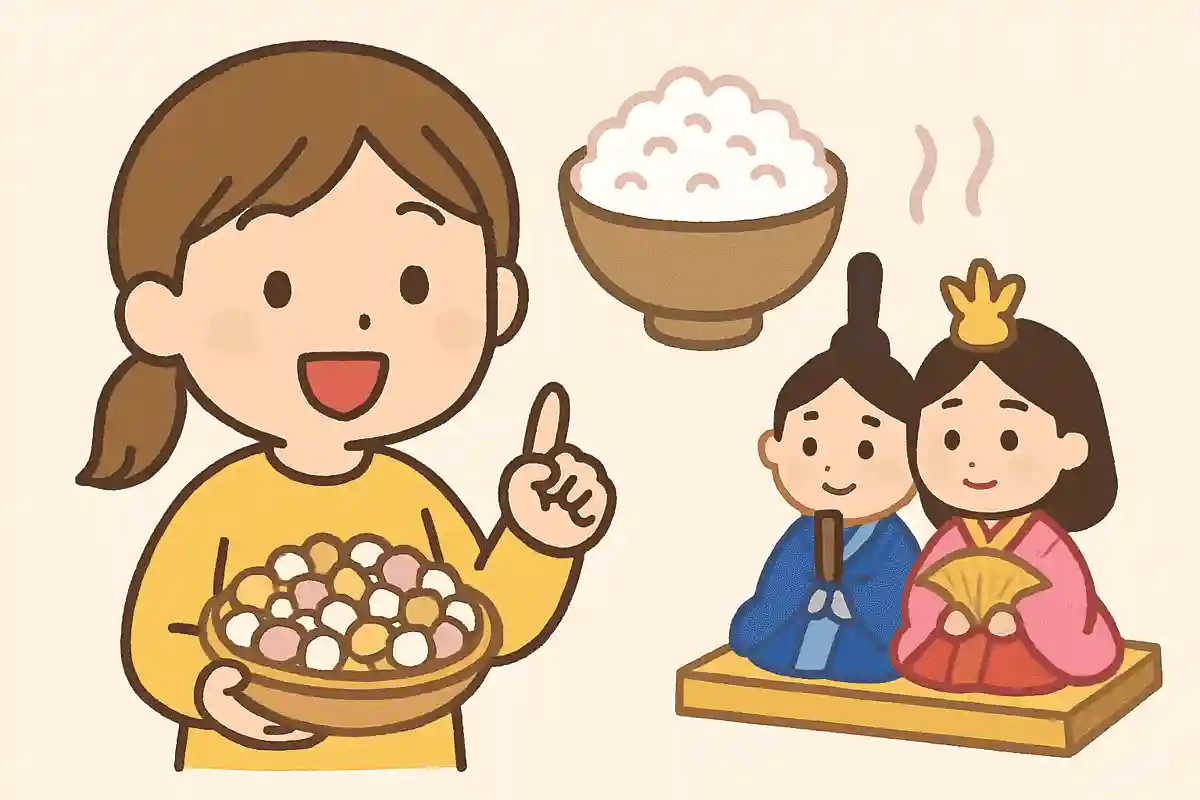
Hina-arare are small, colorful rice crackers eaten during the Hinamatsuri (Doll’s Festival).
In fact, they’re made from rice.
First, the rice is pounded and dried, then baked or fried in oil to give them a crisp texture.
Hina-arare come in pink, white, and green, each representing the spring season: pink for cherry blossoms, white for winter snow, and green for new spring buds.
Because they’re made from rice, they’re also a traditional Japanese food.
Eating hina-arare during Hinamatsuri carries the hope for girls’ growth and good health, letting you share in those wishes as you enjoy them.
Bamboo shoots have husks to prevent animals from eating them.
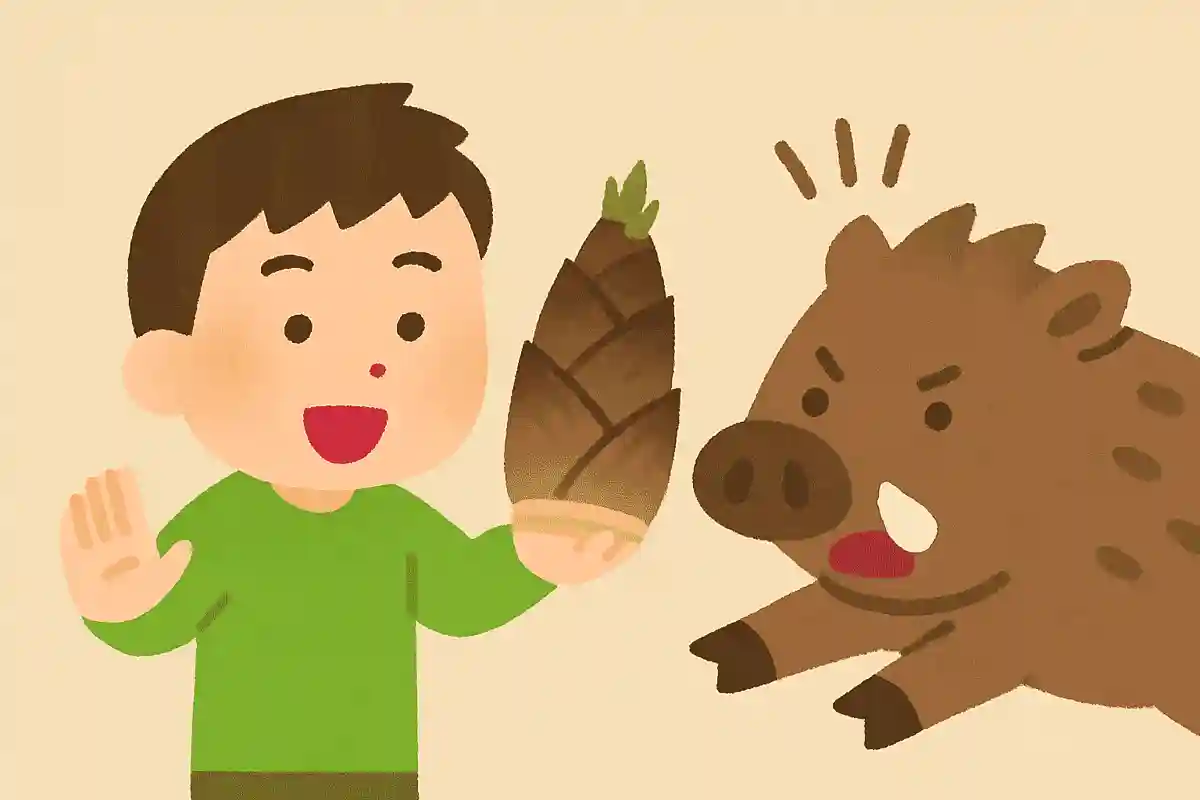
In spring, you can spot bamboo shoots in bamboo groves, and their brown husks have an important role.
The husk is a natural cover that protects the still-soft sprout, keeping it safe from being eaten by animals and insects.
Inside the husk, there’s plenty of moisture and nutrients, which serve as an energy source for the growing bamboo.
So when we eat them, we peel off the husk and use the tender part inside.
Bamboo shoots, enjoyed as a taste of spring, are a gift from nature that grew strong thanks to their protective husk.
Tsukushi is the stem part of the plant.
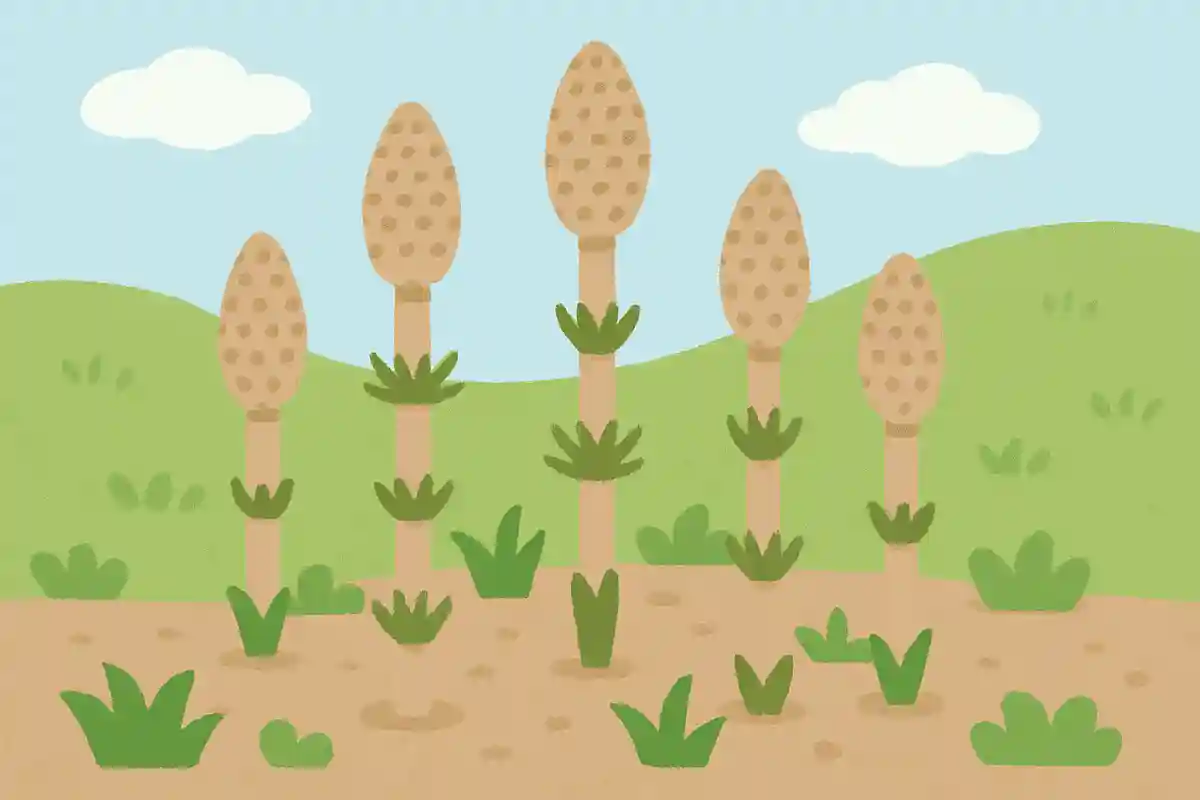
When spring comes, horsetails pop up here and there from the soil.
In fact, horsetails are part of the stem of a plant called field horsetail (Equisetum).
Beneath the ground, the leaves and roots of the field horsetail spread out, and the horsetail shoots are the stems emerging above ground as they prepare to produce their reproductive structures.
At the tip of the shoot are tiny spores, from which new field horsetails grow.
If you observe horsetails you find in spring, you can feel the wonder of plants—“Oh, future horsetails grow from this little stem!” Horsetails aren’t just spring weeds; they are important beings that teach us about the beginnings of plant life.
Eating too much garlic chives makes my stomach hurt.
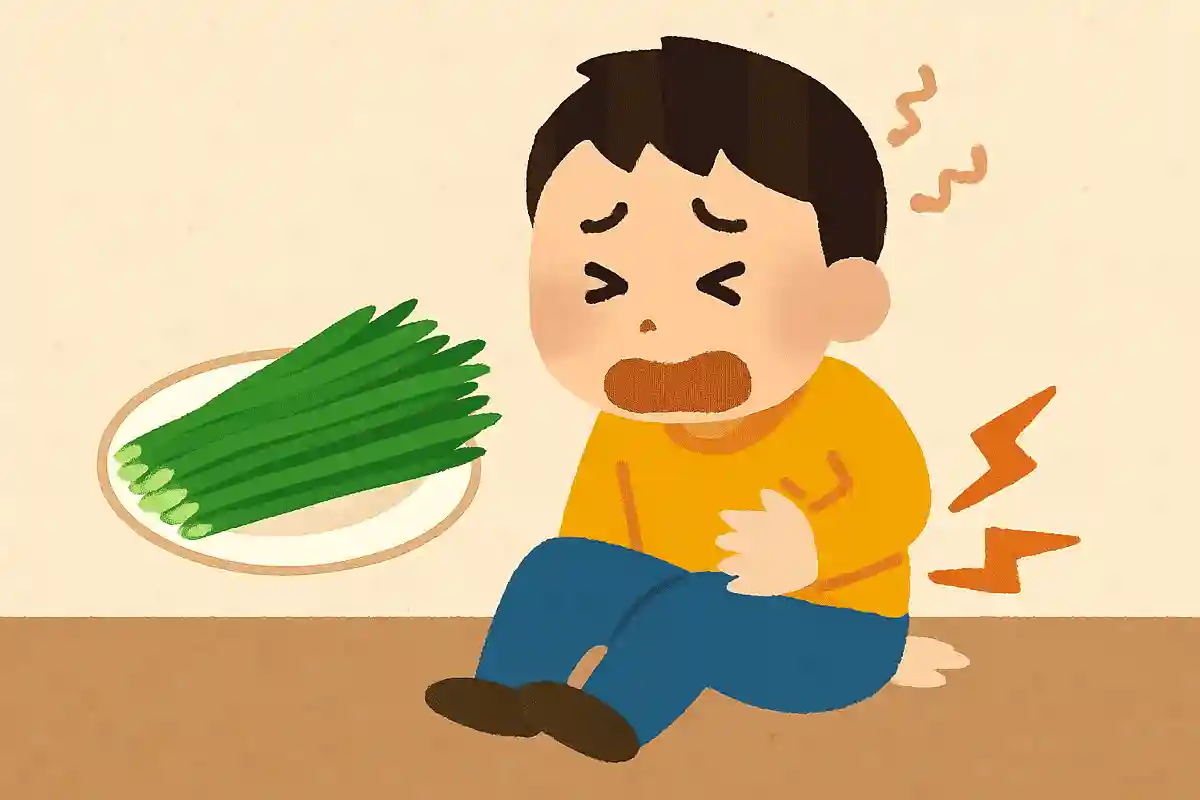
Nira (garlic chives) are delicious in Chinese dishes and stir-fries, and they’re packed with nutrients that are good for you.
However, eating too much can cause stomach aches or diarrhea.
This is because nira contains components that are hard to digest, which can lead to a buildup of gas in your stomach.
So it’s important to eat small amounts when adding it to dishes.
Nira also has a strong aroma, so overeating it can cause not only stomach issues but also noticeable odors from your mouth and body.
To enjoy it deliciously and stay healthy, the key is to watch your portions.
They may seem similar, but chirashi-zushi is a dish where the toppings are placed on the rice, while gomoku-zushi is one where the ingredients are mixed into the rice.
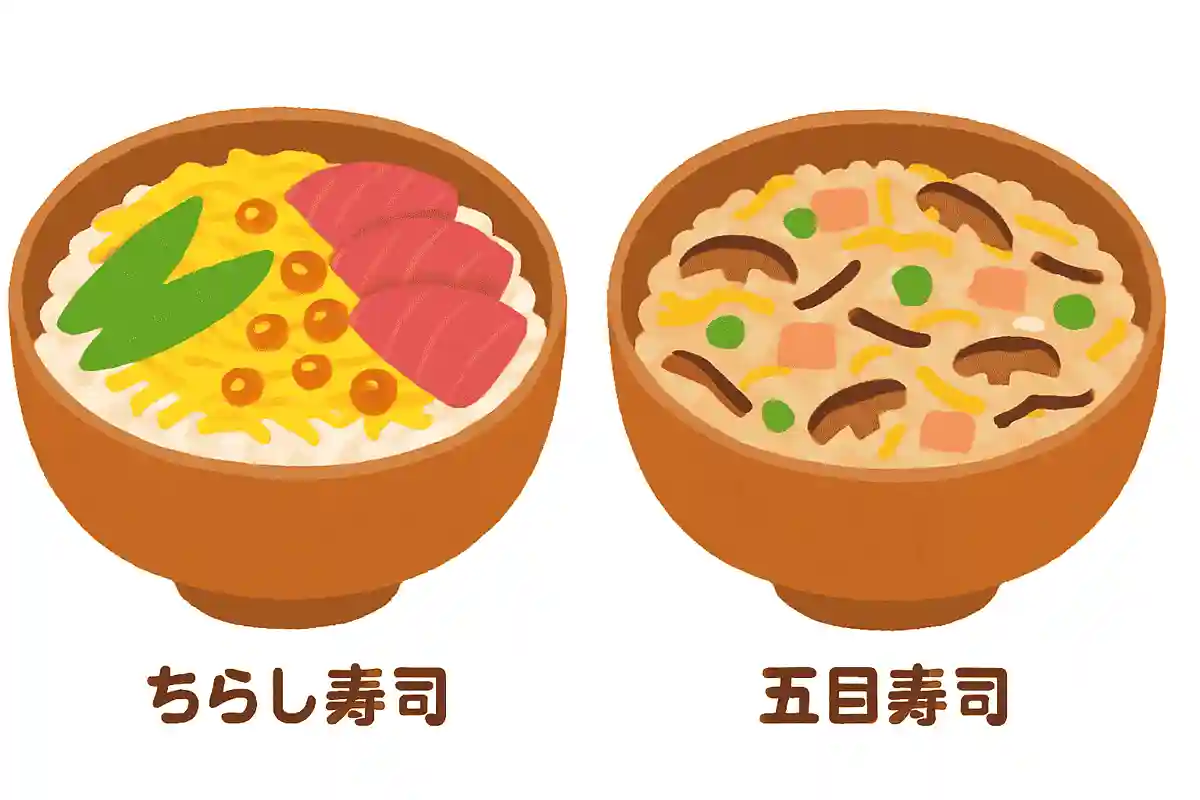
Chirashi sushi and gomoku sushi, which are often eaten for celebrations, may seem similar but are a bit different.
Chirashi sushi is a style where colorful toppings are placed on top of the rice.
For example, shrimp, egg, and snow peas are arranged neatly on top.
In contrast, gomoku sushi is made by thoroughly mixing the rice and ingredients from the start.
Carrots, shiitake mushrooms, and kamaboko are well mixed into the rice, so you can enjoy the flavor of the ingredients in every bite.
Both are perfect for spring or celebratory tables, but the name and how you eat them differ depending on whether the ingredients are placed on top or mixed in.