

Recommended in March! A collection of surprising, little-known trivia that elementary school students will want to share


What comes to mind when you think of March? There are so many events unique to this season, like graduation ceremonies, the Doll’s Festival, and the song of the bush warbler announcing the arrival of spring.
In fact, March has many beautiful alternative names besides Yayoi, such as Sakura-zuki and Hanami-zuki, and there are lots of fun tidbits you’ll want to share—like how the flavor of hina-arare differs between the Kanto and Kansai regions! In this article, we’ll introduce March trivia and topics that even elementary school students can enjoy.
Share them with family and friends, and you might just become a little trivia expert!
- How many can you solve? Test your spring knowledge with a trivia quiz about March!
- [Sakura Quiz] Trivia & Fun Facts Quiz about Cherry Blossoms for Kids
- Trivia quiz about schools: a roundup of fun facts you’ll want to brag about
- [For Elementary School Students] Trivia About April
- Trivia about cherry blossoms: a roundup of fun facts to make springtime hanami even more enjoyable
- [For General Audience] Little-Known Trivia and Fun Facts About Hay Fever
- [Common Sense & Trivia] True-or-False Quiz with Knowledge for Elementary School Students
- [For Kids] December Trivia Quiz & Fun Facts! Learn about seasonal events and traditions!
- How Much Do You Know? Food Quiz for Elementary School Students
- Will you like May even more once you know? Fun May trivia elementary schoolers should know
- [For Kids] Recommended in March! Easy Origami Ideas for Hinamatsuri (Girls’ Day) and Graduation Ceremonies
- Picture books perfect for spring that are recommended for elementary school children. Picture books that make them look forward to going to elementary school.
- February trivia quiz: three-choice questions on seasonal fun facts like Setsubun and Valentine’s Day
Recommended in March! A collection of surprisingly little-known trivia you’ll want to share with elementary school kids (11–20)
Bamboo shoots can grow more than 1 meter in a single day.

Bamboo shoots are one of the tastes of spring.
They’re also made into a famous chocolate snack, so even elementary school kids can easily picture them.
The bamboo shoots used in cooking look cute and plump, but the ones growing out of the ground can reportedly grow more than a meter in a single day.
As the young shoots of bamboo, their growth rate is incredibly fast.
By the way, when they first emerge above the surface, they grow from a few centimeters to several tens of centimeters per day, and their growth speed increases day by day.

Because horsetail resembles a writing brush, it is written in kanji as '土筆' (tsukushi).

Horsetails that pop their cute heads out of the ground and grow.
In kanji, tsukushi is written as “土筆.”
Neither the character for “soil” (土) nor “brush” (筆) is read that way in relation to tsukushi.
It’s a uniquely Japanese ateji (phonetic borrowing), said to come from the way tsukushi grows—looking as if a writing brush is sprouting from the earth, hence “soil brush.” These days, there may be regions where people don’t often see tsukushi.
Along with some spring trivia, it’s also fun to look them up in a field guide or take a trip to the suburbs to find them.
Hishimochi is said to mimic the shape of a heart.

In March, some households display Hina dolls for the Doll Festival.
With the Hina dolls, people offer and enjoy treats like hishi-mochi, hina-arare, and amazake.
Among these, hishi-mochi is notable for its diamond shape and three colors: green, white, and pink.
There is actually a theory that hishi-mochi is modeled after the shape of the heart.
In feng shui, which originated in China, the heart is said to be diamond-shaped.
By eating hishi-mochi shaped like the heart—an organ symbolizing life—it was believed that one could gain strong vital energy.
Since the Doll Festival is a celebration wishing for children’s health, hishi-mochi, considered auspicious, also came to be displayed.
Giving marshmallows on White Day sends the message “I don’t like you.”
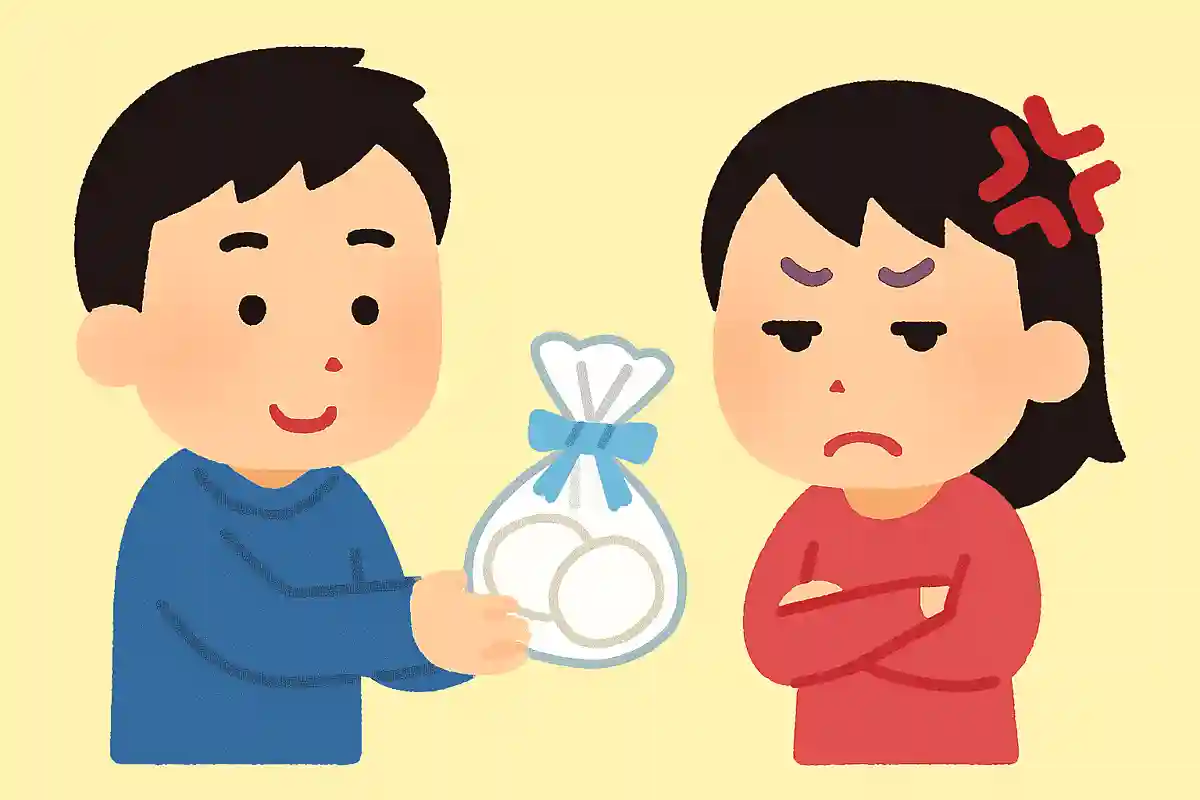
March 14 is White Day, when people give return gifts for Valentine’s Day.
Stores sell sweets and other items for reciprocating, don’t they? Marshmallows are a classic return gift, but it’s said that giving marshmallows can imply “I don’t like you” or “no, thank you.” Marshmallows melt away in your mouth, and because they disappear, it’s associated with the idea that “the relationship won’t last.” However, if you learn about the origins of White Day, your image of giving marshmallows may change.
In fact, the treat that inspired White Day was the marshmallow.
Originally, marshmallows were used to wrap chocolate, carrying a warm meaning of “gently wrapping the chocolate you received with kindness.”
In Okinawa, there was a custom of throwing flour at graduation ceremonies.
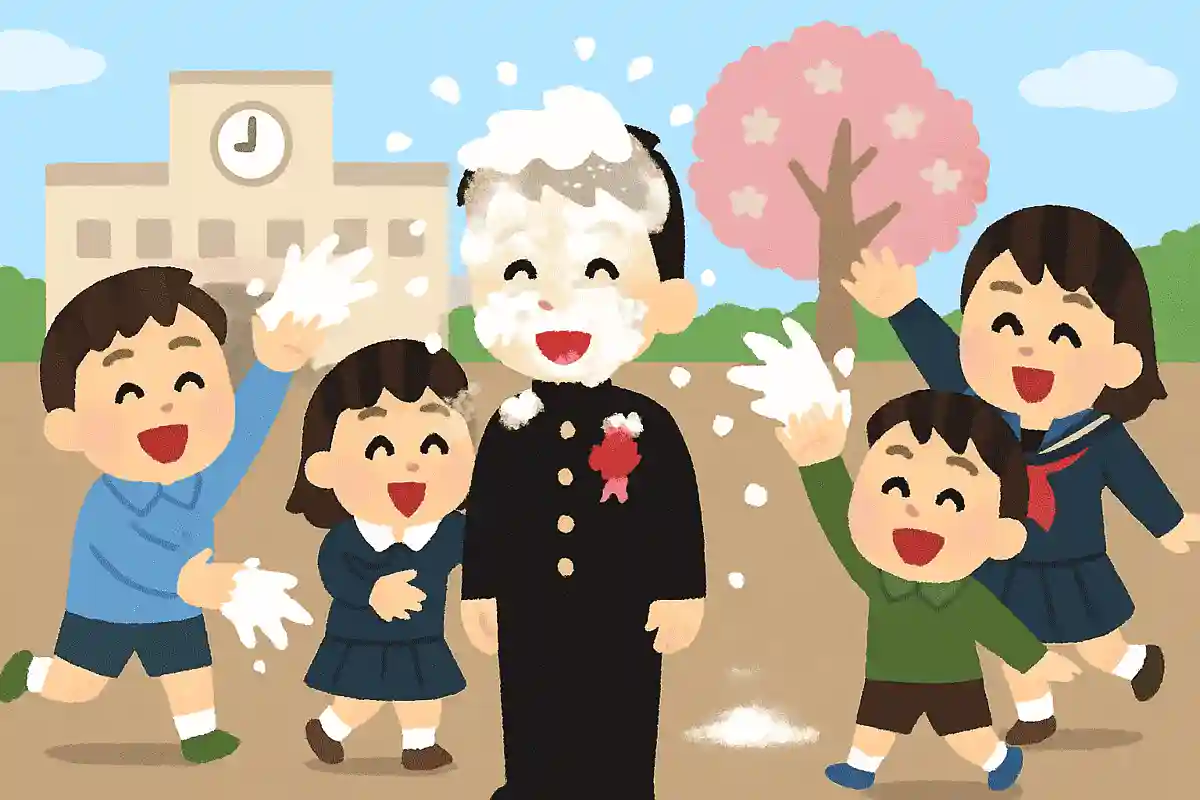
In Okinawa, there’s a custom of throwing meriken flour at graduation ceremonies.
“Meriken flour” means wheat flour; in the past in Japan, American-made wheat flour was called meriken flour.
These days, most places seem to have stopped the flour-throwing out of consideration for not wasting food, but it used to be a classic, major event.
Since people would throw and sprinkle flour, cleaning up must have been tough, too.
In addition, Okinawan graduations also featured fun traditions like making candy leis to give to the graduates.
You don’t get hay fever in Okinawa or Hokkaido.
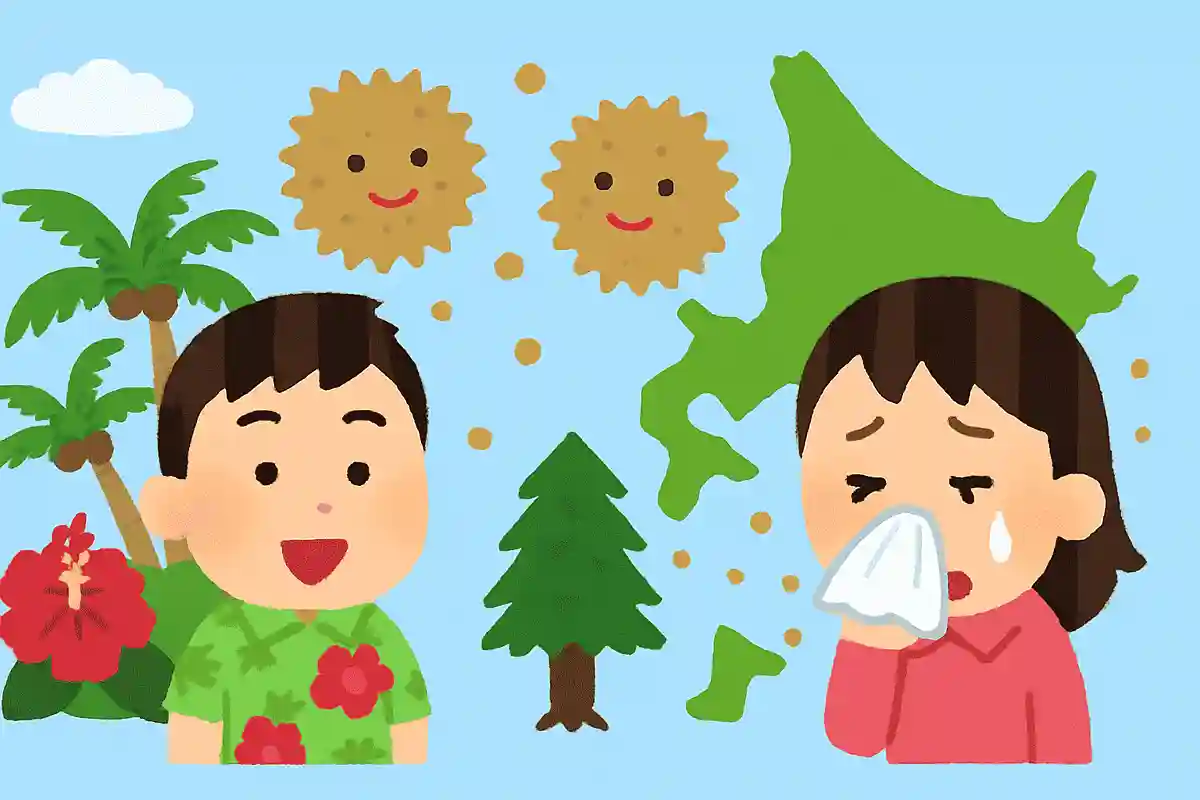
Hay fever, with symptoms like sneezing and a runny nose, troubles many people.
In recent years, more and more elementary school children have been developing hay fever.
In fact, the likelihood of getting cedar pollen allergies is low in Okinawa and Hokkaido.
The reason is that there are very few man-made cedar forests in those regions.
After the war, postwar reconstruction and urban development created a high demand for timber, and the government planted many artificial cedar forests.
As cheaper lumber became available from overseas, demand for Japanese cedar declined, leaving many artificial cedar forests in place.
It’s said that the large number of remaining cedar trees disperses pollen and worsens hay fever.
Recommended in March! A collection of surprisingly little-known trivia that elementary school kids will want to share (21–30)
Kiwi is a fruit that’s in season in March. In Australia, it’s common to eat kiwifruit with the skin on.
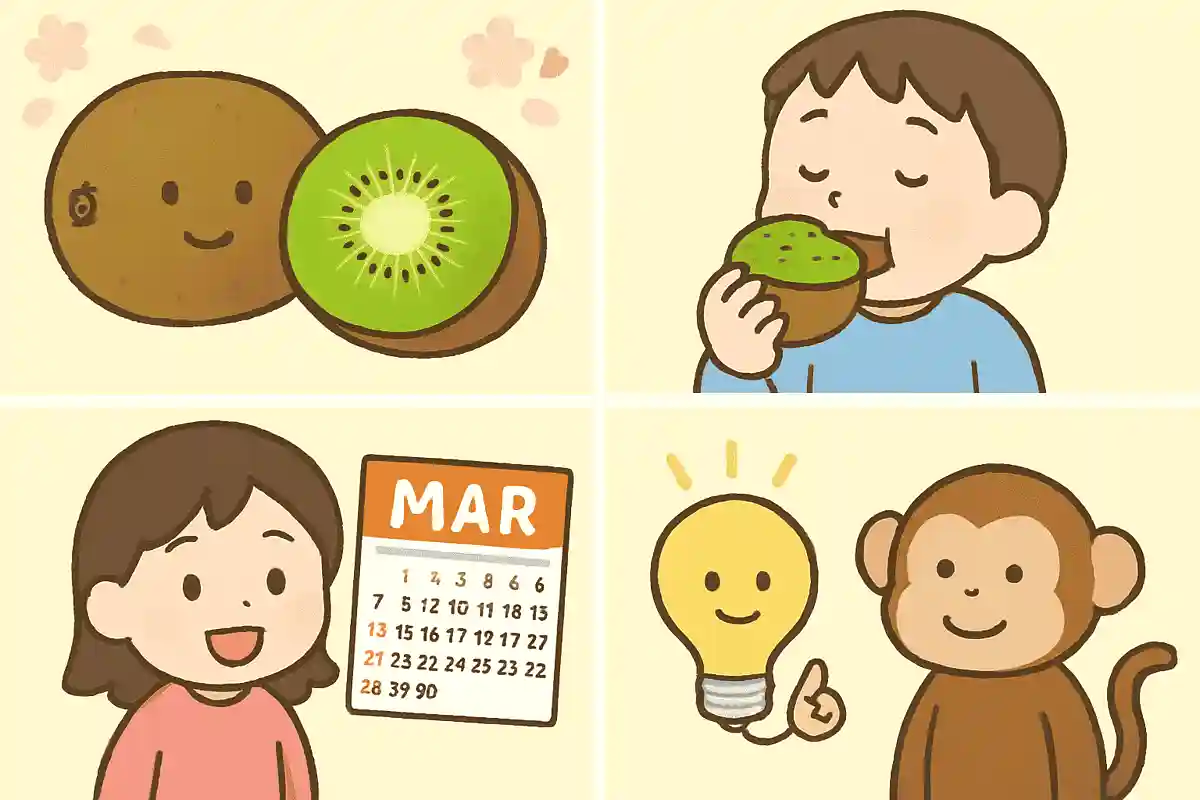
In March, delicious kiwifruit appears in supermarkets and greengrocers.
It’s a sweet-and-tart fruit packed with vitamin C.
In Japan, people often peel it and eat only the flesh, but in Australia it’s actually common to eat it with the skin on.
The skin is full of nutrients and dietary fiber, so eating it whole is great for your body.
Just be sure to wash it well first.
The kiwi’s skin feels a bit rough, but when you eat it together with the sweet flesh, it’s a new flavor discovery.
Kiwifruit is perfect for spring—you can enjoy both health and great taste.
