

For Seniors: Enjoy Every Day! A Collection of Senior Recreation Ideas

Wishing that older adults can spend each day in good health!
In this article, we’ll introduce senior activities that we truly hope you’ll try—ones that can energize you from the bottom of your heart.
We’ve gathered a wide range of options, from brain-training types to activities that get you moving.
There are ideas you can quietly work on alone, as well as recreational activities everyone can do together.
Read through to the end, think it over carefully, and choose the ones that are perfect for the seniors who will be participating!
- [For Seniors] Simple Recreational Activities You Can Enjoy While Seated
- [For Seniors] Enjoyable Indoor Activities! Recreations and Games That Engage the Mind and Body
- [For Seniors] Today’s Recommended Activity: Fun and Engaging
- [For Seniors] Have Fun! A Collection of Group Game Recreation Ideas
- [For Seniors] Have Fun with Recreation! Origami Ideas
- For Seniors: Effective Recreation for Preventing Care Needs—Have Fun While Staying Healthy
- Liven up the Respect-for-the-Aged gathering: A roundup of recreational activities everyone can enjoy.
- [For Seniors] Fun and Engaging Brain-Training Recreation
- [November Health Topic] Indoor Recreation Ideas for Older Adults
- [For Seniors] Recommended Handmade Activities! Simple Ideas
- [For Seniors] What's in the Box? A Collection of Exciting Content Ideas
- Hand games that liven things up for seniors—also great brain training
- [For Seniors] Brain-training puzzle game you can enjoy solo! Perfect pastime for killing time
[For Seniors] Enjoy Every Day! A Collection of Senior Recreation Ideas (41–50)
ShogiNEW!

It has been reported that older adults who enjoy playing shogi at least once a week score higher on cognitive function tests than those who do not play.
The appeal of shogi lies in learning the rules and progressing through the game while thinking, which fully activates the brain, as well as enjoying communication with one’s opponent.
Winning brings a sense of fulfillment, self-esteem, and joy, while losing can boost motivation for the next game.
By enjoying shogi, you can naturally help prevent dementia.
Shogi is fun whether you win or lose—why not start playing together with friends?

WalkingNEW!

Walking, popular as an easy-to-start form of exercise, is an activity that helps maintain fitness and manage health.
Walking improves blood circulation, helps keep muscles and joints moving, and is expected to offer many benefits such as preventing lifestyle-related diseases and dementia, so many people incorporate it into their daily routine.
Outdoors, you can enjoy viewing seasonal flowers and cityscapes, and feel a sense of accomplishment by tracking steps or distance.
You can choose a manageable route and adjust the time to suit yourself, making it easy to continue according to your condition.
Walking with friends or family also allows you to enjoy conversation and can be a catalyst for social interaction.

Adult coloring bookNEW!
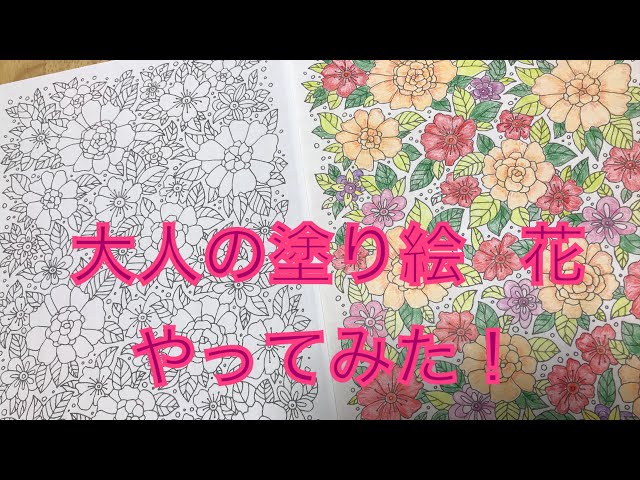
Adult coloring is appealing because it’s easy to start with just colored pencils and paper.
Bookstores carry many designs suitable for older adults, creating an environment where it’s easy to keep enjoying the activity.
The process of choosing colors and coloring while being mindful of shapes stimulates the brain, and the fine movements of the fingertips help maintain hand dexterity, supporting actions needed in daily life.
In addition, the focused time provides a mental reset, and you can feel a sense of accomplishment when you finish.
As an activity you can enjoy over time, it’s a hobby that’s easy to incorporate into everyday life.
calligraphyNEW!

Through the careful process of writing each character with a brush, calligraphy not only enhances fine motor skills and concentration but also helps maintain cognitive function by stimulating multiple regions of the brain.
Focusing on the scent of ink and the feel of the brush calms the mind and provides relaxation, while also fostering a sense of accomplishment and self-esteem, contributing to emotional stability.
In addition, writing with proper posture helps straighten the back, and the movements of the fingers and arms can have rehabilitative benefits.
Joining a calligraphy class or club creates opportunities for social interaction, allowing you to rebuild connections with society while enjoying the activity.
It is easy to start at home as well, making it a recommended activity for older adults as part of physical, mental, and cognitive care.
picture letterNEW!

Etegami is an activity that conveys feelings by combining pictures and words, and it is expected to be effective for hand movement and brain activation.
The process of using brushes and paints to think about shapes and colors while drawing also serves as rehabilitation to maintain finger dexterity.
In addition, considering what to express stimulates memory and imagination, helping to maintain cognitive function.
Moreover, completing a piece provides a sense of accomplishment, which can enhance emotional well-being and help relieve stress.
Sending the finished cards to family and friends can spark communication and interaction.
As an activity that supports the health of the fingers, brain, and heart, it can be enjoyed as a long-lasting hobby.
knittingNEW!

Knitting is a hobby that helps enhance fine motor skills in the fingers through precise hand movements, supporting manual dexterity.
The process of working with yarn involves considering stitch patterns and color combinations, which stimulates the brain.
Each completed piece also brings a sense of achievement, which can enhance emotional well-being and self-esteem.
Because it’s done while seated, it places little strain on the body and can be continued comfortably over time.
Creating practical items like sweaters and scarves and giving them to family and friends can also spark social interaction.
As an activity that engages both hands and the mind, knitting can aid finger rehabilitation, help prevent cognitive decline, and promote emotional stability, making it an easy-to-adopt, highly recommended pastime for older adults.
Karaoke activity

Karaoke is a recreation that can be enjoyed not only by the people singing but also by those listening, isn’t it? When you sing nostalgic songs from your youth, everyone there can get excited together.
The act of recalling what songs you used to sing and what the lyrics were like also seems like good brain training.
Plus, if you focus on projecting your voice, you can expect benefits like clearer pronunciation and even facial muscle exercise.
Isn’t it the best kind of recreation—one that lifts everyone’s spirits, brings the group together, and contributes to health?
