

Japanese karaoke songs that are easy for men in their 60s to sing

This time, we checked out Japanese songs that are easy for men in their 60s to sing at karaoke! They’re known for being generally easy to sing, with comfortable pitch, tempo, and volume.
They could make a great addition to your repertoire.
Take this opportunity to use it as a reference!
- [Men in their 60s] Even if you're not good at singing, it's okay! Easy-to-sing songs for karaoke
- [For People in Their 60s] Karaoke Songs That Get the Crowd Going: Ranking [2026]
- [For People in Their 60s] Ranking of Easy-to-Sing Karaoke Songs [2026]
- Karaoke songs that are sure to get a 60-something man fired up
- Recommended Japanese karaoke songs for men in their 60s
- Popular Japanese songs among men in their 60s: recommended masterpieces and classic tracks
- Good songs recommended for people in their 60s: classic and popular Japanese tracks
- Songs Women Want Men to Sing: Popular Karaoke Picks Chosen by Girls
- [Men in Their 50s, Gather Up!] Classic Karaoke Crowd-Pleasers & Easy-to-Sing Hits
- Karaoke songs where even men with low voices can aim for high scores
- A love song that makes a man in his sixties relive his youth. Timeless classics that rekindle the romances of those days.
- [60s] Karaoke Popularity Rankings by Generation [2026]
- [2026 Edition] Songs Loved by People in Their 60s: Classic Hits from Their Youth
Karaoke songs in Japanese that are easy for men in their 60s to sing (91–100)
Body and soulDaun Taun Bugiugi Bando

If you want to sing a passionate song, we recommend “Mi mo Kokoro mo.” This piece was released in 1977 by the band led by Ryudo Uzaki, the Downtown Boogie-Woogie Band.
Since it was used as the theme song for the popular drama “Detective Story,” many people will likely find it familiar.
In this song, most of the vocals are set in the lower register except for part of the chorus.
As your voice gains richness with age, this could be a great track to practice if you want to master a cool, gritty singing style.

Beard and Boobsyunikōn
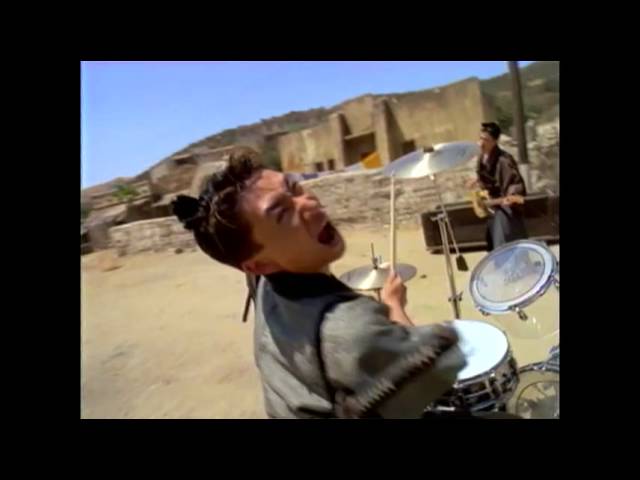
One of Unicorn’s signature works, this song humorously portrays the wavering emotions caught between a salaryman’s job and his love life.
Tamio Okuda’s lyrical world shines as he deftly weaves in modern workplace relationships, from a young company president to the woman at the neighboring desk.
Released in October 1991, the track features an arrangement inspired by the grand sound of Electric Light Orchestra, with a striking use of synthesizers.
As the closing song on the album “Hige to Boin,” it brilliantly conveys the complex feelings of a man who can’t give up on love even while being overwhelmed by work.
It’s a perfect pick for livening up after-work karaoke with colleagues.
Speak not of lifeyoshida takurou

It’s a song that powerfully sings of the doubts and inner conflicts we face as we go through life, with a stirring vocal performance that shakes the heart.
It’s included on the 1974 album “Ima wa Mada Jinsei o Katarazu” (Not Yet Ready to Speak of Life), whose title is said to have been taken from the lyrics of this track.
While it has a strong yet gentle rhythm that makes it approachable—even for beginners—the tempo is also easy to sing.
The melody is simple and singable, but to convey the song’s atmosphere, a passionate delivery is essential.
It’s important to visualize how to let the words flow and where in each phrase to place your emphasis.

It was spring, wasn’t it?yoshida takurou

An uptempo track that sets the tone for the fourth album “Genki Desu,” released in 1972.
Takuro’s cool vocals breezily sing of the fleeting nature of love.
With an extremely low range—its lowest note is mid1 A#—this song is a godsend for men with lower voices.
While the dense lyrics and quick delivery can be a bit challenging, its comfortable, soothing sense of drive makes it easy to sing! Perfect for spring karaoke or when you want to get hyped with one of Takuro’s rock numbers.

Night of 15Ozaki Yutaka

This is the debut single by Yutaka Ozaki, released in 1983 alongside the album “Seventeen’s Map.” It portrays the rebellious spirit and pursuit of freedom felt by a 15-year-old boy, and has long been loved as a song that speaks for the feelings of young people.
The structure, which builds gradually from a quiet, piano-centered atmosphere toward the chorus, evokes a rising swell of emotion.
The relatively low pitch and steady, unbroken lyrical tempo make it easy to sing, and the key is how you pour emotion into it.