

Japanese karaoke songs that are easy for men in their 60s to sing

This time, we checked out Japanese songs that are easy for men in their 60s to sing at karaoke! They’re known for being generally easy to sing, with comfortable pitch, tempo, and volume.
They could make a great addition to your repertoire.
Take this opportunity to use it as a reference!
- [Men in their 60s] Even if you're not good at singing, it's okay! Easy-to-sing songs for karaoke
- [For People in Their 60s] Karaoke Songs That Get the Crowd Going: Ranking [2026]
- [For People in Their 60s] Ranking of Easy-to-Sing Karaoke Songs [2026]
- Karaoke songs that are sure to get a 60-something man fired up
- Recommended Japanese karaoke songs for men in their 60s
- Popular Japanese songs among men in their 60s: recommended masterpieces and classic tracks
- Good songs recommended for people in their 60s: classic and popular Japanese tracks
- Songs Women Want Men to Sing: Popular Karaoke Picks Chosen by Girls
- [Men in Their 50s, Gather Up!] Classic Karaoke Crowd-Pleasers & Easy-to-Sing Hits
- Karaoke songs where even men with low voices can aim for high scores
- A love song that makes a man in his sixties relive his youth. Timeless classics that rekindle the romances of those days.
- [60s] Karaoke Popularity Rankings by Generation [2026]
- [2026 Edition] Songs Loved by People in Their 60s: Classic Hits from Their Youth
Karaoke songs in Japanese that are easy for men in their 60s to sing (101–110)
I LOVE YOUOzaki Yutaka

It’s one of Yutaka Ozaki’s signature songs, expressing love for someone dear in a bittersweet atmosphere.
It was included on the 1983 album “Seventeen’s Map” and later released as a single in 1991.
The song has been cherished for years, appearing as an insert song in films and dramas and in numerous commercials.
Its band sound, centered on piano and steeped in melancholy, highlights the deep affection portrayed in the lyrics.
With a gentle tempo and a vocal line with gradual rises and falls, it’s easy to sing—allowing you to convey your feelings softly and tenderly.

GraduationOzaki Yutaka

It’s a song with a refreshing vibe that portrays youthful defiance against adults and the feeling of sprinting full speed through adolescence.
Released as a lead single ahead of the 1985 album “Kaikisen,” it’s one of Yutaka Ozaki’s signature tracks.
The piano-centered sound meshes with lyrics depicting scenes at school, powerfully evoking images of youth.
The conversational singing style, which conveys a sense of nostalgia for days spent with a rebellious spirit, also makes it easy to sing.
Since the melodic rises and falls are gentle, focus on expressing the emotions embedded in the lyrics as you sing.
homeKiyama Yusaku

A moving ballad filled with warm father-to-child love and hopes for growth has been delivered by Yusaku Kiyama.
His gentle, calm voice conveys deep affection for family, and despite its straightforward storytelling, it leaves a lasting resonance in the listener’s heart.
Released in February 2008, the song was featured as the ending theme for Nippon TV’s “UtaSta!!” and Yomiuri TV’s “Joho Live Miyane-ya,” and it also led to his appearance at the 59th NHK Kohaku Uta Gassen that same year.
For karaoke, it’s recommended when you want to reflect on family memories or express gratitude to someone special.
It’s a tender, warmth-filled song—like softly returning someone’s hand squeeze under a bright sky.
I won’t fall in love anymore.Makihara Noriyuki
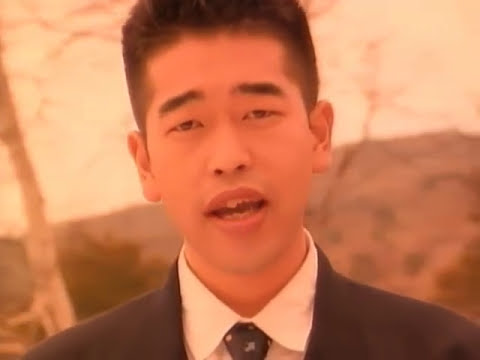
A signature song by Noriyuki Makihara, distinguished by its heartwarming melody that embraces both the ache of heartbreak and a brave front.
It gently portrays memories of a former lover and the nostalgia of everyday life, while the protagonist’s resolve to move forward resonates deeply with listeners.
Released in May 1992, it was chosen as the theme song for the NTV drama “After the Children Are Asleep.” Included on the album “Kimi wa Boku no Takaramono,” it became a major hit, ranking 7th on Oricon’s year-end chart.
This piece is a companion for those standing at life’s crossroads.
When you gather with friends for karaoke, its universally relatable lyrics and melody are sure to warm the heart.
milk teaFukuyama Masaharu

This is Masaharu Fukuyama’s 21st single, released in May 2006.
It was issued as a double A-side single together with Utsukushiki Hana, which was included on the CD at the same time, and it was used as the theme song for the TBS variety show Koi suru Hanikami!.
It’s a slow-tempo ballad where the beautiful acoustic guitar sound and Fukuyama’s mature vocals are exquisitely matched.
There aren’t any particularly tricky, technically difficult parts in the vocal melody, but when singing this at karaoke, the most important thing is how you handle the spacing between phrases—how well you “sing” the rests.
Cherish each and every word of the lyrics, and try singing it after studying his original performance carefully.
