

[For Seniors] Brain-training with winter-themed quizzes. Great for activities, killing time, and dementia prevention.


As the weather turns cold, we tend to spend more time indoors where it’s warm.
On such winter days, why not enjoy some fun moments with quizzes that anyone can enjoy, regardless of age, while engaging your mind? This time, we’re introducing quizzes that you can enjoy and learn from together with older adults, featuring tidbits about New Year’s traditions and the nature of winter.
By revisiting traditional wisdom and seasonal changes in quiz form, conversations that span generations will flow naturally.
How about taking on the challenge with your family or friends?
- [For Seniors] January Trivia Quiz & Fun Facts. Brain training with quizzes about New Year and winter.
- [For Seniors] Fun Quiz Questions That Will Liven Up December
- [For Seniors] Introducing Trivia Quizzes and Fun Facts About December
- [For Seniors] Brain-training quizzes for January: Let’s have fun with New Year and winter trivia
- [For Seniors] Enjoy the Cold Winter! Seated Activities You Can Do
- [For Seniors] Recommended Trivia Quizzes & Fun Facts for November
- [For Seniors] Have Fun with Wordplay Characters! A Collection of Funny Puzzles
- [For Seniors] Winter Haiku: Introducing Beautiful Masterpieces by Famous Haiku Poets
- [For Seniors] Trivia Multiple-Choice Quiz
- [For Seniors] Surprisingly Unknown! General Knowledge Quiz
- [For Seniors] Fun and Educational True-or-False Quiz
- [For Seniors] Fun and Lively! Recommended Quiz Questions
- [For Seniors] Fun Brain Training! February-Themed Quiz
[For Seniors] Brain training with winter-themed quizzes: great for recreation, passing time, and dementia prevention (41–50)
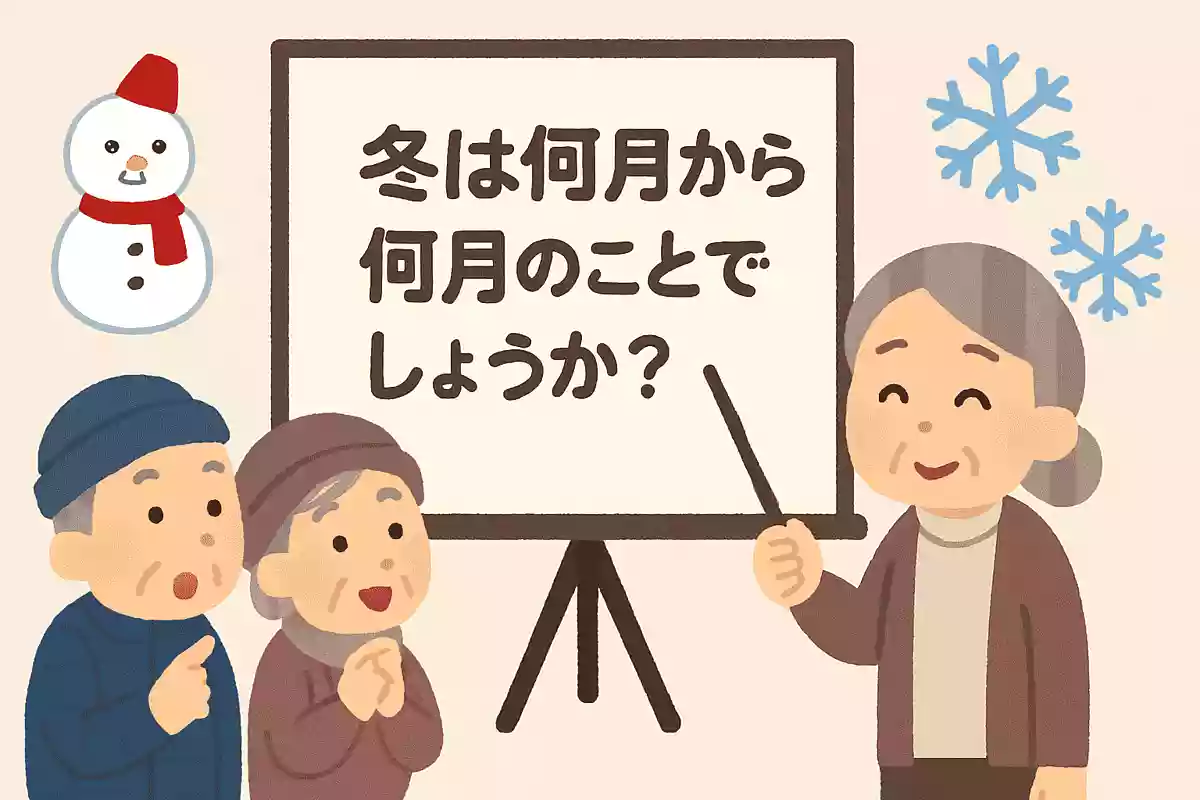
From which month to which month does winter span?
- From November to January
- December to February
- January to March
See the answer
December to February
In the Japan Meteorological Agency’s seasonal classification, winter runs from December to February. Incidentally, spring is from March to May, summer from June to August, and autumn from September to November. Winter spans the turn of the year, so when specifying which year a winter refers to, the year that includes January is used.

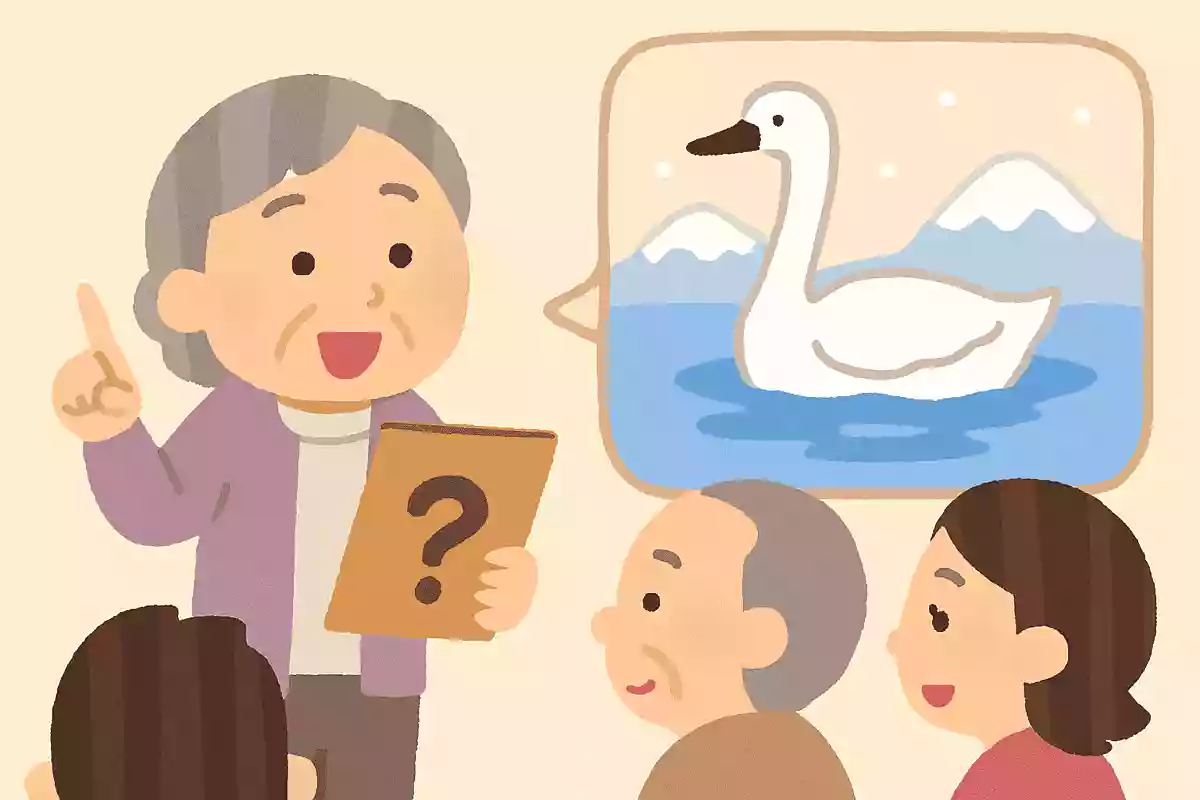
In winter, there are opportunities to see swans that overwinter in Japan. Why are swans able to float on water?
- Floating in the water, kicking legs
- There’s a spot on my foot where air goes in like a balloon.
- Because I’m applying oil to my body
See the answer
Because I’m applying oil to my body
People often say that swans and other waterfowl may look graceful, but beneath the surface they’re paddling hard. But what is it really like? In fact, swans and waterfowl have what’s called a uropygial (preen) gland near their rump that secretes oil. They spread this oil over their feathers to improve water repellency. What’s more, by coating their bodies with the oil, they also trap air, which serves like a flotation device.
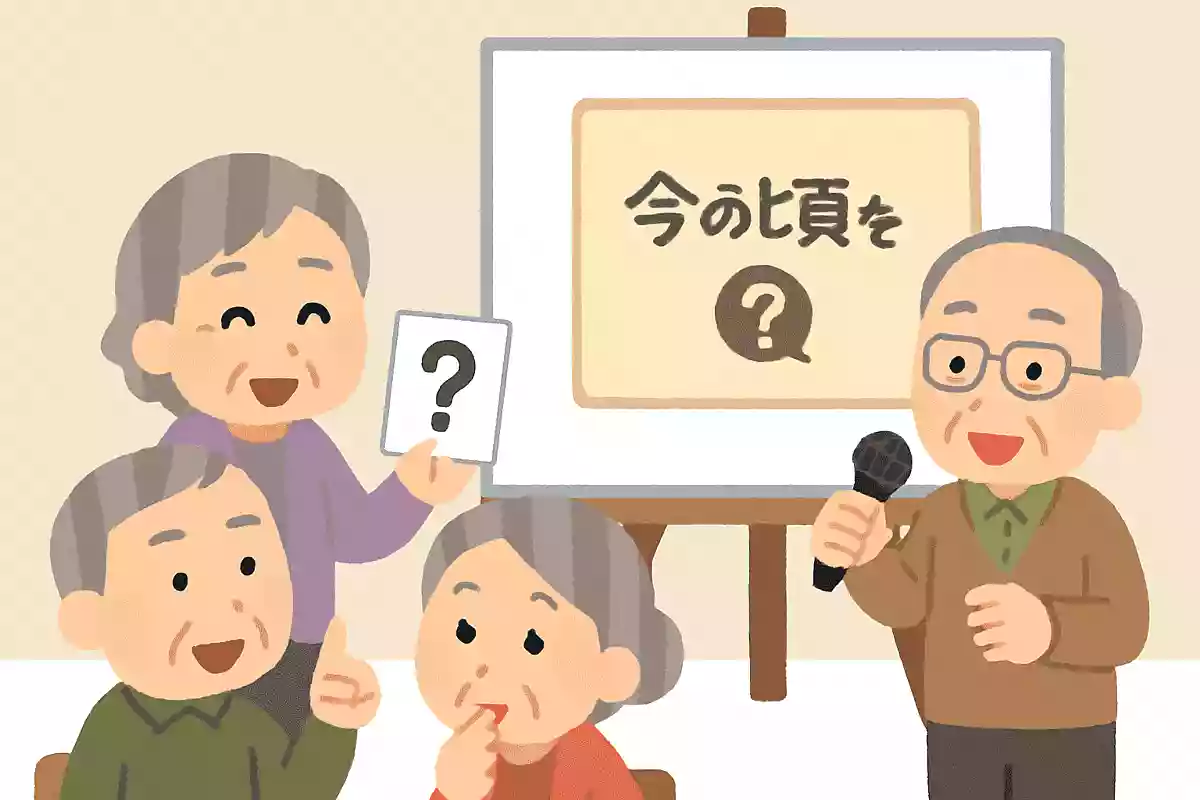
When does koharubiyori refer to?
- From November to December
- January to February
- From March to April
See the answer
From November to December
Koharu-biyori refers to the period from late autumn to early winter, roughly from November to December. Koharu is another name for the tenth month of the old lunar calendar, which corresponds to today’s November to December. The term is used for days during this time that are warm, calm, and sunny like spring. From the expression itself, you can almost picture a pleasantly warm, sunny spring day.
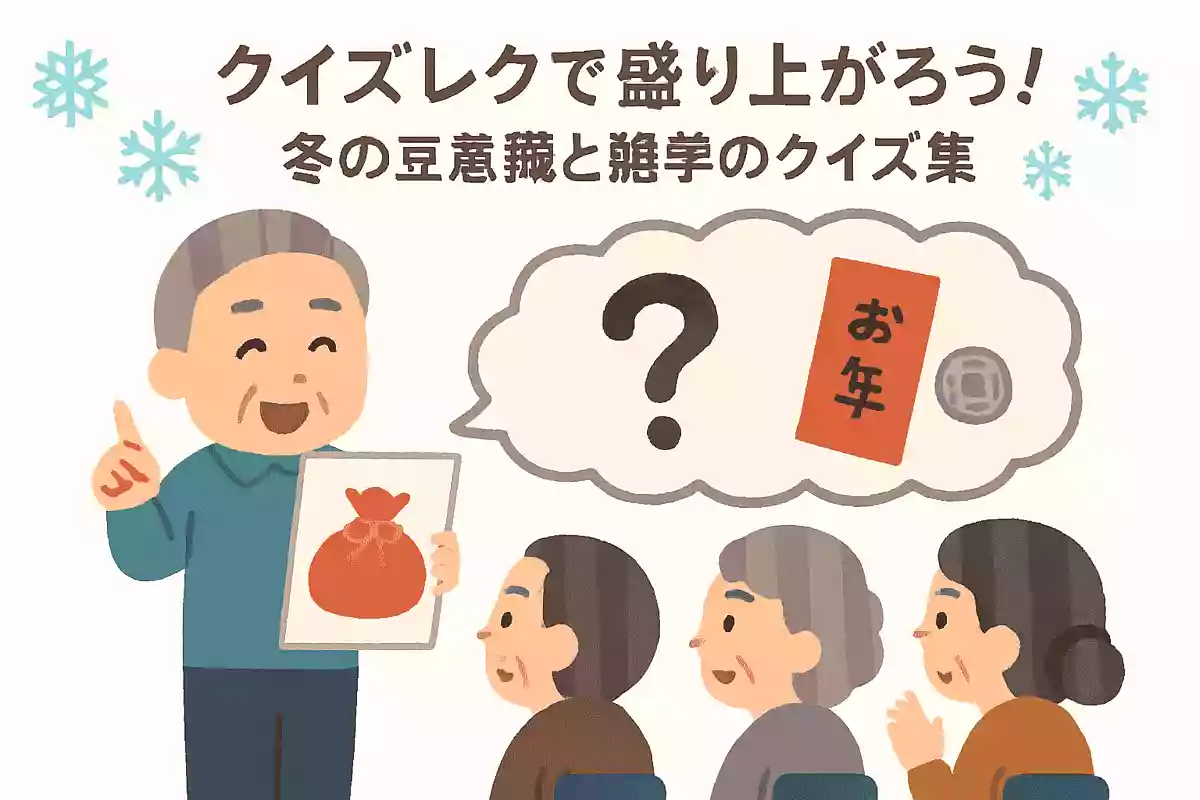
In the past, New Year’s gifts (otoshidama) were not money. What were they?
- stone
- kagami mochi (traditional Japanese New Year rice cake decoration)
- sweets
See the answer
kagami mochi (traditional Japanese New Year rice cake decoration)
It’s said that otoshidama originated from families sharing the kagami mochi that had been offered during the New Year. This mochi was called “toshidama,” referring to the round rice cakes offered to welcome the New Year deity. By distributing this mochi among family members, people also expressed a wish for everyone to spend the year safely.
When it snows, children build igloos, but what is the original purpose of building an igloo?
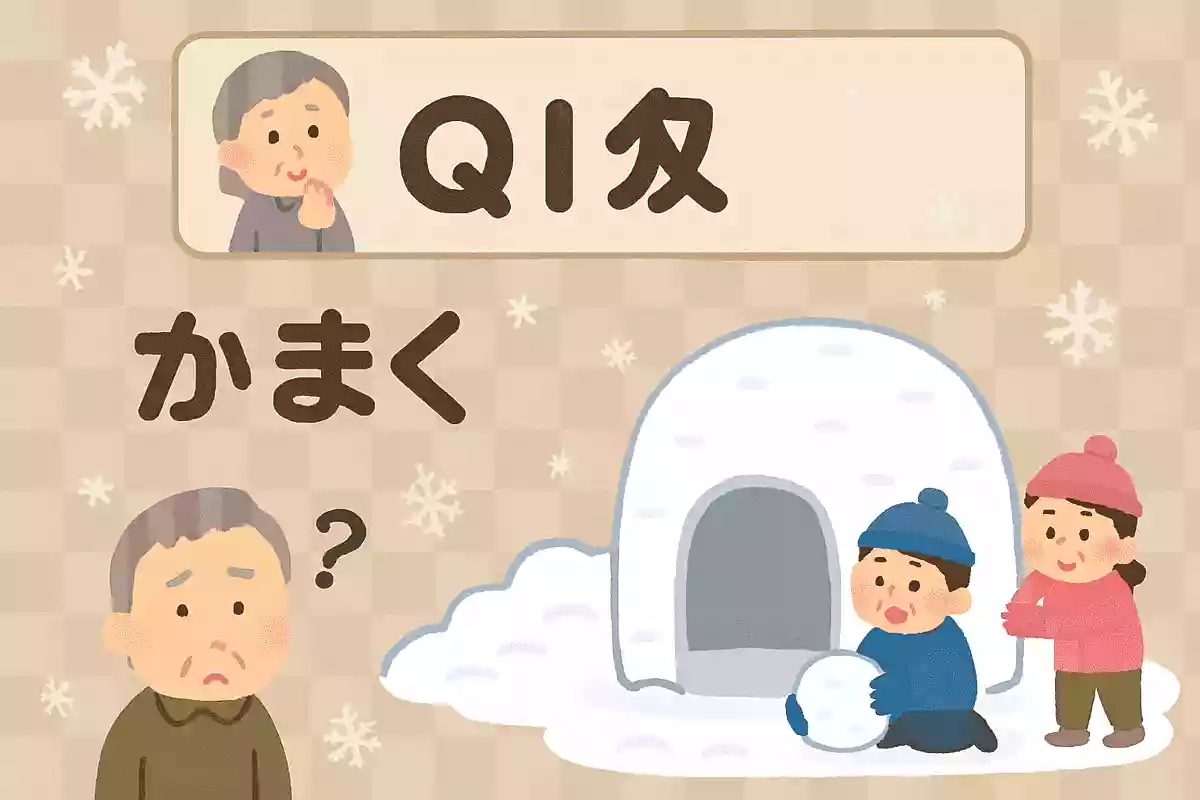
- enshrine a deity
- Food storage location
- It doesn’t mean anything in particular.
See the answer
enshrine a deity
When it snows, you might picture people building dome-shaped igloos. Children keeping warm inside the igloos they made themselves. That’s the common image of kamakura, but in fact, building them has a different meaning. Originally, it was a folk event in Akita Prefecture: offerings were made to the water deity enshrined at the front inside the kamakura to pray for family safety, business prosperity, and a bountiful harvest.
In conclusion
Let’s deepen our communication with older adults through fun winter-themed trivia quizzes.
By thinking through each question together and sharing past experiences and wisdom, the conversation will naturally expand.
Even on cold winter days, enjoy a heartwarming time filled with warm smiles and cheerful chatter.