

[For Seniors] Famous Haiku for December: Masterpieces Depicting Winter Scenes and Year-End Moments, Plus Tips on How to Compose Them

December is the season when we feel the year drawing to a close.
There are moments when our hearts are moved by the winter night sky we gaze up at in the cold air, or by the quiet scene of snow falling gently.
This time, we introduce haiku about December composed by renowned poets.
From verses filled with the deep sentiments of New Year’s Eve, to lines that capture the beauty of softly falling snow, to works depicting the moon on a cold night, the expressions that make skillful use of seasonal words are especially appealing.
Haiku offers the joy of freely putting the small discoveries and emotions of everyday life into words.
Why not spend some time enjoying haiku together with older adults while feeling the changing seasons? You’re sure to find hints for expressions that bring the season to life.
- [For Seniors] Winter Haiku: Introducing Beautiful Masterpieces by Famous Haiku Poets
- [For Seniors] Famous Haiku About January: Learn New Year Season Words and Tips for Composing
- For Seniors: Famous Haiku of November — Introducing Verses Depicting Beautiful Autumn Scenery
- [For seniors] Classic winter kigo. Compose a verse with your favorite seasonal word.
- [For Seniors] A Collection of Famous Autumn Haiku: Introducing Beautiful Verses That Evoke Vivid Scenery
- [For Seniors] Haiku for February: A Collection of Famous Verses Depicting the Transition from Winter to Spring
- [For Seniors] Evoking autumn scenes: Introducing beautiful haiku for October
- [For Seniors] Haiku for September: Introducing Verses Perfect for Autumn
- [Elderly] Haiku with the theme of August: Introducing famous verses
- [For Seniors] Introducing Trivia Quizzes and Fun Facts About December
- [For Seniors] Fun Crafts Recommended for December
- [For Seniors] June Haiku Showcase: Ideas to Feel Summer
- [For Seniors] Haiku Selections for July: Ideas to Feel the Summer
[For Seniors] Famous Haiku for December: Classic Verses on Winter Scenes and Year’s End, Plus Tips on How to Compose Them (1–10)
At the beautiful battledore fair, I pass by without buying.Kyoshi Takahama
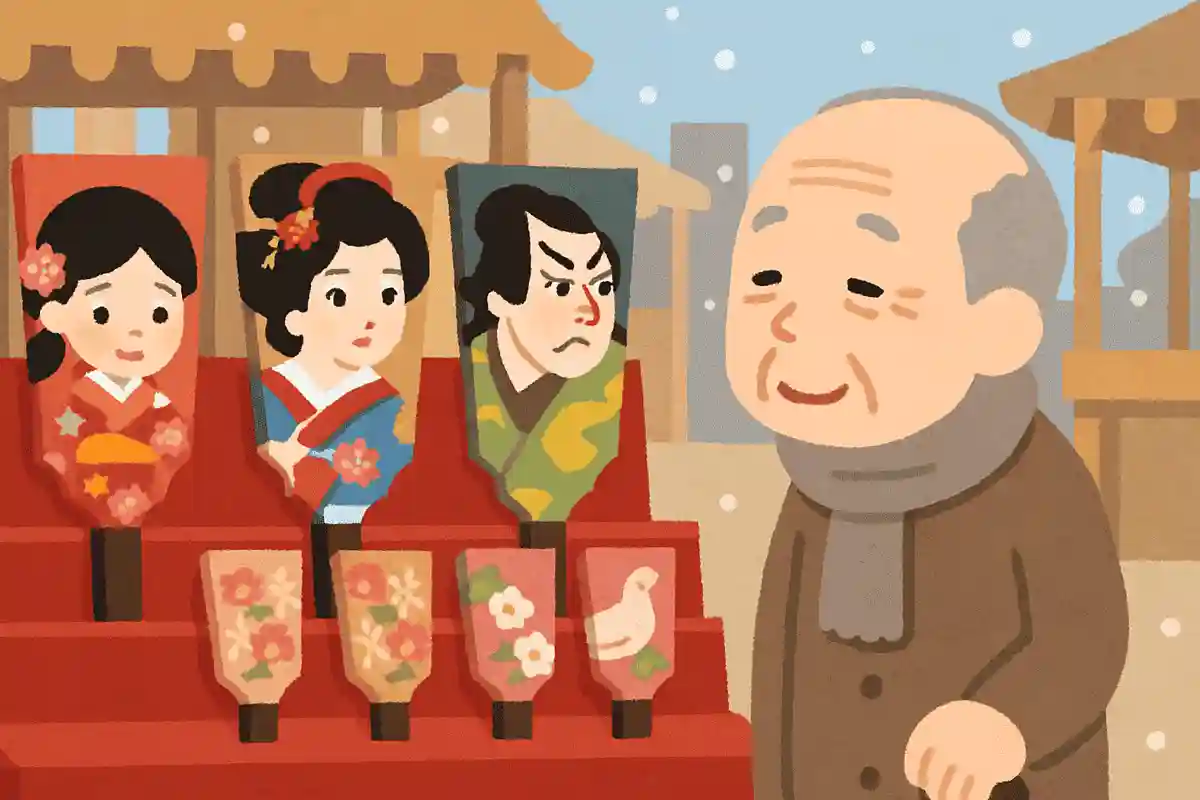
This verse is a haiku by Takahama Kyoshi composed while sensing the seasonal sights from late autumn into early winter, the year-end of December.
The “Hagoita Market” is a fair selling decorative battledores for the New Year, where colorful, ornate paddles are lined up.
Although he finds them “beautiful,” as the phrase “I pass by without buying” suggests, he depicts himself simply picking one up and moving on without purchasing it this time.
Kyoshi seems to imbue the poem with a feeling of quietly savoring the changing season—watching the brightness and festivity yet deliberately not taking part.
It is a gentle, soothing poem that evokes the quiet preparations for year’s end on a December street corner.

Winter butterfly—yet another pool of sun has grown.Kazuo Ogasawara
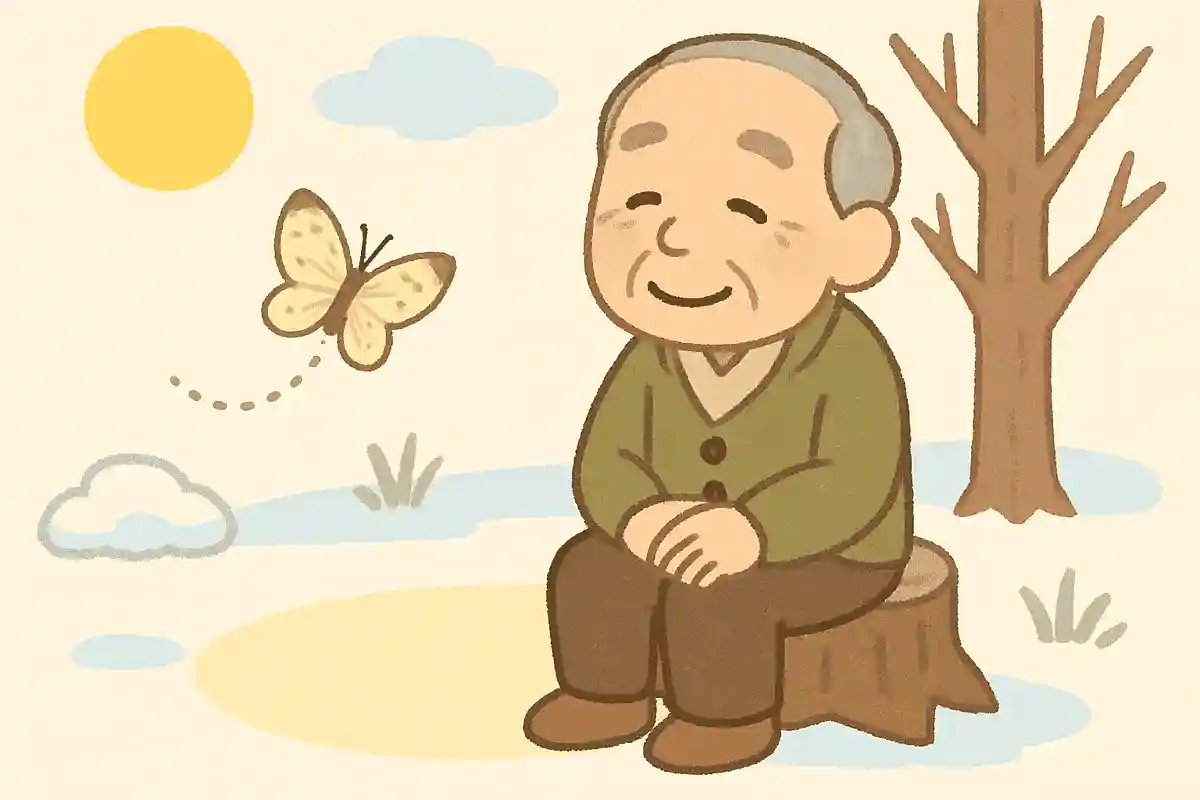
This is a haiku by Kazuo Ogasawara, gently observing winter butterflies gathering in sunlit patches during the cold season.
“Winter butterflies” refers to butterflies that, despite the chill, are drawn to the sunlight, evoking the resilience of life and the presence of small creatures in nature.
As the phrase “adding one more sunlit patch” suggests, the poem tenderly depicts how butterflies gather one by one in warm spots of light.
Ogasawara likely imbued the poem with a feeling of turning one’s heart toward the warmth of life and light amid winter’s cold.
In the gentle sunshine of December, one can sense the small joys of nature.
New Year’s Eve — such is the fate of a world without certainties.Ihara Saikaku
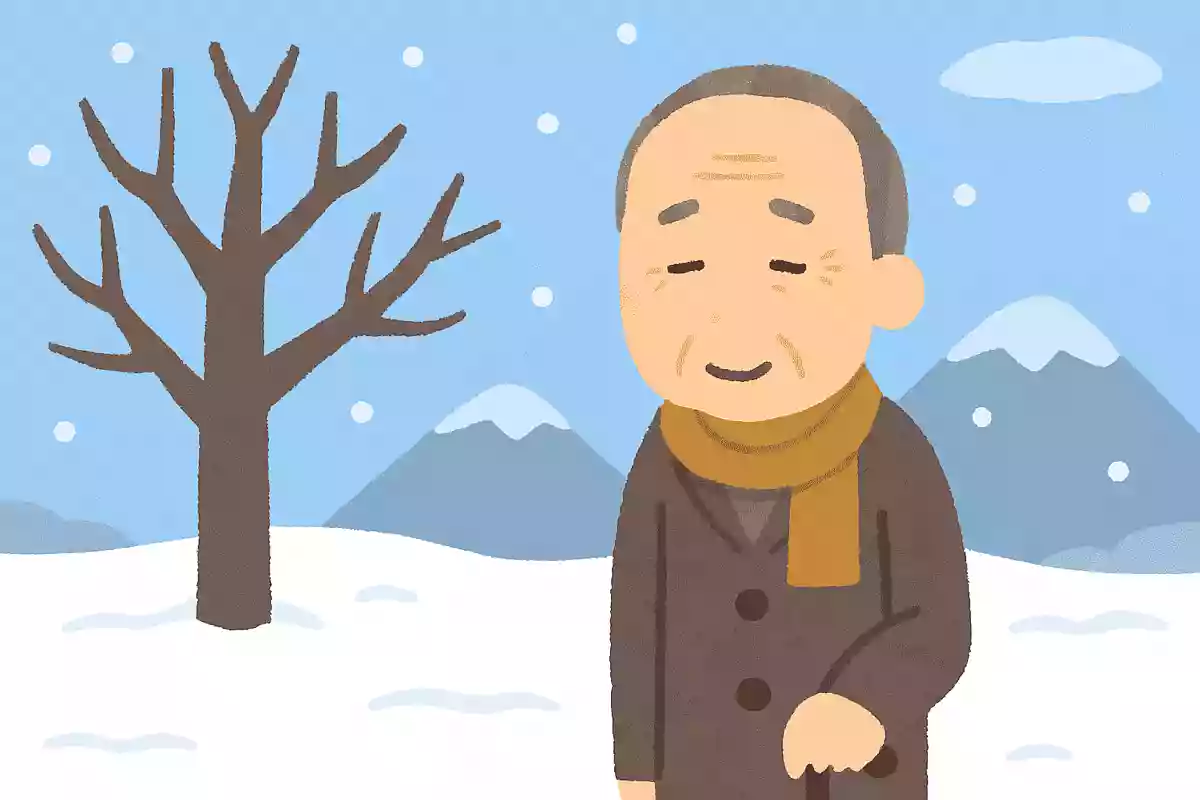
“New Year’s Eve—such is the fate of a world without set order.” In this haiku, Ihara Saikaku, a popular haikai poet of the Edo period, expressed the idea that even though the order we are supposed to uphold in this world has fallen away and each day is full of uncertainty, New Year’s Eve arrives right on time every year.
In our daily lives, there are many things that don’t go as we wish.
Even when the days keep going badly, for better or worse, New Year’s Eve will come.
Let’s face today with a positive spirit and get through it.

[For Seniors] Famous Haiku for December: Celebrated Verses Depicting Winter Scenes and Year’s End, Plus Tips on How to Compose Them (11–20)
Warm, this year’s winter—solstice plum blossoms.Fusei Tomiyasu
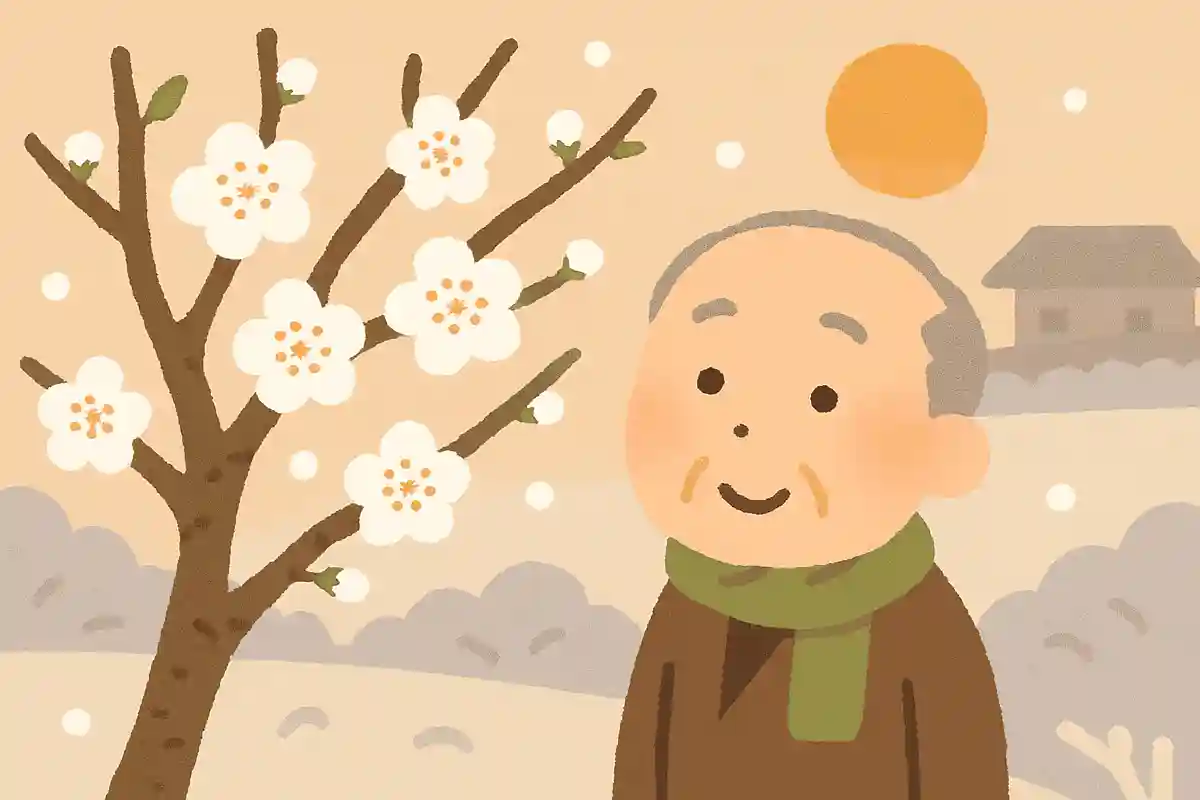
‘Tōjibai’ (winter-solstice plum) is a variety of plum that blooms earlier than any other, beginning around the winter solstice.
For this reason, tōjibai is known as a seasonal word for December.
December is usually the heart of winter, with many cold days, but it must have been warm that year.
The description depicts tōjibai blooming in a winter milder than usual.
In the world of haiku, the plum is used as a seasonal word heralding the arrival of spring, so it conveys Tomiyasu Fūsei’s longing for spring.
December — north of Ueno is quiet.Masaoka Shiki
December is known as shiwasu, the final month of the year.
True to its name, this season carries a certain bustle.
Masaoka Shiki felt it too, and composed the haiku: “December—north of Ueno, all is quiet.” At the time, Shiki lived in Negishi, north of Ueno, and he contrasted the lively clamor of Ueno with the tranquility of his own surroundings.
Confined to his sickbed, he could not join the bustle of Ueno; while quietly accepting his illness, he must also have felt a tinge of loneliness.
It looks delicious—snow drifting down, softly, softly.Kobayashi Issa
When you watch snow drifting down from the sky, it can spark all kinds of imaginings.
The fleeting, delicate nature of snow that soon melts away; or, if you’re a child, the hopeful wish for a big snowfall.
Kobayashi Issa’s haiku, “Umasaōna / yuki ga fūwari / fuwari kana,” also conjures up a vivid image of winter snow.
The haiku means that delicious-looking snow is floating down, softly and lightly.
By describing the snowfall as fūwari fūwari—softly, gently—it evokes an association with cotton candy.
Haiku allows older adults, too, to joyfully express what they feel, so I’d love for them to try composing some as well.

Anyway, leaving it all up to you, the year comes to an end.Kobayashi Issa
Kobayashi Issa, famous as one of the three great haiku poets of the Edo period, composed the haiku “Tomokaku mo anata makase no toshi no kure” at the end of a certain year.
Kobayashi Issa is also known as a devotee born into a Jōdo Shinshū household.
In this haiku, the “anata” (you) refers to Amida Buddha.
It conveys the sentiment: “This year had many hardships, but no matter what the year was like, Amida Buddha unfailingly extends a saving hand.
With peace of mind, let us move forward.”