

![[For Seniors] Famous Haiku for December: Masterpieces Depicting Winter Scenes and Year-End Moments, Plus Tips on How to Compose Them](https://media.ragnet.co.jp/img/1200__png__https://www.ragnet.co.jp/files/2025/11/a899d69759c993561d9a91f208a0f1e8.webp)

December is the season when we feel the year drawing to a close.
There are moments when our hearts are moved by the winter night sky we gaze up at in the cold air, or by the quiet scene of snow falling gently.
This time, we introduce haiku about December composed by renowned poets.
From verses filled with the deep sentiments of New Year’s Eve, to lines that capture the beauty of softly falling snow, to works depicting the moon on a cold night, the expressions that make skillful use of seasonal words are especially appealing.
Haiku offers the joy of freely putting the small discoveries and emotions of everyday life into words.
Why not spend some time enjoying haiku together with older adults while feeling the changing seasons? You’re sure to find hints for expressions that bring the season to life.
- [For Seniors] Winter Haiku: Introducing Beautiful Masterpieces by Famous Haiku Poets
- [For Seniors] Famous Haiku About January: Learn New Year Season Words and Tips for Composing
- For Seniors: Famous Haiku of November — Introducing Verses Depicting Beautiful Autumn Scenery
- [For seniors] Classic winter kigo. Compose a verse with your favorite seasonal word.
- [For Seniors] A Collection of Famous Autumn Haiku: Introducing Beautiful Verses That Evoke Vivid Scenery
- [For Seniors] Haiku for February: A Collection of Famous Verses Depicting the Transition from Winter to Spring
- [For Seniors] Evoking autumn scenes: Introducing beautiful haiku for October
- [For Seniors] Haiku for September: Introducing Verses Perfect for Autumn
- [Elderly] Haiku with the theme of August: Introducing famous verses
- [For Seniors] Introducing Trivia Quizzes and Fun Facts About December
- [For Seniors] Fun Crafts Recommended for December
- [For Seniors] June Haiku Showcase: Ideas to Feel Summer
- [For Seniors] Haiku Selections for July: Ideas to Feel the Summer
[For Seniors] Famous Haiku for December: Classic Verses on Winter Scenes and Year’s End, Plus Tips on How to Compose Them (1–10)
Handmade candleholders and ChristmasHōsaku Shinohara
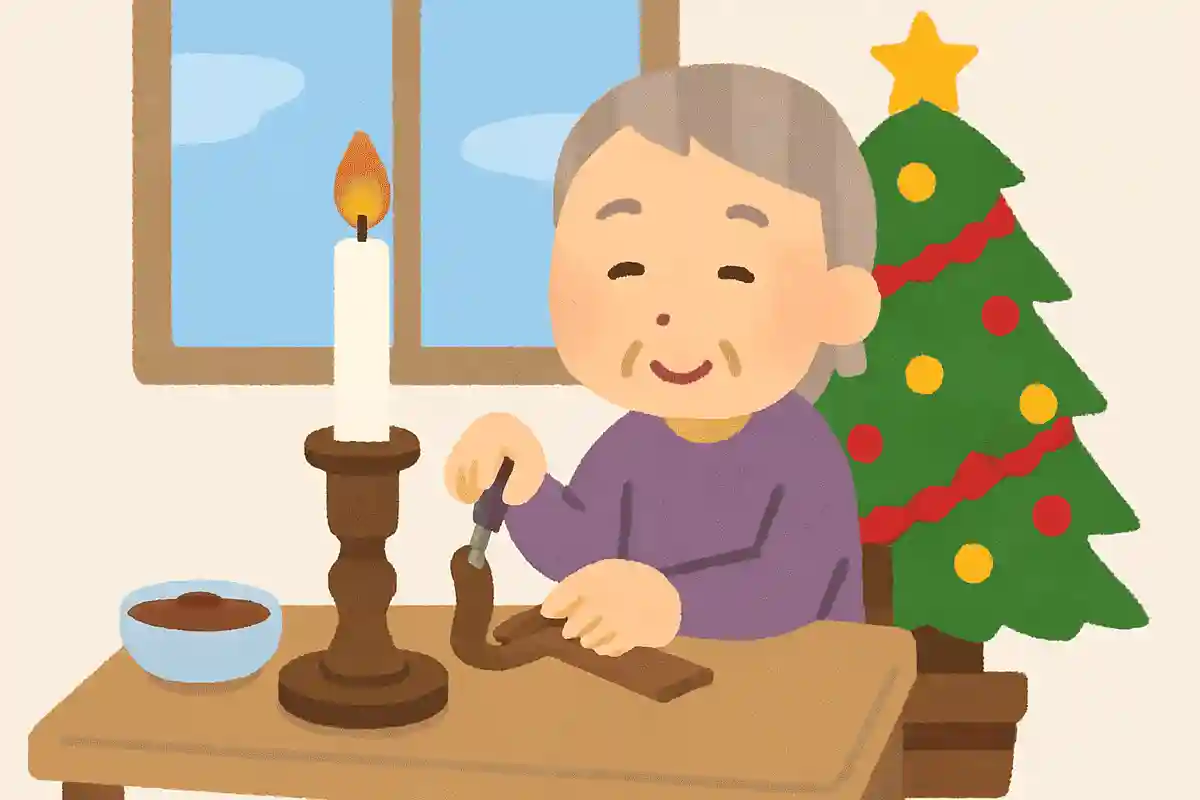
A haiku by Shinohara Hōsaku composed while feeling the preparations for winter in December and the warmth of home.
The “handmade candlestick” refers to a candlestick crafted at home by one’s own hands.
You can sense the heartwarming spirit of preparing for Christmas with ingenuity, made by family or oneself.
From the word “Christmas,” we sense the gentle light of winter nights, hope, and the pleasures that brighten the heart.
Hōsaku may have cherished the small happiness of everyday life and the joy of ingenuity through seasonal events.
It is a verse that evokes the light and warmth inside the home on a cold day in December, leaving us with a gentle feeling.

Eight children, harmoniously together—ChristmasMasaoka Shiki
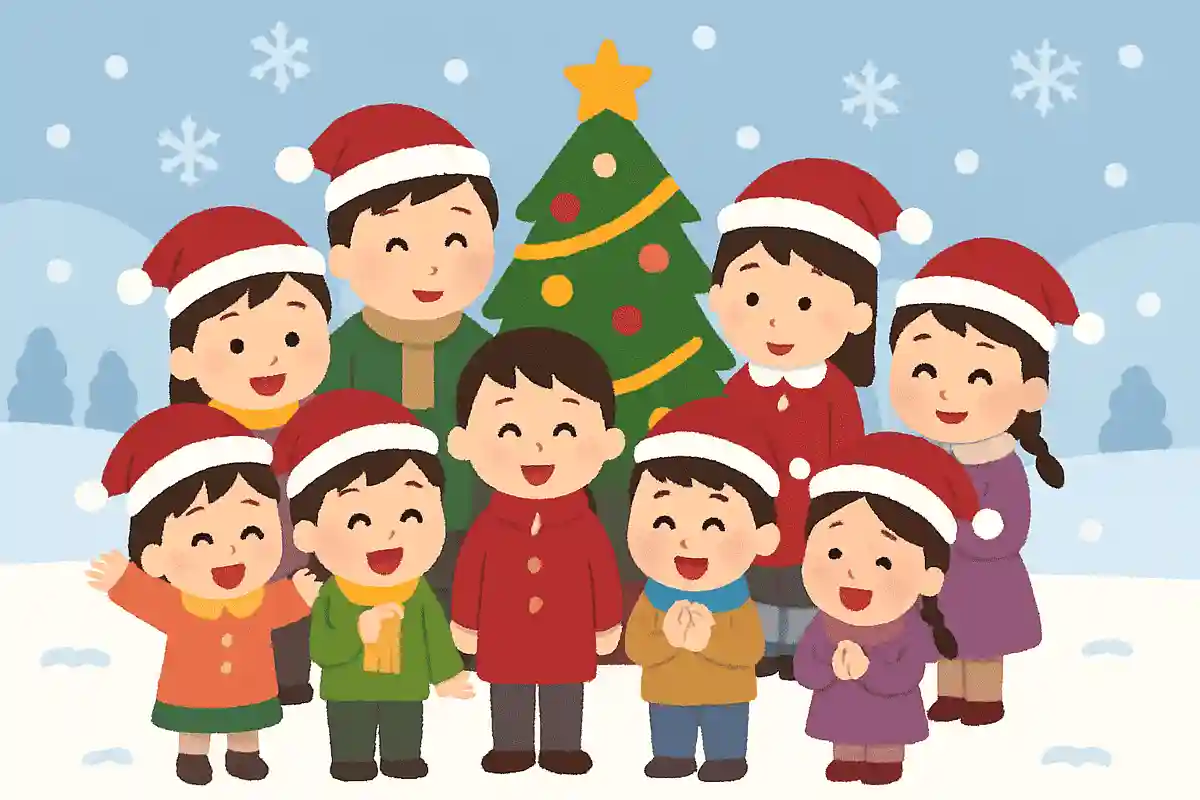
This is a haiku by Masaoka Shiki that captures the bustle of Christmas in December and the warmth of home.
“Hachinin no kodomo mutsumashi” describes many children happily getting along together.
“Mutsumashi” means a harmonious, friendly state, and from the children’s innocence and smiles one can feel the happiness of the family.
The seasonal word “Christmas” highlights the cozy family atmosphere even amid the chill of winter.
Shiki likely imbued the scene of frolicking children and peaceful time with a straightforward, affectionate gaze.
It evokes a December household filled with smiles and kindness.
Soaking my fivefold body in a yuzu bath—the hinges creak like a butterfly’sKawasaki Tenhiro
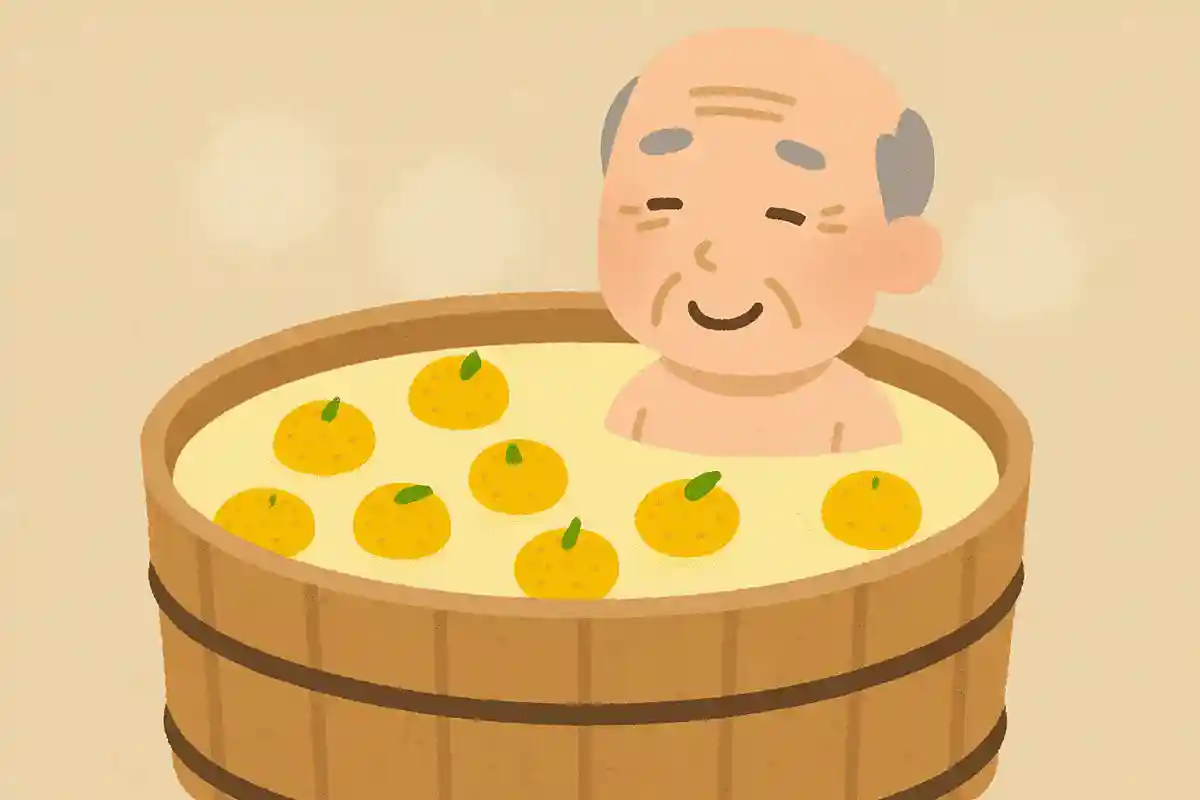
This is a haiku by Kawasaki Tenko that humorously depicts a warm family scene around the winter solstice in December.
“Yuzu bath” refers to the tradition of taking a bath with floating yuzu citrus on the solstice, warming the body and wishing for good health.
“The hinges of the five limbs” likens the body’s joints to door hinges, playfully expressing the act of carefully warming each part of oneself.
Even amid the cold of winter, Kawasaki seems to cherish the warmth of home and the small pleasures of everyday life.
On a chilly December day, the fragrance and warmth of yuzu bring comfort to body and heart—an affectionate, gently humorous verse.
Poinsettias— from every window, the harbor lights.Mariko Koga
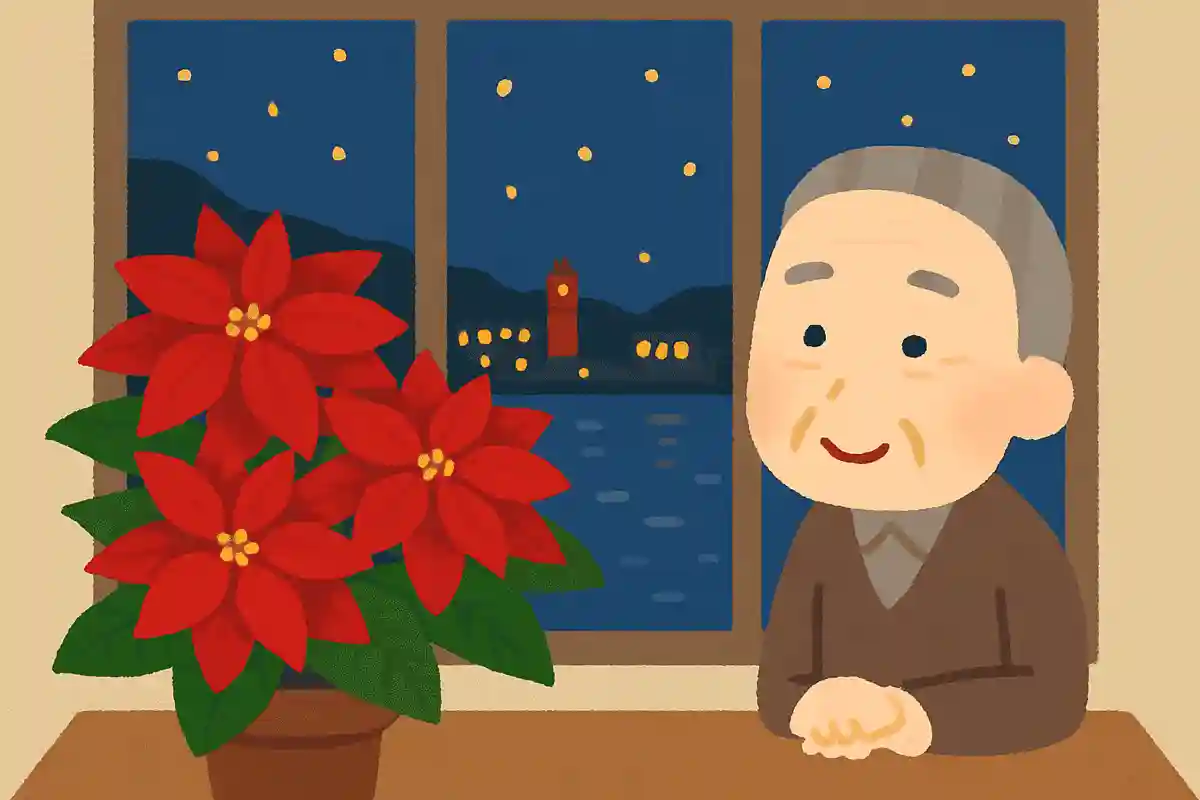
This is a haiku by Mariko Koga, composed while envisioning the quiet scenes of a town and harbor in December.
The poinsettia is a red flower that evokes the arrival of winter, adding color to the town’s windowsills.
As the phrase “from every window” suggests, together with the harbor lights visible from homes and shop fronts, the entire town seems wrapped in a gentle glow.
Even amid the winter cold, Koga likely felt soothed by the warm lights and the colors of the flowers, sensing the warmth of people’s daily lives.
It is a calm, heartwarming verse that lets you gently savor the harbor’s stillness and the town’s warmth on a December night.
Even as I pause to tie my skate laces, the trend is already taking off.Seishi Yamaguchi
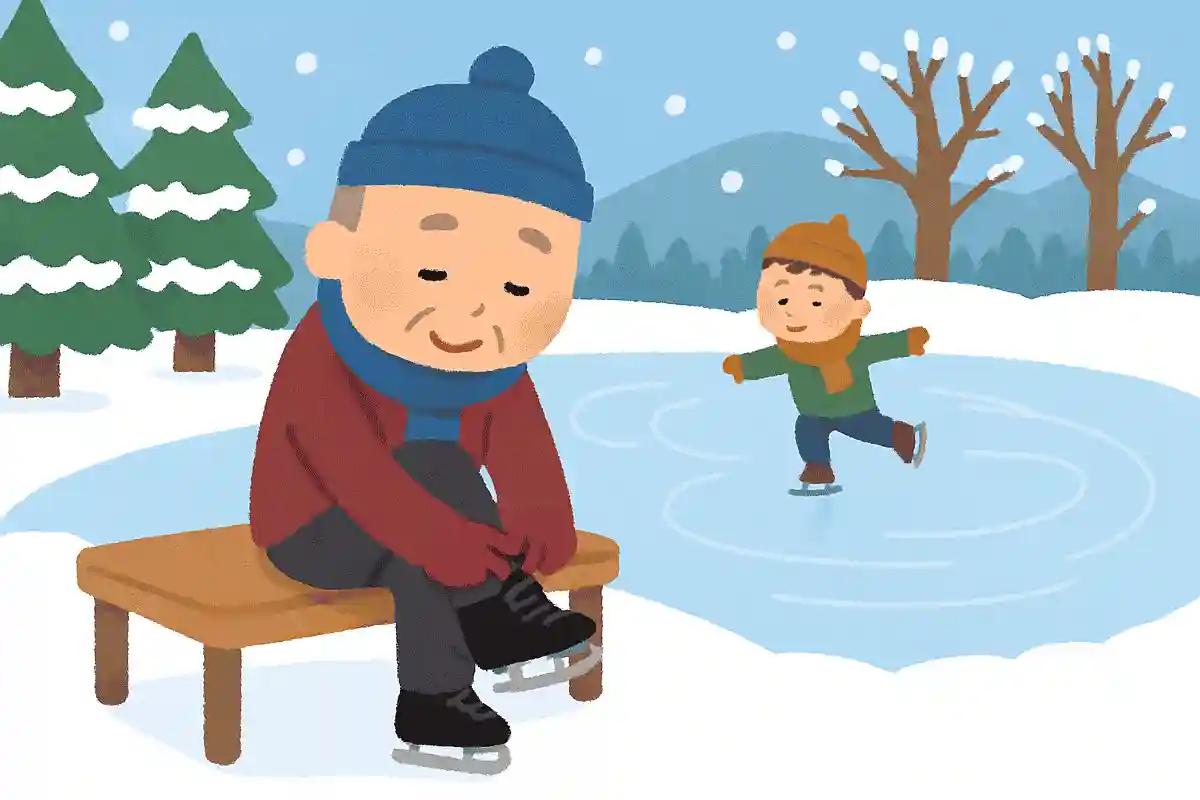
This is a haiku by Seishi Yamaguchi that captures the excited anticipation of winter pleasures amid the chill from late autumn to early winter.
“Sukēto no himo musubu ma” refers to the moment spent tying the laces of one’s skates to get ready.
It’s a brief pause before actually starting to skate, yet even in that short time you can feel the heart lifting with excitement.
“Hayari tsutsu” expresses how expectation and thrill quicken to the point of restlessness.
Seishi naturally and candidly portrays the joy and delight spreading in a child’s—or his own—heart with the arrival of winter.
Even on a cold day in December, you can feel the pleasure of moving your body and the happiness the season brings.
Clams—may there be reason to live—year’s end.Matsuo Bashō
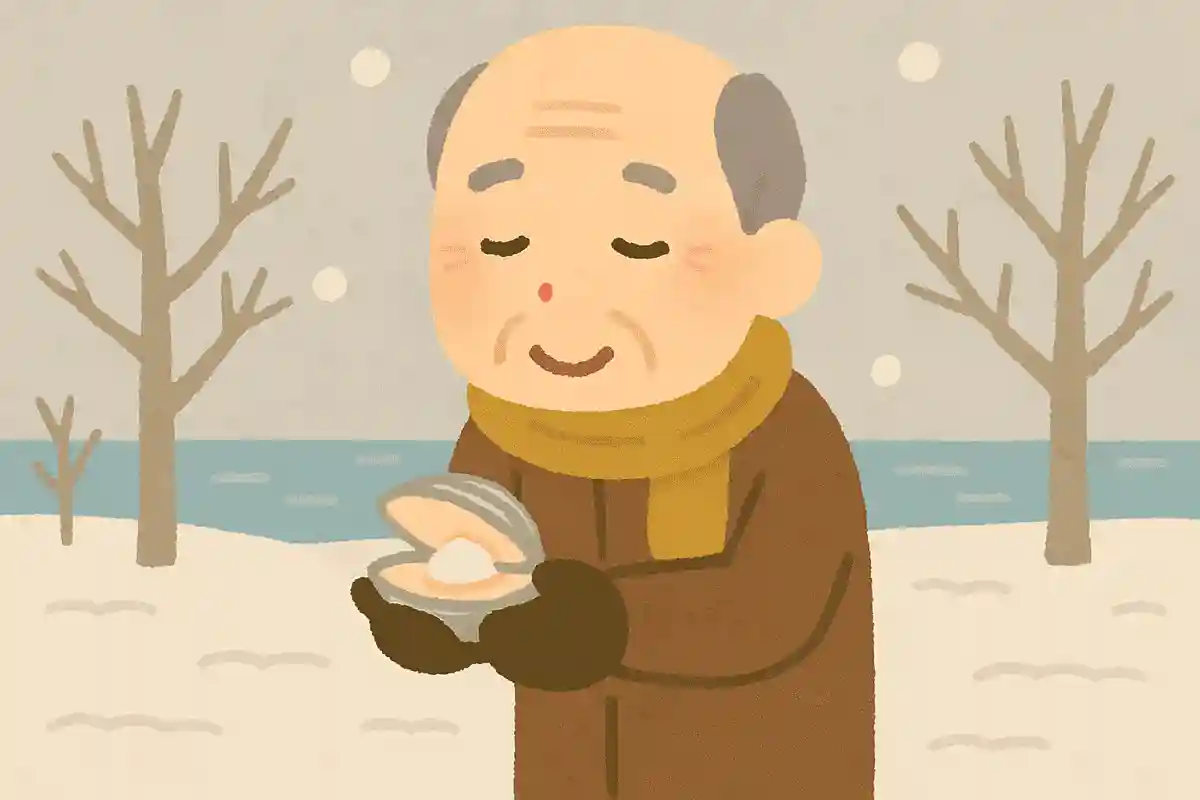
This is a haiku by Matsuo Bashō that quietly captures the scene from late autumn into early winter, at the year’s end.
The phrase “hamaguri no ikeru kai are” conveys the joy of fully appreciating the taste and value of clams—taking the time and care to savor them.
Adding clams to the table at year’s end is a small pleasure that lets one feel the turn of the seasons and enrich everyday life.
Through this verse, Bashō expresses the delight of partaking in nature’s bounty at the close of the year and the mindset of noticing the small happinesses of daily life.
You can feel the quiet approach of winter and the calm mood of seeing the year out.
Snow and snow—could it be the full moon of the last month tonight?Matsuo Bashō
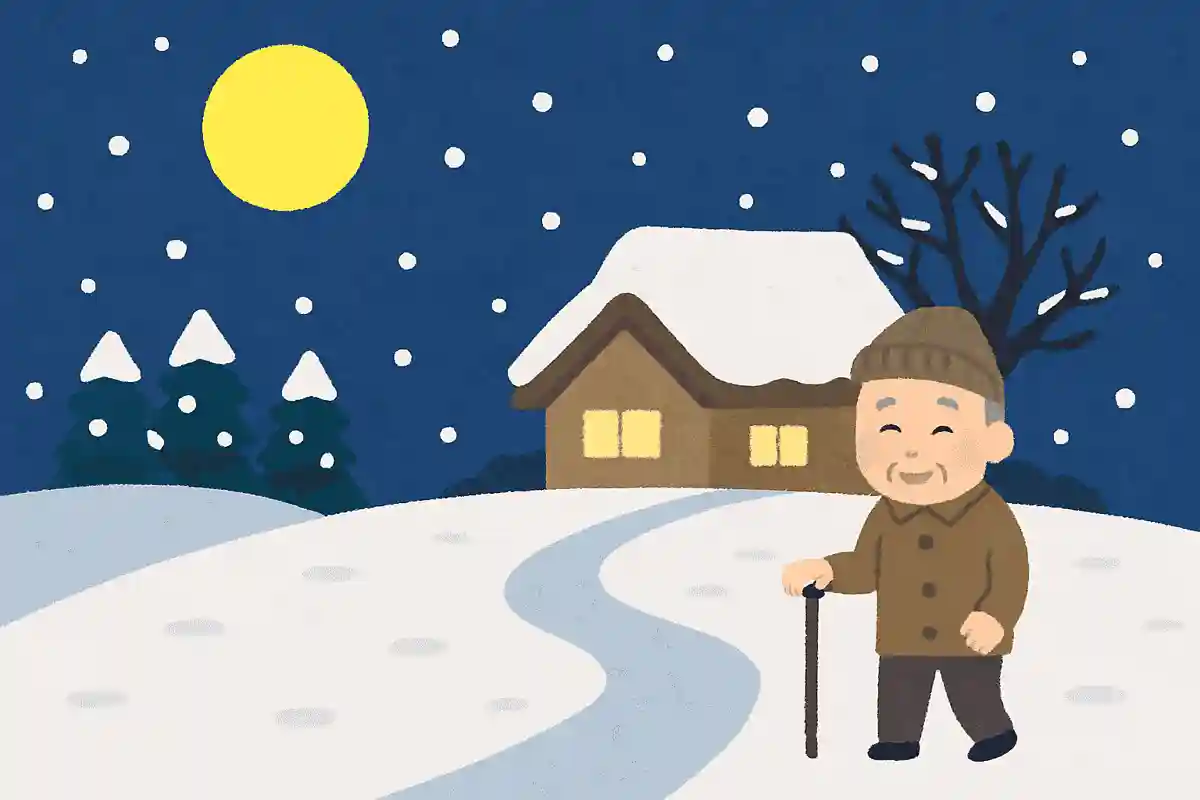
This is a haiku by Matsuo Basho, composed while gazing at the year-end (Shiwasu) night sky.
The phrase “yuki to yuki” (“snow and snow”) is thought to evoke both the falling, piling snow and the overlapping reflections of light and scenery upon the snow.
As the line “Is it the full moon of Shiwasu tonight?” suggests, even in the busy season of December, a serene and beautiful full moon shines in the night sky, creating a dreamlike scene together with the snowy landscape.
Through this verse, Basho conveys the sensibility of pausing to notice nature’s beauty and stillness amid the year-end bustle.
Reading it in early December lets you savor the arrival of winter and the quiet joy of a moonlit night.