

[For Seniors] Famous Haiku for December: Masterpieces Depicting Winter Scenes and Year-End Moments, Plus Tips on How to Compose Them

December is the season when we feel the year drawing to a close.
There are moments when our hearts are moved by the winter night sky we gaze up at in the cold air, or by the quiet scene of snow falling gently.
This time, we introduce haiku about December composed by renowned poets.
From verses filled with the deep sentiments of New Year’s Eve, to lines that capture the beauty of softly falling snow, to works depicting the moon on a cold night, the expressions that make skillful use of seasonal words are especially appealing.
Haiku offers the joy of freely putting the small discoveries and emotions of everyday life into words.
Why not spend some time enjoying haiku together with older adults while feeling the changing seasons? You’re sure to find hints for expressions that bring the season to life.
- [For Seniors] Winter Haiku: Introducing Beautiful Masterpieces by Famous Haiku Poets
- [For Seniors] Famous Haiku About January: Learn New Year Season Words and Tips for Composing
- For Seniors: Famous Haiku of November — Introducing Verses Depicting Beautiful Autumn Scenery
- [For seniors] Classic winter kigo. Compose a verse with your favorite seasonal word.
- [For Seniors] A Collection of Famous Autumn Haiku: Introducing Beautiful Verses That Evoke Vivid Scenery
- [For Seniors] Haiku for February: A Collection of Famous Verses Depicting the Transition from Winter to Spring
- [For Seniors] Evoking autumn scenes: Introducing beautiful haiku for October
- [For Seniors] Haiku for September: Introducing Verses Perfect for Autumn
- [Elderly] Haiku with the theme of August: Introducing famous verses
- [For Seniors] Introducing Trivia Quizzes and Fun Facts About December
- [For Seniors] Fun Crafts Recommended for December
- [For Seniors] June Haiku Showcase: Ideas to Feel Summer
- [For Seniors] Haiku Selections for July: Ideas to Feel the Summer
[For Seniors] Famous Haiku for December: Celebrated Verses Depicting Winter Scenes and Year’s End, Plus Tips on How to Compose Them (11–20)
Cold moon—at the gateless temple the sky soars high.Yosa Buson
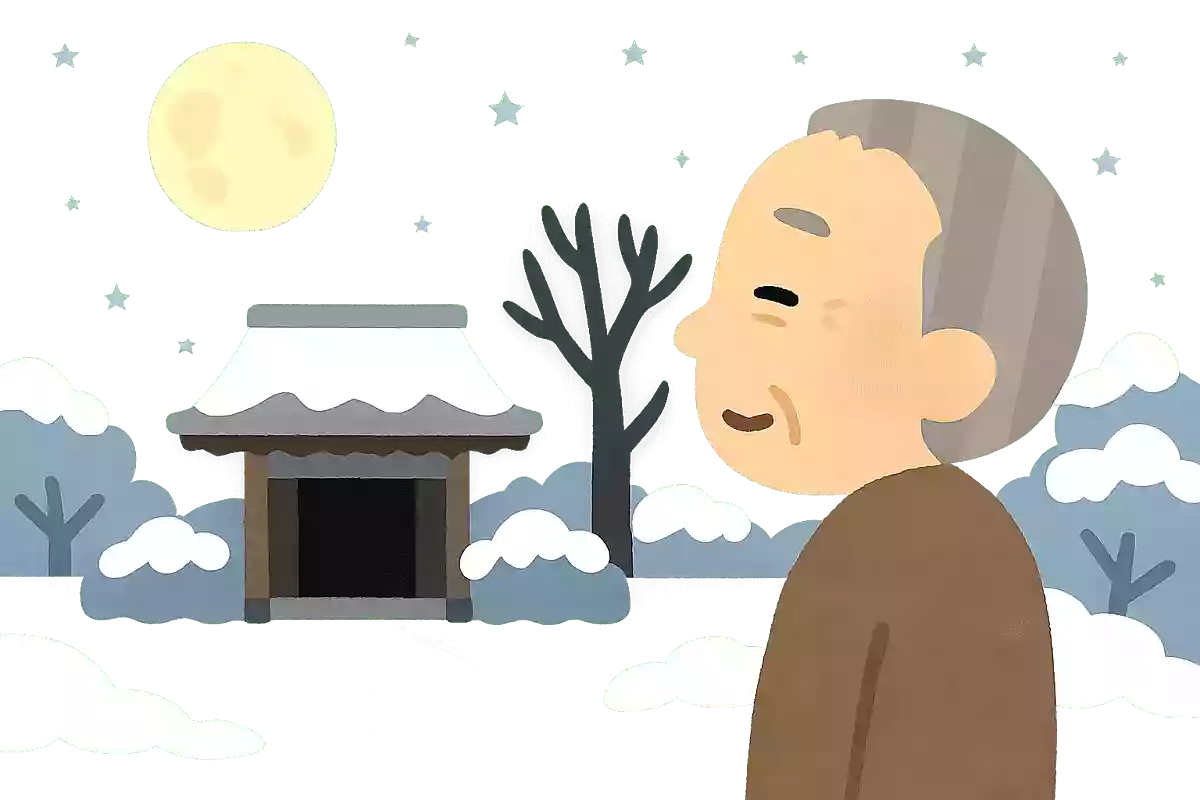
Yosa Buson was a haiku poet active in the Edo period.
Yosa Buson, Matsuo Bashō, and Kobayashi Issa are said to be the three most renowned haikai poets of the Edo era.
If you’re working with older adults who enjoy haiku, some may be familiar with Yosa Buson.
“Kangetsu ya / mon naki tera no / ten takashi” is a verse by Buson, who was also a painter; it feels like a painting or a sketch from life.
Its meaning is that on a cold night, high above the clear sky of a temple that has not even a small gate, the moon shines with piercing clarity.
When we simply say “moon,” it may evoke a gentle autumn atmosphere.
By saying “cold moon,” it conveys a moon that casts a keen light in the chilly night sky.
Try using seasonal words skillfully and let the sense of the seasons guide you as you compose haiku with older adults.

In conclusion
Through haiku brimming with the spirit of December, perhaps you could feel the depth of language and the richness of its imagery. By using winter-specific season words—such as the cold moon, snow, and year’s end—even familiar scenes take on a fresh brilliance. Enjoy haiku together with older adults and try putting into words the moments that linger in your heart in everyday life. Those gentle times that let you sense the turn of the seasons will surely warm the heart.