

[For Seniors] How many can you read? A comprehensive showcase of difficult food kanji


Quizzes for guessing the readings of difficult kanji are a classic recreational activity at day service centers and other senior facilities.
Food-related quizzes are a topic that people of all ages find engaging.
This time, we’ll introduce some difficult kanji for foods.
Recalling how to read them and thinking of associations from foods provide excellent stimulation for the brain.
Even for foods you eat all the time, you might find some whose kanji readings you don’t know.
Be sure to make use of these and have fun!
- [For Seniors] Challenging but Exciting! Kanji Quiz
- [For Seniors] Fun and Exciting! Difficult Kanji Quiz
- [For Seniors] Fun Food Trivia Quizzes You'll Want to Share
- A Food Quiz for Seniors to Make Eating More Enjoyable
- Recommended for seniors’ brain training! Kanji quiz workbook of fish names
- [For Seniors] Difficult Country Names Kanji Quiz
- [For Seniors] Perfect for Dementia Prevention! Jumbled Kanji Quiz
- [For Seniors] Quiz on Kanji with Many Strokes
- [For Seniors] Have Fun with Wordplay Characters! A Collection of Funny Puzzles
- [Brain Training] Lively Word Quiz for Seniors
- [For Seniors] Kanji Decomposition Quiz: Assemble the scattered characters
- [For Seniors] Fun and Informative! Health Trivia Quiz
- [For Seniors] Fun Brain Training! A Collection of Tricky Quizzes You’ll Definitely Get Stumped By
[For Seniors] How many can you read? A comprehensive introduction to difficult food kanji (1–10)
Surume (dried squid)
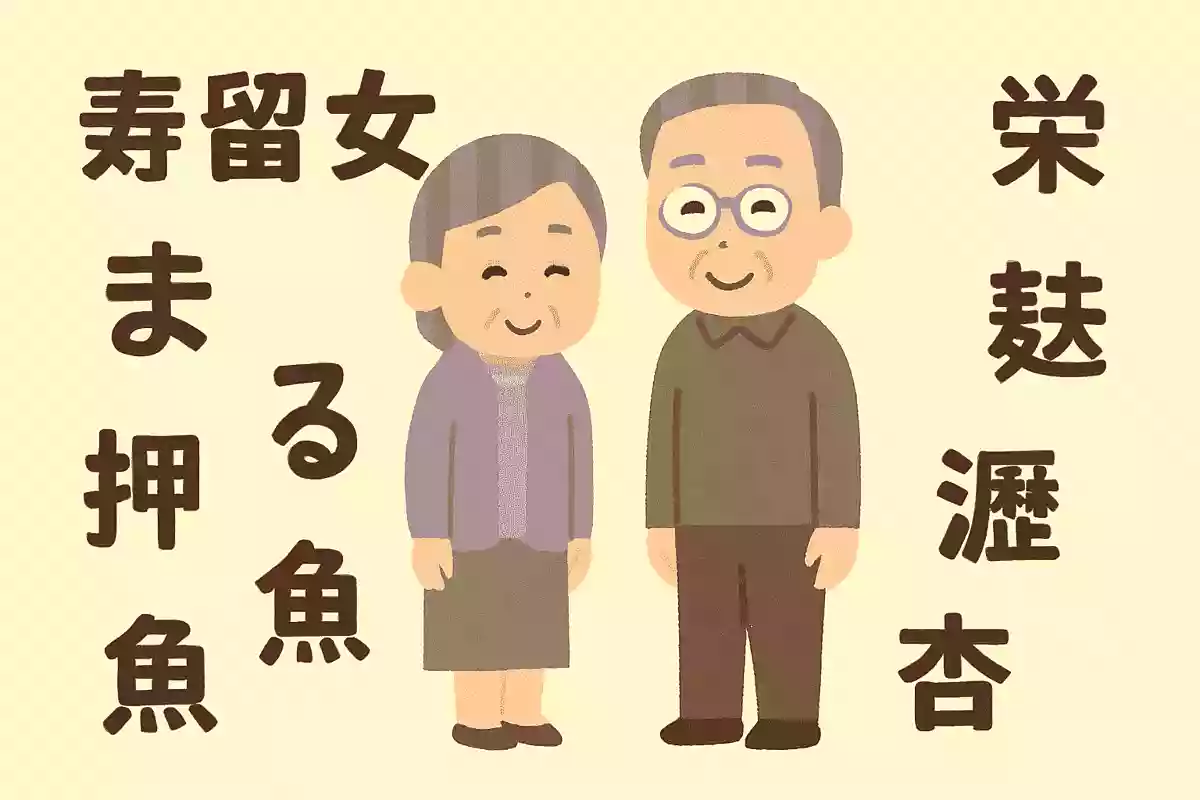
Surume (dried squid), long cherished in Japan, is known for its unique chewiness and the umami that deepens the more you chew.
It’s high in protein and low in calories, making it suitable for people on a diet and as a snack for children.
Interestingly, surume is written in kanji as “寿留女.” The origin is said to derive from surume’s longevity as a preserved food, carrying wishes such as “may the bride remain long in her new home” and “may there be no shortage of food.” Combining “寿” (longevity) with “留” (to stay/retain) results in “寿留女” (surume).
Realizing that even the surume we casually eat has such a history is quite moving.
garlic

“Garlic” is a vegetable that many people eat as a health food.
It is characterized by a strong antibacterial effect and a distinctive smell.
It contains a compound called allicin, which has antioxidant properties, making it suitable for preventing colds and lifestyle-related diseases.
The reading of 大蒜 is “ninniku” (garlic)! It’s often used as a condiment and is also great for seasoning dishes.
While garlic is known as a health food, it can have a blood-thinning effect, so people who are taking medication should be careful not to eat too much.

grated yam (tororo)

Grated yam “tororo” is beloved for its distinctive stickiness and melt-in-your-mouth texture, and it’s used in a wide range of dishes—served over rice or soba, or mixed into dressed salads.
Tororo is written in kanji as “薯蕷.”
As the name suggests, it comes from the onomatopoeic idea of being “toro-toro” (smooth and gooey).
As for the origin of the kanji, there’s a theory that in ancient China, nagaimo (Chinese yam) was called “薯蕷” (shòuyù), and that term was adopted as is.
It’s a rather unfamiliar and difficult kanji, but being able to read it smoothly is pretty cool! Keep it tucked away in a corner of your memory.
[For Seniors] How many can you read? A comprehensive look at difficult food kanji (11–20)
hijiki (brown seaweed)
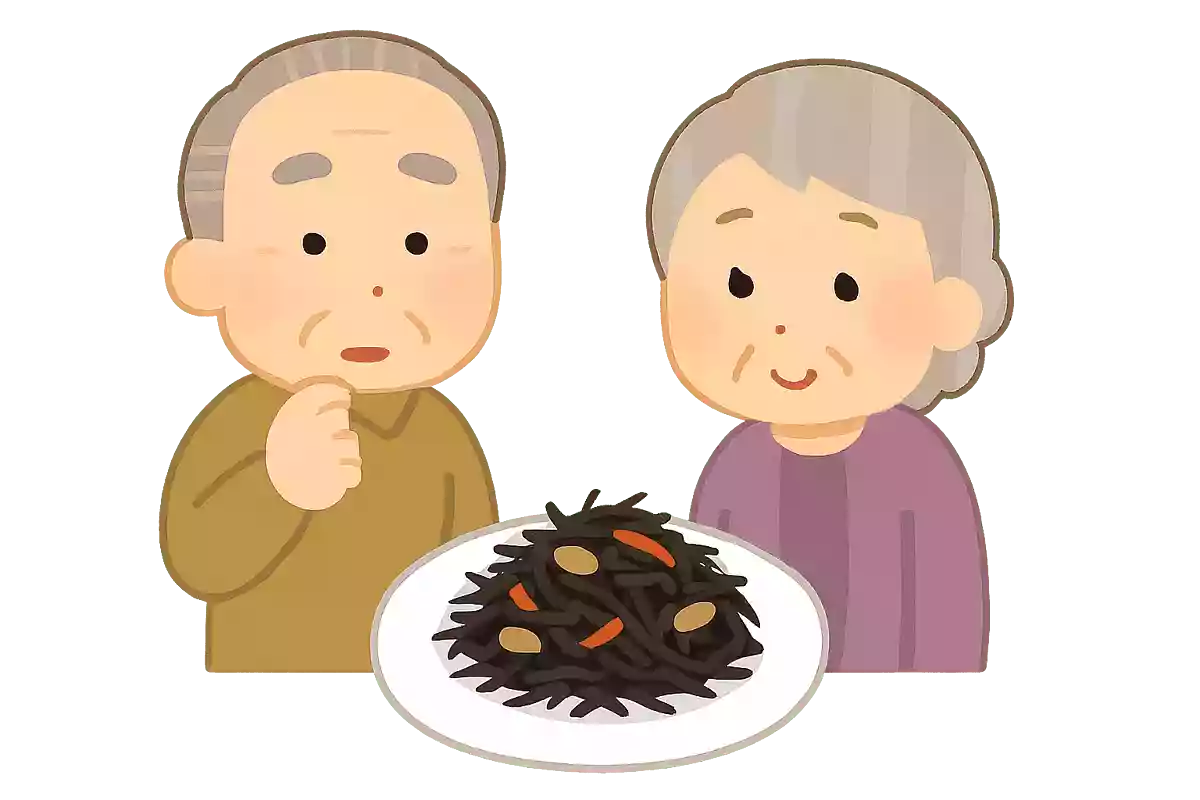
It’s written as “鹿尾菜” and read as “hijiki.” Simmered dishes are the classic way to serve it as a side for rice.
Along with kombu and wakame, hijiki is a seaweed that has been eaten since ancient times—people in Japan are said to have eaten it as far back as the Jomon and Yayoi periods.
「鹿尾菜」という文字の起源について最も説得力のある説は、その見た目が鹿の短く黒い尾に似ているというものです。
When you think of hijiki, simmered dishes and takikomi gohan come to mind, but if you go to a convenience store or supermarket, you’ll also find it in salads and tofu shiraae.
Shishamo (smelt)
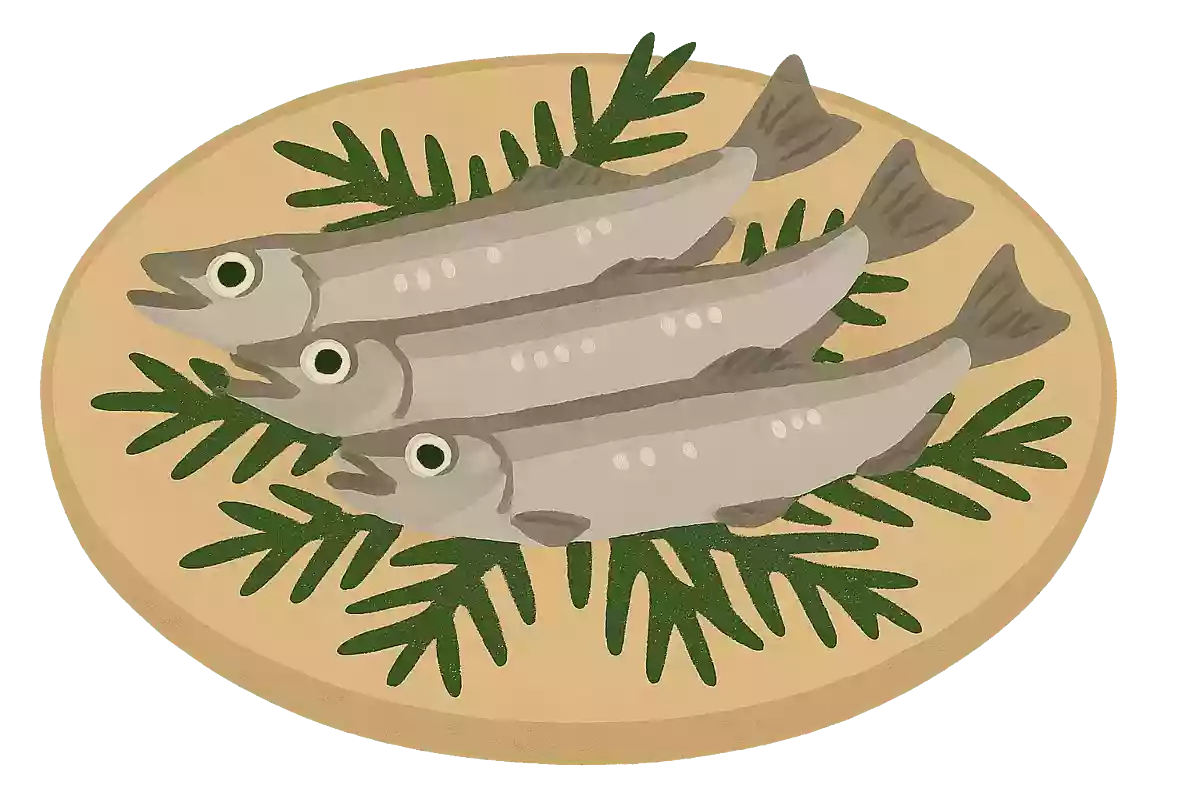
Shishamo is delicious just grilled on its own.
Not only is it tasty, but you can eat it whole from head to tail, and it’s packed with nutrients like calcium and protein, making it a very well-balanced fish.
Shishamo is written in kanji as “柳葉魚.” It was given this name because its shape resembles a willow leaf.
Shishamo is an endemic Japanese fish caught only along the Pacific coast of Hokkaido, and the Ainu word for willow leaf is “susu-ham,” which gradually became “shishamo.” It’s surprising to learn that the shishamo we casually eat carries such culture and history.
There are many legends passed down by the Ainu people, so if you’re interested, be sure to dig deeper.
Kimchi (Shimchae/Jimchae)
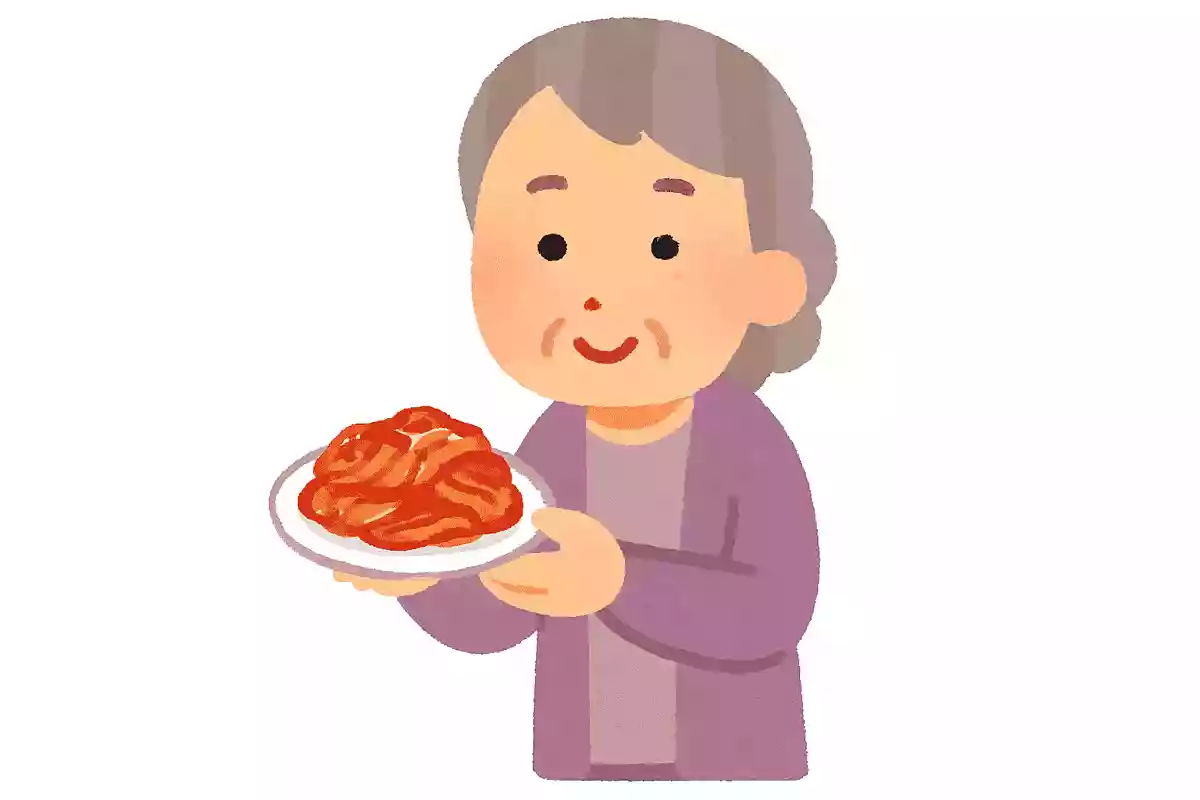
“沈菜” is read as kimchi.
The character 沈 (chin) means “to pickle,” and 菜 (sai) means “vegetable.” Together, it conveys the idea of a side dish whose flavors develop over time and pairs well with rice.
Kimchi, which can be used in many dishes, is very popular.
It’s said that kimchi originated as a preserved vegetable made in preparation for winters when fresh produce was scarce.
Because its flavor deepens as it sits after pickling, kimchi is perfect as a preserved food.
Kimchi is popular worldwide, and learning how it’s written and read in Chinese characters can also be good exercise for the brain.

corn (maize)

Tamusyokusho is read as “tōmorokoshi” (corn).
It’s said that the character 玉 (tama, “jewel”) was used because corn kernels are round, glossy, and sparkle.
The characters 蜀黍 were chosen because the plant came via China (Shu) and its shape resembles millet (kibi).
Corn, often seen at summer festival stalls, is also a summertime staple.
There are many varieties, so doing a taste comparison of different kinds of corn could be fun.
It’s a good brain teaser too, so give it a try!