

[For Seniors] How many can you read? A comprehensive showcase of difficult food kanji


Quizzes for guessing the readings of difficult kanji are a classic recreational activity at day service centers and other senior facilities.
Food-related quizzes are a topic that people of all ages find engaging.
This time, we’ll introduce some difficult kanji for foods.
Recalling how to read them and thinking of associations from foods provide excellent stimulation for the brain.
Even for foods you eat all the time, you might find some whose kanji readings you don’t know.
Be sure to make use of these and have fun!
- [For Seniors] Challenging but Exciting! Kanji Quiz
- [For Seniors] Fun and Exciting! Difficult Kanji Quiz
- [For Seniors] Fun Food Trivia Quizzes You'll Want to Share
- A Food Quiz for Seniors to Make Eating More Enjoyable
- Recommended for seniors’ brain training! Kanji quiz workbook of fish names
- [For Seniors] Difficult Country Names Kanji Quiz
- [For Seniors] Perfect for Dementia Prevention! Jumbled Kanji Quiz
- [For Seniors] Quiz on Kanji with Many Strokes
- [For Seniors] Have Fun with Wordplay Characters! A Collection of Funny Puzzles
- [Brain Training] Lively Word Quiz for Seniors
- [For Seniors] Kanji Decomposition Quiz: Assemble the scattered characters
- [For Seniors] Fun and Informative! Health Trivia Quiz
- [For Seniors] Fun Brain Training! A Collection of Tricky Quizzes You’ll Definitely Get Stumped By
[For Seniors] How many can you read? A roundup of difficult food-related kanji (21–30)
pufferfish

Let me introduce you to fugu, known as a high-end fish! It’s said that 80% of the fugu landed in Japan comes from Shimonoseki in Yamaguchi Prefecture.
It’s delicious both as sashimi and in hot pot.
The correct reading of the name of this poisonous fish is “fugu.” Fugu is rich in taurine, a type of amino acid that helps with recovery from fatigue.
It’s also high in collagen around the bones, which is good for skin health.
It’s a dish we’d love older adults who want to stay energetic and youthful to try!

Watermelon

Some of you may have seen the kanji “西瓜.” The characteristics of a watermelon are its large, round shape and bright red flesh.
The flesh is sweet and juicy, and it’s loved as a symbol of summer.
The correct name for this food is “suika” (watermelon)! Watermelon is rich in potassium, which helps reduce swelling and can be effective in preventing high blood pressure.
The seeds are small but numerous, so please be careful to prevent older adults from accidentally swallowing them and choking.
Fish ball (tsumire)
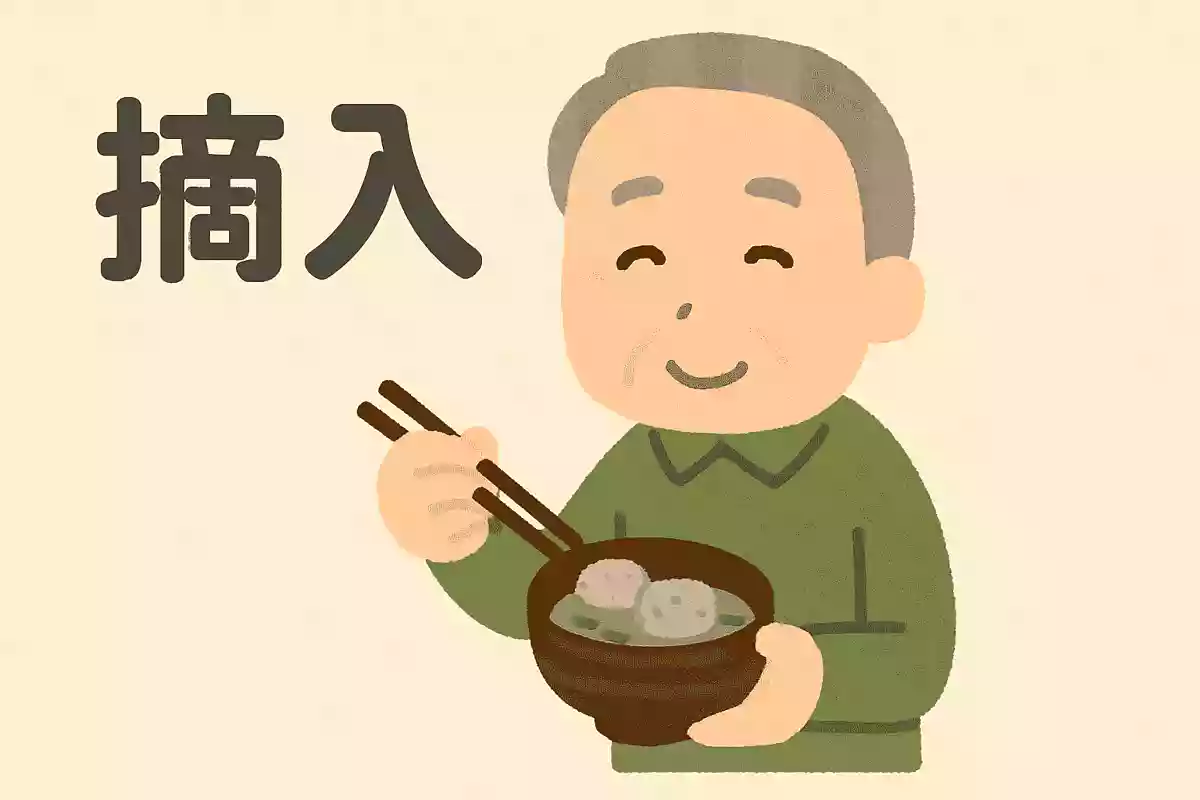
Tsukune-style fish or minced meat balls—made by kneading the mixture and often used in hot pots—are so delicious, aren’t they? Did you know the kanji for “tsumire”? It’s said to be written as 摘入, because you pinch off small portions and drop them into the broth.
While the hiragana form is more commonly used, seeing it in kanji makes you think, “Ah, that makes sense.” As an aside, “tsukune” is said to come from the verb “to knead” (捏ねる).
It’s very Japanese-cuisine-like that both names come from the cooking method rather than the ingredients.

pineapple
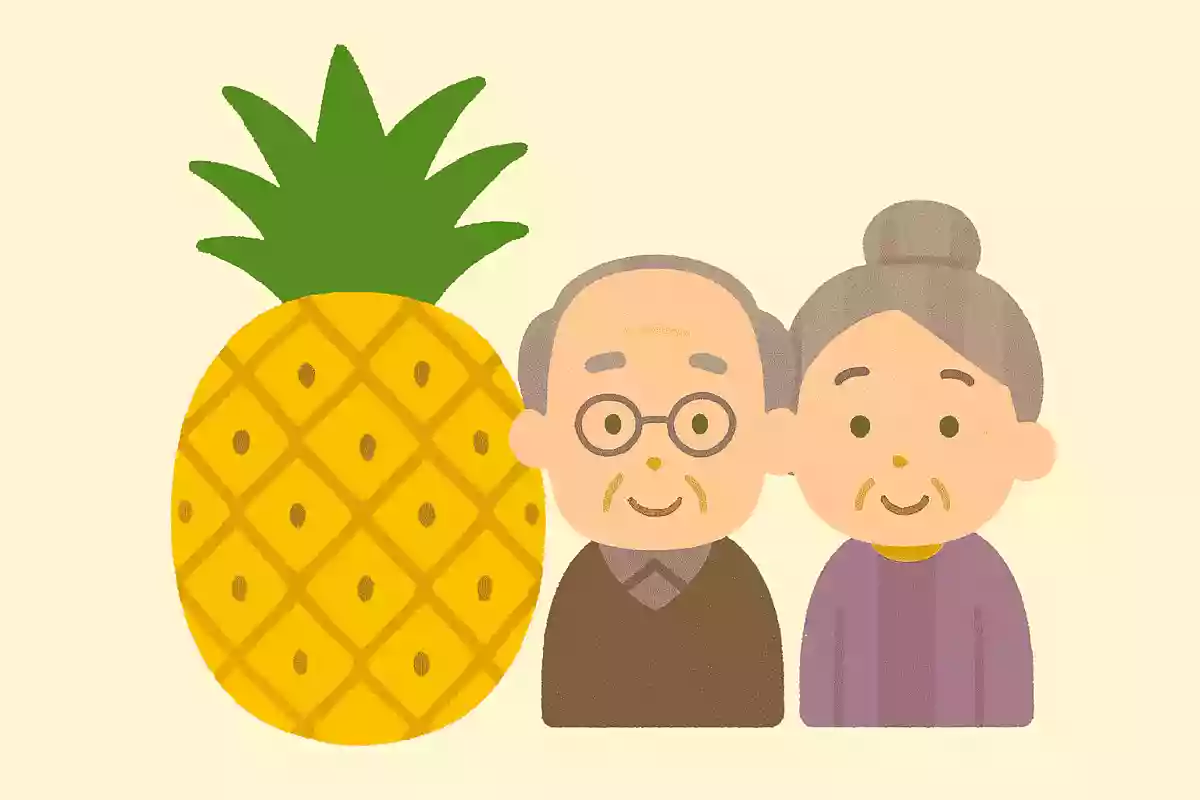
“Hōri” is the name of a fruit widely cultivated in tropical regions, known for its yellow flesh and sweet-and-tart flavor.
Eating it as-is is a simple and delicious way to enjoy it.
It’s also used as an ingredient in various processed foods like juices and jellies.
The correct reading is “pineapple”! Pineapples are rich in nutrients such as vitamin C, vitamin B6, and potassium.
They may help prevent colds and are effective for reducing swelling and preventing high blood pressure.
They’re also an ideal dessert for older adults!
Sukiyaki (beef hot pot)
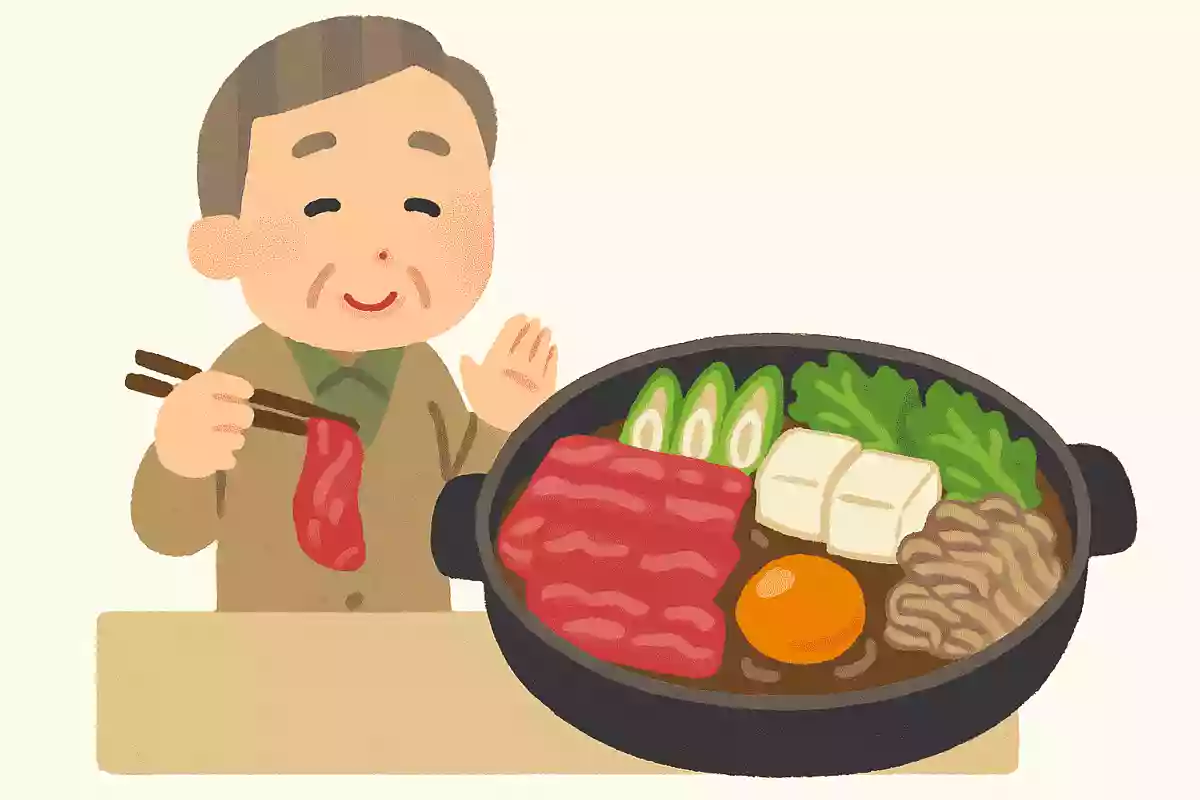
Let me introduce “sukiyaki,” a dish that’s especially delicious in the cold winter.
It’s now served in households all over Japan, but it’s said to have originated in Kyoto.
The name supposedly comes from using a farm tool called a “suki” (plow) in place of an iron griddle to grill meat and vegetables.
The correct reading of 鋤焼 is “sukiyaki”! The Kansai-style sukiyaki first served in Kyoto has now become popular overseas as well.
Beef infused with soy sauce and sugar can even give a boost of energy to older adults.
Since it’s quite oily, be careful not to overeat!
cherry (sakurambo)
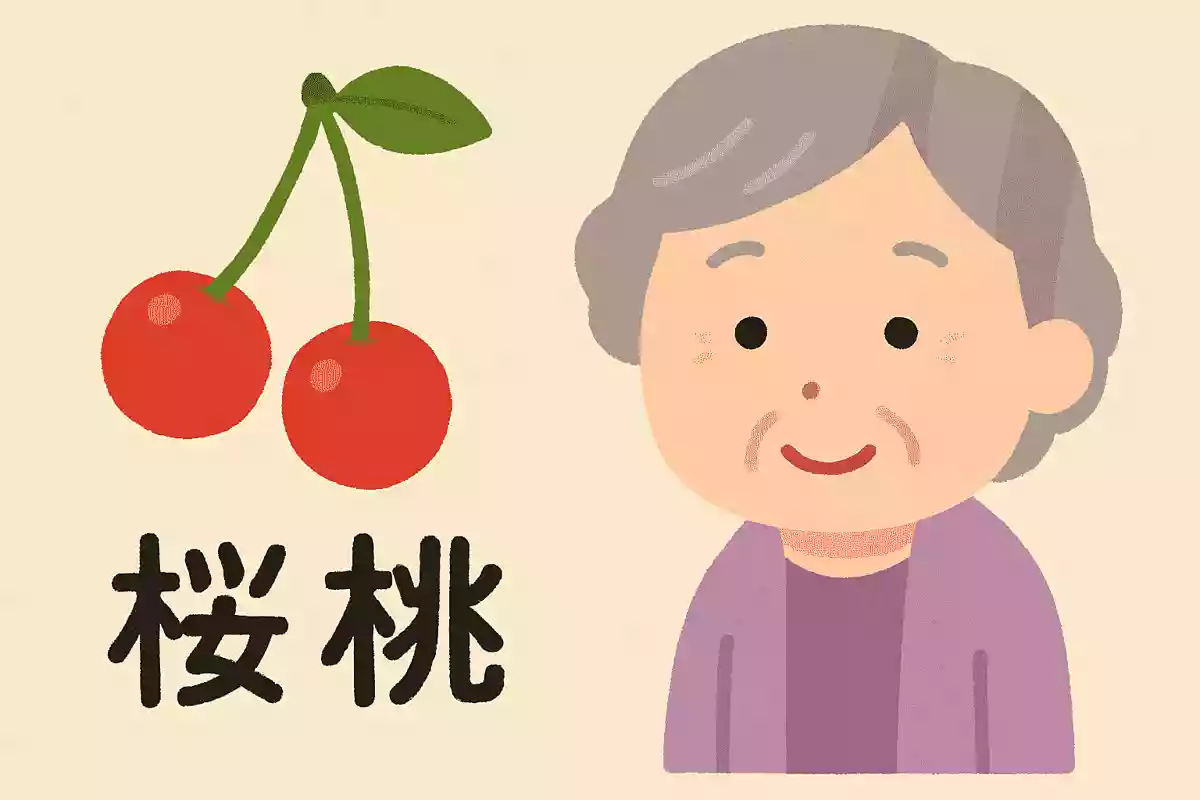
Oto is a fruit characterized by its sweet-tart, juicy flavor and vibrant red color.
In Japan, Yamagata Prefecture is famous for it, and globally, Turkey is said to have the highest production.
Some of you may already know the answer: oto is commonly called “cherries”! Cherries contain potassium, which helps prevent lifestyle-related diseases such as high blood pressure and diabetes, as well as polyphenols with antioxidant properties.
They’re a fruit we especially want older adults to eat.
However, since they also contain sugars, be careful not to overeat them!
herring

The fish called “鯡,” which is also used in New Year’s soba, is landed the most in Hokkaido.
Its catch has been gradually decreasing: about 100 years ago, annual landings were 500,000 tons, but today they are 10,000 tons a year.
The reading of this valuable fish, 鯡, is “nishin” (Pacific herring)! Nishin is rich in zinc, iron, and protein, which support the production of growth hormones.
It also helps maintain your sense of taste, making food more enjoyable and helping you keep your bones strong—an essential part of a healthy diet!