

[For Seniors] How many can you read? A comprehensive showcase of difficult food kanji


Quizzes for guessing the readings of difficult kanji are a classic recreational activity at day service centers and other senior facilities.
Food-related quizzes are a topic that people of all ages find engaging.
This time, we’ll introduce some difficult kanji for foods.
Recalling how to read them and thinking of associations from foods provide excellent stimulation for the brain.
Even for foods you eat all the time, you might find some whose kanji readings you don’t know.
Be sure to make use of these and have fun!
- [For Seniors] Challenging but Exciting! Kanji Quiz
- [For Seniors] Fun and Exciting! Difficult Kanji Quiz
- [For Seniors] Fun Food Trivia Quizzes You'll Want to Share
- A Food Quiz for Seniors to Make Eating More Enjoyable
- Recommended for seniors’ brain training! Kanji quiz workbook of fish names
- [For Seniors] Difficult Country Names Kanji Quiz
- [For Seniors] Perfect for Dementia Prevention! Jumbled Kanji Quiz
- [For Seniors] Quiz on Kanji with Many Strokes
- [For Seniors] Have Fun with Wordplay Characters! A Collection of Funny Puzzles
- [Brain Training] Lively Word Quiz for Seniors
- [For Seniors] Kanji Decomposition Quiz: Assemble the scattered characters
- [For Seniors] Fun and Informative! Health Trivia Quiz
- [For Seniors] Fun Brain Training! A Collection of Tricky Quizzes You’ll Definitely Get Stumped By
[For Seniors] How many can you read? A comprehensive look at difficult food kanji (11–20)
bread
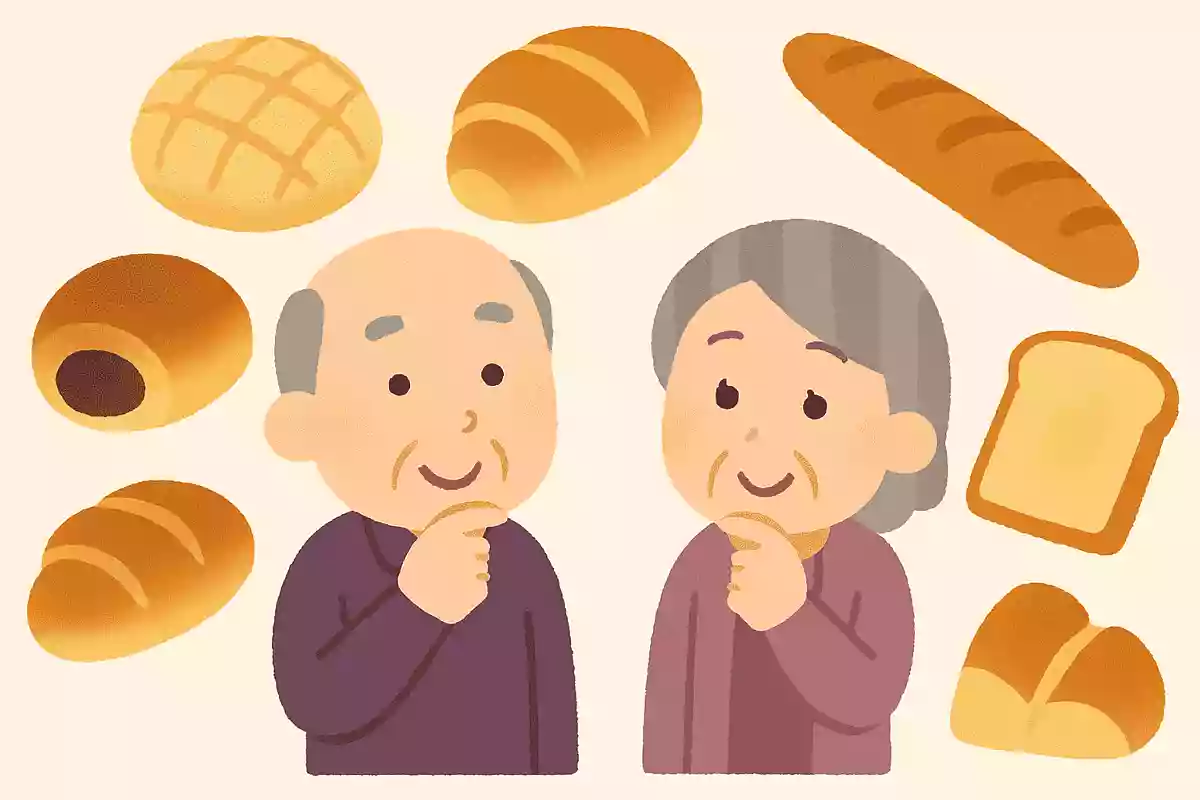
Menpu is read as “pan” (bread).
The character 麺 refers to foods made by kneading flour or similar ingredients, and 麭 also refers to foods whose main ingredient is wheat flour.
Together, the two characters express the meaning of foods made from wheat.
Bread is said to be the oldest processed food made by humans in the world.
It is believed that bread was introduced to Japan around the 16th century and became widespread after the Meiji era.
While giving hints such as “a food made from wheat that can be shaped in many ways to your liking,” please enjoy the quiz!

Kiritanpo

Kiritanpo, known for the rice’s natural sweetness, the fragrant aroma of charcoal grilling, and its pleasantly chewy texture, is one of Akita Prefecture’s signature local dishes.
In kanji, it’s written as 切蒲英.
There are said to be several theories about its origin.
One holds that the grilled rice, skewered and shaped, resembles the cattail flower spike; since short spikes are called “tanpo” (from the word for short spike, tanpo), it came to be known as tanpo.
Another theory is that because it is cut and added to hotpots and other dishes, it became known as kiritanpo (“cut tanpo”).
A further theory suggests the shape resembles a practice spear called a tanpo-yari.
Packed with the culture and history of people from long ago, kiritanpo is best enjoyed while recalling these stories as you eat.
ganmodoki (fried tofu fritter); literally “mock goose”
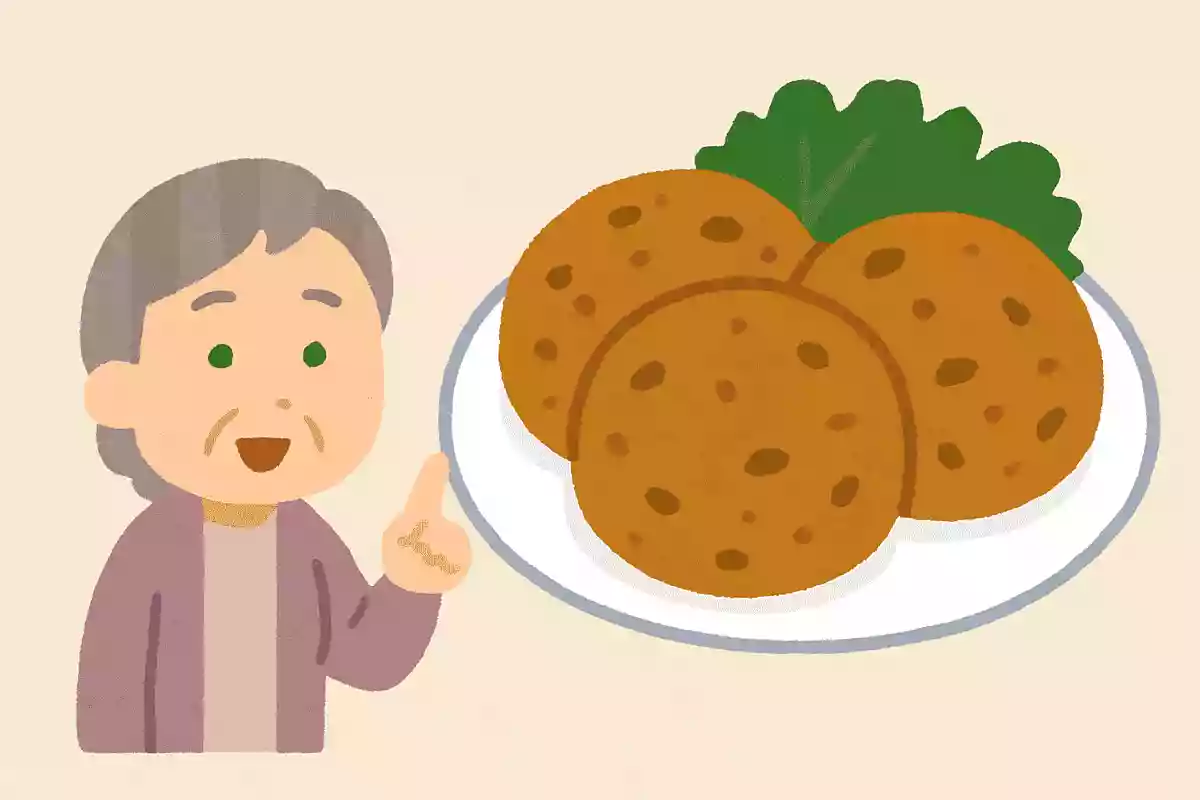
Ganmodoki is a traditional Japanese dish made by deep-frying tofu mixed with finely chopped vegetables, seaweed, and other ingredients.
It is known for its soft, fluffy texture and is also popular as an ingredient in simmered dishes and oden.
In kanji, it is written as “雁擬.”
Ganmodoki originated in the Edo period as a Buddhist vegetarian dish, when eating meat was prohibited.
Tofu was used to imitate wild goose meat, and the dish came to be called “gan-giri” (literally, a substitute for goose), hence the characters 雁擬.
In the past, konnyaku was often added to give it a chewier texture.
There are various other stories and traditions about its origin as well, so if you’re interested, be sure to look them up.
wonton (wontons)
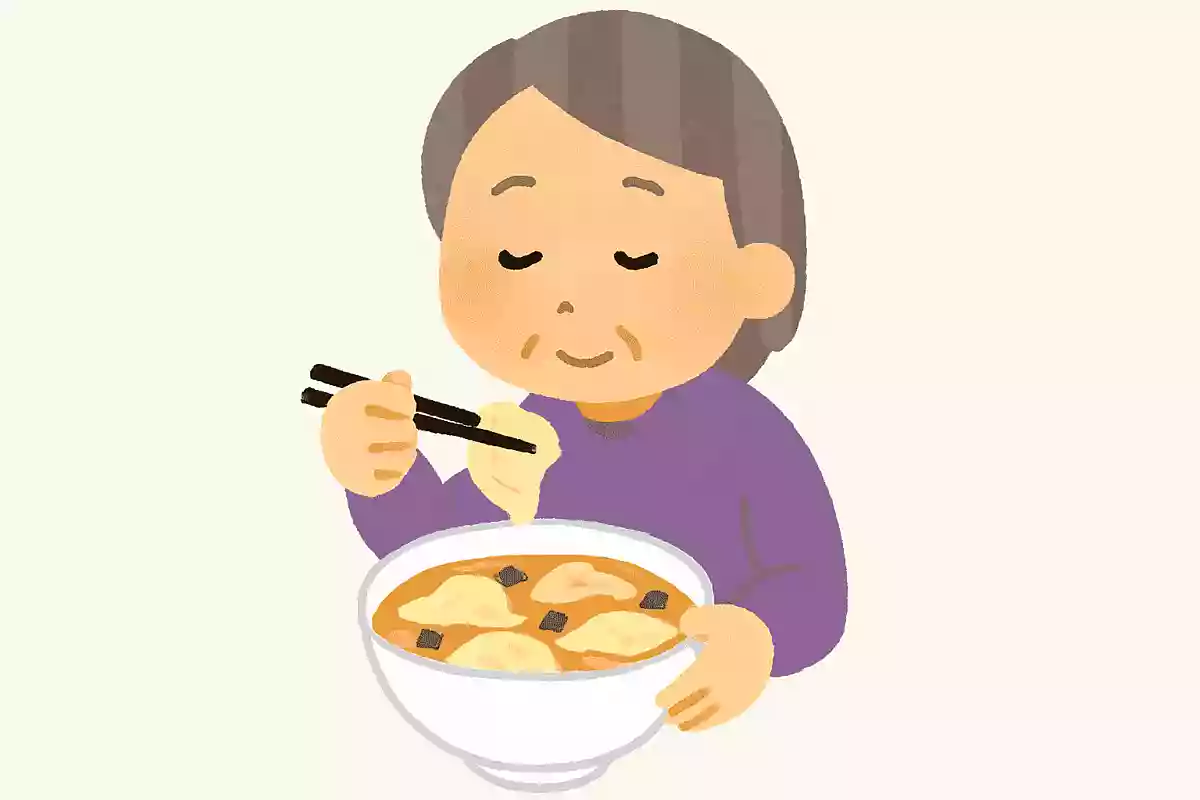
Wontons are a Chinese dish made by wrapping seasoned ground pork, chopped green onions, and other fillings in thin wrappers made from kneaded wheat flour.
In Japan, they’re also popular as ingredients in soups and ramen.
In kanji, they’re written as “雲吞.”
There are various theories about the origin of the characters, but one says that wontons floating in soup resemble clouds drifting in the sky, and that drinking the soup brings good fortune.
Indeed, the shape of wontons does look like fluffy clouds.
Knowing the origin of the characters and pronunciation makes them easier to remember, so keep it in mind and recall it the next time you eat wontons.
udon
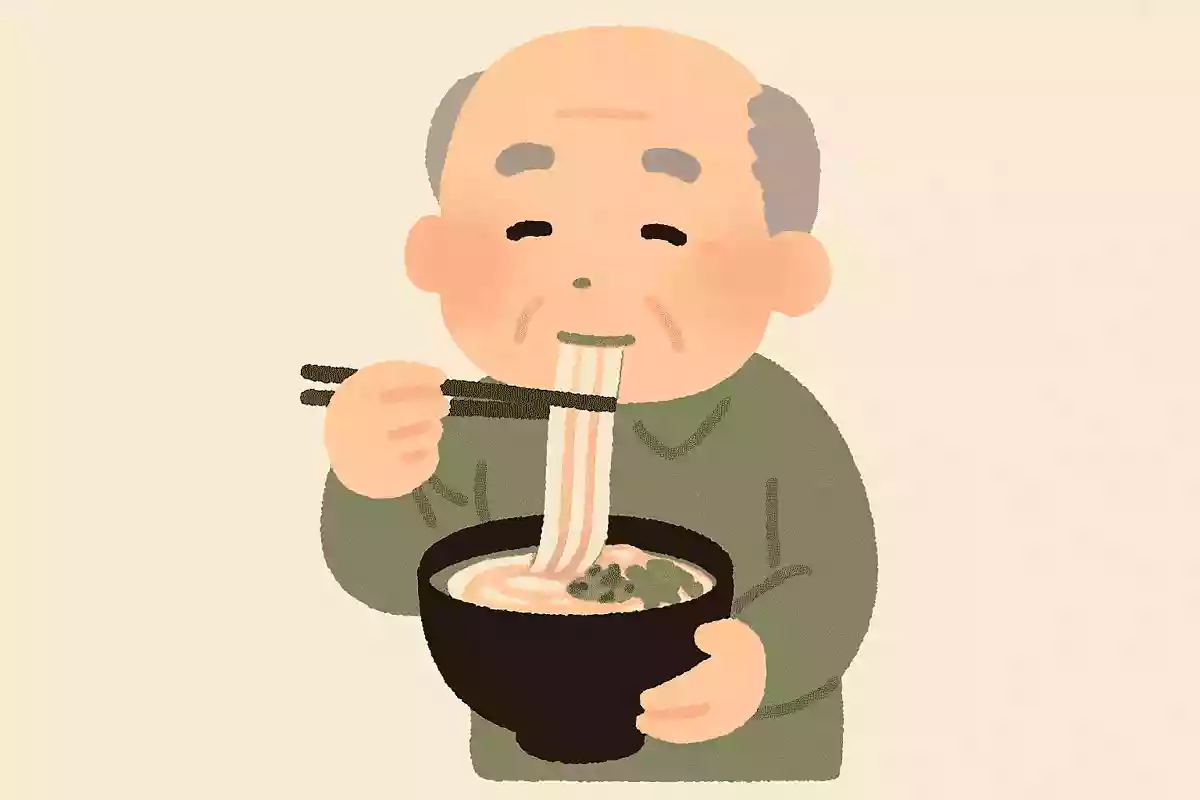
Udon, which can be enjoyed in various styles like kake-udon and bukkake-udon, is an easy, familiar food.
In kanji, udon is written as “饂飩.” The word “udon” is thought to have evolved from the Chinese term “饂飩” (pronounced roughly as “hundun”), which originally referred to a dish of wheat dough wrapped around fillings such as meat.
In ancient Japan, Buddhist teachings prohibited the eating of meat, so the fillings were reduced, and in the end only the noodles remained—giving rise to “udon.” Having undergone many changes through history and culture, udon has continued to be loved in a variety of styles for many years.
Keep this little tidbit in mind as a fun topic when you’re eating udon with family or friends.
okowa (steamed glutinous rice; sticky rice often mixed with beans, chestnuts, or other ingredients)

Okowa is a glutinous rice dish loved for its pleasantly chewy texture.
Made by steaming glutinous rice, it often includes ingredients like red beans (sekihan) or chestnuts, and many people have eaten it at celebrations and festive occasions.
In kanji, it is written as 御強, and it is said to derive from the Edo-period term kowai (強飯), meaning “firm rice.” Court ladies added the honorific o and dropped the ending, calling it okowa, which then became the common term.
対照的に、柔らかいお粥は「弱飯(ひめい)」、すなわち “weak rice(弱いご飯)” と呼ばれていました。かつて米は高価だったため、おこわは主に特別な日の食べ物として位置づけられており、その伝統は今日の文化にも影響を与え続けています。
[For Seniors] How many can you read? A roundup of difficult food-related kanji (21–30)
Konpeitō (Japanese sugar candy; also spelled kompeito)

Konpeitō is a colorful, round candy made by boiling down sugar.
It’s enjoyed as a companion to alcohol and coffee.
It’s said to have been introduced to Japan from Portugal after the Edo period as a luxury confection.
Many of you probably know how to read the word: the correct reading is “konpeitō.” In Japan, Nagasaki Prefecture is considered a famous production area, likely because it was brought by missionaries.
Konpeitō is also known as a lucky charm for warding off misfortune and praying for health.
Since it’s sugar, be careful not to eat too much and enjoy it in moderation.
