

[For Seniors] Fun and Informative! Trivia and Quizzes Introduced


Have you ever found it hard to keep a conversation going with an older adult, or wondered what to talk about?
At times like that, why not incorporate some fun trivia into your communication?
It can liven up the conversation, help you learn things you didn’t know before, and make for an enjoyable time together.
There’s trivia that feels familiar to older adults, as well as tidbits with surprising answers.
Trivia quizzes are also great as ideas for recreational activities.
They can be done while seated and are suitable for all genders, so many people can enjoy them.
Quizzes stimulate the brain and can help prevent dementia or slow its progression.
Try incorporating trivia quizzes while having fun!
- [For Seniors] Fun and Informative! Health Trivia Quiz
- [For Seniors] Trivia Multiple-Choice Quiz
- [For Seniors] Laugh-Out-Loud, Crowd-Pleasing! Fun Quiz
- [For Seniors] Fun and Informative Trivia Quiz Collection
- [For Seniors] Lively two-choice trivia quiz. Handy to know and tidbits you'll want to share with others
- [For Seniors] Guaranteed to Liven Things Up! A Collection of Brain Training Activities That Will Spark Laughter
- [For Seniors] Fun and Lively! Recommended Quiz Questions
- [Brain Training] Lively Word Quiz for Seniors
- [For Seniors] Boost Your Knowledge! Fun Trivia Quiz
- [For Seniors] Introducing Trivia Quizzes and Fun Facts About December
- [For Seniors] Sports Trivia Quiz & Fun Facts. Easy and Entertaining
- [For Seniors] Surprising Facts! Multiple-Choice Trivia Quiz (4 Options)
- [For Seniors] Liven Things Up! 3-Choice Ranking Quiz
[For Seniors] Fun and Informative! Trivia and Quizzes (111–120)
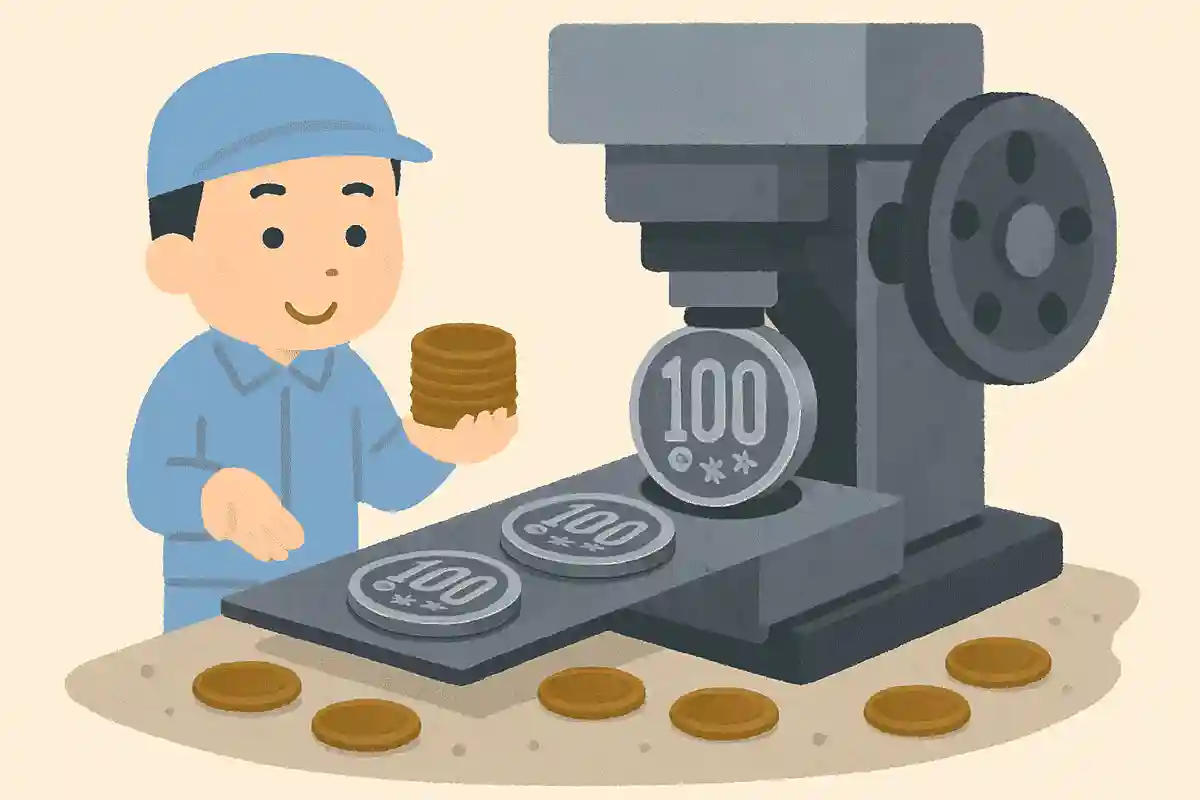
Where are Japanese coins made?
- Bank of Japan
- Mint (Japanese Mint / Mint Bureau)
See the answer
Mint (Japanese Mint / Mint Bureau)
Isn't this also a question that's a bit easy to get wrong? When it comes to money, people tend to think of the Bank of Japan, right? Banknotes are issued by the Bank of Japan, but the “coins” in question are made by the Japan Mint. Was that a bit of a trick question?

Kendama is often associated with Japan, but where did it originally come from?
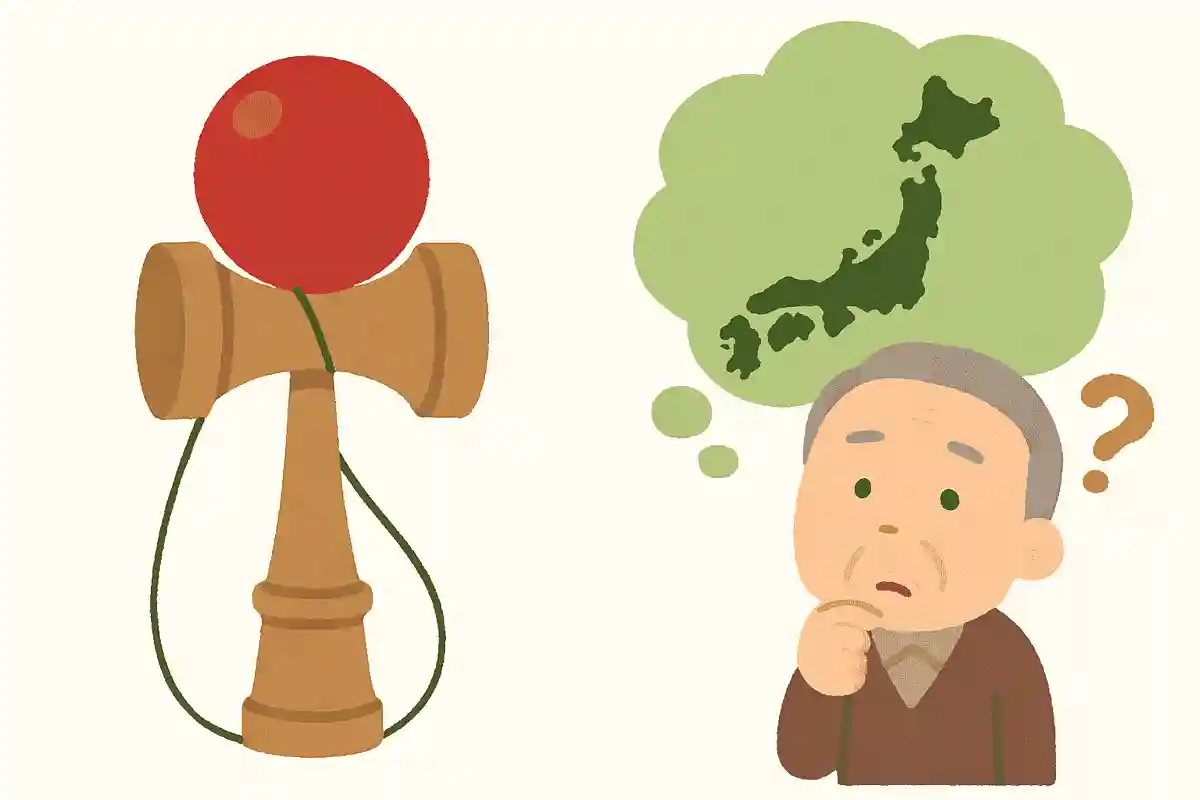
Many of you probably played with a kendama when you were children.
When you think of kendama, you might picture it as a traditional Japanese pastime.
However, it actually originated in another country.
Which country is that? The answer is France.
It was born in the 16th century, and over there it’s called “bilboquet.” Unlike the Japanese kendama, it doesn’t have the two side cups—a large cup and a small cup.
Its other structural features also differ slightly, so if you’re curious, try looking it up and comparing them.

In Japan’s first curry, meat from a certain animal was used. What kind of meat was it?
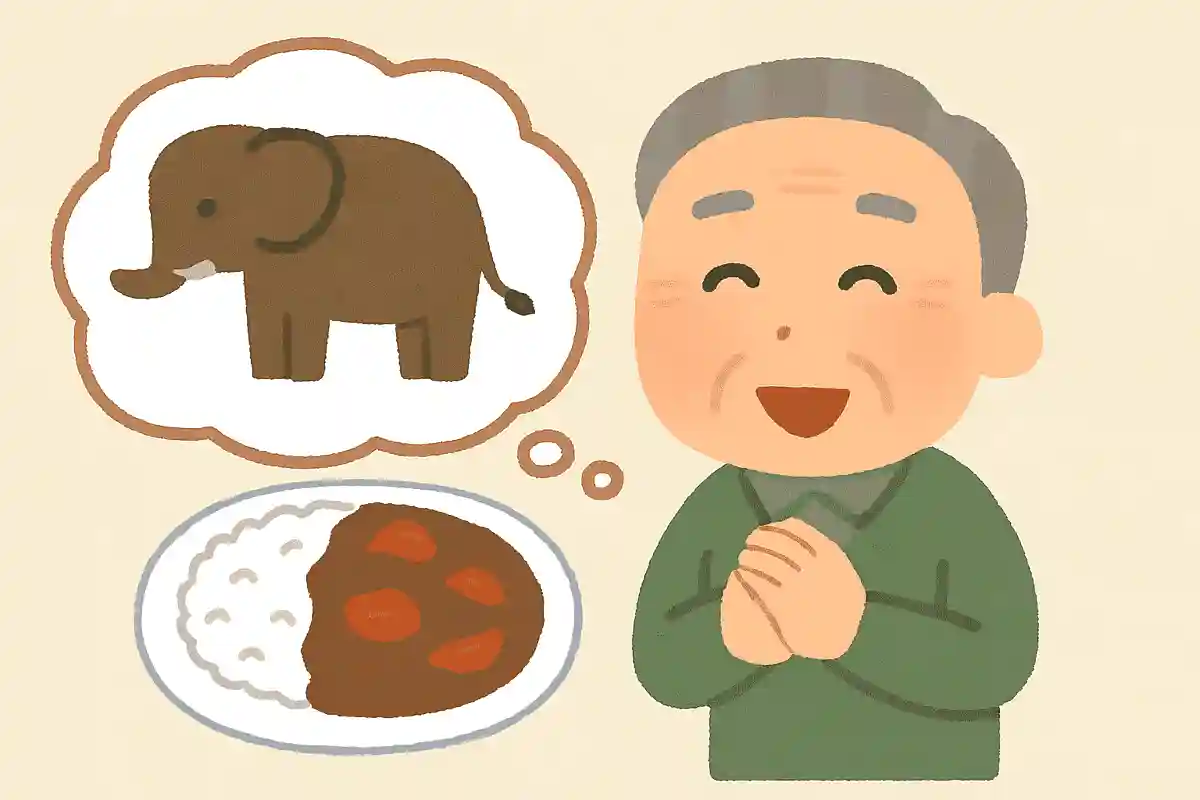
Speaking of curry, beef, chicken, and pork are the major choices, but what exactly are the other kinds of meat? Here are some hints: it’s something that would be unthinkable nowadays—some people might feel disgusted when they hear the answer; it’s a creature whose calls you often hear during the rainy season; and it looks completely different as a child than it does as an adult.
The answer is: frog! In fact, from a global perspective, frogs are eaten in many regions as food, and their taste is said to be similar to chicken.

In the old lunar calendar, October was called “Kannazuki,” or “the month without gods.” It’s said to be because all the deities of Japan gathered in one place. Where is that place?
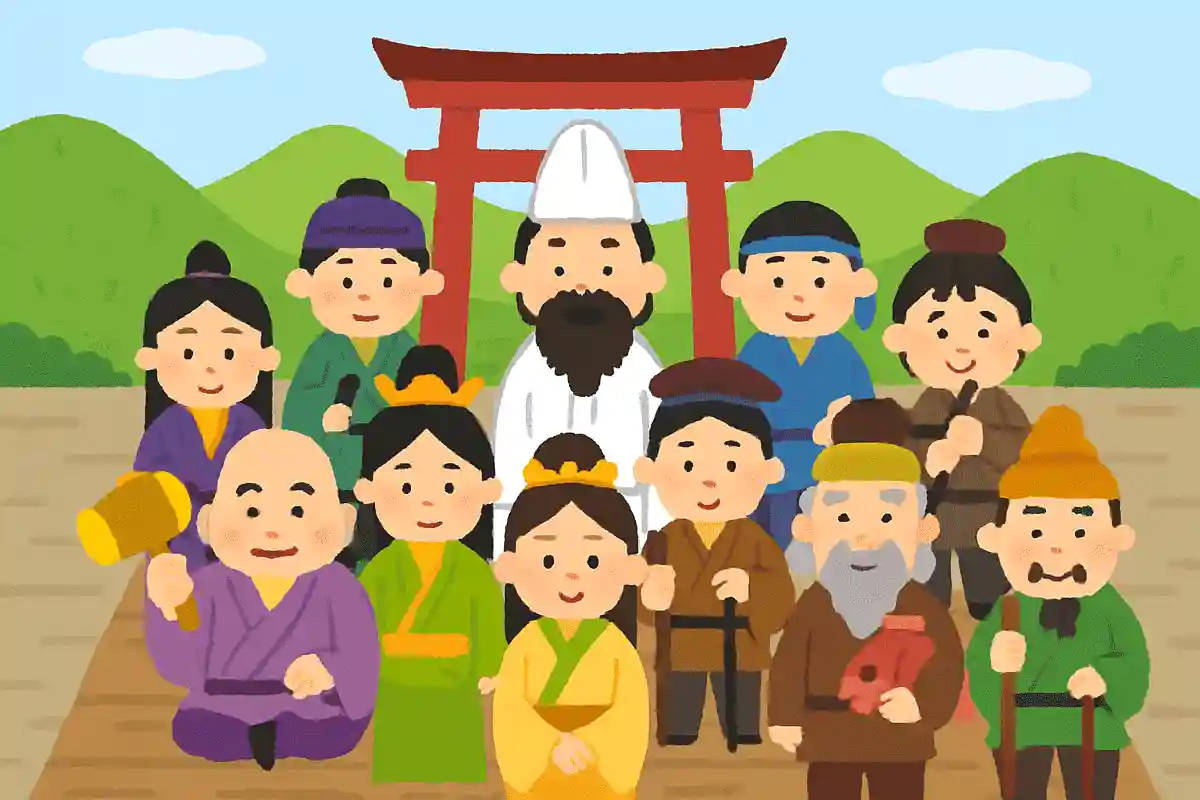
In the old lunar calendar, October is called “Kannazuki,” the Month of No Gods.
This comes from the idea that all the deities across Japan gather in one place, leaving the rest of the country without its gods.
The question, then, is: Where do they gather? The answer is Izumo Taisha.
Because of this, in Shimane Prefecture, where Izumo Taisha is located, October is called “Kamiarizuki,” the Month of the Gods.
As for why the deities gather, there are various theories—some say it’s for matchmaking, others for funerary matters.
There are many other legends about Kannazuki as well, so it can be fun to look them up.
Around 1955 (Showa 30), what were the cafes in Japanese urban areas—where everyone sang together—called?
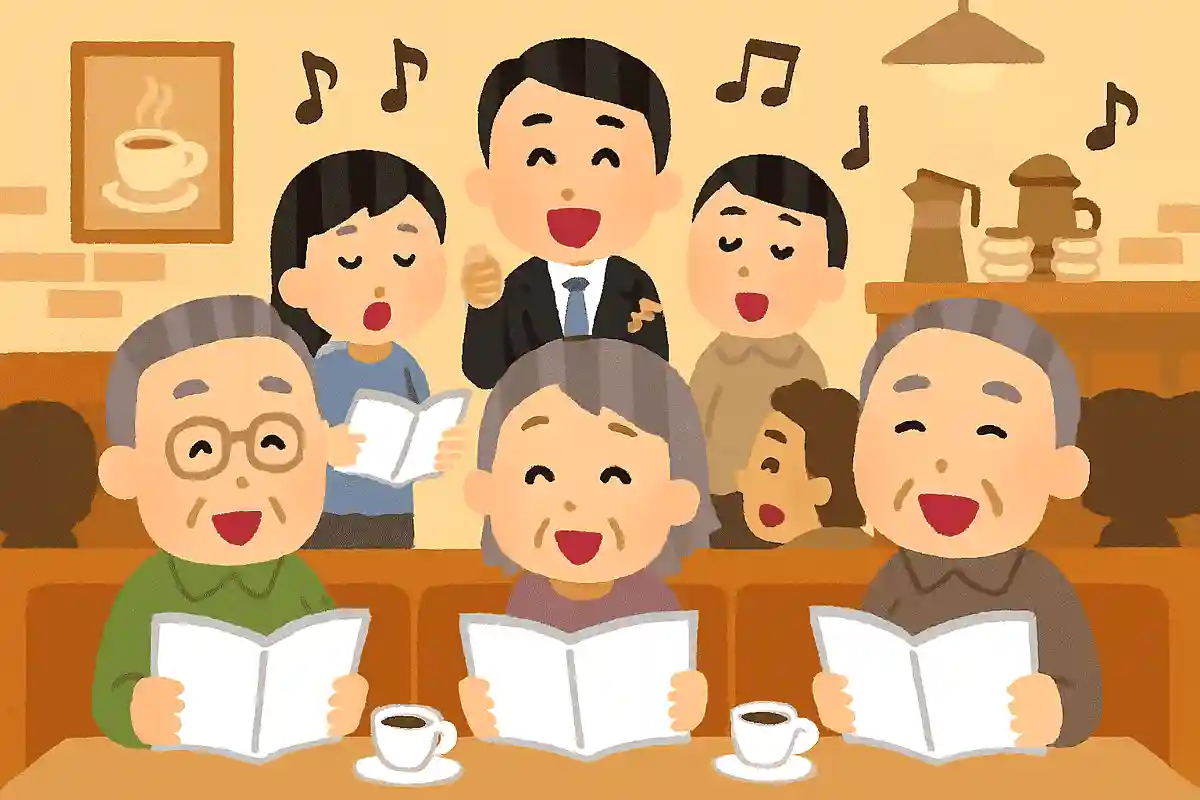
Songs that have always been close to people’s hearts are loved in various ways depending on the era.
Before karaoke boxes appeared, what were the cafes called—popular around the mid-1950s and spreading mainly in Japanese cities—where everyone would sing together? The name clearly evokes the scene of people layering their voices along with various instruments.
The answer is “utagoe kissa” (singing voice cafes).
It is said that as people layered their voices, a sense of solidarity grew, which had a significant impact on student and labor movements.

In 1960 (Showa 35), a revolution occurred in household televisions. What happened to the TV screen?
The revolutionary event that happened to home TVs in 1960 (Showa 35) was the start of color broadcasting! NHK began broadcasting on February 1, 1953 (Showa 28), and commercial stations followed on August 28 of the same year.
After the introduction of remote-control TVs and the downsizing of cathode-ray tubes, color broadcasts finally began in 1960.
At the time, color TVs cost dozens of times a new university graduate’s starting salary—well beyond the reach of ordinary people—but as technology advanced, prices became more affordable.
Looking at photos of old televisions or footage of programs from that era might bring back memories of your younger days.

At the Tokyo Olympics held in 1964, a rakugo storyteller ran as a torchbearer. Who was that rakugo performer?
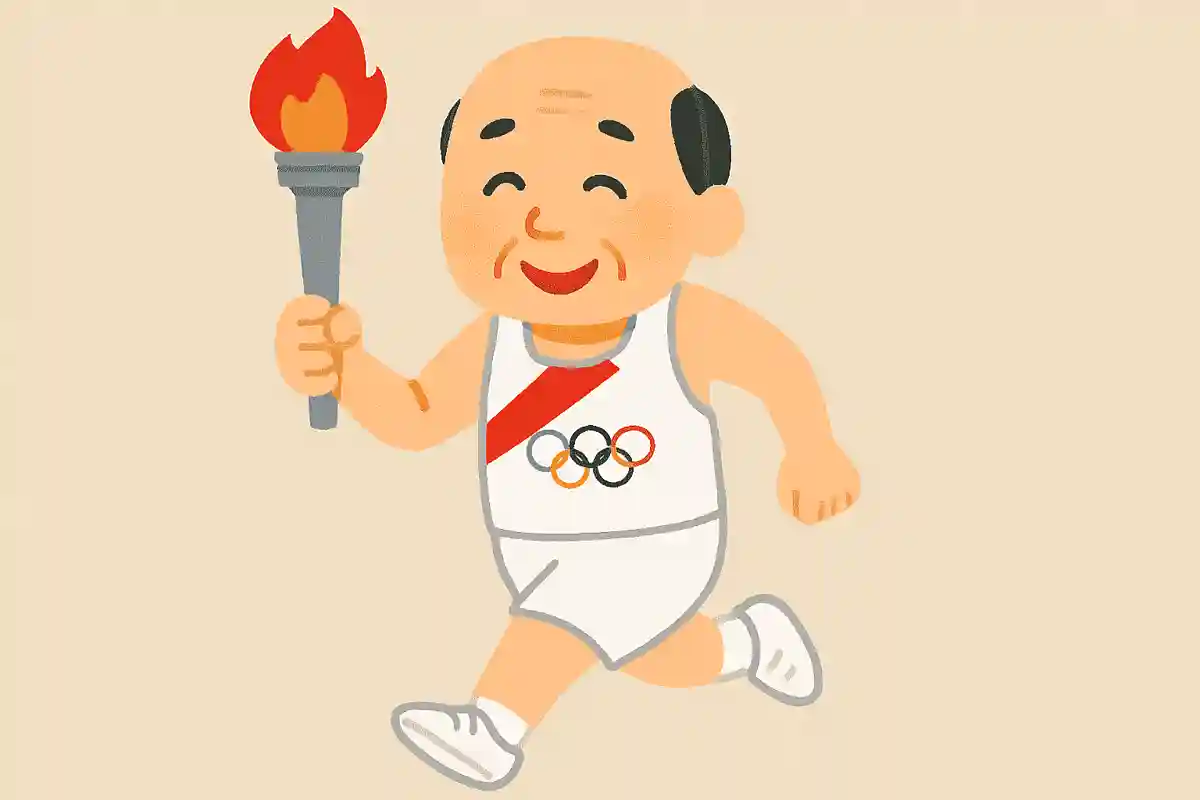
One highlight of the Olympic torch relay is that a wide variety of people run, including athletes and celebrities.
At the Tokyo Olympics held in 1964 (Showa 39), a certain rakugo storyteller ran as a torchbearer.
Who was it? Here’s a hint: a long-beloved rakugo performer you often see on TV—someone who might not fit the strict image of representing the nation.
The answer is “Sanyutei Koyuza.” At the time, he didn’t run as a rakugo performer; he was selected as a torchbearer as a high school table tennis player.