

[For Seniors] Fun and Informative! Trivia and Quizzes Introduced


Have you ever found it hard to keep a conversation going with an older adult, or wondered what to talk about?
At times like that, why not incorporate some fun trivia into your communication?
It can liven up the conversation, help you learn things you didn’t know before, and make for an enjoyable time together.
There’s trivia that feels familiar to older adults, as well as tidbits with surprising answers.
Trivia quizzes are also great as ideas for recreational activities.
They can be done while seated and are suitable for all genders, so many people can enjoy them.
Quizzes stimulate the brain and can help prevent dementia or slow its progression.
Try incorporating trivia quizzes while having fun!
- [For Seniors] Fun and Informative! Health Trivia Quiz
- [For Seniors] Trivia Multiple-Choice Quiz
- [For Seniors] Laugh-Out-Loud, Crowd-Pleasing! Fun Quiz
- [For Seniors] Fun and Informative Trivia Quiz Collection
- [For Seniors] Lively two-choice trivia quiz. Handy to know and tidbits you'll want to share with others
- [For Seniors] Guaranteed to Liven Things Up! A Collection of Brain Training Activities That Will Spark Laughter
- [For Seniors] Fun and Lively! Recommended Quiz Questions
- [Brain Training] Lively Word Quiz for Seniors
- [For Seniors] Boost Your Knowledge! Fun Trivia Quiz
- [For Seniors] Introducing Trivia Quizzes and Fun Facts About December
- [For Seniors] Sports Trivia Quiz & Fun Facts. Easy and Entertaining
- [For Seniors] Surprising Facts! Multiple-Choice Trivia Quiz (4 Options)
- [For Seniors] Liven Things Up! 3-Choice Ranking Quiz
[For Seniors] Fun and Informative! Trivia and Quizzes (111–120)
In 1977 (Showa 52), Japan successfully launched its first meteorological satellite. What was the name of this weather satellite?
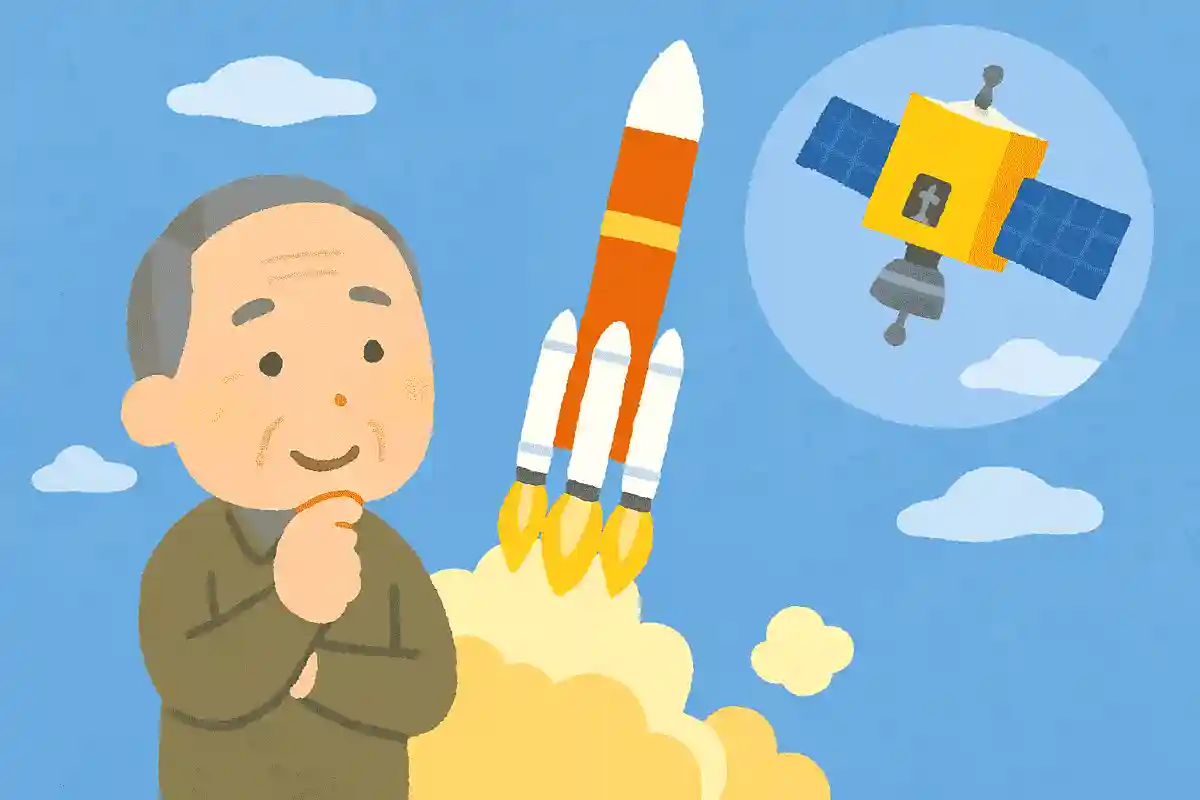
A weather satellite is a satellite that observes various weather-related data from space.
These satellites, which are useful for weather and disaster forecasting, are also launched from Japan.
So, what is the name of the satellite that Japan first successfully launched in 1977 (Showa 52)? It might be easier if you think of a flower that symbolizes summer in Japan.
The answer is “Himawari” (sunflower).
Named after the flower that turns its face toward the sun, Himawari is Japan’s representative series of weather satellites, with multiple generations launched since the first.

[For Seniors] Fun and Informative! Introducing Trivia and Quizzes (121–130)
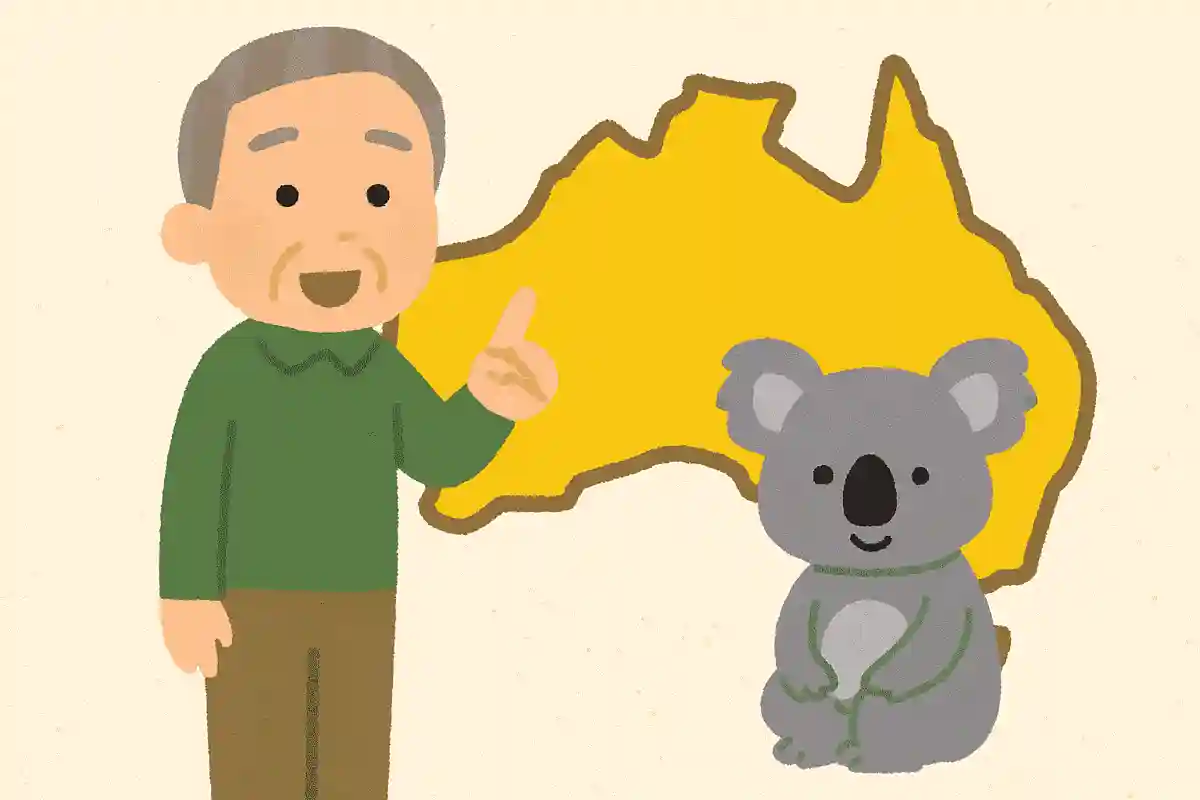
In 1984 (Showa 59), a certain animal came from Australia. What is this animal that remains popular today?
One of the charms of zoos is that you can see creatures that don’t live in Japan or that you’d never encounter in the wild.
Animals coming to Japan for the first time are often featured in the news, and in 1984 (Showa 59) a particular animal drew a lot of attention.
What was the animal that arrived from Australia as a goodwill ambassador? The fact that it came from Australia is a big hint.
The answer is “koala.” Six koalas were exhibited at Tama Zoological Park in Tokyo, Higashiyama Zoo in Nagoya, and Hirakawa Zoological Park in Kagoshima.
The Showa-era phrase “Atama ga 〇〇 ni naru” means “I have so much to think about that my brain won’t work.” What sea creature goes in the 〇〇?
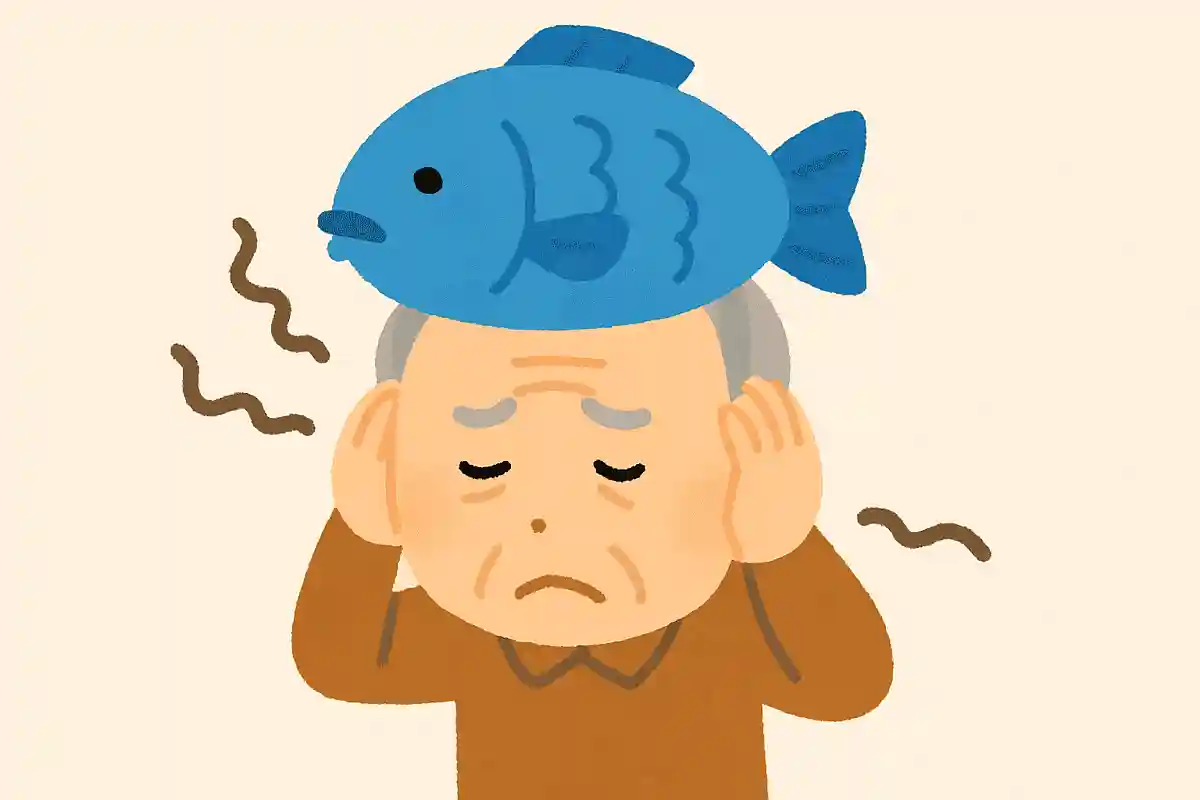
The word that meant “a state where you have so much to think about that your brain won’t work,” which was popular around 1983 (Showa 58), is “Atama ga uni ni naru” (my head turns into sea urchin)! It’s a metaphor comparing a confused, jumbled mental state to soft sea urchin that collapses easily when pressure is applied.
You hardly hear it nowadays, and on the internet it’s called something like “a really nostalgic expression.” Indeed, cracking open a sea urchin does somehow evoke the inside of a human brain… There are plenty of other Showa-era buzzwords that aren’t used anymore, too! Just those alone could make for a solid Showa quiz.

On the tables of cafés and eateries in the Showa era, there were small roulette-style vending machines. What kind of vending machines were they?
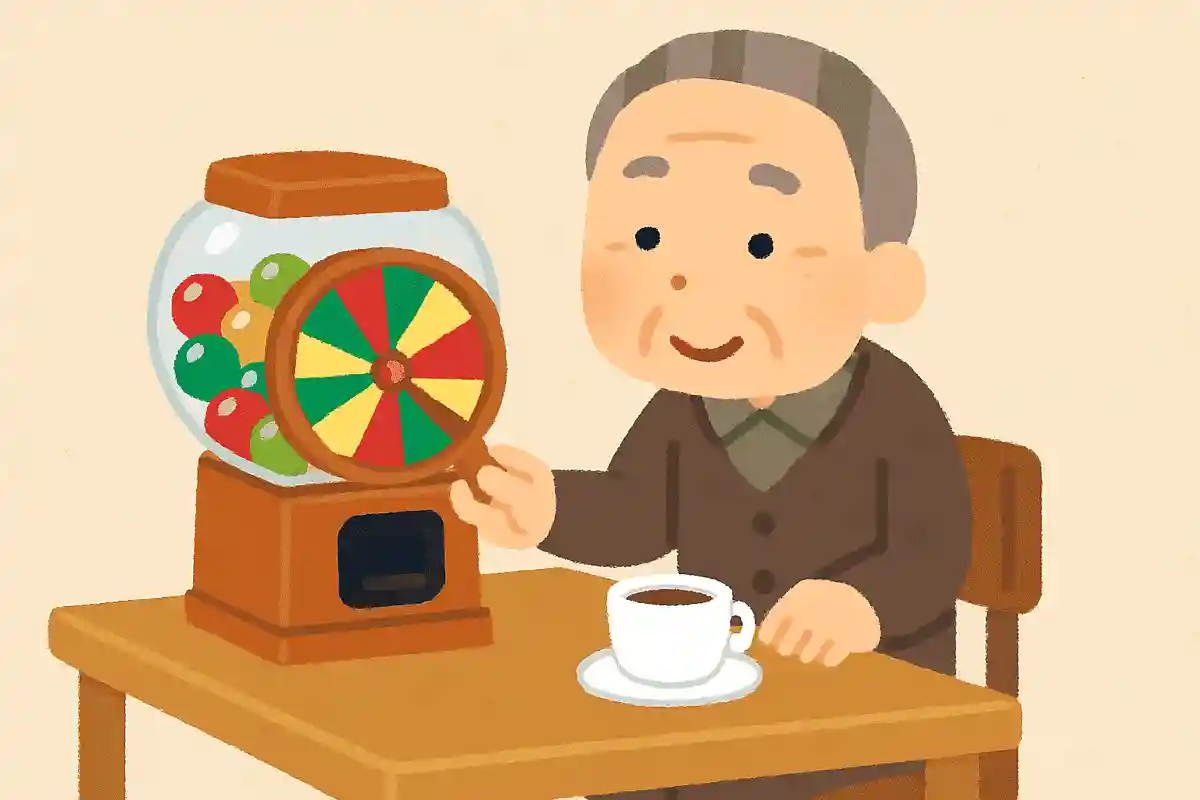
Back in the Showa era, many coffee shops and eateries had small roulette-style vending machines on their tables.
And what did they dispense? Fortune-telling results! You’d insert a coin and pull the lever, the roulette inside would spin, and a rolled-up slip of paper would come out.
In the late Showa 50s (the late 1970s to early 1980s), thanks to the combined boom of horoscopes and coffee shops, annual production of these mini machines reportedly exceeded 200,000 units.
I even remember seeing them in old Chinese restaurants after the Heisei era began, but nowadays they’ve become a rare sight.
Around the early Showa period, someone went around on a bicycle selling a certain creature. What was the creature?
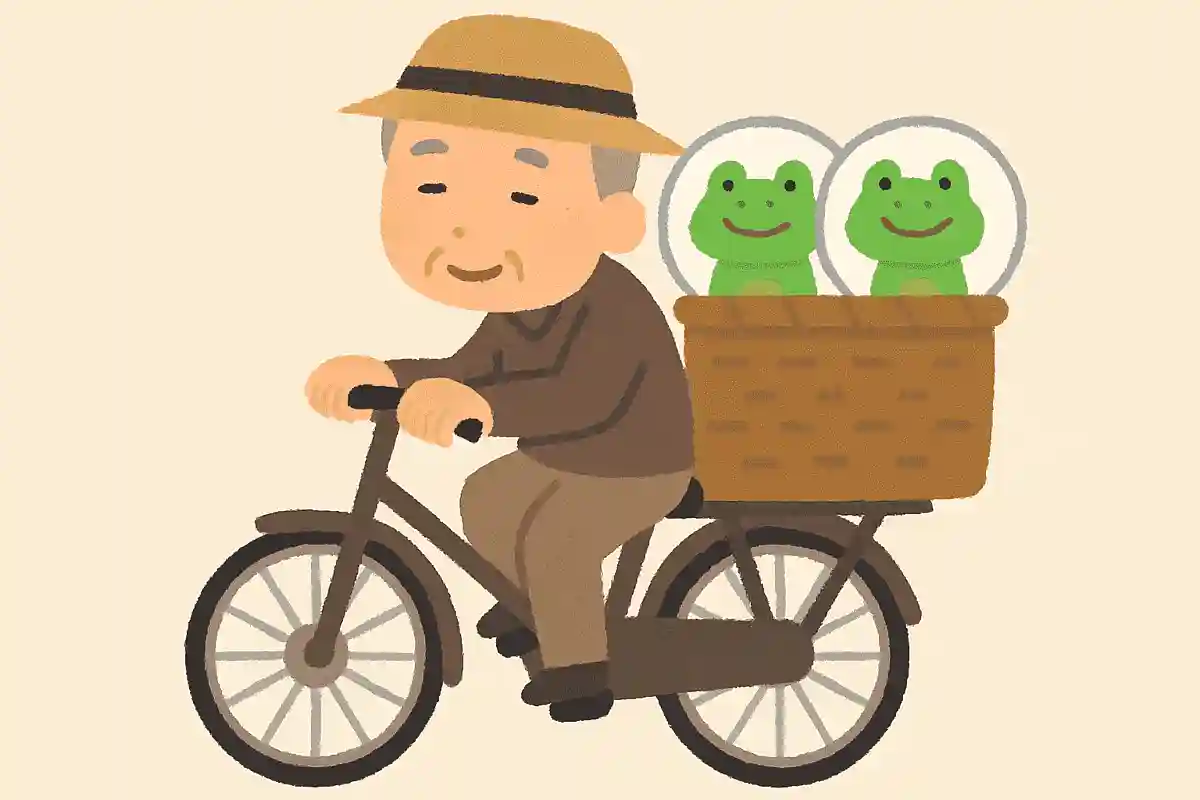
When it comes to keeping animals, I think the modern image is strongly associated with getting them from a pet shop.
What kinds of creatures, once sold by bicycle—a sight that has faded with the times—were there? The hint is that they’re small enough to carry by bike, and you might also see them at festivals.
The answer is goldfish.
They were reportedly sold along with glass bowls for keeping them, accompanied by vendors’ distinctive, drawn-out calls.
This event, held in Kyoto every year on August 16th, involves lighting fires on the mountains in the sequence of “Daimonji,” “Myoho,” “Funagata,” “Hidari Daimonji,” and “Toriigata.” What is this event called?
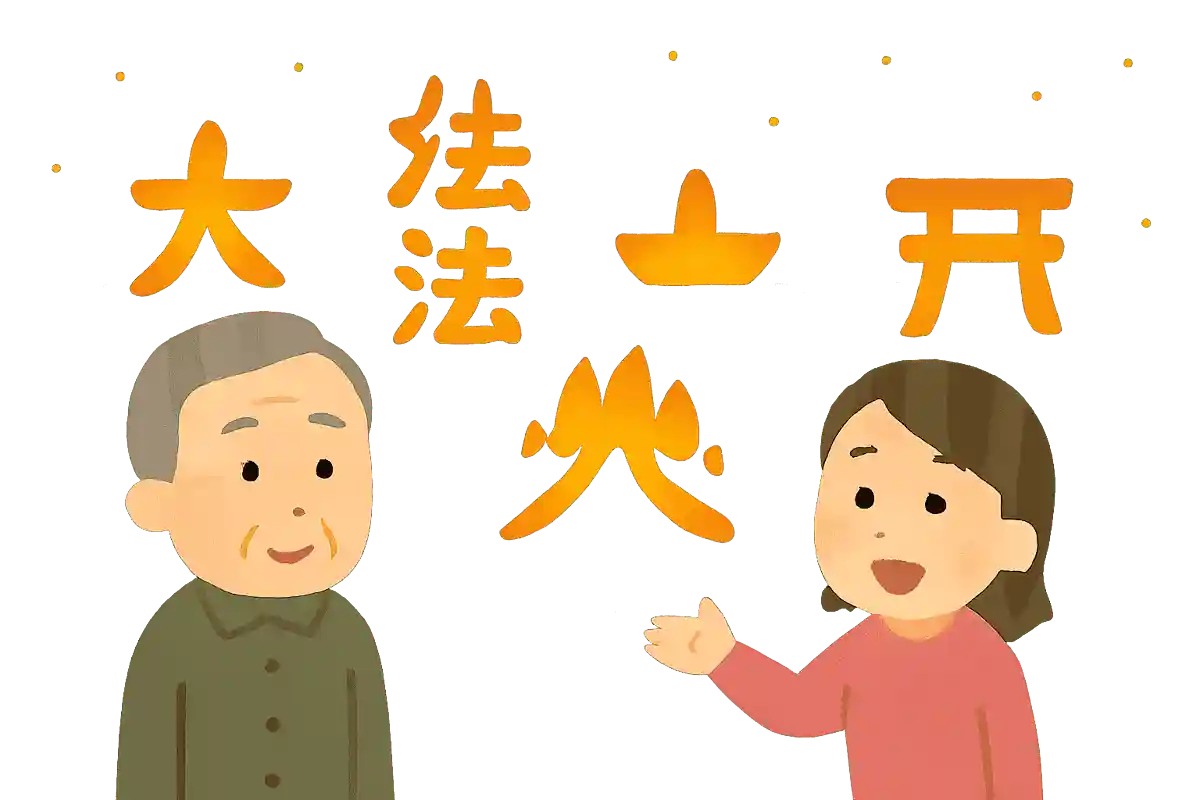
What is the name of the event in which fires are lit on the mountains in Kyoto every year on August 16, in the order of “Daimonji,” “Myōhō,” “Funagata,” “Hidari Daimonji,” and “Toriigata”? The answer is “Gozan no Okuribi.” It is a famous traditional summer event in Kyoto, held to send off the spirits of Obon.
Every year, many people visit Kyoto as tourists to see this event.
It is often broadcast on television, and the characters of fire flickering in the darkness are beautiful and feel very powerful.
It’s an Obon event that many would want to see at least once.

On one specific day each week, the Japan Maritime Self-Defense Force always eats curry. Which day is it?
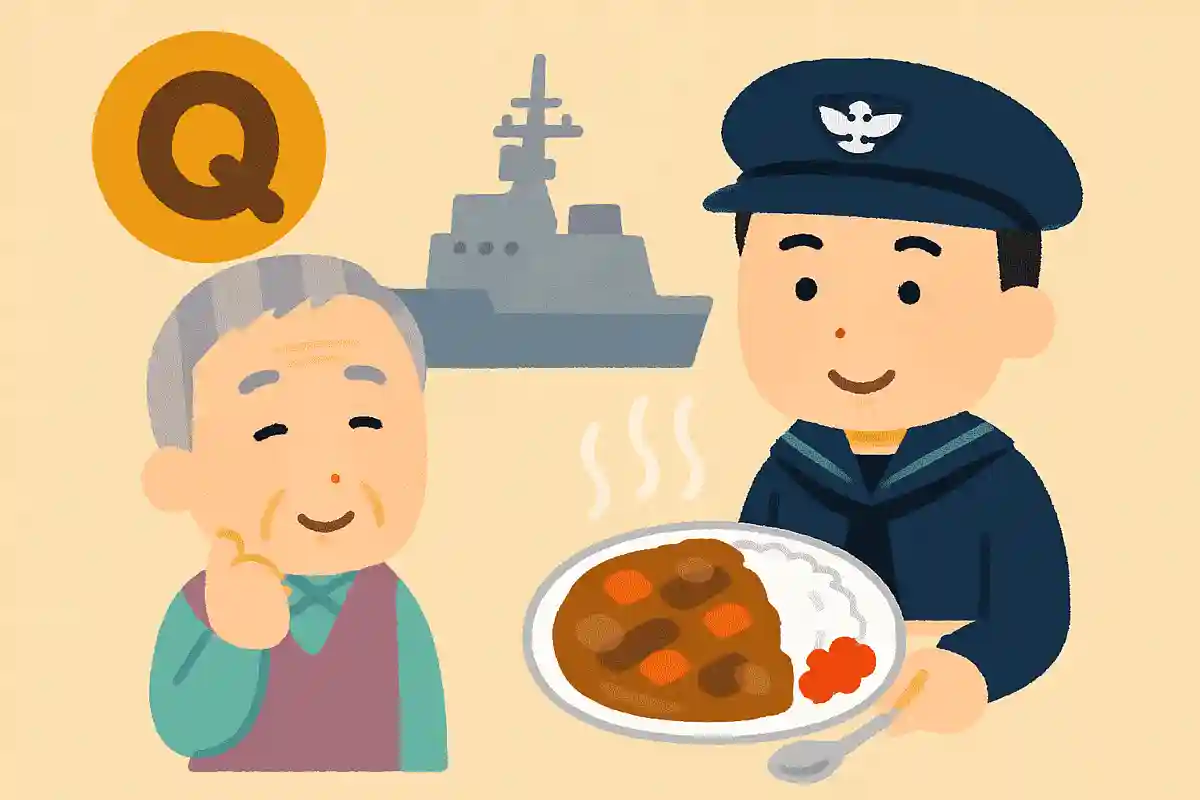
- Wednesday
- Friday
See the answer
Friday
There are various theories as to why Friday became Curry Day in the Japan Maritime Self-Defense Force, but the most well-known is that it’s to prevent people from losing track of the days of the week. When sailing at sea or working on submarines, the scenery doesn’t change and people can lose their sense of what day it is, so Curry Day was introduced to prevent that.
