

[For Seniors] Fun and Informative! Health Trivia Quiz


How about a quiz that lets you enjoyably learn how the body works and fun health trivia? It’s packed with useful knowledge for everyday life—like colors that help soothe eye fatigue, the ideal amount of time to get sunlight, and sleeping positions that can help prevent thrombosis.
There are also plenty of handy tips to support the bodies and minds of older adults, such as beverages that relax the brain and habits said to be effective for hip joint pain.
Enjoy a fun time with your family and friends while boosting your awareness of health.
- [For Seniors] Fun and Informative! Trivia and Quizzes Introduced
- [Brain Training] Lively Word Quiz for Seniors
- [For Seniors] Lively two-choice trivia quiz. Handy to know and tidbits you'll want to share with others
- [For Seniors] Trivia Multiple-Choice Quiz
- [For Seniors] Fun and Informative Trivia Quiz Collection
- [For Seniors] Guaranteed to Liven Things Up! A Collection of Brain Training Activities That Will Spark Laughter
- [For Seniors] Nostalgic quizzes that bring back memories! Showa-era entertainment and sports questions
- [For Seniors] Fun and Educational True-or-False Quiz
- [For Seniors] Fun Riddles That Stimulate the Brain
- [For Seniors] Today’s recommended quiz. Daily brain-training quiz!
- [For Seniors] Boost Your Knowledge! Fun Trivia Quiz
- [For Seniors] Sports Trivia Quiz & Fun Facts. Easy and Entertaining
- [For Seniors] Recommended Trivia Quizzes & Fun Facts for November
Body Mechanisms and Health Trivia (1–10)
In addition to sourness, sweetness, and saltiness, the tongue can detect one more taste. What is the other one?
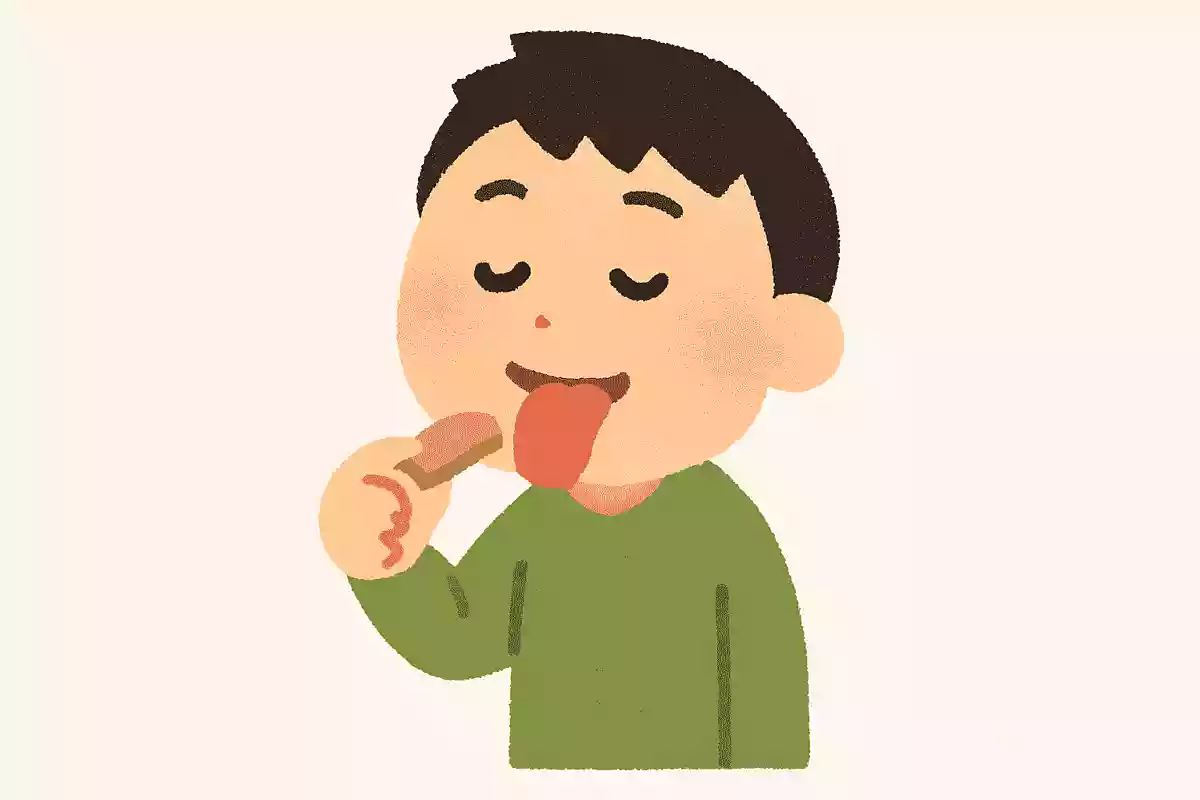
When we eat food, we experience a variety of flavors on our tongues, right? So, along with sourness, sweetness, and saltiness, what’s the other taste we actually perceive? Here’s a hint: many children might find this taste a bit unpleasant, and many people come to appreciate its deliciousness more as they grow older.
The answer is bitterness.
Sensory organs on the tongue called taste buds act like sensors that detect each of these tastes.
Eat plenty and enjoy a wide range of flavors!

What beverages are most effective at relaxing the brain?
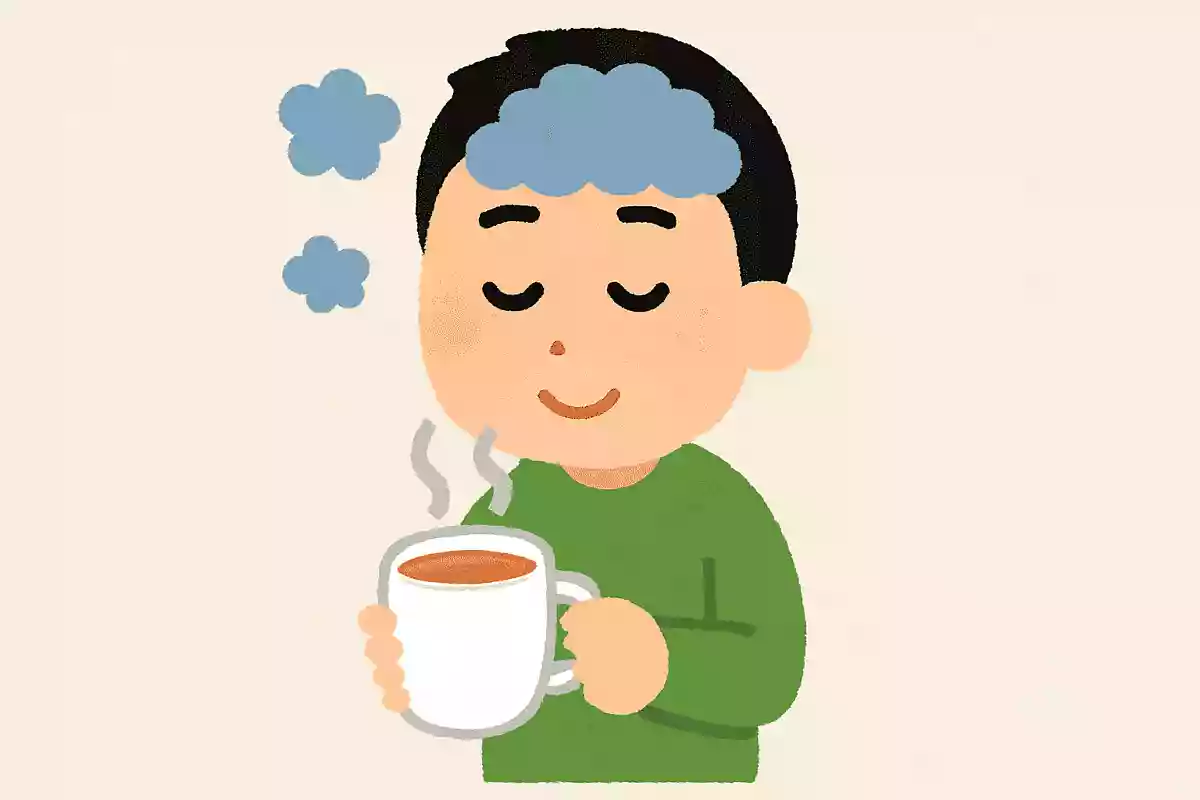
After doing various quizzes and using your brain a lot, when something unpleasant happens and you get irritated, what kind of drink can help you relax and take a breather? Here are the hints: many people drink it at least once a day, and it’s made from something taken from an animal.
The answer is hot milk! A component in milk called tryptophan is converted into serotonin, a brain hormone, which helps the brain relax.
How many hours before going to bed should you eat dinner?
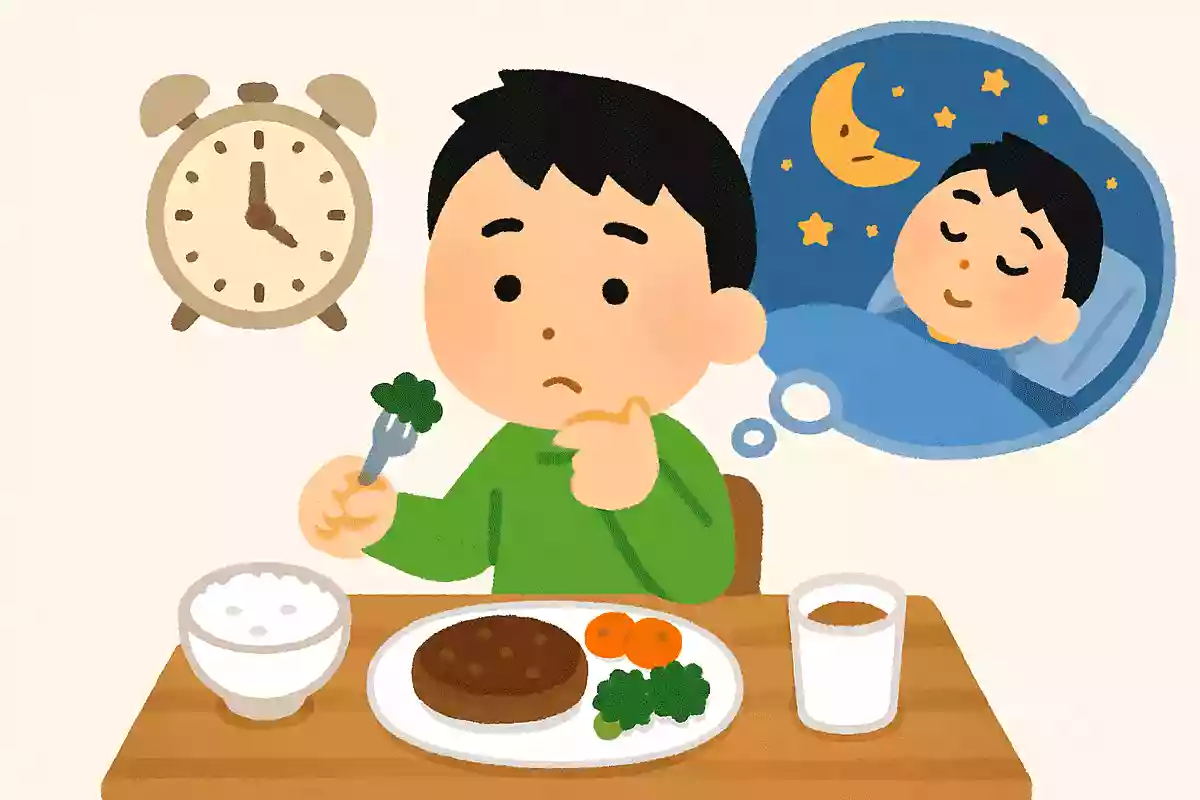
While you may want to lie down right after a delicious dinner, it’s best to wait a bit.
So how long should you wait after dinner? The answer is three hours.
Food takes about two to three hours to digest.
If you go to bed sooner than three hours, it puts a burden on your digestive system as it’s still working, and that activity can also make it harder to fall asleep.
If you have no choice but to eat late, have a small snack in the late afternoon and keep your dinner to about 70% full.
Body Mechanisms and Health Trivia (11–20)
What is the habit of making small movements with the legs that is said to be effective for hip joint pain?
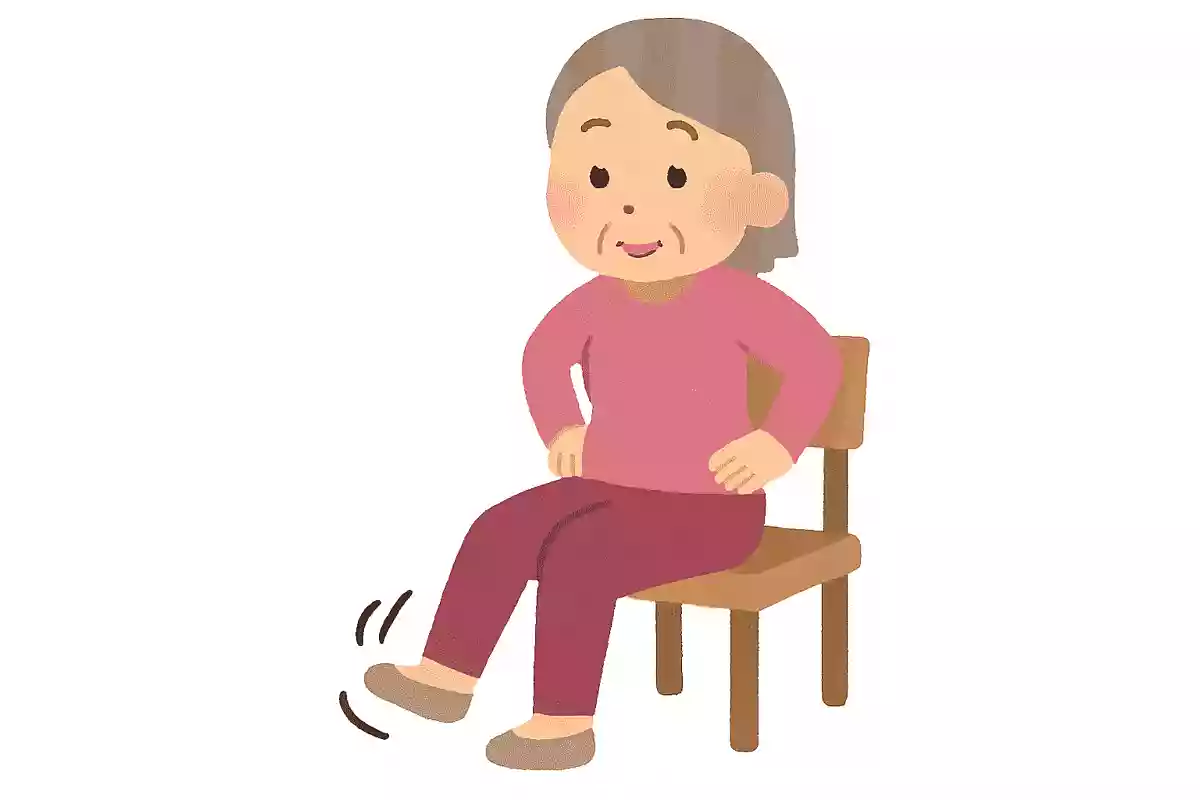
The fact that your hip joints move smoothly also leads to motivation to walk, which is essential for health, doesn’t it? There’s a named habit that is said to help ease hip joint pain—what do you think it is? Since it’s often an unconscious tic, whether you notice it in others or are the type to be bothered by it might also affect how people answer.
The correct answer is leg jiggling (restless leg bouncing).
Some people may have been scolded for it as a bad habit, but it might be worth consciously trying it at times to get your hips moving.

What are the two nutrients needed for strong bones?
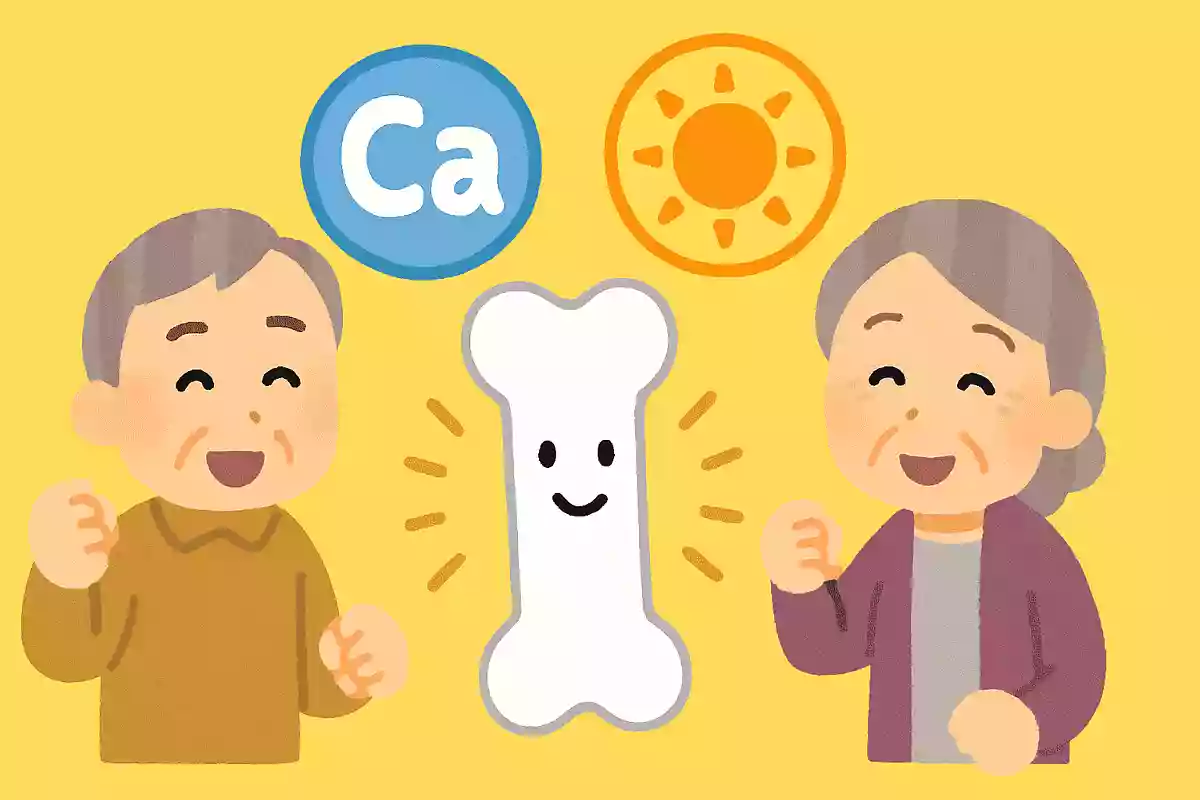
As we get older, we tend to become more concerned about bone strength, and many people want to keep their bones as strong as possible.
So, what are the two nutrients needed to strengthen bones? One of them is obvious because it always comes up in discussions about bones, but the other might be less straightforward.
It’s easier to think of it not so much as a component of bones, but as something essential for overall health.
The answer is calcium and vitamin D—vitamin D helps the body absorb calcium into the bones.
When do we see dreams while sleeping, and in what state is the body at that time?
People sometimes have all sorts of dreams while sleeping—realistic or fantastical—like dreams of meeting someone you love, or being chased by a scary ghost.
What kinds of dreams might older adults have had over the years? Still, there are times when you clearly feel you had a dream and times when you feel you didn’t dream at all.
So, when is it that we have dreams? The answer is: when sleep is light.
That said, it’s believed that everyone dreams regardless of sleep depth.
It’s just that during deep sleep, the content of dreams can be less striking, which can make us feel as though we didn’t dream.
The calves are also called the “second heart.” Using a part of the body, what is it called as the “second” what?
The calf, located on the back of the lower leg, has a nickname that uses the name of a body organ: “the second ___.” What is it? The hints are that it’s an internal organ and an indispensable organ not only for humans but also for animals.
The answer is the second “heart”! Blood tends to pool in the legs, but by actively moving the calves, blood circulates better and can be sent back to the heart more effectively.
That’s why they’re called the “second heart.”