

[For Seniors] Fun and Informative! Health Trivia Quiz


How about a quiz that lets you enjoyably learn how the body works and fun health trivia? It’s packed with useful knowledge for everyday life—like colors that help soothe eye fatigue, the ideal amount of time to get sunlight, and sleeping positions that can help prevent thrombosis.
There are also plenty of handy tips to support the bodies and minds of older adults, such as beverages that relax the brain and habits said to be effective for hip joint pain.
Enjoy a fun time with your family and friends while boosting your awareness of health.
- [For Seniors] Fun and Informative! Trivia and Quizzes Introduced
- [Brain Training] Lively Word Quiz for Seniors
- [For Seniors] Lively two-choice trivia quiz. Handy to know and tidbits you'll want to share with others
- [For Seniors] Trivia Multiple-Choice Quiz
- [For Seniors] Fun and Informative Trivia Quiz Collection
- [For Seniors] Guaranteed to Liven Things Up! A Collection of Brain Training Activities That Will Spark Laughter
- [For Seniors] Nostalgic quizzes that bring back memories! Showa-era entertainment and sports questions
- [For Seniors] Fun and Educational True-or-False Quiz
- [For Seniors] Fun Riddles That Stimulate the Brain
- [For Seniors] Today’s recommended quiz. Daily brain-training quiz!
- [For Seniors] Boost Your Knowledge! Fun Trivia Quiz
- [For Seniors] Sports Trivia Quiz & Fun Facts. Easy and Entertaining
- [For Seniors] Recommended Trivia Quizzes & Fun Facts for November
Trivia of Showa-era Culture and Life (1–10)
Around 1955 (Showa 30), what were the cafes in Japanese urban areas—where everyone sang together—called?
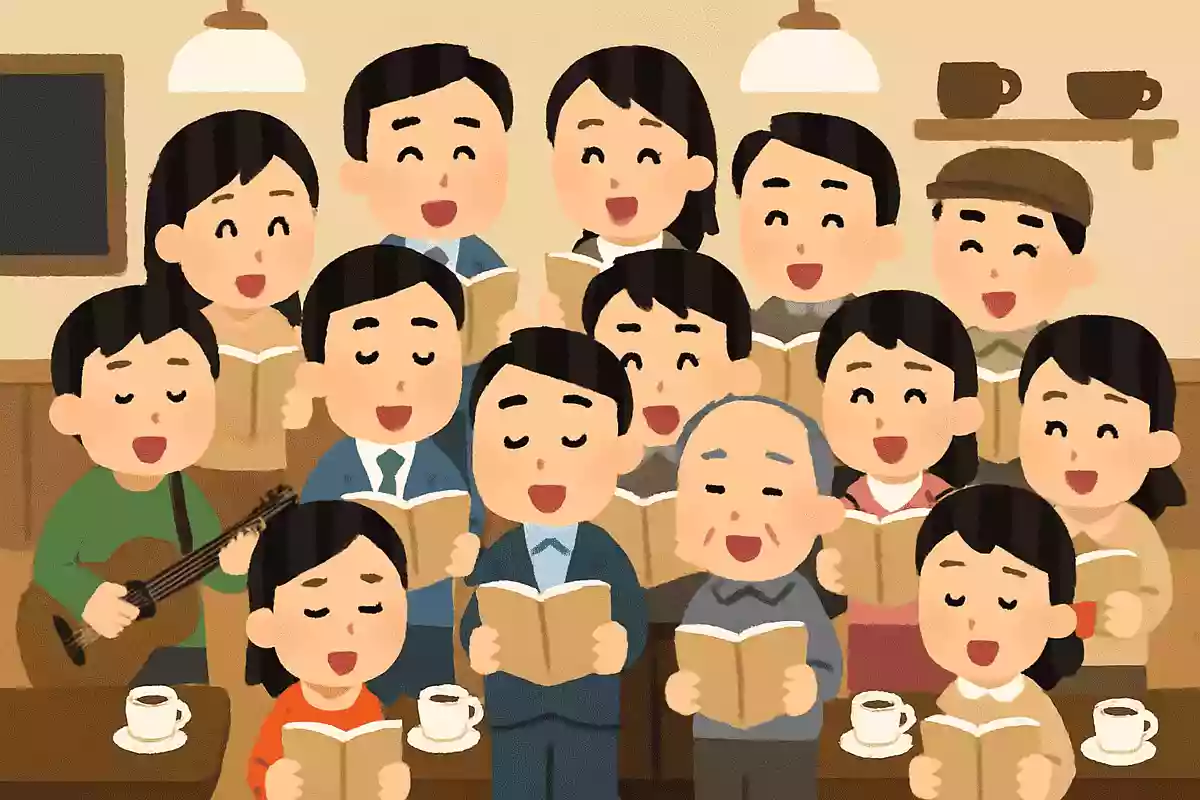
Songs that have always been close to people’s hearts are loved in various ways depending on the era.
Before karaoke boxes appeared, what were the cafes called—popular around the mid-1950s and spreading mainly in Japanese cities—where everyone would sing together? The name clearly evokes the scene of people layering their voices along with various instruments.
The answer is “utagoe kissa” (singing voice cafes).
It is said that as people layered their voices, a sense of solidarity grew, which had a significant impact on student and labor movements.

The Showa-era phrase “Atama ga 〇〇 ni naru” means “I have so much to think about that my brain won’t work.” What sea creature goes in the 〇〇?
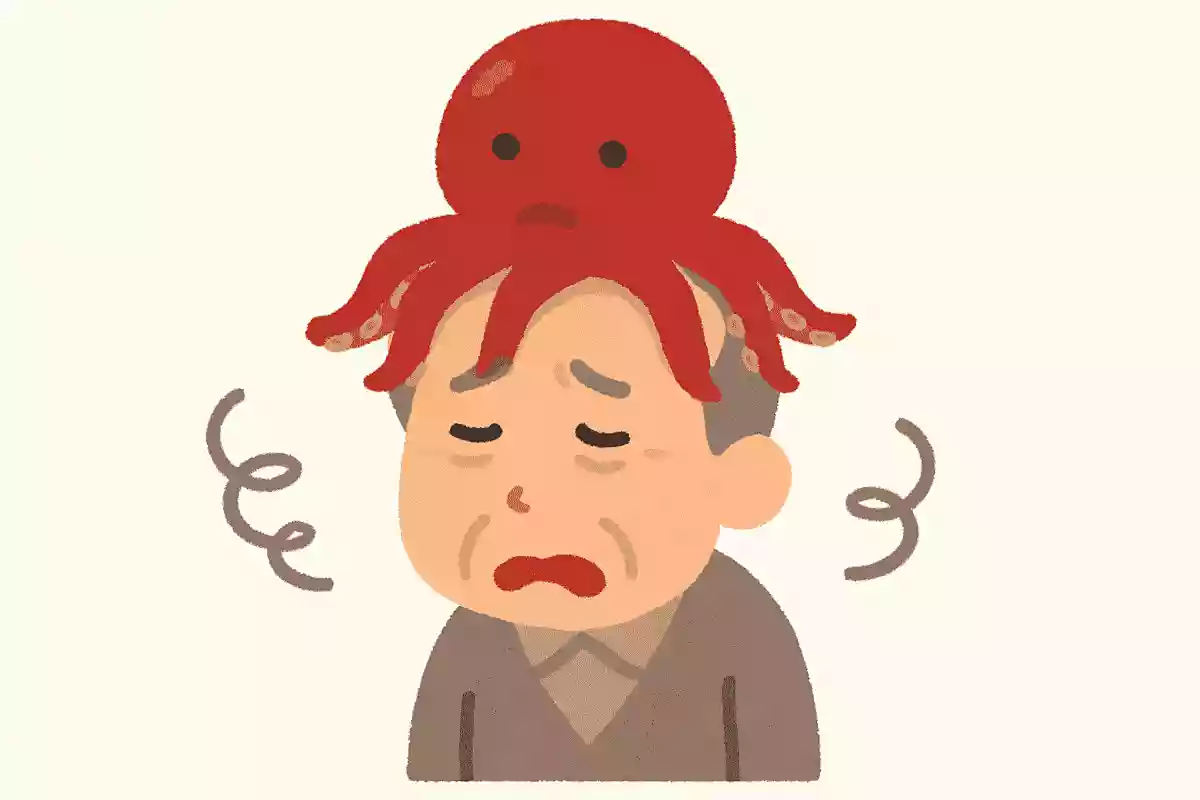
The word that meant “a state where you have so much to think about that your brain won’t work,” which was popular around 1983 (Showa 58), is “Atama ga uni ni naru” (my head turns into sea urchin)! It’s a metaphor comparing a confused, jumbled mental state to soft sea urchin that collapses easily when pressure is applied.
You hardly hear it nowadays, and on the internet it’s called something like “a really nostalgic expression.” Indeed, cracking open a sea urchin does somehow evoke the inside of a human brain… There are plenty of other Showa-era buzzwords that aren’t used anymore, too! Just those alone could make for a solid Showa quiz.

What percentage was the consumption tax during the Showa era?
It sounds like a trick question, but it’s about the consumption tax in the Showa era.
Although the consumption tax has been increasing year by year, in fact, there was no consumption tax during the Showa period.
So the answer to this quiz is that the consumption tax had not yet been introduced.
Japan first introduced the consumption tax on April 1, 1989, the first year of the Heisei era.
At the time of introduction it was 3 percent, and it was later raised to 5 percent, 8 percent, and then 10 percent.
Today, the consumption tax is taken for granted, but when it was introduced there was strong public backlash, and it is said that protest movements also occurred.

What products disappeared from supermarkets during the first oil crisis?
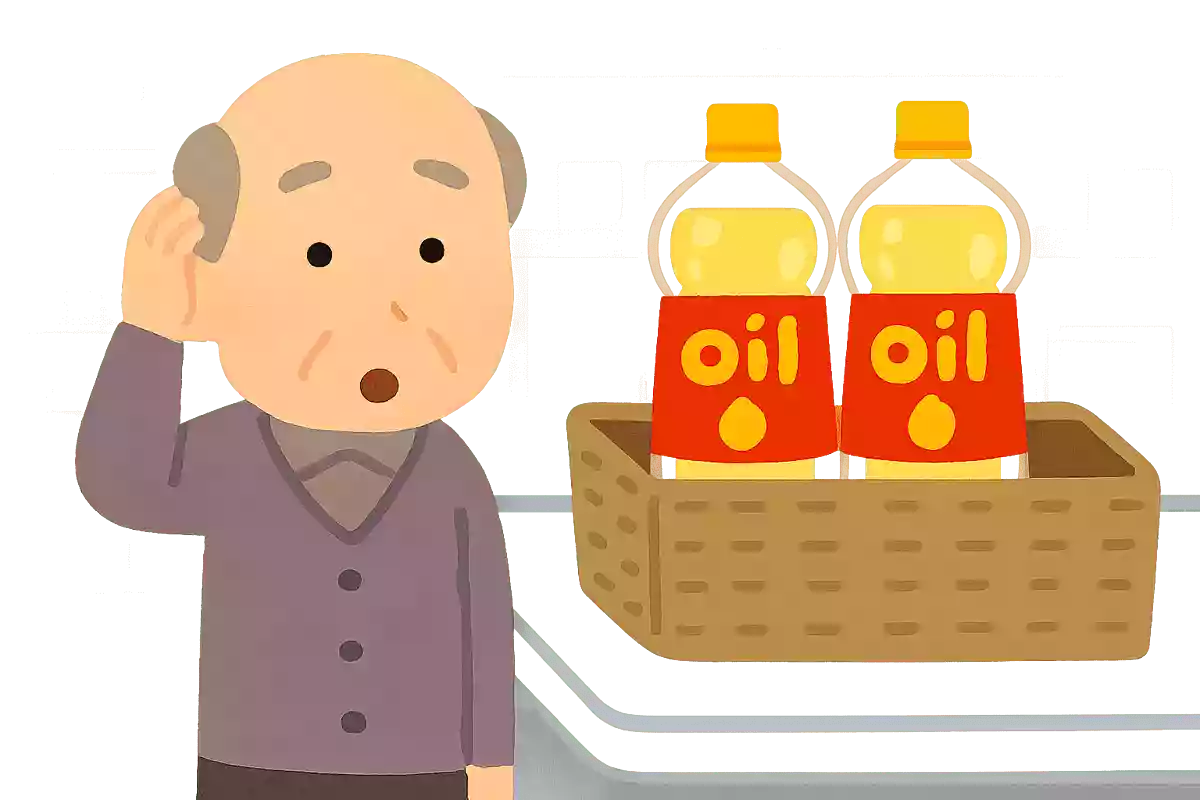
It was during the first oil shock in 1973 that certain products vanished from supermarket shelves.
The answer is toilet paper—but why did it disappear? The cause of the oil shock, as the term suggests, was the surge in crude oil prices.
A war that broke out in the Middle East at the time led to price hikes and embargoes on crude oil.
As a result, oil prices reportedly quadrupled in just three months, dealing a major blow to the Japanese economy.
Back then, heavy oil was used as fuel to dissolve dried raw materials in the process of manufacturing toilet paper.
This led to fears that if crude oil prices soared, the supply of toilet paper would run out.
Those concerns are thought to have triggered panic buying of toilet paper.
Who was the last prime minister of the Showa era?
Speaking of the last Prime Minister of the Showa era, it was the 74th, Noboru Takeshita.
During the Takeshita Cabinet, which lasted from November 6, 1987 (Showa 62) to June 3, 1989 (Heisei 1), policies that would greatly influence Japan’s future were implemented, such as the introduction of the consumption tax and the liberalization of U.S.-Japan trade.
In recent years, his grandson, the singer DAIGO, has been very active on variety shows and elsewhere! Some older viewers may have seen him nostalgically share stories about Mr.
Takeshita, beginning with “My grandpa…” Since some people are sensitive about political topics, when presenting this as a quiz, keep it strictly as a name-guessing game and maintain a lighthearted tone.
Who was the first recipient of the People’s Honor Award?
A superstar everyone knows! Here’s a trivia tidbit: Who was the very first recipient of the People’s Honour Award? To start with, do you know what the People’s Honour Award is? It’s an award presented by the Prime Minister to individuals or organizations whose outstanding achievements have earned the admiration of the public and given society hope.
The first recipient was Sadaharu Oh.
As a legendary hitter in professional baseball, Sadaharu Oh is still beloved by the public.
With his unique one-legged batting stance, he captivated many fans and was a star who led Japanese baseball for many years.
What is the thing that used to be commonplace at Showa-era train stations?
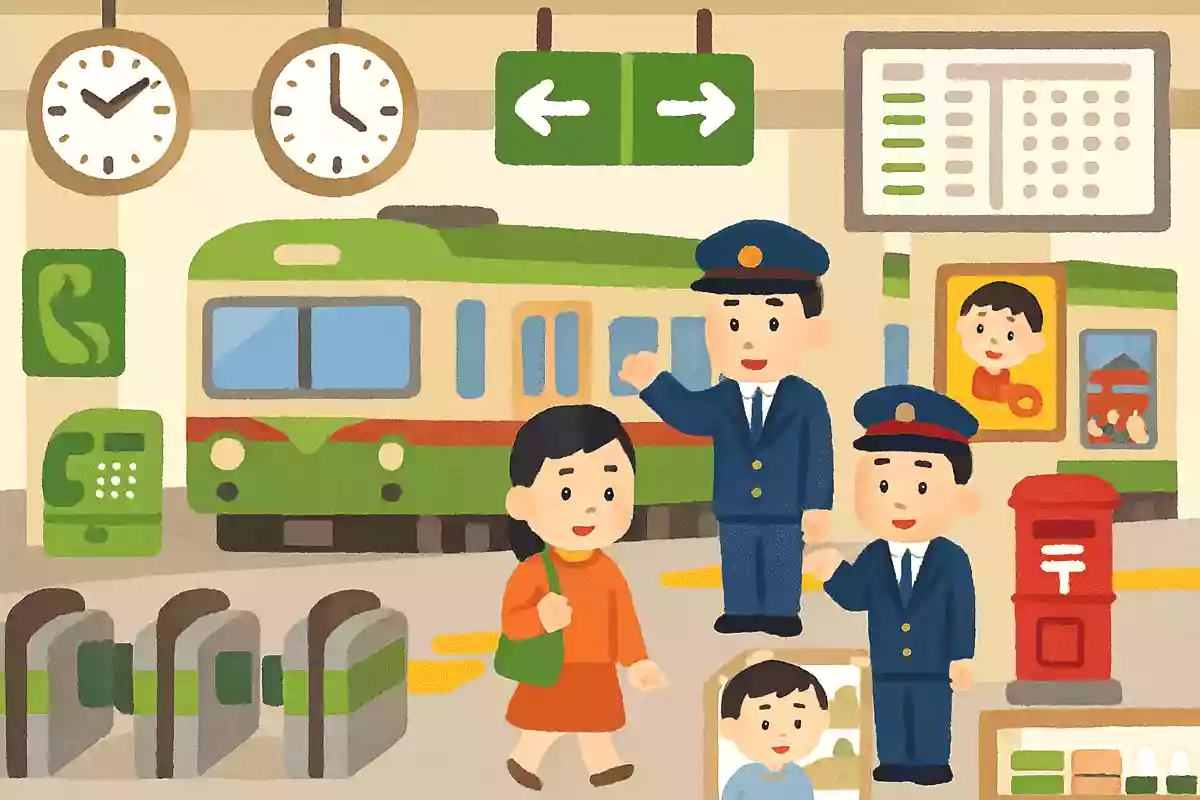
In the Showa era, when mobile phones—now taken for granted—were still rare, message boards at train stations played a major role as a means of communication.
People wrote messages on them to keep in touch with family, friends, and romantic partners.
You can even see station message boards appear or be used in dramas and anime from that time.
Many older people may have used them, too.
Why not ask them to share their stories from back then?