

[For Seniors] Fun and Informative! Health Trivia Quiz


How about a quiz that lets you enjoyably learn how the body works and fun health trivia? It’s packed with useful knowledge for everyday life—like colors that help soothe eye fatigue, the ideal amount of time to get sunlight, and sleeping positions that can help prevent thrombosis.
There are also plenty of handy tips to support the bodies and minds of older adults, such as beverages that relax the brain and habits said to be effective for hip joint pain.
Enjoy a fun time with your family and friends while boosting your awareness of health.
- [For Seniors] Fun and Informative! Trivia and Quizzes Introduced
- [Brain Training] Lively Word Quiz for Seniors
- [For Seniors] Lively two-choice trivia quiz. Handy to know and tidbits you'll want to share with others
- [For Seniors] Trivia Multiple-Choice Quiz
- [For Seniors] Fun and Informative Trivia Quiz Collection
- [For Seniors] Guaranteed to Liven Things Up! A Collection of Brain Training Activities That Will Spark Laughter
- [For Seniors] Nostalgic quizzes that bring back memories! Showa-era entertainment and sports questions
- [For Seniors] Fun and Educational True-or-False Quiz
- [For Seniors] Fun Riddles That Stimulate the Brain
- [For Seniors] Today’s recommended quiz. Daily brain-training quiz!
- [For Seniors] Boost Your Knowledge! Fun Trivia Quiz
- [For Seniors] Sports Trivia Quiz & Fun Facts. Easy and Entertaining
- [For Seniors] Recommended Trivia Quizzes & Fun Facts for November
Trivia of Showa-era Culture and Life (1–10)
In the Showa era, what were the top occupations that elementary school students wanted to have in the future?
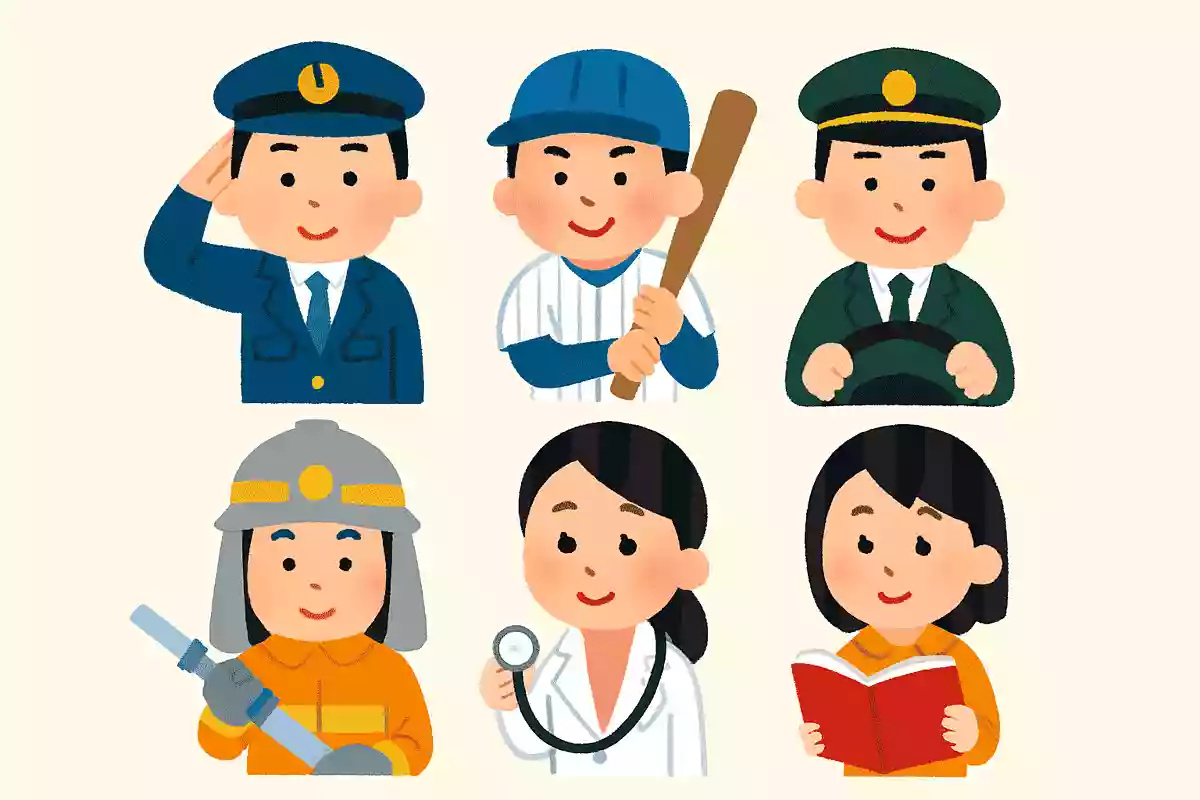
Baseball was very popular during the Showa era.
It’s said that professional baseball games were broadcast on TV during prime time.
In particular, in the late Showa period (the 1970s and 1980s), TV anime and manga that featured baseball became popular.
Because of that, there may have been many children back then who admired professional baseball players.

In club activities and PE classes, there was something that was prohibited during the Showa era. What was it?
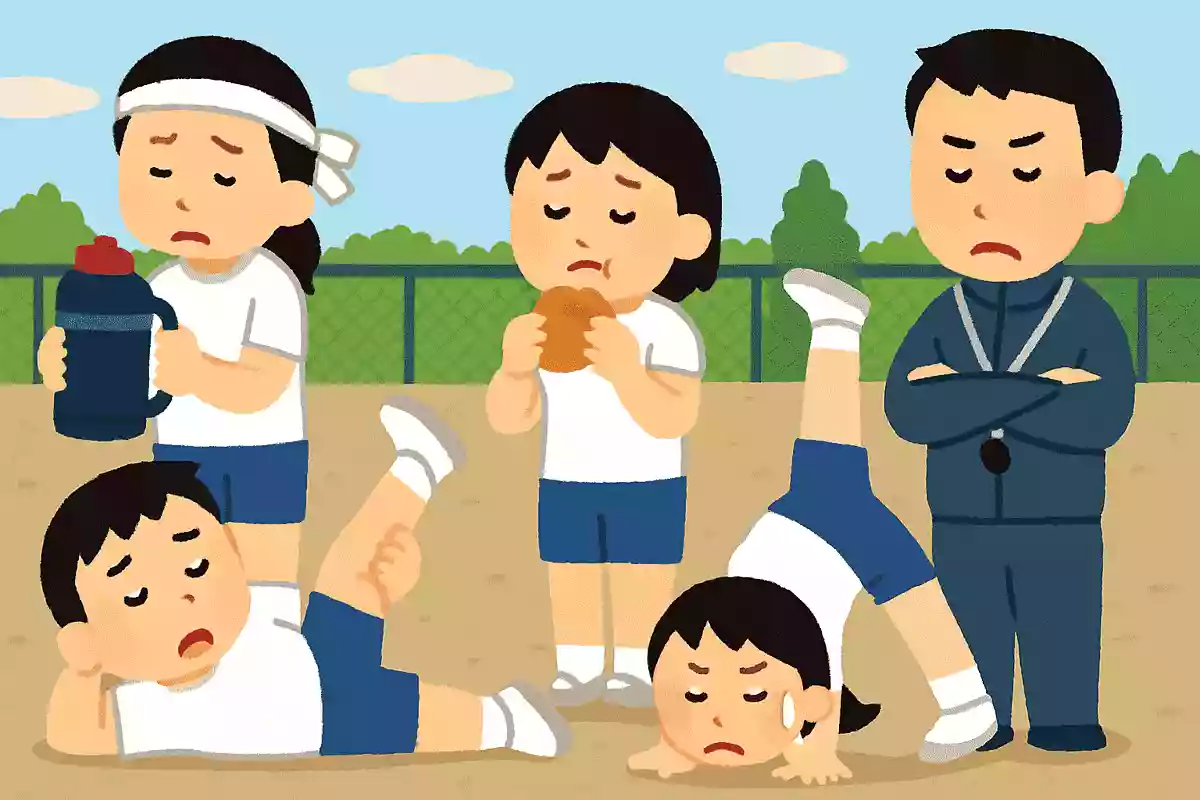
These days, staying hydrated is recommended to prevent heatstroke, but what was it like in the Showa era? Unlike today, during the Showa period drinking fluids was prohibited during club activities and PE classes.
It seems there were fewer days of extreme heat than we have now, but you still need fluids when you’re physically active, right? Back then, people would say things like drinking water shows a lack of mental toughness, or that taking in fluids would make you tire out.
Showa Culture and Everyday Life Trivia (11–20)
In 1970 (Showa 45), the local call charge for public telephones became 10 yen for 3 minutes. What had the pricing structure been like before that?
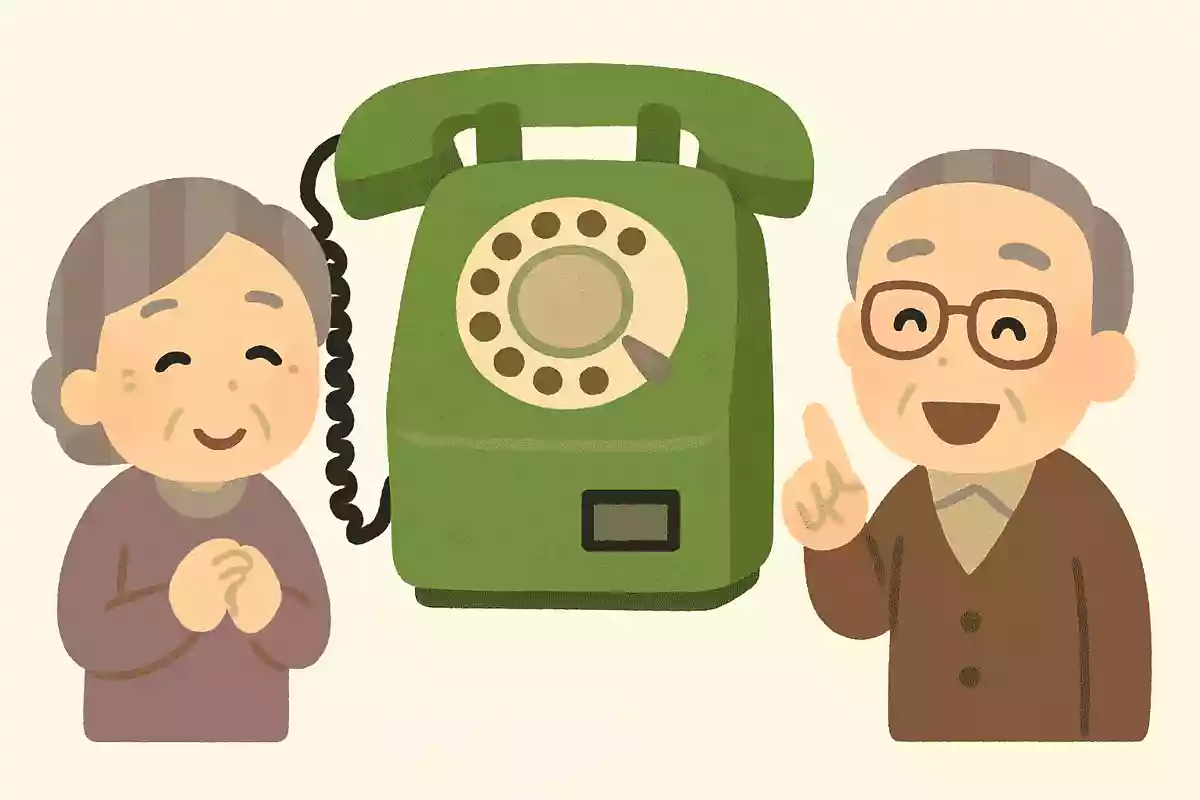
Public telephones used to be essential for making calls while out and about, but as time has gone on, we see them less and less.
Because opportunities to use them have decreased, many of us may no longer have a clear sense of the cost, but the rate is set at 10 yen for three minutes.
That “10 yen for three minutes” rate was introduced in 1970; before that, the pricing was different.
So what was the rate before 1970? The answer is “10 yen per call.” As long as you paid 10 yen, there was no time limit—your call would stay connected without worrying about the duration.
It’s worth noting the anecdote that many people would monopolize the phone for long periods because of this.

Lottery tickets were first sold in 1945 (Showa 20). At the time, four losing tickets could be exchanged for something. What was that something?
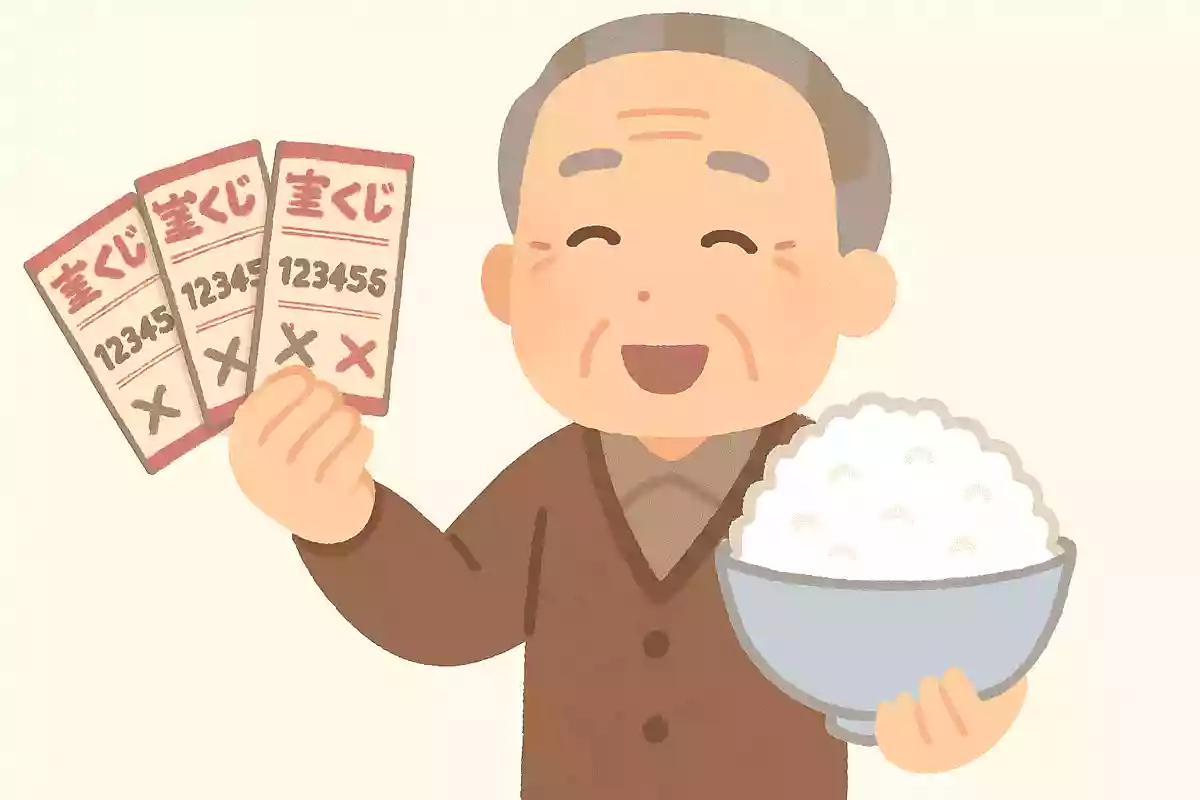
The first time lottery tickets were sold was in July 1945, just before the end of the war.
The price was 10 yen per ticket, and the top prize was 100,000 yen.
Back then, there was a system where four losing tickets could be exchanged for something—and that something was, incredibly, ten cigarettes, known at the time as “kinshi”! While alcohol as a prize might still make sense, a lottery that gives cigarettes as prizes is unimaginable today.
For those who remember it, this must be a nostalgic episode that reflects how times have changed.

In 1960 (Showa 35), a revolution occurred in household televisions. What happened to the TV screen?
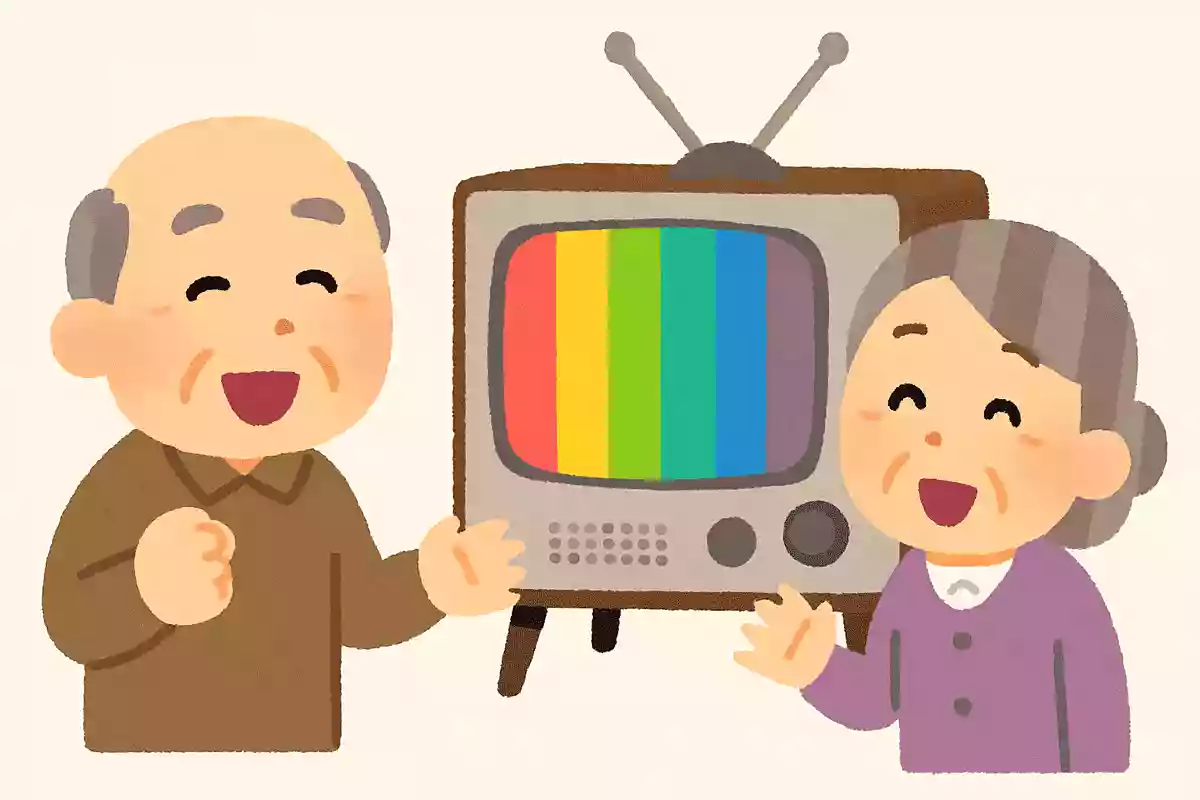
The revolutionary event that happened to home TVs in 1960 (Showa 35) was the start of color broadcasting! NHK began broadcasting on February 1, 1953 (Showa 28), and commercial stations followed on August 28 of the same year.
After the introduction of remote-control TVs and the downsizing of cathode-ray tubes, color broadcasts finally began in 1960.
At the time, color TVs cost dozens of times a new university graduate’s starting salary—well beyond the reach of ordinary people—but as technology advanced, prices became more affordable.
Looking at photos of old televisions or footage of programs from that era might bring back memories of your younger days.
In 1969, a certain American rocket made the first human landing on the moon. What was the name of that rocket?
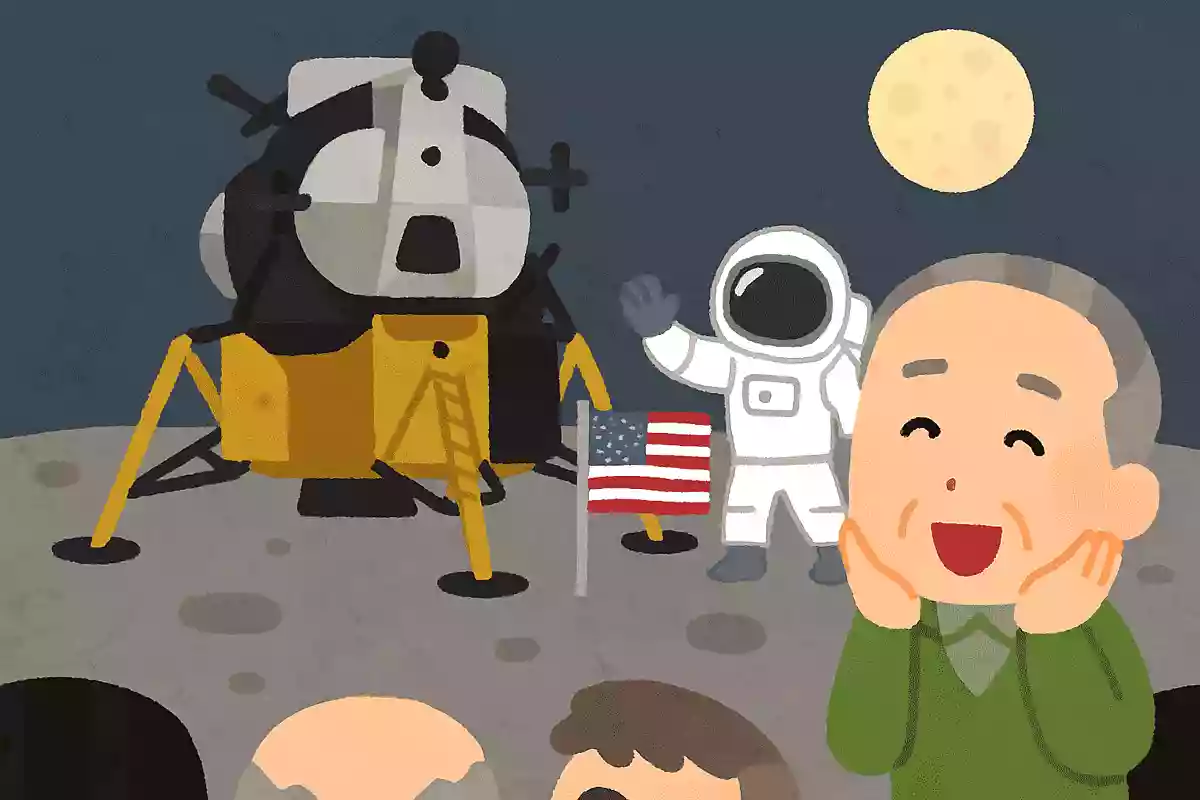
Speaking of the American rocket that achieved humanity’s first successful Moon landing in 1969, it has to be Apollo 11! Seeing the portraits of the three crew members who launched from Kennedy Space Center, or the photo of Commander Neil Armstrong’s first human footprint on the Moon, might bring back memories of the excitement of that time.
Using a quiz as a springboard, why not reminisce about that historic achievement that inspired so many dreams and enjoy sharing stories of the past?
On the tables of cafés and eateries in the Showa era, there were small roulette-style vending machines. What kind of vending machines were they?
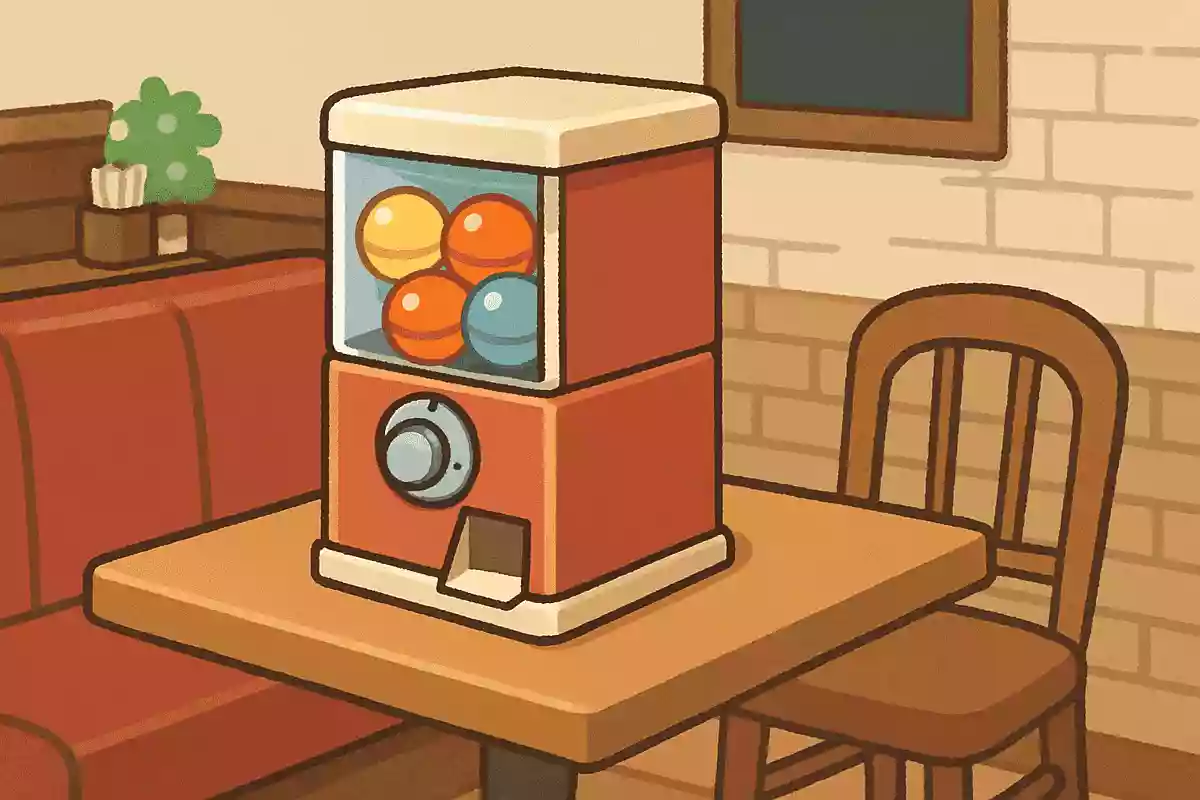
Back in the Showa era, many coffee shops and eateries had small roulette-style vending machines on their tables.
And what did they dispense? Fortune-telling results! You’d insert a coin and pull the lever, the roulette inside would spin, and a rolled-up slip of paper would come out.
In the late Showa 50s (the late 1970s to early 1980s), thanks to the combined boom of horoscopes and coffee shops, annual production of these mini machines reportedly exceeded 200,000 units.
I even remember seeing them in old Chinese restaurants after the Heisei era began, but nowadays they’ve become a rare sight.