

[For Seniors] Fun and Informative! Health Trivia Quiz


How about a quiz that lets you enjoyably learn how the body works and fun health trivia? It’s packed with useful knowledge for everyday life—like colors that help soothe eye fatigue, the ideal amount of time to get sunlight, and sleeping positions that can help prevent thrombosis.
There are also plenty of handy tips to support the bodies and minds of older adults, such as beverages that relax the brain and habits said to be effective for hip joint pain.
Enjoy a fun time with your family and friends while boosting your awareness of health.
- [For Seniors] Fun and Informative! Trivia and Quizzes Introduced
- [Brain Training] Lively Word Quiz for Seniors
- [For Seniors] Lively two-choice trivia quiz. Handy to know and tidbits you'll want to share with others
- [For Seniors] Trivia Multiple-Choice Quiz
- [For Seniors] Fun and Informative Trivia Quiz Collection
- [For Seniors] Guaranteed to Liven Things Up! A Collection of Brain Training Activities That Will Spark Laughter
- [For Seniors] Nostalgic quizzes that bring back memories! Showa-era entertainment and sports questions
- [For Seniors] Fun and Educational True-or-False Quiz
- [For Seniors] Fun Riddles That Stimulate the Brain
- [For Seniors] Today’s recommended quiz. Daily brain-training quiz!
- [For Seniors] Boost Your Knowledge! Fun Trivia Quiz
- [For Seniors] Sports Trivia Quiz & Fun Facts. Easy and Entertaining
- [For Seniors] Recommended Trivia Quizzes & Fun Facts for November
Health Effects of Foods and Nutrition Quiz (1–10)
What ingredients help prevent food poisoning when included in a bento?
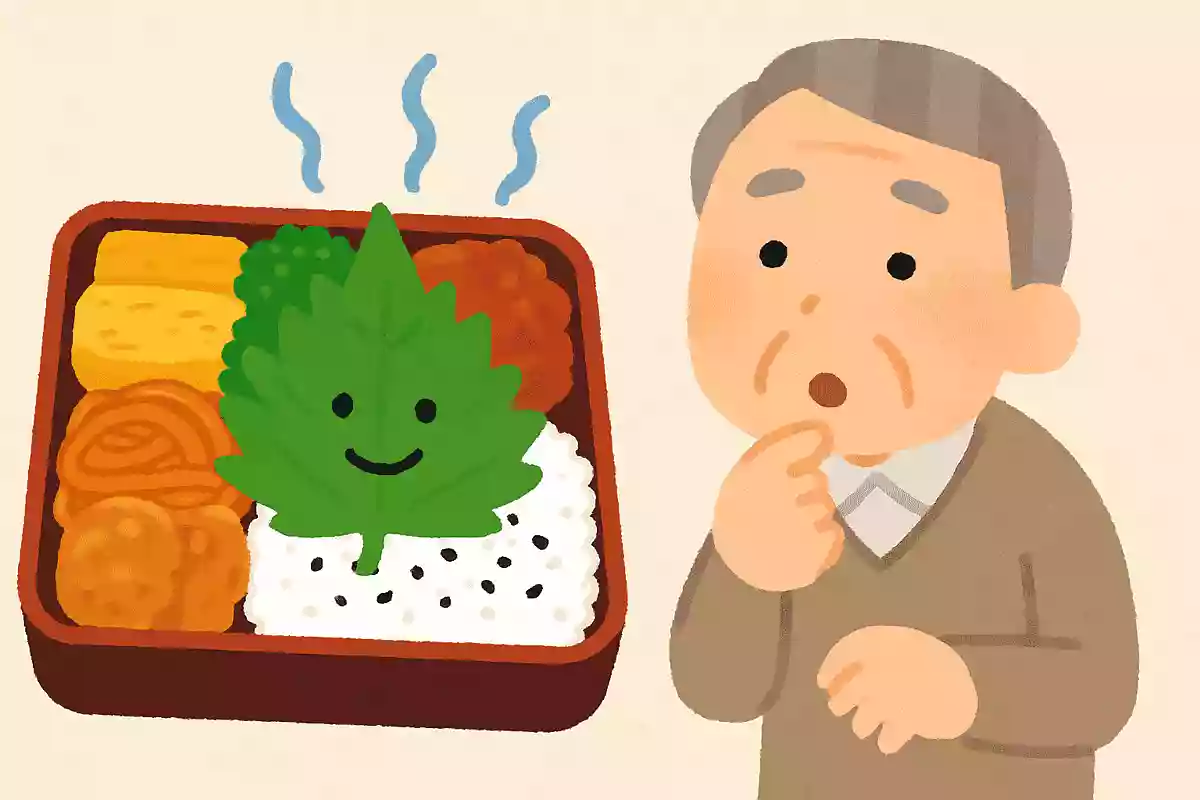
Here’s a trivia quiz: Which ingredient helps prevent food poisoning when packed in a bento? As temperatures rise, food poisoning from lunch boxes becomes a concern.
The ingredient said to help prevent it is umeboshi (pickled plums).
Umeboshi, rich in salt and citric acid, has strong antibacterial effects, making it a good addition to bentos.
However, it’s best not to rely on umeboshi alone—use it together with ice packs and an insulated bag.
A handy tip for the warmer seasons.
Which fish warms your body when you eat it?

We often think of nutrients as working inside the body, so it’s rare to actually feel their effects directly.
Among foods whose effects are easier to sense, which fish is known for warming the body? Few people know the differences in effects among various fish, but if you were asked which cooked fish looks warming, some might catch on.
The answer is salmon.
It has a variety of benefits, such as warming the stomach, improving digestive function, and boosting water metabolism.

What kind of nuts, when eaten, improve cerebral blood flow and help prevent dementia?

Blood circulates throughout the entire body, and when that flow doesn’t go well, various problems arise in different places, right? There’s a food that helps improve such issues—especially by boosting blood flow to the brain—and is even said to help prevent dementia.
What is it? The big hint is that it’s a type of nut, and if you imagine one that seems especially packed with nutrients, you might figure it out.
The answer is walnuts.
While they’re high in calories, they provide so many benefits for the blood that the calories become a minor concern.
Eating tomatoes can help prevent a certain disease. What disease is it?

If tomatoes can help easily prevent diseases, you’d want to make sure to include them in your daily meals, right? So what diseases can tomatoes help prevent? Here’s a hint: over 50% of people will develop this disease at some point in their lives, and it can also be prevented by improving lifestyle habits.
The answer is cancer! The vitamins A, C, and E in tomatoes, as well as lycopene—an antioxidant—are said to suppress reactive oxygen species that can cause cancer.
This effect of tomatoes has been supported by many findings around the world.

What is the white bulb that, when eaten, improves blood circulation and helps distribute nutrients throughout the body?
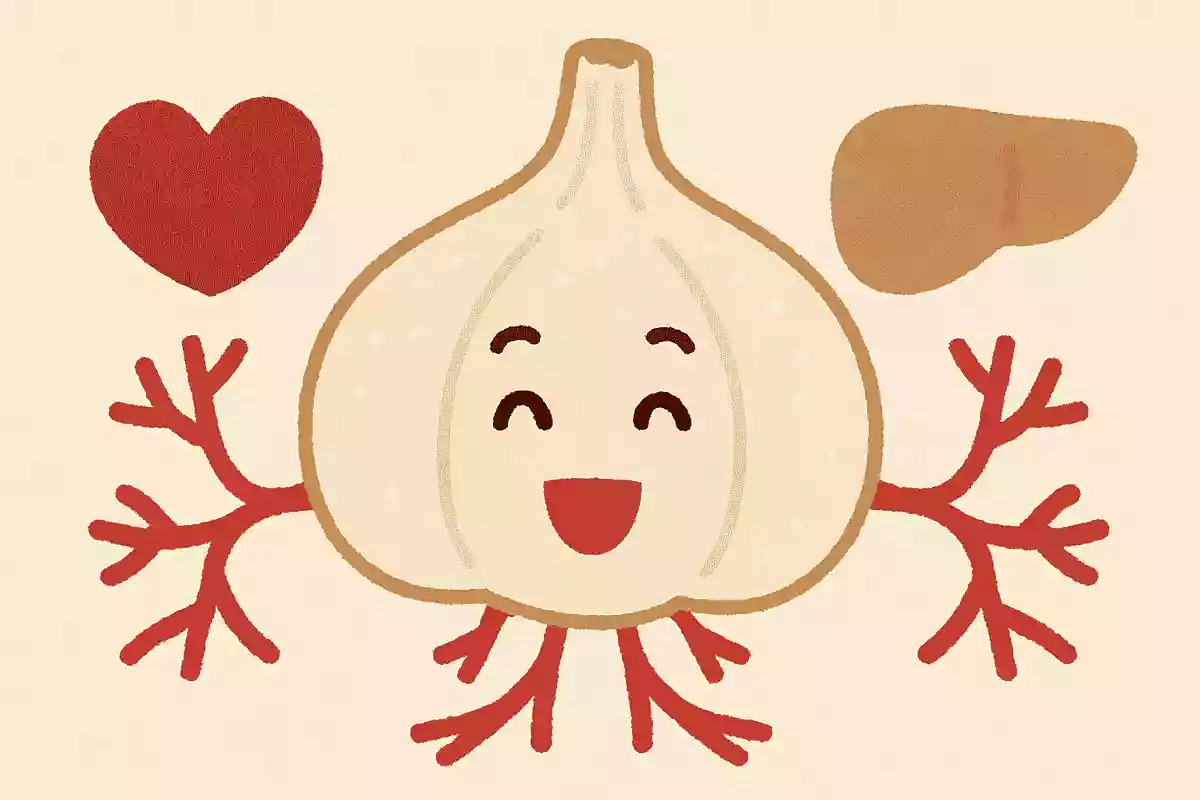
Everyone kind of has a go-to food for when they want to feel energized, and some people may be eating it without even knowing the effects.
Let’s think about foods that are classics for boosting energy and improving blood circulation.
The clue of a white bulb is a big hint—some might guess it just from the idea of an energizing bulb.
The answer is garlic.
While some may worry about the smell, it’s great for promoting healthy blood flow, so it’s something you’ll want to incorporate appropriately.
What is the disease that can be prevented by drinking miso soup every day?
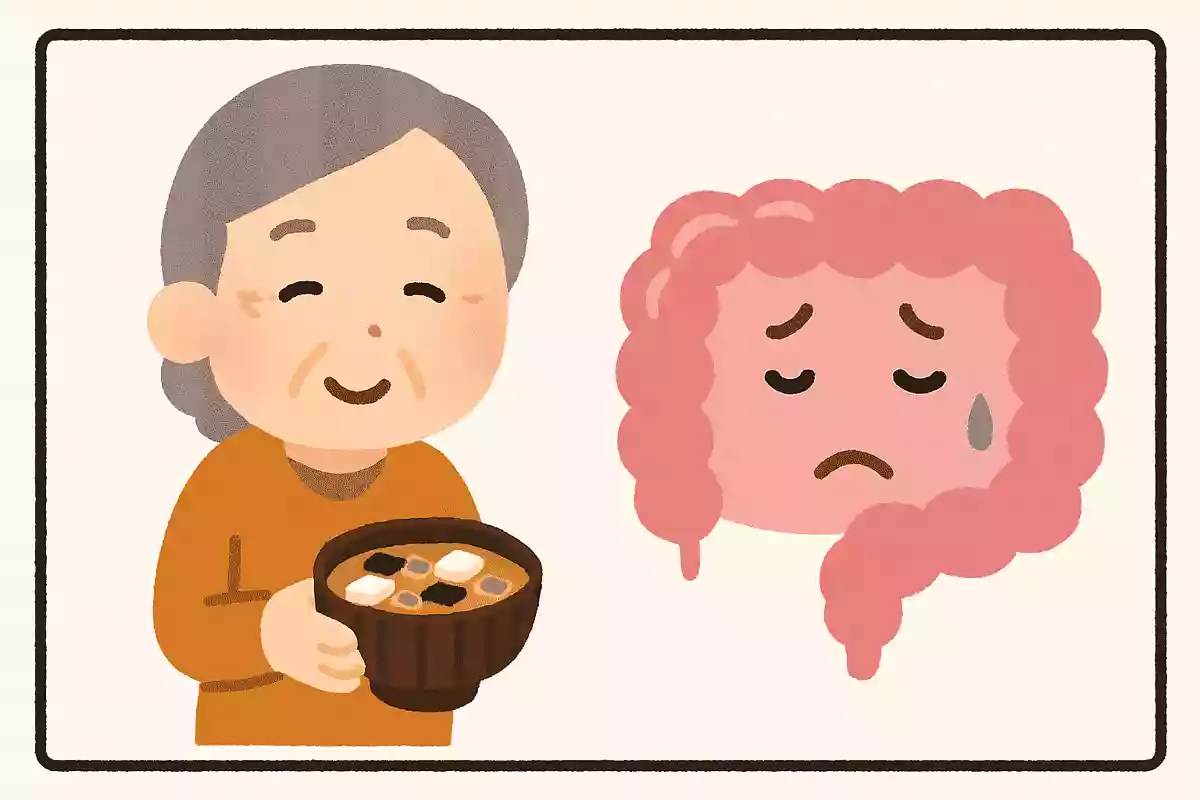
It might help prevent a concerning illness! Here’s a trivia quiz: What disease can be prevented by drinking miso soup every day? Some people can’t start their morning without miso soup.
This traditional Japanese soup is said to be effective in preventing a certain illness.
The answer is “stomach ulcers.” Enzymes in miso are believed to aid digestion, which may reduce the burden on the stomach.
While being careful not to consume too much salt, let’s aim for a well-balanced diet.
For maintaining good health, how many grams or more of vegetables is it desirable to consume per day?

Although vegetables are strongly associated with being healthy, it can be hard to know how much you should actually eat if you’re just going about your day.
Let’s find out how much vegetable intake is recommended per day and use that to plan healthier daily meals.
First, think about how many vegetables you’re eating in your regular meals, then check the required amount.
By comparing whether you’re eating too much or too little, you’ll get a concrete picture of what you need—highly recommended.
The answer is “350 grams per day,” but that doesn’t mean anything goes as long as you hit that number.
In addition to how you reach that amount, be mindful of nutritional balance as well.