

![[For Seniors] Fun and Informative! Health Trivia Quiz](https://media.ragnet.co.jp/img/1200__png__https://www.ragnet.co.jp/files/2025/07/103f11940bf6e6fca08c4764fae68aaf.webp)


How about a quiz that lets you enjoyably learn how the body works and fun health trivia? It’s packed with useful knowledge for everyday life—like colors that help soothe eye fatigue, the ideal amount of time to get sunlight, and sleeping positions that can help prevent thrombosis.
There are also plenty of handy tips to support the bodies and minds of older adults, such as beverages that relax the brain and habits said to be effective for hip joint pain.
Enjoy a fun time with your family and friends while boosting your awareness of health.
- [For Seniors] Fun and Informative! Trivia and Quizzes Introduced
- [Brain Training] Lively Word Quiz for Seniors
- [For Seniors] Lively two-choice trivia quiz. Handy to know and tidbits you'll want to share with others
- [For Seniors] Trivia Multiple-Choice Quiz
- [For Seniors] Fun and Informative Trivia Quiz Collection
- [For Seniors] Guaranteed to Liven Things Up! A Collection of Brain Training Activities That Will Spark Laughter
- [For Seniors] Nostalgic quizzes that bring back memories! Showa-era entertainment and sports questions
- [For Seniors] Fun and Educational True-or-False Quiz
- [For Seniors] Fun Riddles That Stimulate the Brain
- [For Seniors] Today’s recommended quiz. Daily brain-training quiz!
- [For Seniors] Boost Your Knowledge! Fun Trivia Quiz
- [For Seniors] Sports Trivia Quiz & Fun Facts. Easy and Entertaining
- [For Seniors] Recommended Trivia Quizzes & Fun Facts for November
Body Mechanisms and Health Trivia (1–10)
What symptoms are likely to appear simultaneously when one becomes malnourished?
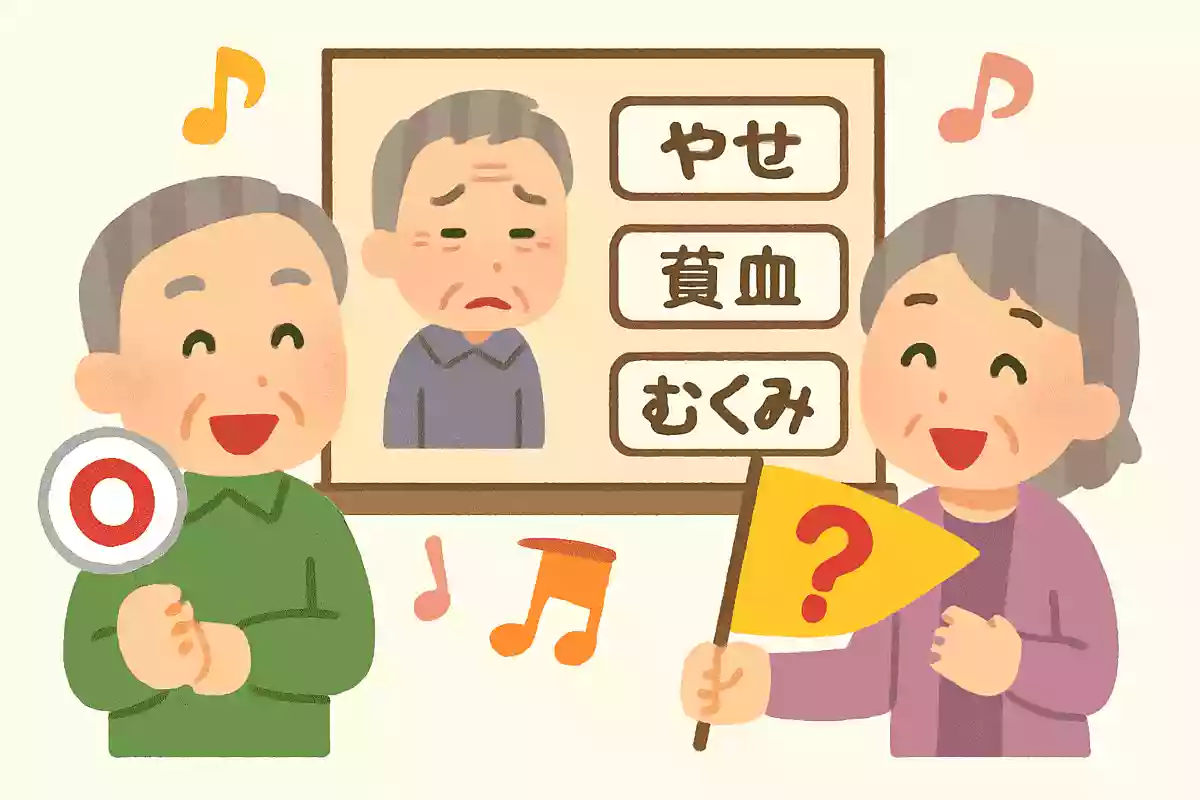
Eating is essential for living, and being mindful of nutrition leads to health and happiness.
When you fall into a state where this vital nutrition is lacking—so-called undernutrition—what symptom is said to commonly appear at the same time? Ideally, it’s best to have knowledge rather than experience, but some people may recall it from personal experience, such as having an unbalanced diet.
The answer is dehydration.
Knowing that a lack of nutrition can cause various adverse effects can help you pay closer attention to your nutrition.

If you adjust the way you sleep, it becomes harder for blood clots to form. What position should you sleep in?
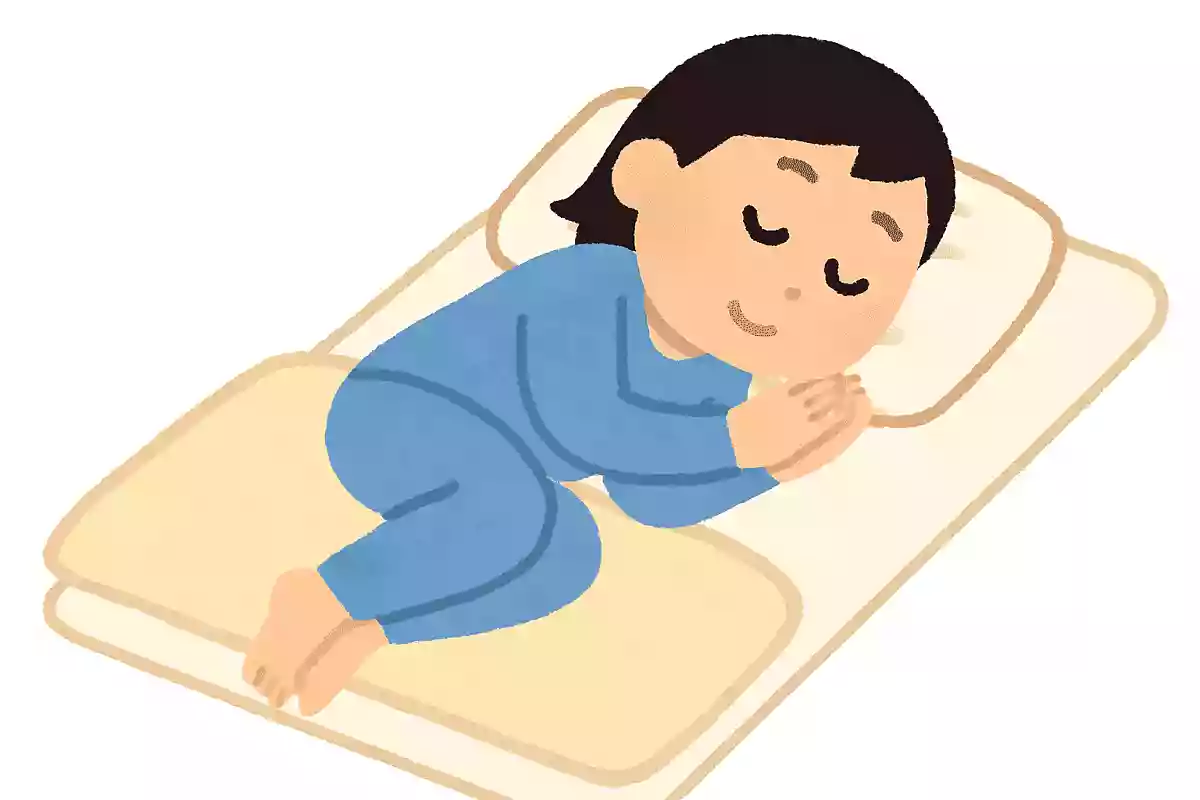
Blood clots that form in the bloodstream can lodge in the blood vessels that run throughout the body, potentially leading to life-threatening conditions such as heart attacks and strokes.
Older adults tend to have poorer circulation as they age, so they need to be especially careful about blood clots.
If the way you sleep can help prevent them even a little, that’s great, right? With that in mind, the answer to this quiz is: sleeping on your back.
Compared to sleeping on your side, lying flat on your back allows blood to circulate smoothly throughout the body, so sleeping on your back is recommended.
It also places less strain on your internal organs!

What kinds of emotions are considered beneficial for health?
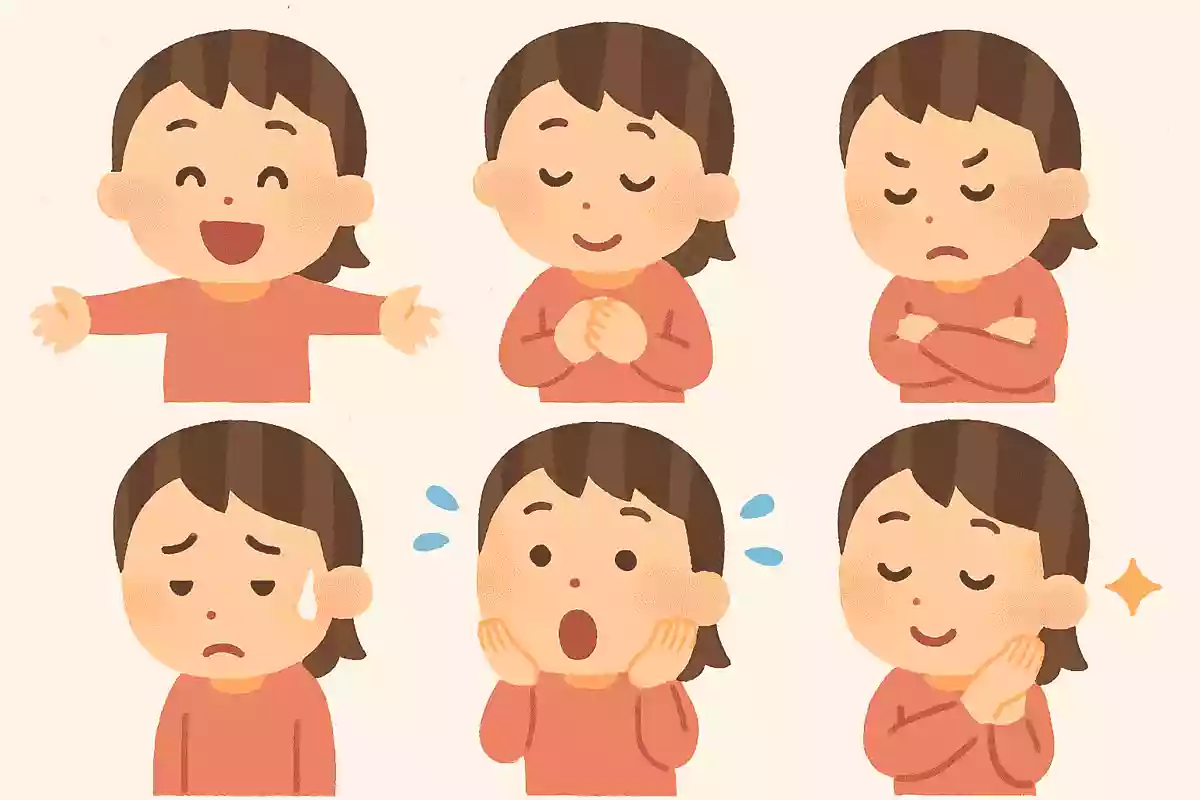
The answer is “laughter.” There’s a saying, “Laughter is the best medicine,” or literally, “Laughter is the chief of all remedies.” When you laugh, the excitement is transmitted to the diencephalon, which controls immunity, leading to active production of neurotransmitters.
These flow throughout the body via the blood and lymph, activating natural killer cells that eliminate harmful substances, thereby boosting immunity.
Laughing also stimulates brain activity, and the deep, abdominal-like breathing that occurs when you laugh heartily is similar to deep or diaphragmatic breathing—making it especially beneficial for older adults as well.
When your eyes are tired, what color should you look at to relieve eye fatigue?
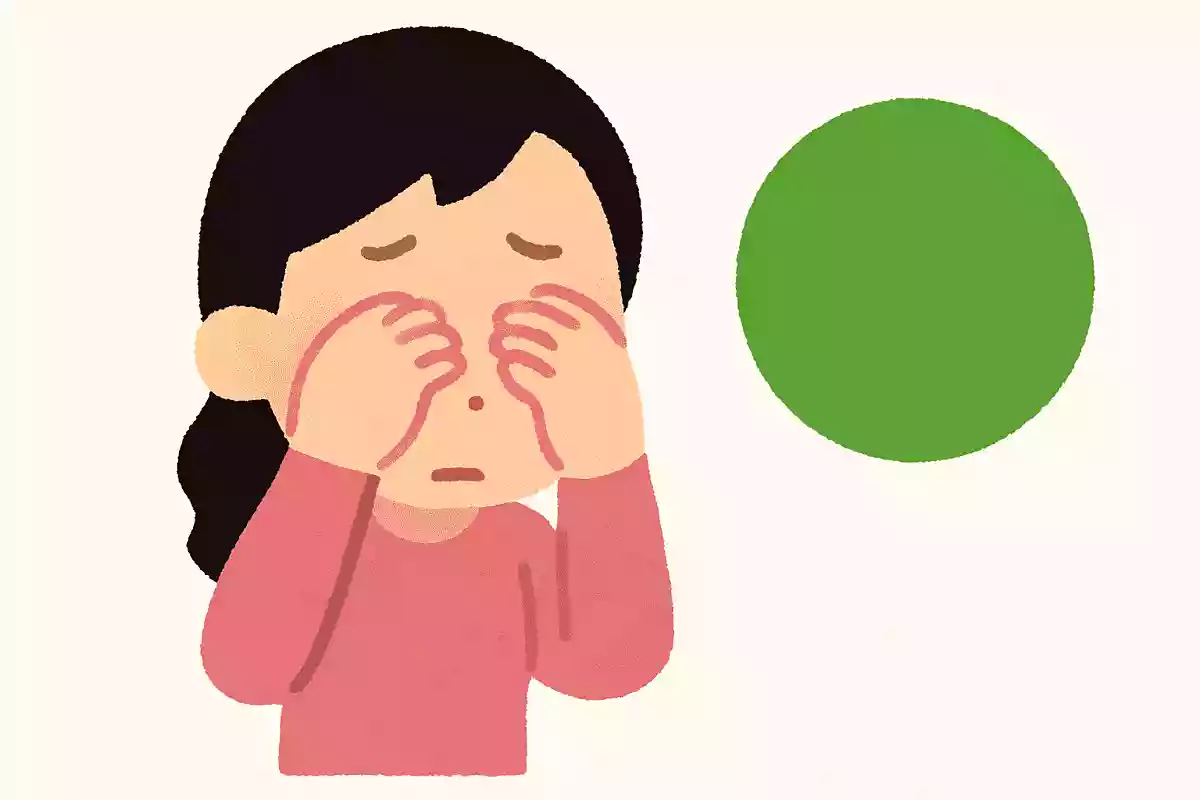
The answer is “green.” Green is said to have a psychological effect of relaxing us and easing tension in the mind and body.
Placing houseplants in a room may be because we modern people, without even realizing it, seek healing and relaxation.
Also, have you ever heard that it’s good to look at distant mountains when your eyes are tired? It’s said that looking far rather than near helps relax the eye muscles.
This, too, is the wisdom of our predecessors.
What is the source of tears?
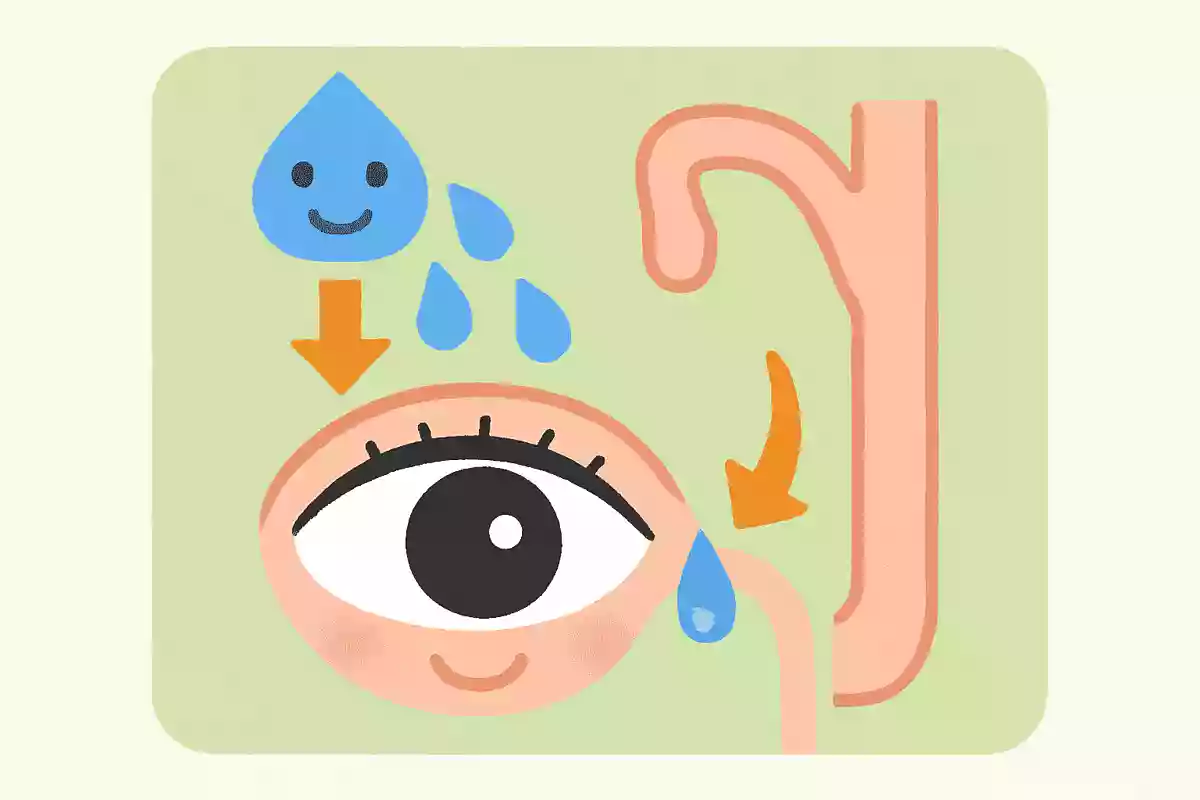
When we’re sad, happy, or deeply moved.
Older adults who have lived long lives have shed all kinds of tears, haven’t they? So what exactly are tears to begin with? Because they look like clear water, we tend to assume they’re just the body’s fluids, but that’s not actually the case.
Here’s a hint: it’s something even older adults have definitely seen before, and it isn’t transparent.
The answer is blood! Tears are said to flow after components like hemoglobin—the red parts—are removed from the blood, which is why they don’t appear red but come out clear.
Nails are part of a certain part of the body. Where on the body are they?
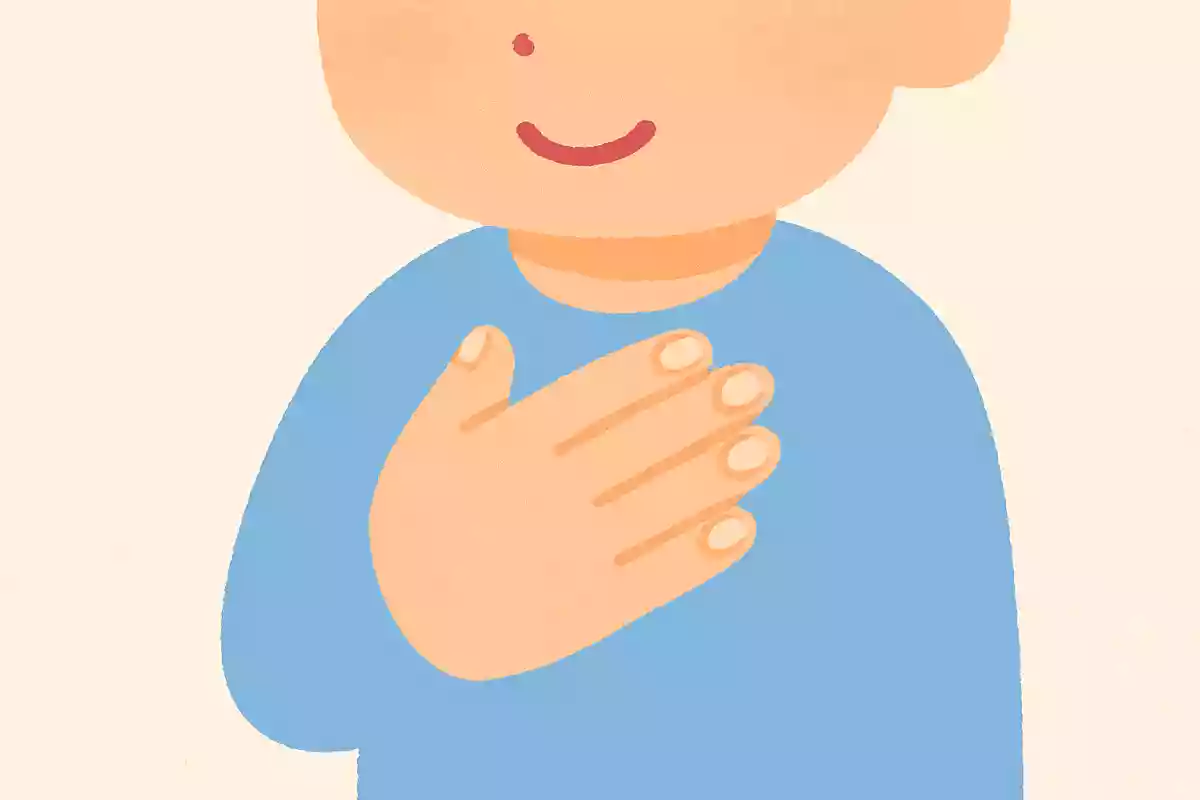
You might think a nail is just a nail, but in fact it’s simply a part of another part of the body.
So, what exactly is it? Rather than overthinking it, it might help to go with the first body part that comes to mind.
The straight answer: skin! Nails are formed when the skin hardens and changes, becoming something harder and different from soft skin.
By the way, if you lose your nails, you may have trouble gripping objects properly, protecting your fingertips, and—in the case of toenails—keeping your body stable.
So take good care of them.
What disease has an increased risk due to a weakening of the ability to swallow food?
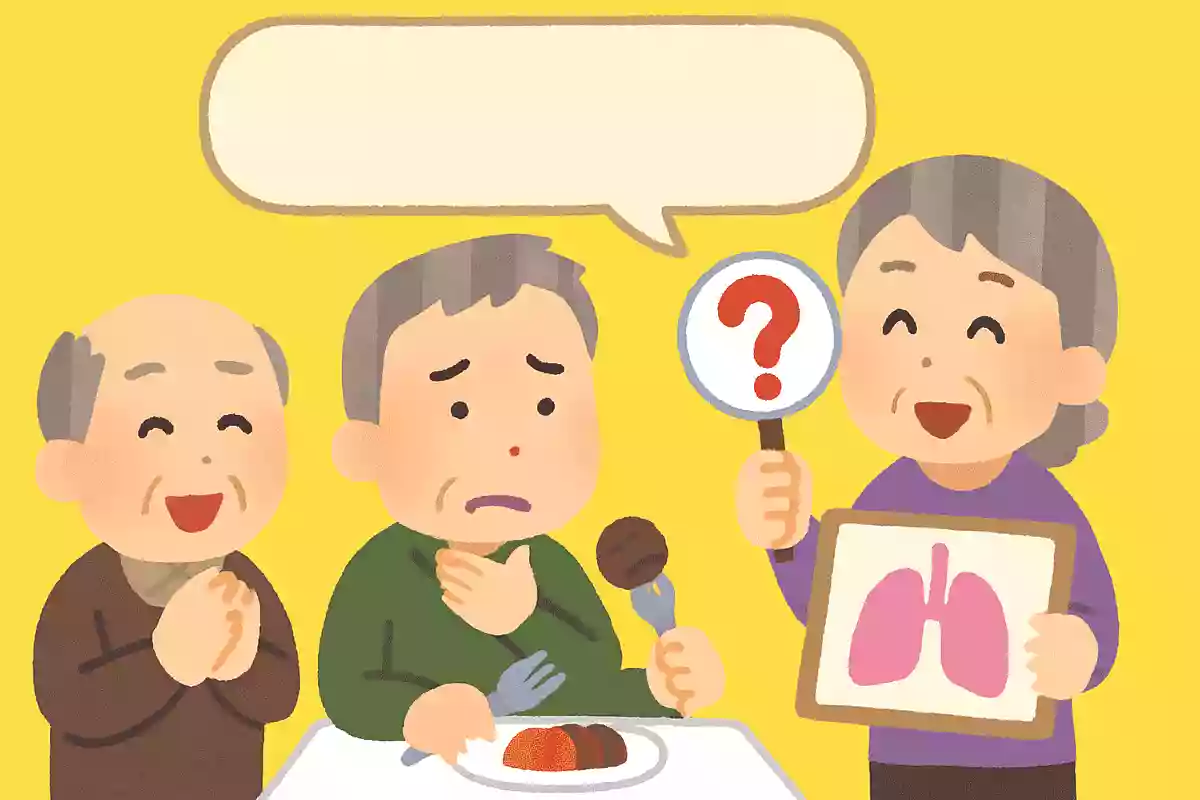
A decline in muscle strength is something you may notice in everyday moments, and some people might feel that swallowing food has become harder than before.
Did you know that there’s a disease whose risk increases as your swallowing ability weakens? The answer is aspiration pneumonia—a dangerous condition in which food or saliva enters the airway and causes inflammation.
It can easily become severe and even be life-threatening, so keep this in mind and pay attention to your swallowing ability and the muscles of your face.